Antibacterial for Dogs: Types, Uses and Safety
By Dr. Zubair Khalid, DVM, MS, PhD ·
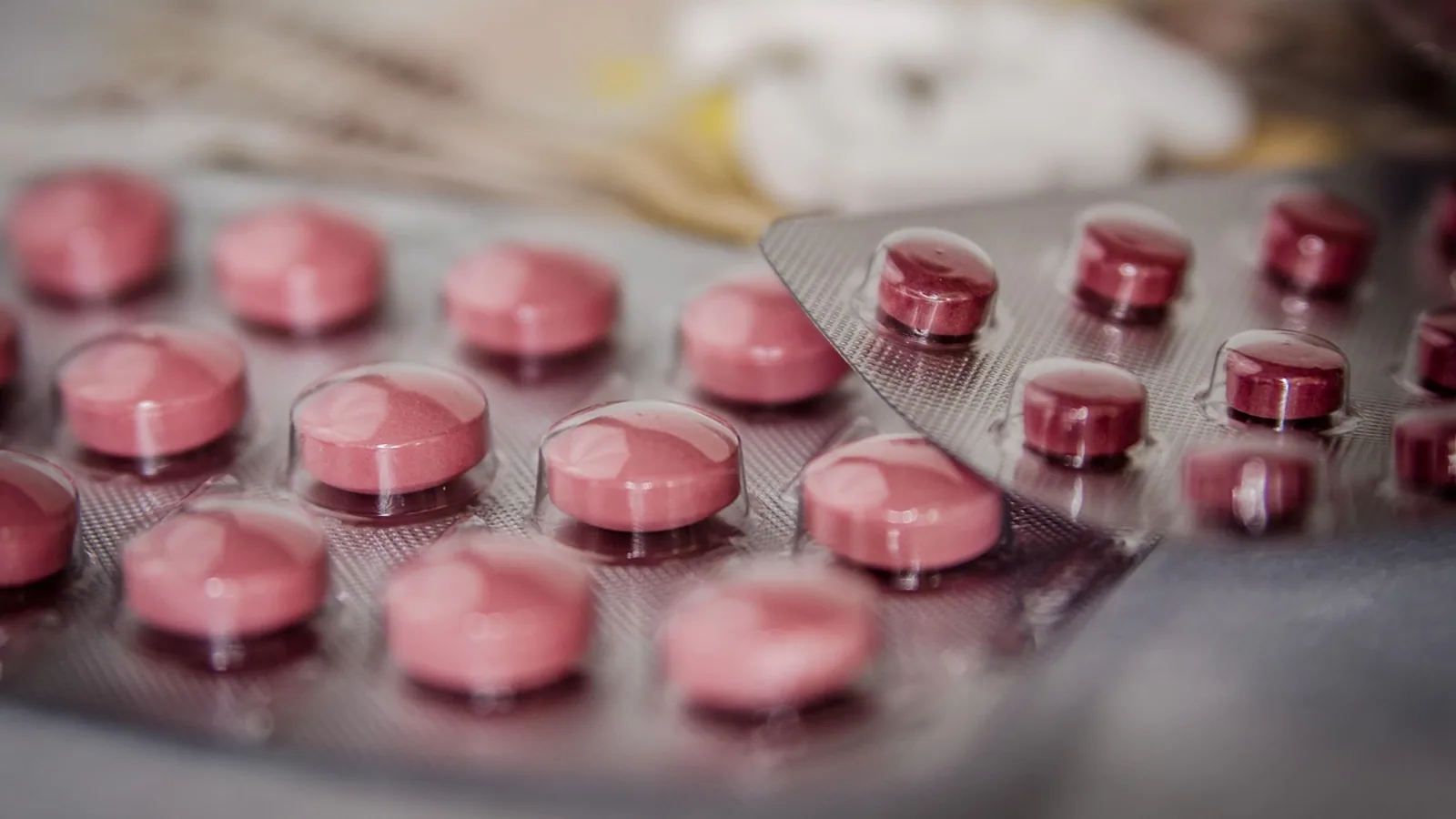
An antibacterial for a dog is a prescription drug that kills bacteria or stops them from multiplying. Veterinarians use these drugs to treat confirmed or strongly suspected bacterial infections such as pyoderma, urinary tract infections, infected wounds, dental abscesses, pneumonia, and infected corneal ulcers. They do not treat viruses, allergies, or most cases of acute diarrhea. A dog should only receive an antibacterial when a veterinarian has decided that a bacterial infection is present or highly likely.
This article is educational and is not a substitute for veterinary diagnosis or treatment.
At a Glance
| Item | What owners should know |
|---|---|
| What it is | A prescription drug that targets bacteria. Several classes exist, each with a different spectrum and risk profile. |
| Species | Dogs. Some drugs are also used in cats, but dosing and safety differ by species. |
| Minimum age | Varies. Fluoroquinolones carry cartilage and tendon cautions in growing dogs. Tetracyclines can stain developing teeth. |
| How it is given | Most commonly by mouth as tablets, capsules, or liquid. Some are given as injections, ear or eye drops, or topical products. |
| How fast it works | Improvement is often seen in 2 to 4 days, but the full course should be completed. |
| How long it lasts | Depends on the drug. Many oral antibacterials are given once or twice daily for 1 to 4 weeks or longer. |
| Prescription status | Prescription only in the United States. Leftover human antibiotics must never be used in dogs. |
What "Antibacterial" Means for a Dog
The words antibacterial and antibiotic are often used interchangeably. In veterinary practice, both describe drugs that act on bacteria. They do not act on viruses, fungi, or parasites. This distinction matters because many conditions that owners assume need antibiotics, such as acute diarrhea or kennel cough, are frequently caused by viruses, dietary upset, or self-limiting infections.
Acute diarrhea is one clear example. Evidence-based guidelines say antimicrobials are only indicated in dogs with severe systemic disease, and most mild cases are self-limiting [1]. Despite this, antimicrobials are still prescribed in many mild cases. One Danish study found that owners expected antibiotics in only about 7 percent of diarrhea consultations, yet veterinarians often assumed owners wanted them [2]. That gap shows how often perceived pressure, rather than medical need, drives prescribing.
Canine infectious respiratory disease, often called kennel cough, follows the same pattern. It is generally mild and self-limiting and usually does not need antibiotics [3]. Similar findings apply to surgical prophylaxis. Many clean procedures do not benefit from antibiotics, and strong recommendations against routine use exist for many common surgeries [4].
How Antibacterials Work
Antibacterials fall into a few broad categories based on how they attack bacteria.
Cell Wall Disruption
Beta-lactams and cephalosporins weaken the bacterial cell wall. Bacteria under osmotic stress burst and die. Because mammalian cells do not have a cell wall, these drugs are relatively safe for the dog's own tissues.
Protein Synthesis Inhibition
Tetracyclines, aminoglycosides, and several other classes block the bacterial ribosome. The bacteria cannot build essential proteins and stop growing. Aminoglycosides are bactericidal, meaning they actively kill. Tetracyclines are usually bacteriostatic, meaning they stop growth and let the immune system clear the infection.
DNA and Folate Pathway Disruption
Fluoroquinolones interfere with bacterial DNA enzymes. Sulfonamides block a step in folate synthesis that bacteria need but mammals do not. These differences explain why certain drugs work against certain bacteria and not others.
The Main Antibacterial Classes Used in Dogs
The table below summarizes the major classes. It is a guide to how veterinarians think about these drugs, not a prescribing chart. Drug choice should follow culture and susceptibility testing whenever possible, and always follow a veterinarian's instructions.
| Class | Examples | Typical indications | Spectrum | Key side effects | Resistance concerns |
|---|---|---|---|---|---|
| Beta-lactams (penicillins, amoxicillin, amoxicillin-clavulanate) | Amoxicillin, amoxicillin-clavulanate, ampicillin | Pyoderma, wounds, dental infections, urinary tract infections, respiratory infections | Gram-positive and some gram-negative. Clavulanate extends coverage against beta-lactamase producing bacteria | Vomiting, diarrhea, appetite loss, allergic reactions | Widespread penicillin resistance in staphylococci and E. coli [5][6][7] |
| Cephalosporins | Cefpodoxime, cefovecin, cefazolin | Skin infections, urinary tract infections, some respiratory and soft tissue infections | Broader gram-negative coverage than penicillins. Generations differ in spectrum | Vomiting, diarrhea, injection site reactions, hypersensitivity | Rising third-generation resistance in E. coli [8] |
| Fluoroquinolones | Enrofloxacin, marbofloxacin, pradofloxacin, orbifloxacin | Complicated urinary tract infections, deep pyoderma, otitis, some systemic infections | Broad gram-negative and some gram-positive coverage | Vomiting, appetite loss, cartilage and tendon injury in growing dogs, seizures in predisposed dogs, retinal toxicity in cats | High resistance in Pseudomonas, rising resistance in many species [5][9][10] |
| Tetracyclines | Doxycycline, minocycline | Tick-borne diseases, respiratory infections, some skin and urinary infections | Broad spectrum including atypical bacteria and some intracellular organisms | Tooth discoloration in young animals, vomiting, esophagitis if given dry, photosensitivity | Variable. Resistance is common in staphylococci in some regions [6][5] |
| Sulfonamides (potentiated sulfonamides) | Trimethoprim-sulfamethoxazole, ormetoprim-sulfadimethoxine | Urinary tract infections, some skin and respiratory infections, coccidiosis | Broad spectrum, bacteriostatic | Dry eye (keratoconjunctivitis sicca), skin reactions, blood dyscrasias, vomiting | High resistance reported in staphylococci in some regions [6] |
| Aminoglycosides | Gentamicin, amikacin, neomycin (topical) | Serious gram-negative infections, often injectable or topical. Not usually first-line oral drugs | Gram-negative coverage, including many Pseudomonas strains | Kidney toxicity with systemic use, ear toxicity, neuromuscular blockade | Lower resistance than fluoroquinolones in some Pseudomonas studies [5][9] |
Beta-Lactams and Cephalosporins
Beta-lactams are among the most commonly prescribed antibacterials in dogs. Amoxicillin-clavulanate appears frequently in dental and skin prescribing data [11][12]. Cephalosporins, particularly cefpodoxime and cefovecin, also appear regularly in primary care [12].
What They Treat
These drugs are first-line choices for many skin, dental, wound, and urinary infections. They are also used for respiratory infections, though many respiratory cases do not need antibiotics at all [3]. In one study of corneal ulcers in dogs, 73 percent of isolates were susceptible to amoxicillin-clavulanate [5]. That still leaves a meaningful proportion of resistant bacteria, which is why culture is valuable when the infection is severe or not responding.
Side Effects and Cautions
Common side effects include vomiting, diarrhea, and reduced appetite. Allergic reactions are possible but uncommon. If a dog vomits after a dose, the veterinarian may recommend giving the drug with food or switching to a different formulation. Never give a second dose to replace a vomited one unless the veterinarian says to.
Resistance
Penicillin resistance is widespread. In a study of Staphylococcus isolates from dogs and cats in Poland, 86.5 percent were resistant to penicillin [6]. In corneal ulcer isolates, 59 percent were resistant to penicillins [5]. In canine pyometra E. coli isolates, all isolates were resistant to amoxicillin-clavulanate and ampicillin [7]. These numbers show why beta-lactams are not automatically the right choice for every infection.
Fluoroquinolones
Fluoroquinolones are powerful broad-spectrum drugs. Their potency makes them valuable, but it also makes them a stewardship priority. Overuse drives resistance and removes them as future options.
What They Treat
Veterinarians use fluoroquinolones for serious or complicated infections, including deep pyoderma, complicated urinary tract infections, and certain ear infections. They are also one of the few classes that can be given topically, orally, or by injection for Pseudomonas infections [9].
Side Effects and Cautions
Fluoroquinolones carry cartilage and tendon cautions in growing dogs. They should be used with care in puppies and young dogs still growing. They can also lower the seizure threshold in dogs with seizure disorders. Cats are at risk of retinal toxicity, which is a species-specific concern. Vomiting and appetite loss are common.
Resistance
Resistance to fluoroquinolones is a growing problem. In canine Pseudomonas infections, fluoroquinolones had the highest resistance proportions among antipseudomonal drugs, with pradofloxacin at 0.56 and enrofloxacin at 0.38 in one meta-analysis [9]. In another study of Pseudomonas from dogs, 71 percent of isolates were susceptible to fluoroquinolones, meaning nearly 30 percent were not [5]. These are not drugs to use casually.
Tetracyclines
Tetracyclines are broad-spectrum and relatively inexpensive. Doxycycline is the most commonly used tetracycline in dogs.
What They Treat
Doxycycline is a mainstay for tick-borne diseases such as Lyme disease, ehrlichiosis, and anaplasmosis. It is also used for some respiratory infections, certain skin conditions, and selected urinary infections. In one corneal ulcer study, 78 percent of isolates were susceptible to tetracyclines, one of the higher susceptibility rates in that dataset [5].
Side Effects and Cautions
The most well-known caution is tooth discoloration. Tetracyclines can stain developing teeth, so they are generally avoided in young puppies unless the benefit clearly outweighs the risk. Doxycycline can cause esophagitis if a tablet or capsule is given dry. Give it with food or water, and never give it dry right before bedtime. Vomiting and photosensitivity are also possible.
Resistance
Resistance varies by region and species. In the Poland Staphylococcus study, 68 percent of isolates were resistant to tetracycline [6]. In the corneal ulcer study, susceptibility was higher at 78 percent, but that is still a significant resistant minority [5]. Culture is the only reliable way to know if a tetracycline will work in a specific dog.
Sulfonamides
Potentiated sulfonamides combine a sulfonamide with trimethoprim or ormetoprim. They are bacteriostatic and work by blocking folate synthesis.
What They Treat
Veterinarians use them for urinary tract infections, some skin infections, and selected respiratory infections. They are also used for coccidiosis in some situations.
Side Effects and Cautions
Sulfonamides have a distinctive side effect profile. Dry eye, also called keratoconjunctivitis sicca, is a known risk, especially with long-term use. Skin reactions, including drug eruptions, can occur. Blood dyscrasias are rare but serious. Vomiting and diarrhea are common.
Resistance
Resistance to trimethoprim-sulfamethoxazole is high in some regions. In the Poland study, 77.2 percent of Staphylococcus isolates were resistant [6]. That makes sulfonamides a poor empirical choice for staphylococcal skin infections in that region.
Aminoglycosides
Aminoglycosides include gentamicin, amikacin, and neomycin. They are usually given by injection or applied topically. Oral use is limited because they are poorly absorbed from the gut.
What They Treat
Aminoglycosides are used for serious gram-negative infections, often when other drugs have failed. Amikacin appears in susceptibility data as one of the few drugs that retained activity against multidrug-resistant E. coli in one pyometra study [7]. Gentamicin is common in topical ear and eye preparations.
Side Effects and Cautions
Systemic aminoglycosides can damage the kidneys and the inner ear. Kidney function should be monitored during treatment. Topical use is safer but can still cause local irritation. Neuromuscular blockade is a rare concern, especially in dogs with certain neuromuscular conditions.
Resistance
Aminoglycosides often retain better activity than fluoroquinolones against difficult bacteria. In corneal ulcer isolates, 71 percent were susceptible to aminoglycosides [5]. In Pseudomonas isolates, resistance proportions were lower than fluoroquinolones [9]. That makes them valuable reserve drugs.
Why Culture and Susceptibility Testing Matter
Empirical therapy means choosing an antibiotic based on what usually works. Culture and susceptibility testing means growing the bacteria and testing which drugs kill them in the lab. Susceptibility testing is not perfect, but it is far better than guessing.
The evidence for culture-guided therapy is strong. In one study of canine urinary tract infections, all isolates were resistant to one or more first-line antibiotics, and 70 percent were multidrug resistant [13]. In another study of corneal ulcers, 27 percent of isolates were multidrug resistant [5]. In a study of canine pyoderma in Asia, the pooled prevalence of methicillin-resistant Staphylococcus pseudintermedius was 30.7 percent [14]. These are not rare edge cases.
When a veterinarian skips culture and chooses empirically, the risk of failure rises. A study from Grenada found multidrug-resistant E. coli in canine clinical samples over a decade [15]. A study from China found resistance to ceftriaxone in E. coli rose from 30 percent to 72.7 percent between 2018 and 2022 [8]. Resistance is not static. It changes with time and place.
Culture is especially important when:
- The infection is deep, recurrent, or not responding to initial treatment
- The dog has a history of multidrug-resistant infections
- The infection is in a body site where resistance is common, such as the ear or cornea
- The dog is immunocompromised or has serious comorbidities
Owners can ask their veterinarian whether a culture was submitted and what the results showed. That question is reasonable and helps ensure the right drug is used.
Why Human Leftover Antibiotics Must Never Be Used
Human antibiotics are formulated and dosed for people, not dogs. Giving a leftover human antibiotic to a dog is dangerous for several reasons.
First, the dose may be wrong. A dose that is safe for a human could be too high or too low for a dog, depending on the dog's weight and the drug's properties. Dosing appropriateness is a recognized challenge in veterinary medicine, and weight-based dosing is essential [16].
Second, the drug may be toxic to dogs. Some human antibiotics are not safe in dogs at all. Others are safe only at specific doses and with specific monitoring.
Third, using leftover antibiotics without a diagnosis increases resistance. The dog may not have a bacterial infection at all. If the dog does have a bacterial infection, the leftover drug may not be the right one. Subtherapeutic or inappropriate use selects for resistant bacteria.
Fourth, owners often store leftover antibiotics incorrectly, which can reduce potency or cause degradation. A study of dog owners in South India found that more than half followed correct practices for accessing, using, and storing antibiotics, which means nearly half did not [17]. That is a large gap.
The safest rule is simple. Never give a dog an antibiotic that was not prescribed for that dog by a veterinarian. If a dog needs an antibiotic, the veterinarian will prescribe the right drug at the right dose for the right duration.
How to Give Antibacterials Safely
Giving an antibacterial correctly is as important as choosing the right one.
Follow the Label and the Veterinarian's Instructions
Give the exact dose at the exact interval. Do not skip doses. Do not double up if a dose is missed unless the veterinarian says to. Do not stop early because the dog looks better. Stopping early can allow surviving bacteria to regrow and select for resistance.
Give With or Without Food as Directed
Some drugs are better absorbed with food. Others are better on an empty stomach. Doxycycline should be given with food or water to reduce the risk of esophagitis. Metronidazole is often given with food to reduce stomach upset. Follow the label.
Watch for Side Effects
Common side effects include vomiting, diarrhea, and appetite loss. More serious side effects include allergic reactions, lethargy, wobbliness, and changes in behavior. If a dog has trouble breathing, swelling of the face, or collapse, that is an emergency.
Do Not Share Antibiotics Between Pets
A drug that is safe for one dog may not be safe for another. Doses differ by weight and condition. Never give one pet's antibiotic to another pet.
Store Properly
Most antibacterials should be stored at room temperature, away from moisture and heat. Some liquids need refrigeration. Check the label.
Follow-Up and Recheck Timing
Follow-up depends on the infection and the drug. For many skin infections, veterinarians recheck in 2 to 4 weeks. For urinary tract infections, a repeat urine culture may be recommended after treatment to confirm clearance. For deep or serious infections, recheck may be sooner.
Owners should call the veterinarian if:
- The dog is not improving within 2 to 3 days
- The dog is getting worse
- New symptoms appear
- The dog vomits every dose or refuses to eat
- The dog has trouble breathing, collapses, or has a seizure
Do not wait until the end of the course to report problems. Early communication can prevent treatment failure and unnecessary suffering.
Comparative Overview of Main Alternatives
When a veterinarian chooses an antibacterial, they weigh several options.
Beta-lactams are often first-line for skin, dental, and urinary infections because they are effective and generally well tolerated. Resistance limits their use in some regions.
Cephalosporins offer broader gram-negative coverage. They are common in primary care but also face rising resistance.
Fluoroquinolones are potent and convenient but should be reserved for serious infections because of resistance and cartilage cautions in growing dogs.
Tetracyclines are essential for tick-borne diseases and useful for some respiratory and skin infections. Tooth discoloration limits their use in young puppies.
Sulfonamides are inexpensive and useful for some urinary and skin infections, but dry eye and skin reactions are real risks.
Aminoglycosides are reserve drugs for serious gram-negative infections. Kidney and ear toxicity limit systemic use, but topical forms are common.
The best choice depends on the infection, the dog, the region, and the culture results.
Questions to Ask a Veterinarian
Owners can ask these questions to understand the plan.
- What infection are we treating?
- Was a culture and susceptibility test submitted?
- Why was this antibiotic chosen over others?
- What side effects should I watch for?
- How long should the course last?
- When should I expect improvement?
- When should I come back for a recheck?
- Are there any food or drug interactions I should know about?
- What should I do if I miss a dose?
- What should I do if the dog vomits the dose?
These questions help owners participate in stewardship and ensure the dog gets the best possible care.
Antibiotic Stewardship for Dog Owners
Antimicrobial stewardship means using antibiotics only when needed, choosing the right drug, and using the right dose and duration. Stewardship is not about withholding treatment. It is about preserving effective drugs for the dogs that truly need them.
Owners play a role. Do not pressure a veterinarian for antibiotics when they are not indicated. Do not use leftover antibiotics. Do not stop treatment early. Do not share antibiotics between pets. Report side effects promptly.
Evidence shows that education can change prescribing behavior. In one study, educational handouts and videos increased veterinarians' comfort with not prescribing antibiotics for acute diarrhea and increased their willingness to recommend probiotics instead [18]. Another study found that new graduates and academic veterinarians were more aligned with stewardship guidelines than their peers [19]. These findings show that stewardship is achievable when owners and veterinarians work together.
Limitations and When to Contact a Veterinarian
This article is educational and cannot replace an examination by a veterinarian. Individual dogs vary in their response to treatment, their risk of side effects, and the bacteria causing their infection.
Contact a veterinarian if:
- The dog has not improved after 2 to 3 days of treatment
- The dog is vomiting, has diarrhea, or refuses to eat
- The dog develops facial swelling, hives, or difficulty breathing
- The dog has a seizure, collapses, or becomes suddenly weak
- The dog's eyes become dry, red, or painful
- The dog develops new skin lesions or lameness
- The dog's infection returns after treatment ends
- A dose is missed or the dog receives too much
Do not adjust the dose or stop the drug without veterinary guidance.
Frequently Asked Questions
Can I give my dog human antibiotics?
No. Human antibiotics are dosed for people and can be dangerous for dogs. Some are toxic, and using them without a diagnosis drives resistance. Never give a dog medication that was not prescribed for that dog.
How long does it take for an antibacterial to work in a dog?
Most dogs show improvement within 2 to 4 days. If there is no improvement after 2 to 3 days, call the veterinarian. The full course should still be completed even if the dog looks better.
What are the most common side effects of antibacterials in dogs?
Vomiting, diarrhea, and appetite loss are the most common. More serious effects include allergic reactions, lethargy, and seizures. Call a veterinarian if symptoms are severe or persistent.
Are fluoroquinolones safe for puppies?
Fluoroquinolones carry cartilage and tendon cautions in growing dogs. They are used with care in puppies and young dogs. The veterinarian will weigh the risks and benefits.
Why do tetracyclines stain teeth?
Tetracyclines can bind to developing tooth enamel and cause discoloration. They are generally avoided in young puppies unless the benefit clearly outweighs the risk.
Can sulfonamides cause dry eye in dogs?
Yes. Sulfonamides can cause keratoconjunctivitis sicca, or dry eye, especially with long-term use. Report any eye redness, squinting, or discharge to the veterinarian.
Why does my veterinarian want a culture before prescribing an antibiotic?
Culture and susceptibility testing identify the bacteria and determine which drugs will work. This is especially important for recurrent, deep, or non-responding infections, and in regions with high resistance.
What should I do if I miss a dose?
Call the veterinarian for instructions. Do not double the next dose unless told to. Missing doses can reduce effectiveness and promote resistance.
Related Articles
- Polymerase Chain Reaction: Steps, Types, and Uses
- Hive Top Feeders: Types, Placement, and Seasonal Use
- Anesthesia Machine Safety Checks for Laboratory Animal Use
- Prednisone for Dogs: Uses, Side Effects, and Safety Guidelines
- Red-Eared Slider Shell Rot: Dry Docking and Antibacterial Treatment
- Biosafety Cabinet Class II Type A2: Selection and Use in Diagnostic Laboratories
- Pepcid for Dogs: Dosage, Uses, and Safety Guide
- Clonidine for Dogs: Uses, Dosing, and Safety
- Amantadine for Dogs: Uses, Doses, and Safety
Sources
- European Network for Optimization of Veterinary Antimicrobial Therapy (ENOVAT) guidelines for antimicrobial use in canine acute diarrhoea.
- Owner expectations regarding antimicrobial prescription for canine acute diarrhea: A prospective observational study from the capital of Denmark.
- Antibiotic prescribing in canine infectious respiratory disease.
- European Network for Optimization of Veterinary Antimicrobial Therapy (ENOVAT) 2025 guidelines for surgical antimicrobial prophylaxis in dogs and cats.
- Patterns of Bacterial Infection and Antibiotic Resistance in Canine Corneal Ulcers: A Retrospective Analysis (Berlin, Germany, 2021-2024).
- Species distribution and antimicrobial resistance of Staphylococcus spp. isolated from dogs and cats in Poland: a retrospective laboratory-based study.
- Characterization of Phylogroups, Virulence Factors and Antimicrobial Resistance in Canine Pyometra-associated Escherichia coli.
- Antimicrobial Resistance and Risk Factors of Canine Bacterial Skin Infections.
- Systematic evaluation and meta-analysis of prevalence and trends for antibiotic resistance in Canine Pseudomonas infections.
- Frequency and Antimicrobial Susceptibility Patterns of Canine and Feline Urinary Tract Pathogens: A 6-Year (2018-2023) Retrospective Study in Phoenix, Arizona, United States.
- Prophylactic antibiotic use is common in dogs and cats presenting for procedures at veterinary referral dental practices.
- Antimicrobial use practices in canine and feline patients with co-morbidities undergoing dental procedures in primary care practices in the US.
- Mitigating antimicrobial resistance, an approach to stewardship in canine urinary tract infection.
- Prevalence and antibiotic resistance profile of Staphylococcus pseudintermedius in pyodermic dogs in Asia: a systematic review and meta-analysis.
- Occurrence and Antimicrobial Susceptibility Pattern of Clinical Escherichia coli Isolates from Dogs in Grenada, West Indies.
- Use of VetCompass Australia data to estimate body weight for antimicrobial stewardship in Australian dogs.
- Knowledge and practice regarding antibiotic usage in dogs among pet owners in a district in South India.
- Antimicrobial stewardship education increases US veterinarians' intention to avoid prescribing antimicrobial drugs for canine acute diarrhea, January 2025.
- New graduates and academic veterinarians' intentions to treat canine acute diarrhea align with antimicrobial stewardship guidelines, January 2025.