False Pregnancy in Cats: Symptoms and What to Do
By Dr. Zubair Khalid, DVM, MS, PhD ·
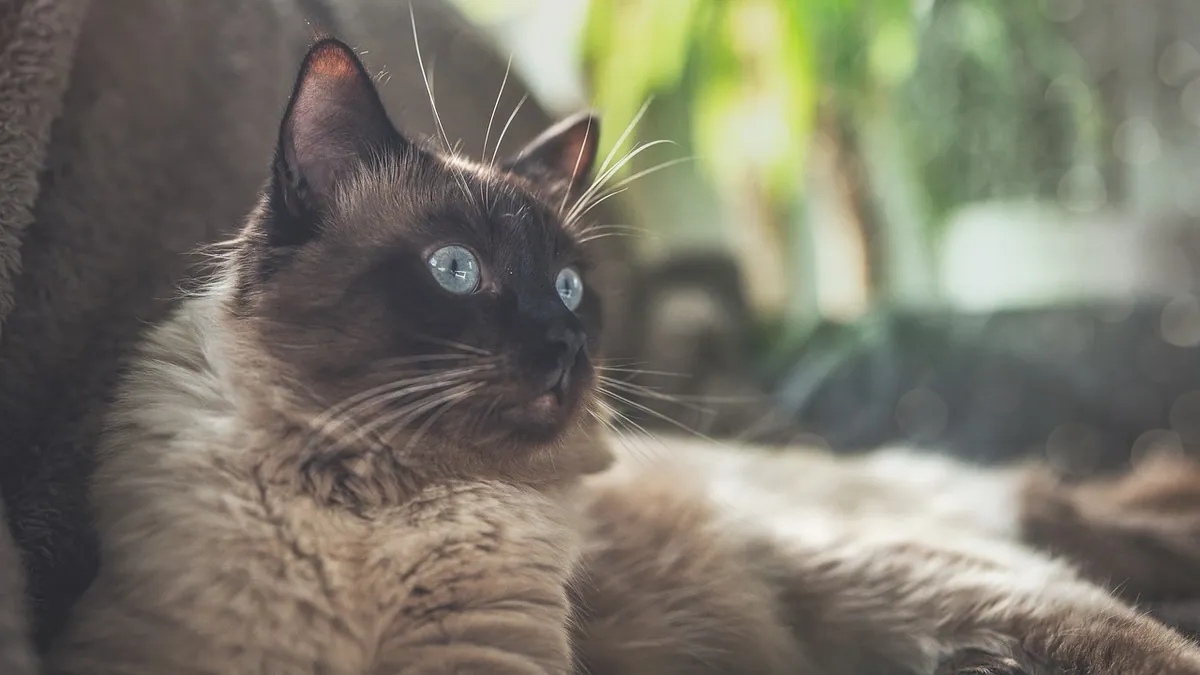
False pregnancy in cats is uncommon, and it happens when a cat ovulates without conceiving. Her body then acts as if she is pregnant, sometimes with mammary development and milk production [1]. Most cases settle on their own within a few weeks, but the signs can look like other, more serious problems.
This article is educational and is not a substitute for veterinary diagnosis or treatment.
Quick Answer
- False pregnancy in cats is rare, and it only occurs after a cat has ovulated but did not become pregnant [1].
- The most common signs are mammary (breast) development, milk production, and behavior changes such as nesting or mothering toys [1].
- The condition usually resolves on its own in 1 to 3 weeks, so treatment is often not recommended [1].
- Do not milk out or squeeze the mammary glands. That stimulates more milk production [1].
- If episodes keep happening, spaying stops them for good [1].
What False Pregnancy in Cats Actually Means
A false pregnancy, also called a phantom pregnancy in cats, is a hormonal state that mimics pregnancy without a fetus. It happens when a cat is induced to ovulate but does not conceive [1]. In cats, ovulation does not happen on its own the way it does in some species. It usually takes breeding to trigger it. That is one reason false pregnancy is uncommon in cats compared with dogs [1].
After ovulation, the empty egg follicles turn into a structure called the corpus luteum. This tissue produces progesterone, the same hormone that supports a real pregnancy. In cats, the luteal phase of a pseudopregnancy and the luteal phase of a true pregnancy differ in how progesterone rises and falls over time [2]. The corpus luteum also changes and matures throughout pseudopregnancy, with its steroid-producing cells shifting in size and type over the weeks [3]. Your cat's body does not know there is no kitten. It simply responds to the hormones.
One key difference between cats and dogs: in cats, the placenta itself makes steroid hormones and corticotropin-releasing hormone during a real pregnancy [4]. So a pregnant cat and a pseudopregnant cat are not running identical hormone profiles. This is part of why the signs in cats tend to be milder and shorter than what owners see in dogs.
Symptoms of False Pregnancy in Cats
The signs fall into two groups: physical changes and behavior changes.
Physical signs
- Mammary glands enlarge and may produce milk [1].
- The belly may look fuller, though this is usually less dramatic than in a true pregnancy.
- Some cats groom the nipple area more than usual.
Behavior signs
- Acting as if pregnancy and delivery have occurred [1].
- Nesting in closets, laundry baskets, or quiet corners.
- Carrying soft toys or socks and mewing at them.
- Becoming clingy or, in some cats, more irritable.
- Restlessness or pacing.
These signs can appear a few weeks after a heat cycle in which your cat was bred but did not conceive. If your cat was never around an intact male, true pregnancy is very unlikely, and false pregnancy becomes more plausible.
How this compares with other conditions
| Sign | False pregnancy | True pregnancy | Pyometra (uterine infection) | Mammary cancer |
|---|---|---|---|---|
| Mammary enlargement | Yes, often with milk [1] | Yes, near term | Uncommon | Yes, usually a lump |
| Behavior changes | Yes, mothering and nesting [1] | Yes, nesting near term | Lethargy, hiding | Usually none early |
| Vaginal discharge | Usually none | Possible near labor | Often pus-like | Possible |
| Appetite | Usually normal | Often increased | Often decreased | Usually normal |
| Fever | No | No | Often yes | No |
| Timeline | Ends in 1 to 3 weeks [1] | 63 to 65 days | Worsens without treatment | Progresses slowly |
If your cat has discharge, fever, vomiting, or stops eating, that points away from false pregnancy and toward a problem that needs veterinary care. Urinary signs such as straining, crying in the litter box, or frequent small urinations can also be mistaken for reproductive behavior. If you see those, read Cat Urinary Infection Symptoms and Female Urinary Tract Infection Symptoms In Cats for comparison.
Causes and Risk Factors
The single trigger is ovulation without conception [1]. In cats, that usually means:
- She was bred but the mating did not result in pregnancy.
- She was bred by a male that is infertile or was recently neutered.
- She was stimulated to ovulate by repeated mounting without a successful mating.
Cats are induced ovulators, so a queen who is not bred rarely ovulates and rarely shows pseudopregnancy. This is why false pregnancy is uncommon in cats [1].
False Pregnancy in Spayed Cats
A truly spayed cat cannot have a false pregnancy. There is no ovarian tissue left to ovulate and no corpus luteum to make progesterone.
If a spayed cat is showing signs that look like a false pregnancy or a heat cycle, the most likely explanation is ovarian remnant syndrome. This happens when a small piece of ovarian tissue is left behind during spay surgery. In one reported case, a 2.5-year-old spayed cat showed estrus-like behavior every 3 weeks, starting 6 months after her spay [5]. Her hormone testing was confusing at first, and a 2 mm piece of ovarian tissue was eventually found and removed [5].
So false pregnancy in cats after spaying is not a real diagnosis. If your spayed cat is showing cycling behavior, mammary development, or milk, she needs a veterinary workup for leftover ovarian tissue or another cause.
How Veterinarians Diagnose It
Your vet starts with the history. When did the signs start? Was she around an intact male? Has she been spayed, and if so, when? Then comes a physical exam, with careful attention to the mammary glands and abdomen [1].
The main job is to rule out a true pregnancy. Your vet will use x-rays or ultrasonography to check for fetuses [1]. This is the clearest way to tell the two apart. Blood hormone testing can also help in some cases, and anti-Müllerian hormone (AMH) levels have been studied as a marker in cats [4]. In the ovarian remnant case, AMH and progesterone testing helped guide the workup, though the results were not conclusive on their own [5].
Other conditions your vet may consider include pyometra, mammary tumors, and false heat. If a cat was bred and the due date has passed with no kittens, your vet will also think about dystocia or fetal death. A cat with a dead fetus can show lethargy, poor appetite, increased thirst, and bloody vaginal discharge, and imaging can confirm it [6].
Treatment Options
For most cats, the right treatment is no treatment. False pregnancy usually ends on its own in 1 to 3 weeks, and the available treatments can have significant side effects [1]. Your vet will likely recommend watchful waiting.
What you should do at home:
- Do not milk out the mammary glands. This stimulates more milk production [1].
- Keep the mammary area clean and dry.
- Watch for red, hot, painful, or hard breasts, which can signal mastitis.
- Offer normal food and water, and keep her routine steady.
- Give her quiet space if she is nesting, but do not encourage mothering behavior with toys.
If the signs are severe, your vet may discuss medication. Any drug choice and dose is calculated by your veterinarian based on your cat's weight and health. Never give human hormone creams or supplements to a cat.
If your cat has repeated episodes, spaying will stop them from happening again [1]. That is the only permanent fix.
Recovery, Outlook, and Long-Term Management
The outlook for false pregnancy is good. Signs fade within 1 to 3 weeks in most cats [1]. Milk production stops once the hormonal drive goes away, as long as you do not express the glands.
During recovery, check the mammary glands daily. Call your vet if you see:
- Firm, hot, or discolored areas on the breasts.
- Discharge from the nipples that looks bloody or pus-like.
- A cat who stops eating or seems painful when picked up.
Long term, the main question is whether to breed her again. If you are not planning to breed, spaying removes the risk of future episodes and also prevents pyometra and reduces mammary cancer risk. If you do plan to breed, talk with your vet about why the previous breeding did not take.
Prevention
Spaying is the most reliable prevention. It removes the ovaries, so there is no ovulation and no corpus luteum, which means no false pregnancy [1]. It also eliminates the risk of ovarian remnant syndrome if the surgery is complete.
If you keep your cat intact for breeding, prevention is harder. You cannot control whether a mating results in conception. What you can do is track her cycles, confirm pregnancy with your vet, and act quickly if signs of pseudopregnancy appear.
One more point for owners of spayed cats. If your cat was spayed and later shows signs that look like a false pregnancy, that is a red flag for leftover ovarian tissue [5]. Do not assume it is harmless. Get it checked.
Limitations and When to Contact a Veterinarian
This article covers the general pattern. Your cat's case needs a veterinarian who can examine her and run tests.
Call your vet the same day if you notice:
- Vaginal discharge, especially bloody or green.
- A cat who is straining or crying as if in labor.
- Vomiting, diarrhea, or not eating for more than 24 hours.
- A firm, painful belly.
- Hot, red, or hard mammary glands.
Go to an emergency clinic now if:
- Your cat is having strong contractions for more than 1 to 2 hours with no kitten delivered [1].
- She has a resting period during labor lasting more than 4 to 6 hours [1].
- She shows obvious pain or illness, such as crying, licking, or biting at the vulva [1].
- There is fresh blood or dark green discharge before any kittens are born [1].
- Kittens are not delivered within 24 hours after her rectal temperature drops below 100°F [1].
Schedule a routine visit if:
- Signs of false pregnancy last longer than 3 weeks [1].
- Episodes keep coming back.
- Your spayed cat shows any cycling or mothering behavior [5].
If your cat has skin or ear problems along with the behavior changes, Cat Hot Spot or Something Else? How to Tell and What to Do can help you sort out what you are seeing.
Frequently Asked Questions
Is false pregnancy in cats dangerous?
No, it is usually not dangerous. The condition typically ends on its own in 1 to 3 weeks, and treatment is often not recommended because the options can cause significant side effects [1]. The main risks are mastitis from congested mammary glands and mistaking a more serious problem, such as pyometra or a dead fetus, for a harmless false pregnancy [6].
Can a spayed cat have a false pregnancy?
No. A cat with no ovarian tissue cannot ovulate, so she cannot have a corpus luteum and cannot have a false pregnancy. If a spayed cat shows heat-like or mothering behavior, the likely cause is ovarian remnant syndrome, where a small piece of ovary was left behind during surgery [5]. That needs a veterinary workup.
How long does a false pregnancy last in cats?
Most cases resolve in 1 to 3 weeks without treatment [1]. If signs are still present after 3 weeks, or if they keep returning, your vet should recheck her. Repeated episodes are a reason to consider spaying [1].
Should I squeeze the milk out of my cat's breasts?
No. Milking the mammary glands stimulates more milk production and can prolong the problem [1]. Keep the area clean and dry, and let the milk dry up on its own. Call your vet if the glands become hot, red, hard, or painful.
Will spaying fix false pregnancy?
Yes. Spaying removes the ovaries, so your cat can no longer ovulate and the hormonal cycle that causes false pregnancy cannot happen [1]. If your cat has repeated episodes, spaying stops them from happening again [1]. It also prevents pyometra and lowers the risk of mammary tumors.
Related Articles
- Cat Urinary Infection Symptoms
- Symptoms Of Urinary Infection Cats
- Hypoallergenic Cats: Fact or Fiction? A Health Guide
- Cat Hot Spot or Something Else? How to Tell and What to Do
- Female Urinary Tract Infection Symptoms In Cats
- How Long Are Cats Pregnant? Gestation, Care, and When to Call a Veterinarian
- How to Tell If Your Cat Is Pregnant: Tests and Scans
- False Pregnancy in Dogs: Signs, Duration, and Care
- Pregnant Cat Nipples vs Normal: What Changes to Look For
References
- Reproductive Disorders of Female Cats - Cat Owners. Merck Veterinary Manual.
- Corpora lutea of pregnant and pseudopregnant domestic cats reveal similar steroidogenic capacities during the luteal life span. The Journal of steroid biochemistry and molecular biology, 2014.
- Size distribution of luteal cells during pseudopregnancy in domestic cats. Reproduction in domestic animals = Zuchthygiene, 2009.
- Establishment and Maintenance of Feline Pregnancy-A Comprehensive Review. Animals : an open access journal from MDPI, 2025.
- Ovarian remnant syndrome in a 2-year-old cat with inconclusive diagnostics. JFMS open reports, 2026.
- Imaging diagnosis of intrauterine fetal death in a cat with singleton pregnancy. Topics in companion animal medicine, 2026.