Sun Conure Care Guide
By Dr. Zubair Khalid, DVM, MS, PhD ·
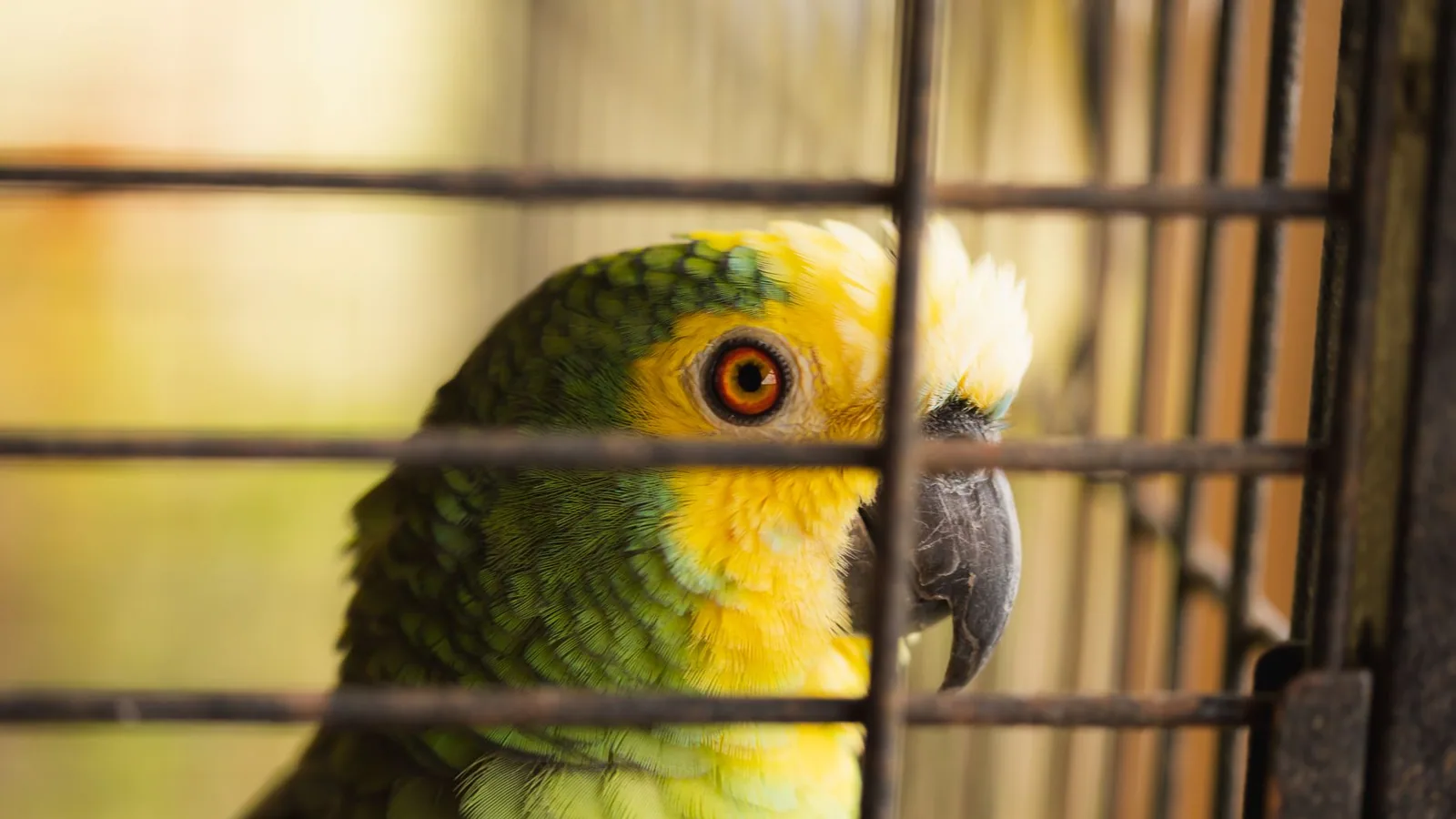
The sun conure (Aratinga solstitialis) is a medium-sized Neotropical parrot native to northeastern South America, renowned for its vibrant yellow, orange, and red plumage as well as its gregarious personality. As companion animals, these birds are cherished for their playful antics and strong pair-bond with owners, but they require a disciplined, evidence-based approach to husbandry. This pillar article integrates clinical guidelines from the Association of Avian Veterinarians (AAV) and the Merck Veterinary Manual to provide veterinary-grade recommendations on housing, nutrition, noise management, environmental enrichment, and preventive health care. The information herein applies to owners in the United States, Canada, the European Union, and Australia, with regional regulatory and veterinary resource variations noted where appropriate.
Key Takeaways
- Sun Conures (Aratinga solstitialis) are highly social, intelligent, and vocal companion parrots with an average lifespan of 20 to 30 years when provided proper husbandry.
- Dietary foundation requires a high-quality formulated pellet diet comprising 60%–70% of daily intake, supplemented with 20%–30% fresh vegetables (leafy greens, carrots, squash) and limited fruits/seeds to prevent hepatic lipidosis.
- Housing requires a spacious flight cage (minimum 24″ × 24″ × 36″ with ½″ to ⅝″ bar spacing) equipped with diverse natural branch perches of varying diameters to prevent bumblefoot (pododermatitis).
- CRITICAL TOXICITY WARNING: Airborne fumes from overheated polytetrafluoroethylene (PTFE / non-stick cookware/Teflon), aerosol sprays, scented candles, and self-cleaning ovens cause rapid, fatal pulmonary hemorrhage in birds.
- Provide at least 2 to 4 hours of daily out-of-cage supervised social enrichment and rotating foraging toys to prevent psychogenic feather plucking and behavioral screaming.
Quick Q&A
Question: What is the minimum cage size for a single sun conure, and what bar spacing is safest?
Answer: The minimum recommended cage size for one sun conure is 24 inches long x 24 inches wide x 36 inches tall (61 cm x 61 cm x 91 cm), with bar spacing of 5/8 inch (1.6 cm). Larger cages are preferred to accommodate flight and foraging enrichment. Bar spacing narrower than 3/4 inch (1.9 cm) helps prevent head entrapment and injury.
Housing and Cage Requirements
Minimum Dimensions and Spatial Needs
A sun conure's cage should be the largest possible within the owner's space and budget. The AAV's general husbandry guidelines recommend that the enclosure permits full wing extension, climbing, and short flights without tail feather contact with bars or perches. For a single bird, the absolute minimum interior dimensions are 24 x 24 x 36 inches (61 x 61 x 91 cm). European best practices, as referenced by the Federation of Veterinarians of Europe (FVE), emphasize that minimum dimensions should increase by at least 50% for each additional bird housed together.
Bar Spacing and Material Safety
Bar spacing should be 5/8 inch (1.6 cm) to 3/4 inch (1.9 cm). Spacing larger than 1 inch (2.5 cm) risks head entrapment and fractures of the beak or cervical vertebrae, a common emergency presentation in psittacine medicine [Merck Veterinary Manual]. Powder-coated steel or stainless steel are ideal; galvanized cages may pose a risk of zinc toxicosis if the bird chews exposed metal. In Australia, the DAFF (Department of Agriculture, Fisheries and Forestry) includes zinc warning advisories for imported cage materials.
Perch Types and Placement
Perches should be varied in diameter (range 1/2 inch to 1 inch, or 1.3 cm to 2.5 cm) and material to promote foot health. Natural wood branches (e.g., manzanita, eucalyptus, or Australian bottlebrush) are preferred over uniform dowels, which can predispose to pododermatitis (bumblefoot) and pressure sores [AAV]. Position perches away from food and water dishes to prevent faecal contamination, and avoid placing them directly above the cage floor.
Cage Location and Environmental Conditions
Place the cage in a room with daytime human activity but not in the kitchen. Nonstick cookware (polytetrafluoroethylene, PTFE) can release fumes lethal to parrots within minutes. The cage should be kept away from drafty windows and direct, unfiltered sunlight. Recommended ambient temperature range is 65-80°F (18-27°C), with humidity between 40-60%, which is consistent with the species' native savanna-forest transition zones.
Diet and Nutrition
Core Nutritional Requirements
Sun conures are granivorous-frugivorous by nature. However, in captivity, an all-seed diet is a leading cause of obesity, lipomas, and hepatic lipidosis [Merck Veterinary Manual]. A balanced pelleted diet should constitute 60-70% of daily intake. High-quality commercial pellets (e.g., Lafeber, Harrison's, or Zupreem Natural) are formulated to meet the specific vitamin, mineral, and protein needs of psittacines. The AAV advocates the use of "approximately 80% pellets and 20% fresh whole foods" for maintenance in adult conures.
Fresh Foods and Toxic Avoidance
Fresh vegetables should form 20-30% of the diet, including dark leafy greens (kale, Swiss chard, collard greens), beta-carotene rich vegetables (carrots, sweet potatoes, red bell peppers), and occasional fruit in small portions (berries, mango, papaya). The following foods are toxic to parrots and must never be offered:
- Avocado (persin toxin)
- Chocolate and caffeine (methylxanthines)
- Onions, garlic, and chives (thiosulfate)
- Apple seeds and fruit pits (cyanogenic glycosides)
- Rhubarb (oxalic acid)
- Alcohol and raw honey (botulism risk)
Vitamin and Mineral Supplementation
Sun conures require adequate calcium, vitamin A, and vitamin D3 for immunity and reproductive health. While most commercial pellets are fortified, birds on a seed-based diet should receive a veterinarian-recommended supplement. Grit (gravel) is not required for psittacines as they hull seeds and do not possess a crop that mechanically grinds food; its provision can lead to impaction and death [VCA Animal Hospitals].
Hydration
Clean, fresh water must be available at all times in a dish or sipper tube changed at least twice daily. In Australian and EU regions where Cryptosporidium and Giardia prevalence is higher in aviary birds, chlorinated tap water should be avoided; filtered or bottled water is recommended [DAFF].
Noise Level and Behavioural Considerations
Vocalisation Profile
Sun conures are among the loudest parrots relative to their body size. Their contact call can exceed 115 decibels, comparable to a power drill. This is an innate flock behaviour used for long-distance communication in the wild. Owners in apartment buildings or noise-sensitive environments should be aware that this species' vocalisation is not fully extinguishable through training. The CVMA (Canadian Veterinary Medical Association) and AAHA Wellness Guidelines note that appropriate socialisation and routine can reduce but not eliminate excessive screaming.
Strategies for Noise Management
- Predictable routine: Birds vocalise more when anxious or bored. Establishing consistent wake, feeding, and sleep times reduces stress-related noise.
- Sleep hygiene: A sun conure requires 10-12 hours of undisturbed, dark sleep each night. Inadequate sleep is the most common behavioural trigger for excessive screaming [AAV].
- Reinforcement of quiet behaviour: Use positive reinforcement training (clicker-based) to mark and reward quiet moments. Never yell at a screaming bird; this reinforces the behaviour.
- Environmental structure: Provide background white noise or calming music (especially classical) to buffer sudden household sounds.
Biting and Socialisation
Sun conures are beaked creatures that explore their world orally. Biting is often a response to fear, territoriality, or excitement. The AVA (Australian Veterinary Association) recommends "hands-off trust building" for the first week after adoption. Use step-up and step-down commands with a perch initially, and only progress to hand perching once the bird remains calm around the handler. Juvenile biting (under 6 months) is often exploratory; adult aggressive biting may indicate underlying health issues or pain.
Environmental Enrichment
Foraging and Cognitive Stimulation
Sun conures are highly intelligent and require daily foraging opportunities to prevent feather destructive behaviour (psychogenic feather picking) and self-mutilation. Foraging simulates natural food-searching behaviours. According to the Lafeber Company's clinical enrichment resources, "foraging should be considered a basic welfare necessity, not a luxury."
Practical foraging ideas:
- Simple: Hide millet spray inside rolled paper towels or cardboard tubes.
- Intermediate: Use puzzle feeders (e.g., foraging wheels, compartment boxes).
- Advanced: Place food inside a box nested with untreated wood shavings requiring excavation.
Rotate enrichment items every 3-5 days to maintain novelty. The AAV emphasizes that lack of enrichment is a direct risk factor for behavioural disease.
Out-of-Cage Time
A sun conure needs a minimum of 2-4 hours of supervised, out-of-cage time per day. The space should be "bird-proofed": windows and mirrors covered until the bird learns collision avoidance; electrical cords and toxic houseplants (e.g., peace lily, philodendron, pothos) removed. In Australia, native plants such as oleander and certain Acacia species are toxic to parrots and should not be present [DAFF].
Social Interaction
Sun conures are flock animals. Single birds require intensive daily interaction with their owners. Neglected birds often develop "screaming syndrome" or severe depression. If the owner is absent for more than 8 hours per day, a companion conure should be considered, but only after separate quarantine and a supervised introduction period of at least 30 days to prevent transmission of avian disease (e.g., psittacosis, beak and feather disease virus) [VCA Animal Hospitals].
Common Health Concerns
Psittacine Beak and Feather Disease (PBFD)
PBFD is a circovirus infection that causes feather loss, beak deformities, and immunosuppression. It is endemic in wild and captive parrot populations in Australia and has been reported in the US and Europe. There is no cure; supportive care and strict quarantine are the mainstays. All new birds should be tested for PBFD before introduction to an aviary [AAV Practice Guidelines].
Proventricular Dilatation Disease (PDD)
PDD (also known as avian ganglioneuritis) is a fatal neurologic and gastrointestinal disease caused by a bornavirus. Sun conures appear to be moderately susceptible. Clinical signs include undigested food in droppings, regurgitation, and progressive weight loss. Diagnosis is via crop biopsy or PCR of cloacal swabs. This disease has been identified in North American and European collections; biosecurity is critical [Merck Veterinary Manual].
Psittacosis (Chlamydiosis)
Chlamydia psittaci causes ocular discharge, respiratory distress, and lethargy. It is zoonotic, meaning transmission to humans is possible (causing flu-like illness). In the EU, notification of confirmed cases is mandatory in several member states under EFSA reporting protocols. Doxycycline is the treatment of choice; treatment duration is 45 days for sun conures [AAV].
Nutritional and Metabolic Disorders
- Hypovitaminosis A: A leading cause of sinusitis, conjunctival swelling, and pneumonia in seed-fed birds. Preventable with a pelleted diet plus beta-carotene vegetables.
- Obesity and Hepatic Lipidosis: Excessive fat stores, lethargy, and hepatomegaly. Diagnosis via abdominal palpation, plasma bile acid assays, and ultrasound. Treatment involves dietary conversion and controlled weight loss under veterinary supervision.
- Hypocalcemia: Particularly in birds fed all-seed diets. Tremors, seizures, and egg binding in hens. Use of calcium + vitamin D3 supplements is effective.
Foot and Skin Disease
- Pododermatitis (Bumblefoot): Pressure sores on the plantar surface of the foot. Causative factors include uniform perches, obesity, and poor perching substrate. Treatment ranges from topical antibiotic soaks to surgical debridement for Grades III-IV (deep bone involvement) [AAV].
- Feather Destructive Behaviour: Multifactorial. Therapy includes environmental enrichment, foraging, identification of allergenic or hypothyroid states, and in severe cases, pharmacotherapy (e.g., haloperidol or fluoxetine). A full medical workup is required before assuming a behavioural cause [Merck Veterinary Manual].
External Parasites
- Knematokoptes (Scaly Face Mite): Causes hyperkeratosis and crusting around the cere, beak, and vent. Ivermectin (systemic or topical) remains effective. Cases are more common in birds housed outdoors in Australia and the southern US [DAFF].
- Feather Lice and Mites: Less common in single indoor birds. Treat with veterinary-prescribed pyrethrin sprays; avoid over-the-counter products containing phenothrin, which can be toxic.
Veterinary Care Recommendations
Routine Health Examinations
An annual wellness exam by an avian veterinarian is mandatory. The examination should include body weight (in grams), choanal and cloacal swabs, faecal floatation (for parasite screening), and blood work (complete blood count, biochemistry panel). According to the AAHA Wellness Guidelines for Avian Species, "preventive care visits are essential for early detection of subclinical disease." European owners should note that the FVE recommends biannual check-ups for senescent birds (over 6 years).
Vaccination
Currently, no commercial vaccines are approved for PBFD, PDD, or psittacosis in psittacines. Vaccines for polyomavirus (budgie fledgling disease) are available in the US and Canada and may be considered for high-risk aviaries. Routine "core vaccines" as in dogs and cats do not exist in avian medicine [AAV].
Quarantine and Biosecurity
When introducing a new sun conure into a home with existing birds, a minimum quarantine of 30 days in a separate room with separate air supply and dedicated food dishes is recommended. A veterinary health certificate and negative PCR testing for PBFD and Chlamydia psittaci should be obtained before direct contact. This protocol aligns with the AVA and CVMA biosecurity guidelines.
Zoonotic Awareness
Sun conures can carry Chlamydia psittaci, Salmonella, Campylobacter, and Giardia, all of which are potentially zoonotic. Immunocompromised owners, pregnant women, and children under 5 years should avoid direct contact with bird droppings. Hand hygiene after handling the bird or its cage is mandatory [European Centre for Disease Prevention and Control (ECDC) consensus].
Lifetime Care Considerations
Sun conures have a median lifespan of 15 to 25 years in captivity with proper care, although specimens over 30 years have been documented [AAV]. Owners should plan for the bird's entire life, including provisions for retirement, relocation, or future caregiving. Long-term commitment includes annual veterinary budget of $200-600 (£150-£450, AUD $300-$900) in most regions, plus variable costs for cage replacement, enrichment items, and emergency care. Microchipping (using an ISO-compatible chip) is recommended for permanent identification should the bird escape.
Summary
Caring for a sun conure demands a dedicated, informed approach grounded in veterinary science. Meeting its physical (cage size, nutritional balance, preventive health), behavioural (enrichment, noise management, socialisation), and medical needs requires significant time and financial resources. By adhering to the standards of the AAV, Merck Veterinary Manual, and national veterinary bodies (AVMA, CVMA, AVA, FVE), owners can provide their sun conure with a life marked by health, vitality, and mutual enrichment.
Frequently Asked Questions
How can I tell if my sun conure is sick? Early signs include reduced vocalisation, fluffed feathers, closed or sunken eyes, sleeping on the cage floor, tail bobbing, or changes in droppings (e.g., polyuria, undigested seeds). Any of these warrant immediate veterinary evaluation (within 24 hours) given the species' tendency to mask illness until late stages.
Do sun conures need a bird bath? Yes. Misting with a spray bottle of lukewarm water 2-3 times per week or providing a shallow water dish for bathing supports feather condition and prevents dry skin. Never use soap or human shampoos.
Can sun conures learn to talk? While cockatiels and larger Greys are more accomplished talkers, some sun conures develop a small vocabulary of 5-10 words. They are better known for mimicking whistles, door chimes, and other environmental sounds than speech. The Merck Veterinary Manual notes that training sessions should be brief, patient, and reward-based.
Related Clinical & Scientific Guides
References
Association of Avian Veterinarians (AAV). Avian Care and Husbandry Guidelines for Pet Birds. aav.org (accessed 2024).
Merck Veterinary Manual. Pet Birds: Overview of Psittacine Medicine. merckvetmanual.com (accessed 2024).
VCA Animal Hospitals. Feeding Sun Conures. vcahospitals.com (accessed 2024).
Lafeber Company. Foraging and Environmental Enrichment for Parrots. lafeber.com (accessed 2024).
American Veterinary Medical Association (AVMA). Guidelines for Avian Welfare in Clinical Practice. avma.org (as cited by AAHA).
Australian Veterinary Association (AVA). Psittacine Biosecurity and Quarantine Recommendations. ava.com.au (accessed 2024).
Federation of Veterinarians of Europe (FVE). Minimum Standards for Exotic Pet Housing (Avian Section). fve.org (accessed 2024).
European Food Safety Authority (EFSA). Zoonoses and Avian Chlamydiosis: Monitoring and Reporting Protocols. efsa.europa.eu (accessed 2024).
Canadian Veterinary Medical Association (CVMA). Behavioural Wellness in Pet Parrots. canadianveterinarians.net (2023).
Department of Agriculture, Fisheries and Forestry (DAFF, Australia). Import Requirements for Avian Species and Cage Materials. agriculture.gov.au (accessed 2024).