Senegal Parrot Care Guide
By Dr. Zubair Khalid, DVM, MS, PhD ·
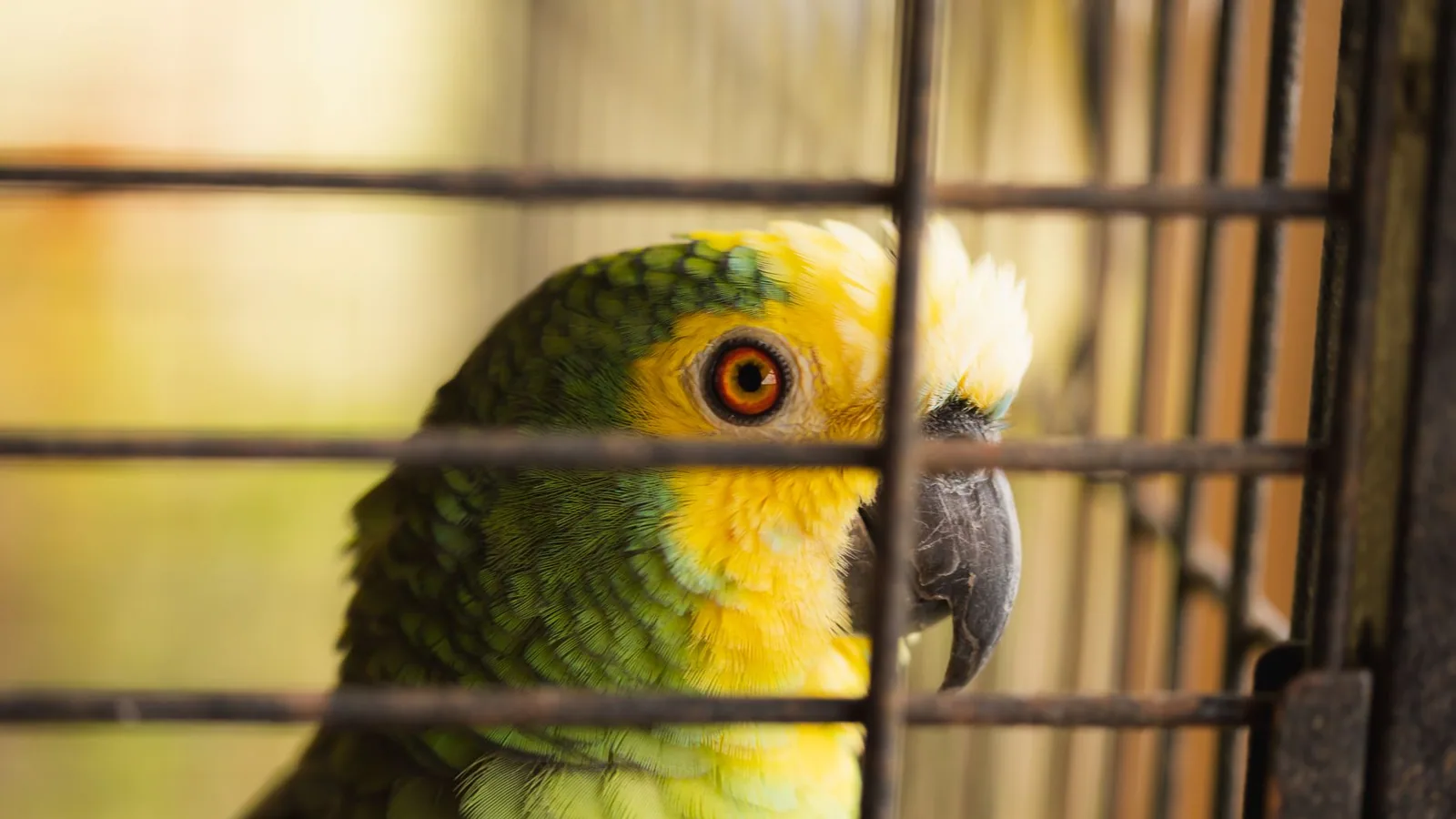
Key Takeaways
- Senegal parrots require a spacious cage, minimum 24x24x36 inches, with bar spacing no more than 3/4 inch to prevent escape or entrapment, and should be constructed from non-toxic materials like stainless steel to avoid heavy metal toxicity.
- A balanced diet should consist of 60-80% high-quality pelleted food, supplemented with 20-30% fresh vegetables and fruits, while strictly avoiding toxic items such as avocado, chocolate, and caffeine.
- Social interaction and environmental enrichment are critical, with a minimum of 2-3 hours of supervised out-of-cage time daily and a variety of bird-safe toys to prevent behavioral issues like feather plucking and screaming.
- Regular annual veterinary check-ups, including fecal analysis and physical examinations, are essential for early detection of common health problems such as obesity, hepatic lipidosis, and respiratory infections.
- Signs of illness in parrots, which are adept at masking sickness, include fluffed feathers, lethargy, changes in droppings, and labored breathing, necessitating immediate veterinary consultation.
The Senegal parrot (Poicephalus senegalus) is a popular companion bird known for its playful yet quieter temperament compared to larger parrots. Native to West Africa, these medium-sized parrots typically live 25 to 30 years in captivity with proper care. This comprehensive guide, written from a veterinary perspective, covers the essential aspects of Senegal parrot husbandry: cage requirements, nutrition, behaviour, enrichment, and health maintenance. Whether you are a first-time bird owner or an experienced aviculturist, following evidence-based guidelines from organizations such as the Association of Avian Veterinarians (AAV) and the Merck Veterinary Manual will help ensure your Senegal parrot thrives.
Quick Q&A
Question: Are Senegal parrots suitable for beginner bird owners? Answer: Senegal parrots can be good companions for dedicated first-time owners due to their quieter nature and manageable size. However, they require a species-appropriate diet, spacious cage, daily enrichment, and regular veterinary check-ups. Prospective owners should research thoroughly and consult an avian veterinarian before acquiring any parrot.
Housing and Cage Requirements
Providing a safe, spacious, and stimulating cage is fundamental to Senegal parrot welfare. The cage serves as the bird's primary living space and should meet minimum standards recommended by avian experts.
Minimum Cage Size and Bar Spacing
The Association of Avian Veterinarians (AAV) recommends that medium-sized parrots like the Senegal have a cage at least 24 inches wide, 24 inches deep, and 36 inches tall. Larger dimensions are always better, as they allow for flight and exercise. Bar spacing should be no more than 5/8 to 3/4 inch (1.6 to 1.9 cm) to prevent escape or head entrapment. Avoid cages with horizontal bars that encourage climbing only; vertical bars with some horizontal elements are ideal.
Cage Material and Safety
Stainless steel cages are the safest and most durable option, as they are non-toxic and easy to clean. Powder-coated cages can be acceptable if the coating is lead-free and intact. Avoid galvanized wire, which may contain zinc and lead to heavy metal toxicity. Ensure all welds are smooth and there are no sharp edges.
Cage Placement and Environmental Factors
Place the cage in a well-lit area away from drafts, direct sunlight, and sudden temperature changes. The ideal ambient temperature range is 65 to 80°F (18 to 27°C). Avoid placing the cage in the kitchen, where non-stick cookware fumes (PTFE/PFOA) can be lethal to birds. The cage should be at chest height or higher to give the parrot a sense of security.
Perches and Accessories
Provide perches of varying diameters (1/2 to 1 inch or 1.3 to 2.5 cm) made from natural wood (e.g., manzanita, java wood, or safe fruit tree branches). Rope perches can be used but must be monitored for fraying. Include at least two food bowls (stainless steel or ceramic) and a separate water bowl. A cuttlebone or mineral block provides calcium and helps trim beak growth.
Nutritional Requirements
A balanced diet is the cornerstone of health for Senegal parrots. Obesity, vitamin deficiencies, and metabolic disorders are common in captive parrots fed inappropriate diets.
Pelleted Diet as a Foundation
The Merck Veterinary Manual recommends that a high-quality, formulated pelleted diet should constitute 60 to 80% of a parrot's daily food intake. Pellets provide balanced nutrition and prevent selective eating. Introduce pellets gradually if the bird is accustomed to seeds. Avoid brands with artificial colours, sugars, or preservatives.
Fresh Foods and Treats
Fresh vegetables and fruits should make up 20 to 30% of the diet. Dark leafy greens (kale, collard greens, dandelion greens), carrots, bell peppers, broccoli, and squash are excellent choices. Fruits such as apples (without seeds), berries, and mango can be offered in moderation. Seeds and nuts (e.g., sunflower seeds, almonds) should be limited to treats, as they are high in fat and can lead to obesity.
Foods to Avoid
Never feed avocado, chocolate, caffeine, alcohol, rhubarb, or foods high in salt, sugar, or fat. Onions and garlic in large amounts can be toxic. Remove pits and seeds from fruits like apples and cherries, as they contain cyanogenic compounds.
Water and Supplements
Fresh, clean water must be available at all times. Change water at least once daily and clean the bowl thoroughly. Most parrots do not require vitamin supplements if fed a quality pelleted diet and a variety of fresh foods. However, calcium supplementation may be beneficial for breeding hens or birds with known deficiencies, under veterinary guidance.
Temperament and Behaviour
Senegal parrots are often described as having a quieter temperament compared to many larger parrots, but they are still intelligent, social birds that require significant interaction.
Quieter Nature and Vocalizations
While Senegal parrots can learn to mimic sounds and words, they are generally not as loud as Amazon or African grey parrots. Their vocalizations include whistles, chirps, and soft chatter. However, they can become noisy if bored or stressed. The AAV emphasizes that environmental enrichment and social interaction are key to preventing excessive vocalization.
Social Needs and Bonding
Senegal parrots form strong bonds with their primary caregivers. They thrive on daily interaction and can become depressed or develop behavioural issues if neglected. Aim for at least 2 to 3 hours of supervised out-of-cage time per day. These parrots can be territorial, especially during puberty (around 2 to 3 years of age). Consistent, positive reinforcement training helps manage nipping and aggression.
Potential Behavioural Issues
Feather plucking, screaming, and biting are common problems in parrots with inadequate enrichment or social stress. According to the VCA Animal Hospitals, identifying the underlying cause (medical, environmental, or behavioural) is essential. A veterinary behaviourist or avian veterinarian should be consulted if problems persist.
Environmental Enrichment
Enrichment is not optional; it is a biological necessity for captive parrots. Lack of stimulation leads to physical and psychological suffering.
Toys and Foraging
Provide a variety of toys made from bird-safe materials: wood, leather, acrylic, and rope. Rotate toys weekly to maintain novelty. Foraging toys that require the bird to work for food (e.g., shredding paper, opening puzzle boxes) mimic natural feeding behaviours and reduce boredom. The AAV recommends at least 3 to 5 toys in the cage at any time, with different textures and functions.
Out-of-Cage Time and Exercise
Daily out-of-cage time in a bird-proofed room is essential for flight, climbing, and social interaction. Supervise the bird at all times to prevent accidents (e.g., chewing electrical cords, ingesting toxic plants). A play stand or gym with perches, ladders, and toys can encourage physical activity.
Training and Mental Stimulation
Positive reinforcement training (target training, trick training) provides mental exercise and strengthens the human-bird bond. Short sessions (10 to 15 minutes) two to three times daily are ideal. Training also facilitates handling for veterinary examinations.
Health and Veterinary Care
Regular veterinary care is critical for early detection and management of diseases. Senegal parrots are generally hardy, but they are prone to several health issues.
Common Health Problems
- Obesity and Hepatic Lipidosis: Often caused by high-fat seed diets. Prevention through diet and exercise is key.
- Feather Destructive Behaviour (FDB): Multifactorial; requires medical and behavioural evaluation.
- Respiratory Infections: Bacterial, fungal (aspergillosis), or viral. Signs include sneezing, nasal discharge, tail bobbing.
- Psittacine Beak and Feather Disease (PBFD): A viral disease that causes feather loss and beak abnormalities. More prevalent in Australia and parts of Europe.
- Heavy Metal Toxicity: From ingesting zinc or lead (e.g., from cage materials, toys). Symptoms include depression, regurgitation, and seizures.
- Egg Binding: Common in female parrots, especially if calcium deficient or overbred.
Preventative Care
Schedule an initial veterinary examination within the first week of acquisition, then annually (or biannually for seniors). The AVMA recommends that all pet birds receive a wellness exam including weight check, physical examination, faecal analysis, and blood work as needed. Vaccination for PBFD is available in some regions (e.g., Australia) and should be discussed with a local avian vet.
Signs of Illness
Birds instinctively hide illness. Seek veterinary attention if you notice any of the following: decreased appetite, fluffed feathers, lethargy, changes in droppings (colour, consistency, or volume), laboured breathing, sudden behaviour changes, or lameness. A sick bird should be kept warm and quiet during transport to the clinic.
Regional Considerations
Care practices may vary depending on geographic location due to differences in climate, disease prevalence, and regulations.
North America (United States and Canada)
In the US and Canada, avian veterinarians are board-certified through the American Board of Veterinary Practitioners (ABVP) or the American College of Zoological Medicine (ACZM). The AAHA does not have specific bird accreditation, but many AAHA-accredited hospitals offer avian services. Import regulations require a health certificate and sometimes quarantine for birds entering from other countries. In Canada, the CFIA regulates import of pet birds to prevent exotic diseases.
Europe
The European Union has strict regulations on the trade of pet birds under the EU Animal Health Law. CITES permits are required for certain species, though Poicephalus senegalus is not currently listed in Appendix I. The Federation of Veterinarians of Europe (FVE) supports the use of the European College of Avian Medicine and Surgery (ECAMS) for specialist referral. In the UK, the Animal and Plant Health Agency (APHA) oversees bird imports.
Australia
Australia has unique challenges due to its isolation and strict biosecurity laws. The Department of Agriculture, Fisheries and Forestry (DAFF) requires a permit and quarantine for imported birds. Psittacine beak and feather disease (PBFD) is endemic in wild and captive populations; vaccination is available and recommended by the AVA. Owners should also be aware of the risk of avian influenza and Newcastle disease.
Conclusion
Senegal parrots make rewarding companions when their complex needs are met. A species-appropriate cage, a balanced pelleted diet supplemented with fresh foods, daily enrichment and social interaction, and regular veterinary care are non-negotiable pillars of responsible ownership. By following the guidelines of the AAV, Merck Veterinary Manual, and other authoritative sources, owners can help their Senegal parrot live a long, healthy, and happy life. Always consult a qualified avian veterinarian for individual advice tailored to your bird's health and environment.
Related Articles
Related Clinical & Scientific Guides
References
Association of Avian Veterinarians. (2020). Avian Care Standards: Husbandry and Preventive Medicine for Companion Birds. AAV Publications.
Merck Veterinary Manual. (2023). Pet Birds: Management and Nutrition. Retrieved from merckvetmanual.com.
VCA Animal Hospitals. (2022). Parrot Care: Behaviour, Enrichment, and Health. vcahospitals.com.
Lafeber Company. (2021). Avian Nutrition and Enrichment Resources. lafeber.com.
American Veterinary Medical Association. (2019). AVMA Guidelines for Pet Bird Wellness Examinations. avma.org.
Australian Veterinary Association. (2020). Psittacine Beak and Feather Disease: Clinical Management and Vaccination. ava.com.au.