Quaker Parrot Care Guide
By Dr. Zubair Khalid, DVM, MS, PhD ·
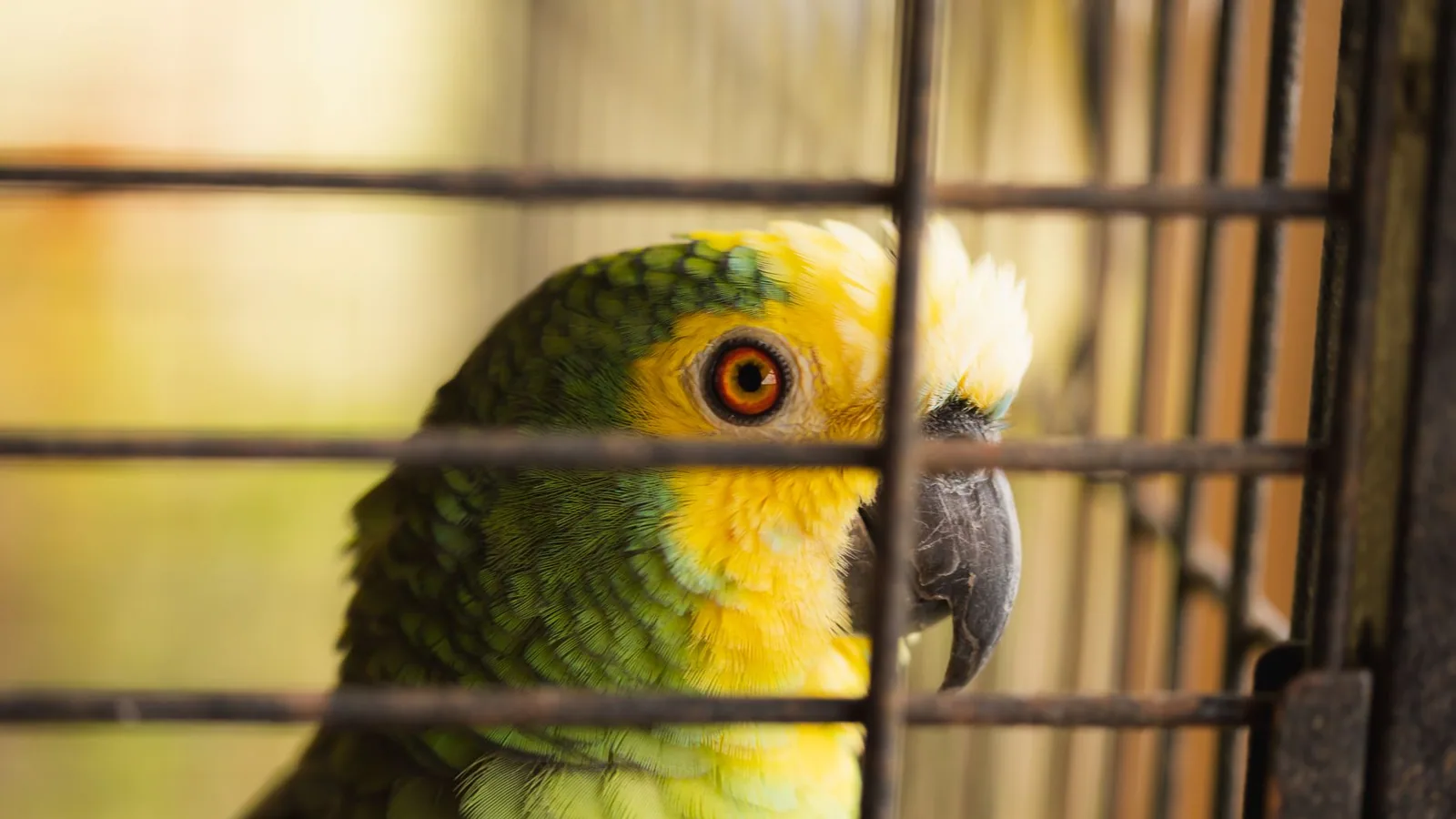
Key Takeaways
- Quaker parrots require a minimum cage size of 24x24x36 inches constructed from powder-coated steel or stainless steel with bar spacing no greater than 5/8 inch to prevent zinc toxicity and escape.
- A balanced diet should consist of 70-80% high-quality formulated pellets, supplemented daily with a variety of fresh vegetables and fruits, avoiding avocado, chocolate, and caffeine.
- Natural wood perches of varying diameters (1/2 to 1 inch) and destructible toys are crucial for enrichment, preventing pododermatitis and satisfying their strong chewing and nest-building instincts.
- Legality of ownership varies significantly by region; Quaker parrots are prohibited in several US states (e.g., California, Colorado, Hawaii) and restricted in parts of Canada and the EU due to invasive species concerns.
- Annual veterinary wellness exams, including physical examination and fecal testing, are essential for early detection of common health issues such as respiratory infections, gastrointestinal disturbances, and obesity.
- Signs of illness include fluffed feathers, lethargy, changes in droppings, and laboured breathing, necessitating immediate consultation with an avian veterinarian due to birds' tendency to mask sickness.
The Quaker parrot (Myiopsitta monachus), also known as the monk parakeet, is a highly intelligent, social, and long-lived companion bird native to South America. While their playful personalities and remarkable talking ability make them appealing pets, Quakers require specialized care that differs significantly from other parrots. This pillar article provides an evidence-based, veterinary-directed guide covering cage requirements, nutrition, behavior, health, and the complex legal landscape surrounding this species. Whether you are a first-time bird owner or an experienced avian enthusiast, following these guidelines will help ensure your Quaker thrives.
Quick Q&A
Question: Are Quaker parrots legal to own in my area? Answer: Legality varies widely. Quaker parrots are legal in most US states but are prohibited in California, Colorado, Kentucky, Hawaii, Pennsylvania, Rhode Island, Tennessee, and Wyoming, and some Canadian provinces require permits. Always check local wildlife and agricultural regulations before acquiring a Quaker.
Cage Requirements
Providing an appropriate enclosure is fundamental to Quaker parrot welfare. These birds are active, curious, and need space to climb, play, and exercise.
Minimum Cage Dimensions
According to the Association of Avian Veterinarians (AAV) and the Merck Veterinary Manual, the minimum recommended cage size for a single Quaker parrot is 24 inches wide, 24 inches deep, and 36 inches tall. However, larger is always better. Quakers are adept chewers and can escape poorly constructed cages, so choose a cage made of powder-coated steel or stainless steel with bar spacing no greater than 5/8 inch (1.6 cm). Avoid galvanized wire, as zinc toxicity is a serious risk.
Cage Placement
Place the cage in a well-lit, draft-free area away from direct sunlight, kitchen fumes (especially non-stick cookware off-gassing), and sudden temperature changes. Quakers are social and should be positioned where they can interact with family members without being in the center of high-traffic zones. The cage should be at eye level or slightly lower to promote a sense of security.
Enrichment and Accessories
- Perches: Provide multiple perches of varying diameters (1/2 to 1 inch) made from natural, untreated wood (e.g., manzanita, java wood, or eucalyptus). Avoid sandpaper perches, which can cause pododermatitis (bumblefoot).
- Toys: Quakers are prolific chewers and need destructible toys (paper, cardboard, untreated wood, palm leaves). Rotate toys weekly to prevent boredom. Foraging toys that hide food encourage natural problem-solving behaviors.
- Food and Water Bowls: Use stainless steel bowls placed away from perches to prevent contamination. Provide fresh water daily and clean bowls with hot, soapy water.
- Cage Liners: Use newspaper, paper towels, or unprinted paper. Avoid cedar or pine shavings, as aromatic oils can cause respiratory irritation.
Diet and Nutrition
A balanced diet is the cornerstone of avian health. The Merck Veterinary Manual emphasizes that seed-only diets are deficient in essential vitamins and minerals, leading to obesity, fatty liver disease, and hypovitaminosis A.
Pelleted Diet as a Base
Feed a high-quality, formulated pelleted diet (e.g., Harrison's, Roudybush, or Lafeber) as the primary food source. Pellets should constitute approximately 70-80% of the daily intake. Pellets provide consistent nutrition and prevent selective feeding.
Fresh Foods
Offer a variety of fresh vegetables and fruits daily. Dark leafy greens (kale, collard greens, Swiss chard), orange vegetables (carrots, sweet potatoes), and bell peppers are excellent choices. Fruits such as apples (without seeds), berries, and melon can be given in moderation. Avoid avocado, chocolate, caffeine, alcohol, and high-sugar or high-fat human foods.
Protein and Calcium
Quakers benefit from small amounts of cooked egg (including crushed eggshell for calcium), well-cooked legumes, or commercial bird-safe protein sources. Cuttlebone or a mineral block should be available at all times. For breeding or egg-laying females, additional calcium supplementation may be necessary under veterinary guidance.
Water
Fresh, clean water must be available at all times. Change water at least twice daily. Some birds prefer to bathe in their water bowl, so a separate bathing dish or gentle misting can encourage hygiene and prevent feather dust buildup.
Behavior and Socialization
Quaker parrots are known for their exceptional intelligence, strong pair bonds, and complex social structures. Understanding their natural behaviors is essential for preventing common behavioral problems.
Vocalization and Talking
Quakers are among the best talking parrot species. They can learn a large vocabulary and often mimic household sounds. However, they can also be loud. The VCA Animal Hospitals advise that Quakers may scream for attention, boredom, or fear. Consistent training and environmental enrichment can reduce excessive noise.
Chewing and Nest Building
In the wild, Quakers build large communal nests of sticks. This instinct remains strong in captivity. Provide plenty of safe chewable materials (willow branches, untreated pine, cardboard) to satisfy this drive. Without appropriate outlets, Quakers may chew on electrical cords, furniture, or cage bars.
Handling and Training
Quakers are generally friendly but can become nippy if not handled properly. Use positive reinforcement training (target training, clicker training) to build trust. Avoid punishing the bird, as it can lead to fear and aggression. The AVA (Australian Veterinary Association) recommends early socialization with multiple family members to prevent one-person bonding.
Potential Behavioral Issues
- Feather Destructive Behavior (FDB): Often caused by boredom, stress, or medical conditions (e.g., psittacine beak and feather disease, giardiasis). A thorough veterinary workup is needed if feather plucking occurs.
- Territorial Aggression: Quakers may become protective of their cage or favored person. Respect their space and use step-up commands consistently.
- Hormonal Behavior: During breeding season, Quakers may become more vocal, aggressive, or engage in regurgitation. Limit access to dark, enclosed spaces and avoid petting below the neck.
Legality Notes
The Quaker parrot is one of the most regulated companion parrot species due to concerns about agricultural damage and feral populations.
United States
Quaker parrots are legal in most states, but several states prohibit ownership because of the bird's ability to survive and breed in temperate climates, potentially damaging crops and native bird nests. As of 2025, the following states prohibit or restrict Quaker parrot ownership:
- Prohibited: California, Colorado, Connecticut, Hawaii, Kentucky, Pennsylvania, Rhode Island, Tennessee, Wyoming.
- Restricted: Some states require permits, microchipping, or sterilization. Always consult your state's Department of Agriculture or Fish and Wildlife agency.
Canada
In Canada, Quaker parrots are legal but may require a permit from the Canadian Food Inspection Agency (CFIA) under the Health of Animals Regulations. Some provinces, such as British Columbia, have additional restrictions. The CVMA advises checking municipal bylaws.
Europe
Within the European Union, Quaker parrots are listed under the European Food Safety Authority (EFSA) as an invasive alien species of Union concern. Trade, breeding, and keeping are restricted in many member states. Owners must obtain permits, and new imports are banned. The FVE (Federation of Veterinarians of Europe) strongly recommends checking national legislation.
Australia
Quaker parrots are prohibited in Australia under the Environment Protection and Biodiversity Conservation Act 1999. The Australian Veterinary Association (AVA) and DAFF (Department of Agriculture, Fisheries and Forestry) consider them a biosecurity risk. No private ownership is permitted.
Health and Veterinary Care
Regular veterinary checkups are vital for early detection of disease. The AAV recommends annual wellness exams for all parrots, including physical examination, fecal testing, and blood work.
Common Health Problems
- Respiratory Infections: Quakers are sensitive to airborne toxins (Teflon fumes, cigarette smoke, aerosol sprays). Signs include sneezing, nasal discharge, and tail bobbing. Aspergillosis is a fungal infection seen in birds with poor ventilation or immunosuppression.
- Gastrointestinal Issues: Diarrhoea (or diarrhea) can result from bacterial overgrowth (e.g., E. coli, Salmonella), parasites (Giardia), or dietary indiscretion. Crop stasis (slow crop emptying) is an emergency.
- Obesity and Fatty Liver Disease: Common in seed-fed birds. A pelleted diet and regular exercise (flight, climbing) are preventive.
- Psittacine Beak and Feather Disease (PBFD): A viral disease causing feather loss, beak deformities, and immunosuppression. No cure; supportive care is the mainstay.
- Bumblefoot (Pododermatitis): Pressure sores on the feet from improper perches or obesity. Treatment includes antibiotics, padding, and perch modification.
Signs of a Sick Quaker
- Fluffed feathers, sitting on the bottom of the cage
- Decreased appetite or weight loss
- Changes in droppings (colour, consistency, frequency)
- Laboured breathing or tail bobbing
- Regurgitation or vomiting
- Lethargy or reduced vocalization
If any of these signs appear, consult an avian veterinarian immediately. Birds hide illness until late stages, so prompt action is critical.
Emergency Preparedness
Have an avian first aid kit and know the location of the nearest 24-hour veterinary hospital that treats birds. For owners in Europe, the FVE provides guidelines on emergency care. In Canada, the CVMA maintains a directory of avian vets.
Conclusion
Caring for a Quaker parrot requires commitment to proper housing, nutrition, socialization, and preventive health care. Their intelligence and strong personalities make them rewarding companions, but potential owners must be aware of legal restrictions and the bird's long lifespan (20-30 years). By following the evidence-based recommendations from veterinary organizations such as the AAV, Merck Veterinary Manual, and VCA Animal Hospitals, you can provide a fulfilling life for your Quaker parrot. Always consult a qualified avian veterinarian for individualised advice.
Related Articles
Related Clinical & Scientific Guides
References
Association of Avian Veterinarians. Avian Care Guidelines. AAV.org, 2023. Merck Veterinary Manual. Pet Birds: Management and Nutrition. merckvetmanual.com, 2024. VCA Animal Hospitals. Quaker Parrot (Monk Parakeet) Care. vcahospitals.com, 2023. Lafeber Company. Nutrition for Quaker Parrots. lafeber.com, 2022. American Veterinary Medical Association. Pet Bird Ownership. avma.org, 2024. Canadian Veterinary Medical Association. Exotic Pet Care. canadianveterinarians.net, 2023. European Food Safety Authority. Invasive Alien Species of Union Concern. efsa.europa.eu, 2022. Federation of Veterinarians of Europe. Keeping of Exotic Pets. fve.org, 2023. Australian Veterinary Association. Biosecurity and Exotic Birds. ava.com.au, 2024. Department of Agriculture, Fisheries and Forestry (Australia). Live Animal Imports. agriculture.gov.au, 2024.