Pionus Parrot Care Guide
By Dr. Zubair Khalid, DVM, MS, PhD ·
Key Takeaways
- Pionus parrots require a spacious cage (minimum 36"x36"x36") with bar spacing of 3/4 to 1 inch, constructed from non-toxic materials like stainless steel to prevent heavy metal toxicosis from chewing.
- A balanced diet should consist of 60-70% high-quality formulated pellets, supplemented with 30% vegetables and 10% fruits, while avoiding high-fat seeds, avocado, chocolate, and caffeine.
- Feather destructive behaviour (FDB) is a common issue, often linked to boredom or stress, necessitating environmental enrichment with diverse perching options and foraging toys, and a veterinary workup to rule out underlying medical conditions like giardiasis or hypothyroidism.
- Preventative veterinary care is crucial, including annual physical examinations, CBC, biochemistry panels, and fecal Gram stains/cultures, alongside annual Chlamydia PCR testing to detect this zoonotic pathogen.
- Pionus parrots are susceptible to respiratory infections like Aspergillosis, heavy metal toxicosis (lead/zinc), and obesity/hepatic lipidosis, all of which can be mitigated through appropriate husbandry and prompt veterinary intervention.
- Zoonotic transmission of Chlamydia psittaci (Psittacosis) is a significant concern, requiring strict hygiene practices such as handwashing after handling birds or cleaning enclosures.
The Pionus parrot (genus Pionus) is a medium-sized New World parrot prized in aviculture for its gentle, calm demeanour and striking plumage. Unlike the more demanding Amazon or Macaw, the Pionus is often recommended for owners seeking a quieter, less nippy companion. However, "easier" does not mean "low maintenance." These birds require a species-specific approach to husbandry, nutrition, and preventative veterinary medicine to thrive. This guide provides a clinical, evidence-based framework for Pionus care, drawing on guidelines from the Association of Avian Veterinarians (AAV) and the Merck Veterinary Manual.
Quick Q&A
Question: What is the most important factor in preventing feather destructive behaviour in a Pionus parrot? Answer: The most critical factor is providing a large, enriching cage environment with multiple perching options and foraging opportunities. Pionus parrots are prone to feather picking when bored or stressed, and environmental enrichment is the first line of defence recommended by avian behaviourists.
Understanding the Pionus Parrot
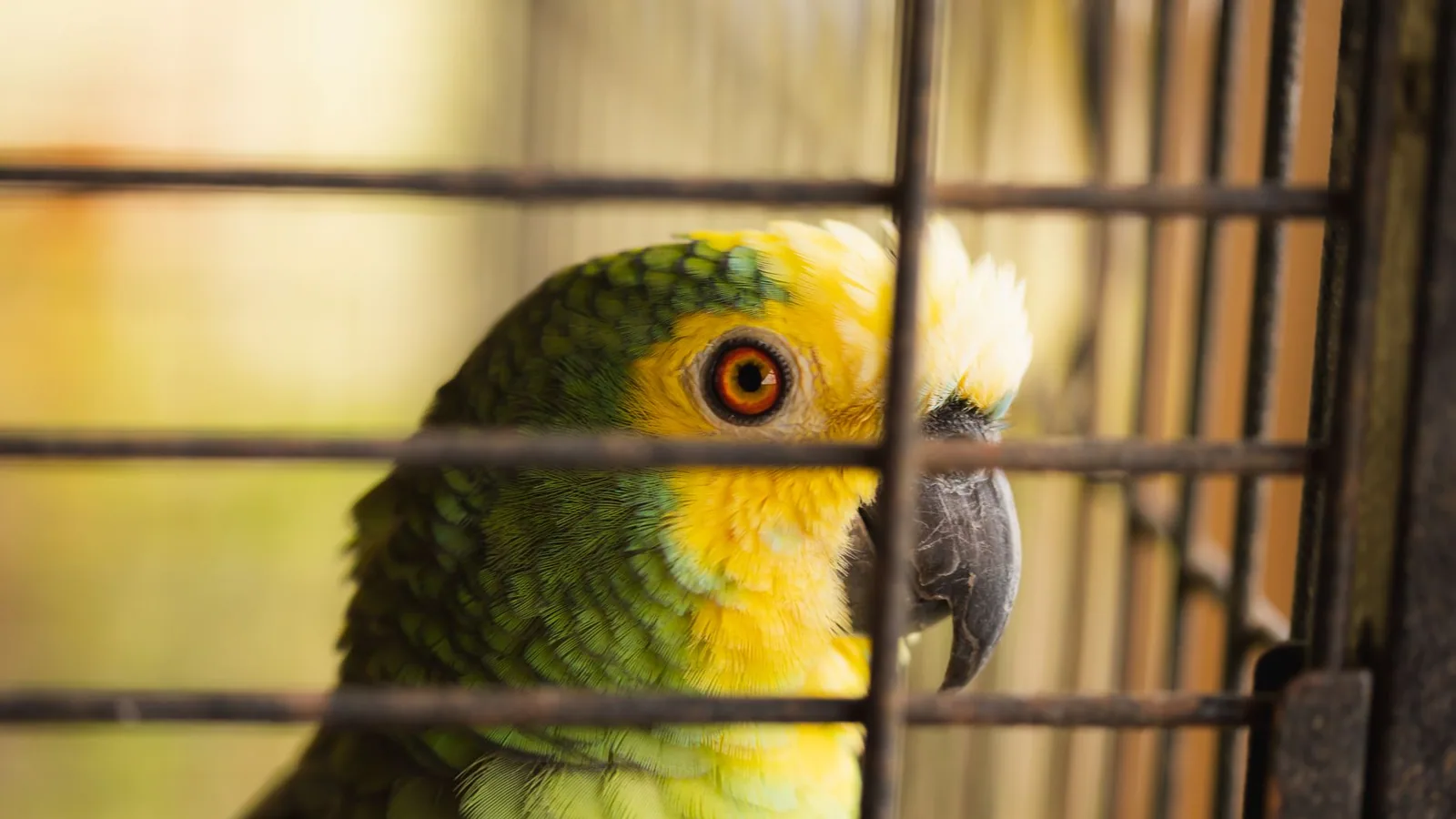
The genus Pionus includes several species commonly kept as pets, such as the Blue-headed Pionus (Pionus menstruus), Maximilian's Pionus (Pionus maximiliani), and the White-capped Pionus (Pionus senilis). These birds are native to Central and South America. They are stockier than Amazons, with a short, square tail and a characteristic musky odour that is not unpleasant to most owners. Their average lifespan in captivity is 25 to 40 years, making them a long-term commitment.
Cage Requirements: Space, Safety, and Enrichment
A proper cage is the cornerstone of Pionus health. The AAV recommends that the cage be the largest possible for the available space, with a minimum dimension of 36 inches (91 cm) in width, depth, and height for a single bird. Bar spacing should be 3/4 to 1 inch (1.9 to 2.5 cm) to prevent head entrapment.
Cage Construction and Materials
- Material: Stainless steel is the gold standard. It is non-toxic, easy to sanitize, and resistant to chewing. Powder-coated cages are acceptable but must be inspected regularly for chipping, which can lead to heavy metal ingestion (zinc or lead toxicosis).
- Shape: Rectangular cages are preferred over round cages. Round cages lack corners, which can cause psychological stress as birds cannot retreat to a safe corner. They also do not accommodate linear flight paths.
- Placement: Place the cage in a well-lit, draft-free area at eye level. Avoid kitchens due to Teflon (PTFE) off-gassing, which is lethal to birds. Also avoid direct sunlight without a shaded retreat.
Perches and Substrate
- Perches: Provide a variety of diameters (1/2 to 1.5 inches or 1.3 to 3.8 cm) using natural wood branches (manzanita, eucalyptus, or safe fruit woods). Avoid sandpaper perches, which cause pododermatitis (bumblefoot). Include a flat platform perch for resting.
- Substrate: Use paper-based bedding (newspaper, butcher paper) or corncob pellets. Avoid cedar or pine shavings, as aromatic oils can cause respiratory irritation. Change substrate daily to prevent bacterial and fungal growth.
Enrichment and Foraging
Pionus parrots are intelligent and require mental stimulation. The Merck Veterinary Manual emphasizes that environmental enrichment is essential for preventing behavioural disorders. Provide:
- Foraging toys: Hide treats in paper cups, puzzle boxes, or commercial foraging wheels.
- Chewable items: Untreated wood blocks, pine cones, and vegetable-tanned leather strips.
- Rotating toy selection: Change toys weekly to maintain novelty.
Diet and Nutrition: A Clinical Approach
Nutritional deficiencies are a leading cause of morbidity in captive psittacines. The Pionus parrot has a slightly lower metabolic rate than smaller parrots, making them prone to obesity if overfed high-fat seeds. The AAV and Lafeber Company recommend a pelleted diet as the foundation.
The Pelleted Base
A high-quality, formulated pellet (e.g., Harrison's, Roudybush, or Zupreem Natural) should constitute 60 to 70% of the daily diet. Pellets provide balanced vitamins and minerals, preventing common deficiencies such as hypovitaminosis A (which causes squamous metaplasia of the respiratory tract) and calcium deficiency (leading to egg binding in females).
Fresh Foods: Vegetables, Fruits, and Proteins
- Vegetables (30% of diet): Dark leafy greens (kale, collard greens, dandelion greens), orange vegetables (carrots, sweet potatoes, squash), and cruciferous vegetables (broccoli, cauliflower). Avoid avocado, which is cardiotoxic to birds.
- Fruits (10% of diet): Berries, apples (without seeds), mango, and papaya. Limit high-sugar fruits like grapes and bananas.
- Proteins: Offer cooked legumes (lentils, chickpeas), quinoa, or a small amount of hard-boiled egg (with shell) once weekly. In the wild, Pionus parrots consume insects and larvae; a small amount of insect-based protein (e.g., dried mealworms) can be beneficial.
Foods to Avoid
- Chocolate, caffeine, and alcohol: These are neurotoxic.
- High-fat seeds: Sunflower and safflower seeds should be reserved for training treats only (less than 5% of diet).
- Dairy: Most birds are lactose intolerant. Small amounts of plain yogurt may be tolerated, but it is not necessary.
- Human processed foods: Salt, sugar, and preservatives are harmful.
Water and Grit
- Water: Provide fresh, clean water in a stainless steel bowl changed twice daily. Use a water bottle as a supplement, not a replacement, as many birds do not drink adequately from bottles.
- Grit: Do not provide grit. Pionus parrots hull their seeds and do not require grit for digestion. Grit can cause impaction if overconsumed.
The Calm Temperament: Behavioural Health
The Pionus parrot is renowned for its calm, steady temperament. They are less prone to the dramatic mood swings of Amazons or the high-strung energy of Cockatoos. However, they are not "easy" birds; they require consistent, gentle handling.
Socialization and Bonding
Pionus parrots form strong pair bonds with their owners. They can become "one-person birds" if not socialized early. The AAV recommends that all family members participate in feeding and handling to prevent territorial aggression. Hand-fed babies are typically weaned at 10 to 12 weeks and should be exposed to a variety of people, sounds, and environments during the first year.
Common Behavioural Issues
- Feather Destructive Behaviour (FDB): This is the most common behavioural problem in Pionus parrots. Causes include boredom, lack of foraging opportunities, low humidity, and underlying medical conditions (e.g., giardiasis, hypothyroidism). A veterinary workup is essential before assuming a behavioural cause.
- Biting: Pionus parrots are generally not biters, but they may bite if frightened or if their body language is ignored. Warning signs include pinned eyes, raised nape feathers, and tail fanning. Respect these signals.
- Noise: Pionus parrots are quieter than many parrots, but they do vocalize. They have a distinctive, low-pitched squawk and may mimic sounds. Excessive screaming often indicates boredom or illness.
Handling and Training
Use positive reinforcement (target training with a clicker) rather than punishment. Pionus parrots respond well to gentle, consistent routines. Avoid "flooding" (forcing a bird to accept handling), which can cause long-term fear. Wing clipping should be discussed with an avian veterinarian; it is not mandatory but can aid in training and safety during the initial bonding period.
Health and Preventative Medicine
Pionus parrots are generally hardy, but they are susceptible to several species-specific conditions. Regular veterinary checkups (at least annually) are critical. The AVMA and AAHA recommend that all pet birds have a baseline physical examination, complete blood count (CBC), and plasma biochemistry panel.
Common Medical Conditions
1. Respiratory Disease
Pionus parrots are sensitive to airborne irritants. Aspergillosis, a fungal infection caused by Aspergillus spp., is a particular risk. Clinical signs include dyspnoea (open-mouth breathing), tail bobbing, and voice change. Diagnosis requires radiography, endoscopy, or serology. Treatment involves antifungal therapy (itraconazole or voriconazole) and supportive care.
2. Heavy Metal Toxicosis
Due to their strong beaks, Pionus parrots are prone to chewing on cage bars, toys, or household items containing lead or zinc. Clinical signs include depression, regurgitation, polyuria/polydipsia, and seizures. Diagnosis is via blood lead or zinc levels. Treatment includes chelation therapy (calcium EDTA) and supportive care.
3. Chlamydiosis (Psittacosis)
Caused by Chlamydia psittaci, this zoonotic disease can cause conjunctivitis, sinusitis, diarrhoea (or diarrhoea in UK spelling), and lethargy in birds. In humans, it causes flu-like symptoms. The CVMA and CFIA mandate reporting in some regions. Diagnosis is via PCR testing of choanal or cloacal swabs. Treatment is with doxycycline for 45 days.
4. Obesity and Hepatic Lipidosis
A diet high in seeds and low in vegetables leads to obesity and fatty liver disease. Clinical signs include a distended abdomen, dyspnoea, and sudden death. Prevention is dietary. Treatment involves a strict pelleted diet, gradual weight loss (no more than 1-2% body weight per week), and veterinary monitoring.
5. Egg Binding (Dystocia)
Female Pionus parrots can become egg-bound, especially if calcium deficient or if the egg is oversized. Clinical signs include straining, depression, and a swollen vent. This is a medical emergency requiring immediate veterinary intervention (calcium gluconate, oxytocin, or manual extraction).
Preventative Care Schedule
| Age/Frequency | Procedure |
|---|---|
| Annual | Physical exam, CBC, biochemistry, faecal Gram stain and culture, Chlamydia PCR |
| Every 2 years | Radiographs (to assess body condition and organ size) |
| As needed | Blood lead/zinc levels (if chewing behaviour observed) |
| Lifelong | Daily weight monitoring (use a gram scale) |
Zoonotic Considerations
Psittacosis is the primary zoonotic concern. Owners should practice good hygiene: wash hands after handling the bird or cleaning the cage. Immunocompromised individuals should consult their physician. In Australia, the DAFF has strict import regulations for psittacines to prevent the introduction of exotic diseases.
Regional Considerations
- North America (US and Canada): Ensure the cage is placed away from heating vents and air conditioners. Winter humidity can drop below 30%, which is detrimental to respiratory health. Use a humidifier to maintain 40-60% humidity.
- Europe (EU): The FVE and EFSA emphasize the importance of biosecurity. If you travel with your bird, ensure it is microchipped and has a valid pet passport. Quarantine new birds for 30-45 days.
- Australia: Pionus parrots are not native and require permits for importation. The AVA recommends that all captive birds be housed in mosquito-proof aviaries to prevent the spread of avian malaria and beak and feather disease virus (BFDV).
Conclusion
The Pionus parrot is a rewarding companion for the dedicated owner. Success lies in understanding their unique needs: a spacious, enriching cage; a balanced, pelleted diet; gentle, consistent handling; and proactive veterinary care. By adhering to the guidelines set forth by the AAV, Merck Veterinary Manual, and other authoritative bodies, you can ensure your Pionus lives a long, healthy, and happy life. Always consult a board-certified avian veterinarian for any health concerns.
Related Clinical & Scientific Guides
References
Association of Avian Veterinarians (AAV). "Basic Care Standards for Pet Birds." aav.org, 2023. Merck Veterinary Manual. "Pet Birds: Management and Nutrition." merckvetmanual.com, 2024. VCA Animal Hospitals. "Pionus Parrots: Care and Feeding." vcahospitals.com, 2023. Lafeber Company. "Pionus Parrot Nutrition." lafeber.com, 2022. American Veterinary Medical Association (AVMA). "Pet Bird Care Guidelines." avma.org, 2023. Canadian Veterinary Medical Association (CVMA). "Psittacosis: A Zoonotic Disease." canadianveterinarians.net, 2022. Federation of Veterinarians of Europe (FVE). "Biosecurity in Avian Practice." fve.org, 2021. Australian Veterinary Association (AVA). "Guidelines for Keeping Parrots in Australia." ava.com.au, 2023. Harrison, G.J., and Lightfoot, T.L. Clinical Avian Medicine. Spix Publishing, 2006. Tully, T.N., and Dorrestein, G.M. Handbook of Avian Medicine. Elsevier, 2009.