Green-Cheek Conure Care Guide
By Dr. Zubair Khalid, DVM, MS, PhD ·
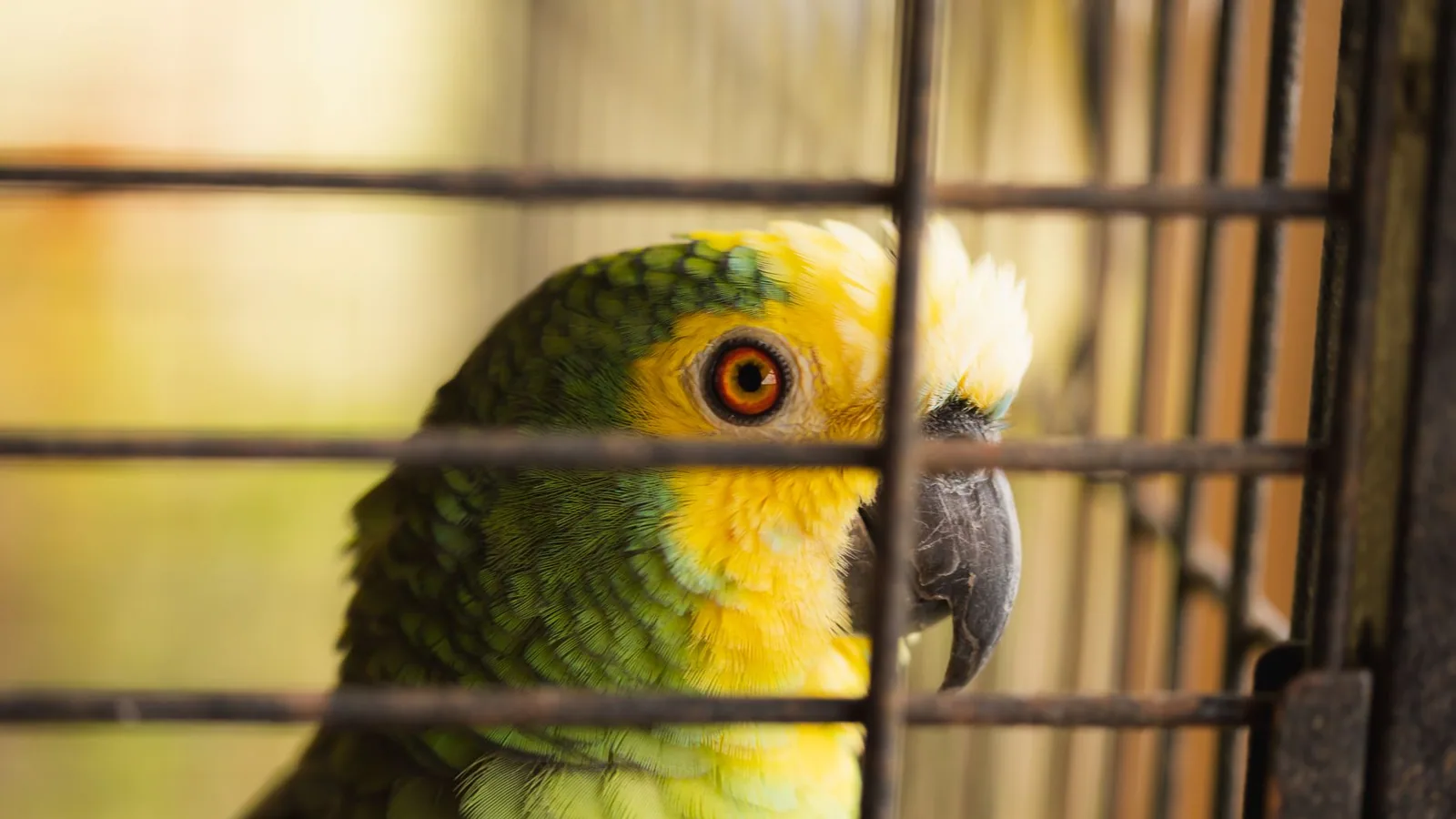
Key Takeaways
- Housing: Minimum cage dimensions of 24x24x24 inches with ½ to 5/8 inch bar spacing are recommended to prevent entrapment. Stainless steel is the preferred, non-toxic bar material, and perches should be natural wood of varying diameters (½-1½ inches) to prevent pododermatitis.
- Dietary Foundation: A high-quality pellet diet should constitute 70-80% of intake, supplemented with 15-20% fresh produce; seed-based diets are contraindicated due to risks of obesity and nutritional deficiencies. Toxic foods such as avocado, chocolate, and fruit pits must be strictly avoided.
- Environmental & Social Needs: Conures require a minimum of 2-4 hours of supervised out-of-cage time daily for social interaction and mental stimulation, as they are flock animals prone to separation anxiety and self-mutilation if isolated. Adequate UV-B lighting is crucial for vitamin D synthesis and calcium metabolism.
- Health Monitoring & Prevention: Annual veterinary examinations including fecal analysis and screening for Chlamydia psittaci are essential. Owners should monitor weekly weight (a >10% loss is abnormal) and daily droppings for changes indicative of illness.
- Common Pathologies: Nutritional deficiencies (hypovitaminosis A, hypocalcemia), respiratory infections (aspergillosis), feather-picking disorders, and heavy metal toxicosis (zinc/lead) are common concerns requiring prompt veterinary intervention. Psittacine Beak and Feather Disease (PBFD) is a fatal circovirus infection detectable via PCR.
The green-cheek conure (Pyrrhura molinae) has become one of the most popular companion parrot species in North America, Europe, and Australia, prized for its playful yet quieter temperament compared to larger macaws or cockatoos. Proper care requires a thorough understanding of this species’ specific needs across five core domains: cage, diet, temperament, enrichment, and health. This guide integrates current veterinary consensus from the Association of Avian Veterinarians (AAV), the Merck Veterinary Manual, and clinical resources such as VCA Animal Hospitals and Lafeber Company to provide a gold-standard reference for owners and clinicians.
Quick Q&A
Question: How often should I replace the water in my green-cheek conure’s cage? Answer: Fresh, clean water must be provided at least twice daily. Bowls should be scrubbed with hot water and mild soap every day to prevent bacterial and fungal overgrowth. Stagnant water is a leading cause of cloacal and gastrointestinal infections in psittacines.
Cage: Housing Requirements for a Healthy Conure
Minimum Cage Dimensions and Bar Spacing
The green-cheek conure is an active, acrobatic bird that requires a cage large enough for full flight (if wing feathers are not clipped) and climbing. According to guidelines endorsed by the AAV and many avian veterinarians, the minimum cage dimensions for a single conure are 24 x 24 x 24 inches (61 x 61 x 61 cm). A larger enclosure (e.g., 32 x 24 x 36 inches) is strongly recommended to accommodate multiple perches, feeding stations, and enrichment items. Bar spacing should be ½ to 5/8 inch (1.3 to 1.6 cm) to prevent head or limb entrapment and to discourage escape.
Bar Material and Toxicity
Stainless steel is the preferred material because it is non-toxic, easy to disinfect, and resistant to chewing. Avoid cages with galvanized or zinc-coated bars, as zinc ingestion can cause heavy metal toxicosis, a common emergency in psittacines. Powder‑coated cages are acceptable only if the paint is bird‑safe and has no lead or other heavy metal additives.
Perch Design and Placement
Perches should be made of natural, untreated wood (e.g., Manzanita, dragonwood, or grapevine) and vary in diameter from ½ inch to 1½ inches (1.3-3.8 cm) to promote foot health and avoid bumblefoot (pododermatitis). Concrete or sandpaper perches are contraindicated because they abrade the plantar surfaces and can cause severe lesions. At least three perches should be placed at different heights, avoiding direct placement over food or water bowls to prevent contamination.
Environmental Considerations
- Location: Place the cage in a well-lit, draft‑free area away from direct sunlight and household fumes (non‑stick cookware, aerosol sprays, scented candles).
- Temperature: Ideal ambient temperature is 65-80°F (18-27°C). Nighttime drops to 60°F (15.5°C) are tolerated if the bird has a warm retreat.
- Cleaning: A bottom grate should be present to keep the bird away from droppings. Cage paper or newspaper must be changed daily. Full cage disinfection with a bird‑safe cleanser (e.g., dilute chlorhexidine or F10) should be performed weekly.
Diet: Nutritional Foundations for Longevity
Pelleted Base
The cornerstone of a veterinary‑recommended diet for green‑cheek conures is a high‑quality, formulated pellet that provides balanced vitamins, minerals, and amino acids. Products such as Lafeber’s Nutri‑Berries or Harrison’s Adult Lifetime Fine are commonly recommended by avian clinicians. Pellets should constitute approximately 70-80% of the daily intake. Avoid seed‑based diets; they are high in fat and low in essential nutrients, leading to obesity, hepatic lipidosis, and vitamin A deficiency.
Fresh Fruits and Vegetables
Fresh produce should make up 15-20% of the diet. Dark leafy greens (kale, collard greens, Swiss chard) are excellent sources of calcium and vitamin A. Other safe choices include carrots, bell peppers, broccoli, sweet potato, blueberries, and papaya. Remove uneaten fresh food after 4-6 hours to prevent spoilage.
Toxic foods that must never be offered: avocado, chocolate, caffeine, alcohol, raw rhubarb, raw onion, raw garlic, fruit pits/seeds (cyanide), and high‑salt or high‑sugar human snacks.
Calcium and Other Supplements
Green‑cheek conures have a high calcium requirement, especially if they are breeding (not recommended for most pet homes) or have a history of hypocalcemia. Provide a cuttlebone or mineral block, and if prescribed by a veterinarian, a powdered calcium supplement (e.g., calcium gluconate) may be added to soft foods once or twice weekly. Vitamin D3 is essential for calcium metabolism; birds kept indoors need a source of UV‑B light (full‑spectrum avian light) for at least 4-6 hours daily.
Water and Hydration
Clean, fresh water must be available at all times. Use a heavy ceramic or stainless steel bowl that cannot be tipped over. Many veterinarians also recommend a separate water source for bathing; conures enjoy daily misting or a shallow bath dish.
Regional Dietary Considerations
- North America/Europe: Pellets are widely available; owners should look for AAFCO or FEDIAF nutrient profiles.
- Australia: Some pellet brands may be imported; alternatively, a formulated diet from Vetafarm or similar producers is acceptable. Australian quarantine regulations (DAFF) restrict the import of certain bird foods; owners should consult local avian veterinarians for approved products.
- UK/Europe: The FVE and EFSA advise against homemade seed mixes due to mycotoxin risks.
Temperament: Understanding the Green‑Cheek Conure’s Behaviour
Typical Personality Traits
Green‑cheek conures are known for their affectionate, playful, and often clownish nature. They form strong bonds with their owners and may show jealousy or territoriality if not properly socialised. Unlike larger parrots, they are relatively quiet, the natural flock call is moderate in volume, making them suitable for apartment living. However, they can scream if startled or bored. Early and consistent socialisation is critical to prevent screaming and feather‑picking disorders.
Biting and Aggression
Biting is common during the adolescent phase (6-18 months of age) and may result from fear, hormonal changes, or lack of handling. Owners should learn to read body language: tail fanning, eye pinning (dilation/constriction), and fluffed feathers often precede a bite. Positive reinforcement (offering a preferred treat for calm behaviour) is far more effective than punishment. The AVMA Behavioural Guidelines emphasise that aversive techniques worsen trust and may lead to chronic aggression.
Social Needs
Conures are flock animals that require daily interaction. Owners should plan for at least 2-4 hours of supervised out‑of‑cage time per day. If left alone too long, they may develop separation anxiety, excessive screaming, or self‑mutilation. A second conure can provide companionship but may bond to each other rather than the owner; careful introduction is needed.
Regional Differences in Management
- In the United States and Canada, many owners choose to keep their conure’s flight feathers intact for mental and physical exercise. In Australia, wing clipping is more common due to perceived safety concerns (e.g., escaping predators). Veterinary opinion is divided; the AAV supports either option if done properly, provided the bird remains flight‑trained for emergency recall.
- European owners often keep conures in larger aviaries with outdoor access (weather permitting), which influences temperament, birds with outdoor time tend to be more independent.
Enrichment: Stimulating Body and Mind
Foraging and Puzzle Toys
In the wild, conures spend hours foraging for seeds, fruits, and insects. In captivity, foraging toys are essential to prevent boredom and obesity. Examples include:
- Shreddable toys: palm leaves, balsa wood, paper rolls.
- Puzzle feeders: treat balls, foraging wheels that require manipulation to release food.
- Hide‑and‑seek: place favourite treats inside paper cups or cardboard boxes.
The Merck Veterinary Manual advises that enrichment devices be rotated every 3-5 days to maintain novelty. Avoid toys with small parts that could be ingested or cause strangulation.
Chewing Destinations
Conures have a strong beak and need appropriate items to chew. Natural wood branches (untreated apple, willow, or eucalyptus), rope toys (made of cotton or hemp, not synthetic fibres), and leather strips are all beneficial. Chewing helps keep the beak in good condition and reduces stress.
Training and Tricks
Positive reinforcement training using clickers or verbal markers is highly effective for green‑cheek conures. Simple tricks (step‑up, target, retrieve) reinforce the human‑bird bond and provide mental stimulation. The VCA Animal Hospitals behaviour resource suggests training sessions be kept short (5-10 minutes) and fun.
Environmental Enrichment
- Music and radio: Conures often enjoy calm classical or nature sounds, but loud, heavy beats may cause stress.
- Bathing: Provide a shallow dish of lukewarm water or offer mist from a spray bottle 2-3 times per week. This encourages preening and helps maintain feather condition.
- Outdoor exposure (supervised): In safe climates (e.g., Australia or Southern Europe), a secured outdoor aviary or harness training (using a specifically designed bird harness) can provide fresh air and natural sunlight.
The Importance of UV‑B Light
As previously mentioned, UV‑B light is essential for vitamin D synthesis. Without adequate UV‑B, even a well‑balanced pellet diet may not prevent hypocalcemia. Place the cage so that the bird can access a few hours of unfiltered sunlight (through glass does not allow UV‑B penetration) or install a certified avian UV‑B lamp such as the Zoo Med AvianSun.
Health: Common Conditions, Prevention, and Veterinary Care
Establishing a Veterinary Relationship
All green‑cheek conures should have a baseline health examination within the first week of acquisition and annually thereafter. The AAHA/AAV Avian Wellness Guidelines recommend a physical exam, weight recording, faecal analysis (Gram stain and flotation), and blood work (complete blood count and plasma biochemistry). Annual screening for Chlamydia psittaci (psittacosis/ornithosis) is also recommended, as this zoonotic disease can be transmitted to immunocompromised humans.
Common Health Issues
1. Nutritional Deficiencies
- Hypovitaminosis A: leads to respiratory infections, conjunctivitis, and renal disease. Prevented by feeding red‑orange vegetables and fruits.
- Hypocalcemia: manifests as seizures, ataxia, or egg‑binding in females. Common in seed‑based diets.
- Obesity/hepatic lipidosis: results from high‑fat seeds; can be reversed with a gradual transition to pellets.
2. Respiratory Disease
Conures are susceptible to aspergillosis (fungal pneumonia) from dusty bedding or mouldy food. Signs include open‑mouth breathing, tail bob, and change in voice. Any respiratory sign warrants immediate veterinary evaluation. Use only low‑dust substrates (paper pellets or kiln‑dried pine shavings) in the cage tray.
3. Feather‑Picking and Self‑Mutilation
Behavioural feather‑picking may stem from boredom, stress, pain (especially from giardiasis or heavy metal toxicity), or lack of UV‑B. A thorough work‑up (skin scrape, faecal exam, heavy metal panel) is needed to rule out organic causes before assuming a behavioural aetiology. Environmental enrichment and behavioural modification are first‑line treatments.
4. Psittacine Beak and Feather Disease (PBFD)
PBFD is caused by a circovirus. Although less common in green‑cheek conures than in some other species, it is a fatal immunosuppressive disease that can be detected through PCR testing. Quarantine of new birds for at least 30 days and testing are essential for multi‑bird households.
5. Heavy Metal Toxicosis
Zinc and lead poisoning can occur from chewing on cage bars, toys, or hardware. Clinical signs include depression, vomiting (or regurgitation), diarrhoea (or diarrhoea, depending on region), and neurological signs. Emergency chelation therapy is required.
Routine Health Monitoring
Owners should weigh their bird weekly on a gram scale (e.g., a kitchen micro‑scale) and keep a log. A weight loss of more than 10% body weight (adult green‑cheek conure averages 50-80 g) is abnormal and requires veterinary attention. Also monitor droppings daily: urine (clear), urates (white/cream), and faeces (brown/green with formed shape). Any change in colour, consistency, or volume should be investigated.
Zoonotic Disease Risks
- Psittacosis (Chlamydiosis): Symptoms in humans range from flu‑like illness to severe pneumonia. Practise good hygiene: wash hands after cleaning the cage, avoid direct contact with droppings, and have the bird tested if it shows respiratory signs or lethargy.
- Salmonellosis: Can be transmitted through contaminated food or droppings. Feed only pasteurised or thoroughly washed fruits/vegetables.
Emergency First Aid
- Haemorrhage: Apply gentle pressure with a clean cloth and transport immediately to an avian veterinarian.
- Egg binding: If a female is straining or unable to pass an egg, provide warmth, calcium, and immediate veterinary help, this is a life‑threatening emergency.
- Rodenticide poisoning: If the bird is out of its cage and ingests a rodenticide (e.g., brodifacoum), induce vomiting only under veterinary guidance; transport to clinic.
Related Clinical & Scientific Guides
References
Association of Avian Veterinarians (AAV). Avian Medicine: Principles and Application. 2020. Chapter 15: Heavy Metal Toxicosis.
Merck Veterinary Manual. Pet Birds: Housing and Husbandry. 2022. Accessed at merckvetmanual.com.
Lafeber Company. Nutrition for Companion Parrots. Lafeber Veterinary Resources. 2023. Accessed at lafeber.com.
VCA Animal Hospitals. Avian UV Light Requirements. 2022. Accessed at vcahospitals.com.
AVMA. Behavioural Guidelines for Birds. 2021. American Veterinary Medical Association.
Merck Veterinary Manual. Enrichment for Pet Birds. 2022. Accessed at merckvetmanual.com.
AAHA/AAV. Avian Wellness Guidelines. 2020. American Animal Hospital Association.
VCA Animal Hospitals. Feather Picking in Birds: Medical and Behavioural Causes. 2022. Accessed at vcahospitals.com.
Association of Avian Veterinarians. Psittacine Beak and Feather Disease (PBFD). 2019. AAV Clinical Update.
This guide was prepared following evidence‑based veterinary standards. Always consult a qualified avian veterinarian (or veterinary surgeon in the UK/Commonwealth) for individualised care. Regional regulations regarding bird ownership, quarantine, and disease reporting (e.g., psittacosis in Europe, Australia, and Canada) should be reviewed with local authorities.