Eclectus Parrot Care Guide
By Dr. Zubair Khalid, DVM, MS, PhD ·
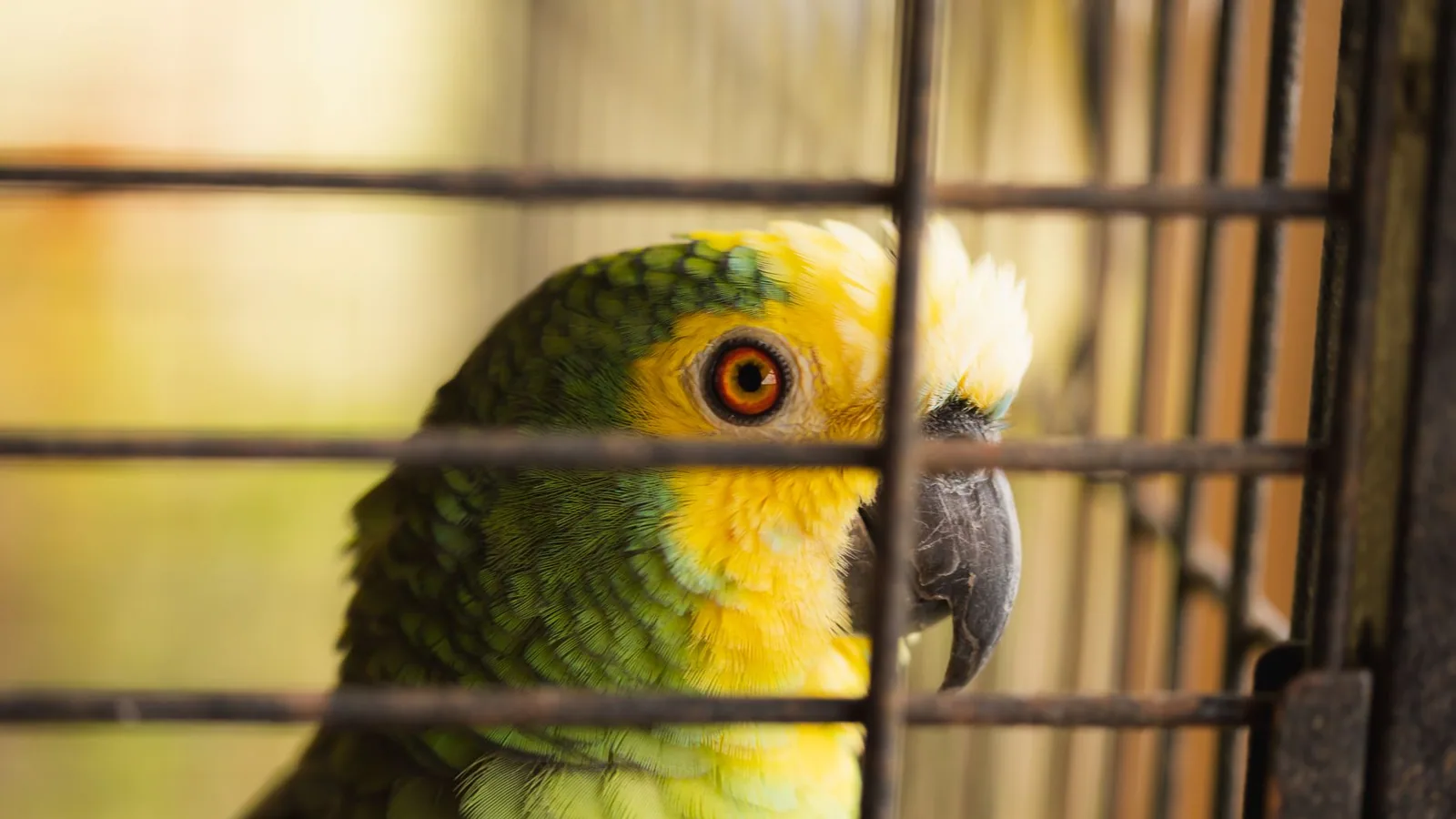
Key Takeaways
- Eclectus parrots possess a unique digestive physiology necessitating a specialized diet: low in fat (<5-6% dry matter) and high in fiber (10-15% crude fiber), primarily composed of 50-60% fresh vegetables (especially dark leafy greens) and 20-30% low-glycemic fruits, to prevent obesity and hepatic lipidosis.
- Common health issues include hypovitaminosis A, often managed by supplementing with beta-carotene-rich vegetables rather than synthetic vitamin drops, and feather destructive behavior (FDB), which requires a comprehensive veterinary workup to rule out nutritional deficiencies, underlying medical conditions (e.g., PDD, giardiasis), or environmental stressors.
- Preventative healthcare is paramount, involving annual wellness exams with CBC and biochemistry panels, fecal testing for parasites and bacterial overgrowth, and strict quarantine protocols (30-45 days) for new birds to screen for diseases like PBFD, PDD, and chlamydiosis via PCR or serology.
- Environmental enrichment is critical for mental well-being, with spacious cages (minimum 36"W x 24"D x 48"H), varied perch diameters, foraging toys, chew toys, and daily bathing opportunities to mitigate boredom and stereotypic behaviors.
- Species-specific vulnerabilities include susceptibility to hepatic lipidosis, hypovitaminosis A, proventricular dilatation disease (PDD), psittacine beak and feather disease (PBFD), chlamydiosis, giardiasis, and aspergillosis, necessitating prompt veterinary intervention for signs such as dyspnea, lethargy, or abnormal feces.
The Eclectus parrot (Eclectus roratus) is a strikingly beautiful and intelligent parrot species native to the Solomon Islands, New Guinea, and adjacent islands. Unlike many other parrots, Eclectus parrots possess a unique digestive physiology that demands a specialized diet low in fat and high in fiber. Their complex behavioral needs and susceptibility to specific health conditions require dedicated, informed care from owners and avian veterinarians alike. This pillar article provides an exhaustive, evidence-based guide to Eclectus parrot care, incorporating clinical guidelines from the Association of Avian Veterinarians (AAV), the Merck Veterinary Manual, VCA Animal Hospitals, and Lafeber Company resources. It is designed for pet owners in North America, Europe, and Australia, with attention to regional differences in terminology, disease prevalence, and veterinary best practices.
Quick Q&A
Question: What is the best diet for an Eclectus parrot to prevent obesity and feather picking? Answer: The best diet is a low-fat, high-fiber regimen consisting of 50-60% fresh vegetables (especially dark leafy greens), 20-30% low-glycemic fruits, and a high-quality, pellet-based diet specifically formulated for Eclectus parrots. Seeds and nuts should be strictly limited due to their high fat content. This dietary approach mimics the bird’s natural foraging intake and supports digestive health, reducing the risk of obesity, fatty liver disease, and associated behavioural problems.
Unique Dietary Requirements: The Low-Fat, High-Fiber Imperative
The Eclectus parrot has a longer gastrointestinal tract than many other psittacine species, with a proportionally larger cecum and colon. This anatomy is adapted for processing a high-fiber, low-energy diet consisting primarily of fruits, flowers, and seeds in the wild. In captivity, the most common and serious nutritional error is feeding a diet designed for other parrots (e.g., high-fat seed mixes or commercial pellets with elevated fat levels). The consequences include obesity, hepatic lipidosis (fatty liver disease), atherosclerosis, and secondary feather-destructive behaviour.
Macronutrient Profile
- Fat: Less than 5-6% of total dry matter. Avoid sunflower seeds, safflower seeds, peanuts, and high-fat nuts such as walnuts and macadamias. A few almonds or pistachios can be offered as rare treats (once or twice per week).
- Fiber: At least 10-15% crude fiber. Provide ample dark leafy greens (kale, collard, dandelion, endive), chopped vegetables (bell peppers, broccoli, carrots, zucchini), and occasional cooked legumes or sprouted seeds.
- Protein: 12-15% from plant-based sources (beans, lentils, quinoa) and a small amount of high-quality, low-fat pellets. Animal protein is not required but some veterinarians recommend a tiny amount of cooked egg white once monthly for feather condition.
Recommended Feeding Protocol
| Food Category | Percentage of Daily Intake | Examples |
|---|---|---|
| Fresh vegetables | 50-60% | Kale, Swiss chard, bok choy, bell peppers, snap peas, broccoli, carrot tops |
| Fresh fruits | 20-30% | Papaya, mango, berries, pomegranate, melon (limit banana and grapes due to sugar) |
| Low-fat pellets | 10-20% | Lafeber’s Eclectus Pellets, Harrison’s High Fiber, Roudybush California Blend |
| Seeds/nuts | <5% | A few pumpkin seeds or pistachios as training rewards |
Water and Supplements
Fresh, clean water must be available at all times. Eclectus parrots are prone to hypovitaminosis A (vitamin A deficiency) if fed an all-seed diet. Supplement with beta-carotene-rich vegetables (carrots, sweet potatoes, red peppers) rather than synthetic vitamin drops, which can be toxic in excess. Calcium supplementation is generally unnecessary if the diet includes dark leafy greens and a cuttlebone or mineral block. According to the AAV Avian Nutrition Guidelines, routine vitamin supplementation is not recommended for birds on a balanced, varied diet.
Regional Considerations
- Australia: Many Australian owners have access to native greens such as warrigal greens, dandelion, and native figs. Avoid avocado (toxic to all parrots) and rhubarb.
- Europe and North America: Ensure that imported fruits are washed thoroughly to remove pesticide residues. Organic produce is preferred.
- United Kingdom: The Veterinary Poisons Information Service (VPIS) lists chocolate, caffeine, alcohol, and high-salt foods as dangerous; these apply equally to Eclectus parrots.
Cage and Environmental Needs
Eclectus parrots are active, intelligent birds that require a spacious, enriching environment. The minimum cage size for a single adult Eclectus is 36 inches wide x 24 inches deep x 48 inches high (approximately 90 cm x 60 cm x 120 cm). Larger is always better, and an aviary-style enclosure or a dedicated bird-safe room is ideal.
Cage Construction and Placement
- Bar spacing: ¾ to 1 inch (2-2.5 cm) to prevent head entrapment.
- Material: Powder-coated steel or stainless steel. Avoid galvanized wire, which can cause zinc toxicosis if chewed.
- Perches: Provide multiple perches of varying diameters (1-2 inches) made from natural, untreated wood (e.g., manzanita, eucalyptus, java wood). Rope perches can be used but must be checked for fraying and ingested fibers.
- Location: Place the cage in a well-lit, draft-free area at eye level, away from direct sunlight (which can cause overheating) and kitchen fumes (Teflon off-gassing is lethal to birds). The cage should be in a family room where the bird can observe daily activities.
Environmental Enrichment
Eclectus parrots are prone to boredom and feather picking if under-stimulated. Provide:
- Foraging toys: Puzzle feeders, shredded paper, cardboard rolls, and treat-dispensing balls.
- Chew toys: Soft wood, palm leaves, balsa, and vegetable-tanned leather strips.
- Bathing: A shallow dish of lukewarm water or a gentle mist spray daily. Eclectus parrots often enjoy bathing and it helps maintain feather condition.
- Out-of-cage time: A minimum of 3-4 hours of supervised freedom per day in a bird-proofed room.
Regional Environmental Hazards
- Australia: Be aware of native predators (goannas, snakes) if the bird is housed outdoors. Ensure outdoor aviaries have double-door entry and fine mesh to exclude rodents and wild birds (which can carry psittacine beak and feather disease, PBFD).
- North America: In colder climates, avoid placing the cage near exterior walls or windows. Use a room humidifier in winter if central heating dries the air.
- Europe: Many European countries require microchipping and registration for parrots under CITES regulations. Check local laws.
Behavior and Socialization
Eclectus parrots are known for their calm, gentle demeanor compared to many other large parrots, but they are also highly sensitive and intelligent. They form strong pair bonds with their primary caregiver and can become anxious or aggressive if neglected.
Normal Behavior
- Vocalization: Eclectus parrots are moderately vocal. They produce a variety of whistles, chirps, and mimic human speech with remarkable clarity. Screaming may indicate boredom, fear, or illness.
- Sexual dimorphism: Males are bright green with red underwing coverts; females are predominantly red and purple-blue. Behavior can differ: males are often more outgoing, females more independent and sometimes territorial.
- Foraging drive: In the wild, Eclectus spend up to 70% of daylight hours foraging. Captive birds need opportunities to work for food to prevent obesity and stereotypic behaviors.
Common Behavioral Problems
- Feather destructive behavior (FDB): Often multifactorial, involving dietary deficiencies (especially vitamin A, calcium, or essential fatty acids), lack of enrichment, or underlying medical conditions such as proventricular dilatation disease (PDD) or giardiasis. A veterinary workup including blood work, fecal examination, and radiographs is essential.
- Biting: Usually a fear-based response. Avoid punishment; instead, use positive reinforcement (target training, clicker training) to build trust.
- Screaming: Can be reduced by ensuring adequate sleep (12 hours of uninterrupted dark, quiet time), regular out-of-cage time, and foraging enrichment. Never reinforce screaming by shouting back or giving attention.
Training and Socialization
- Hand-feeding: If acquired as a hand-fed baby, continue gentle handling daily. Eclectus parrots can be nervous as adolescents; patience is key.
- Clicker training: Highly effective for teaching tricks, step-up commands, and medical behaviors (e.g., stepping onto a scale).
- Multi-bird households: Eclectus parrots can coexist with other parrots if introduced gradually, but they may become aggressive during breeding season. Always supervise interactions.
Regional Behavioral Considerations
- Australia: The AVA (Australian Veterinary Association) recommends that all pet parrots undergo a behavioral consultation if feather picking or aggression develops. Australian owners should also consider the impact of bushfire smoke on respiratory health, which can exacerbate stress.
- Europe and North America: Many avian behaviorists offer telemedicine consultations. The Cornell College of Veterinary Medicine’s Animal Behavior Clinic provides resources for parrot owners.
Health and Common Medical Conditions
Eclectus parrots have several species-specific health vulnerabilities. Regular veterinary checkups (at least annually, with blood work and fecal testing) are critical. An avian veterinarian (board-certified by the American Board of Veterinary Practitioners, Avian Practice, or equivalent) should be consulted for any signs of illness.
Common Diseases
| Condition | Clinical Signs | Diagnostic Approach | Prevention |
|---|---|---|---|
| Hepatic lipidosis | Lethargy, obesity, yellow-stained urates, feather picking | Blood chemistry (elevated AST, bile acids), ultrasound | Low-fat diet, regular exercise |
| Hypovitaminosis A | Sinusitis, sneezing, conjunctivitis, poor feather quality | Clinical signs, diet history | Beta-carotene-rich vegetables |
| Proventricular dilatation disease (PDD) | Weight loss, regurgitation, undigested seeds in feces, neurologic signs | Radiographs, crop biopsy, PCR testing | Avoid exposure to infected birds; no vaccine available |
| Psittacine beak and feather disease (PBFD) | Feather loss, beak deformities, immunosuppression | PCR from blood or feather pulp | Quarantine new birds, test before introduction |
| Chlamydiosis (psittacosis) | Respiratory distress, conjunctivitis, green diarrhoea/diarrhea, lethargy | PCR, serology | Zoonotic, wear gloves when cleaning; treat with doxycycline |
| Giardiasis | Chronic diarrhoea/diarrhea, feather picking, weight loss | Fecal wet mount, PCR | Clean water, avoid overcrowding |
| Aspergillosis | Dyspnea, voice change, weight loss | Endoscopy, radiographs, serology | Good ventilation, avoid moldy food |
Preventative Health Care
- Annual wellness exam: Includes weight measurement, body condition score, beak/nail/feather assessment, auscultation, and oral exam.
- Blood work: Complete blood count (CBC) and biochemistry panel to screen for liver, kidney, and pancreatic disease.
- Fecal testing: Direct smear and flotation for parasites and bacterial overgrowth.
- Vaccination: There are no widely available vaccines for psittacine diseases in the US, Canada, or Europe. In Australia, a PBFD vaccine exists but is not universally recommended; discuss with your avian vet.
- Quarantine: Any new bird should be quarantined for 30-45 days in a separate room with separate equipment. Testing for PBFD, PDD, and chlamydiosis is advised before introduction.
Regional Disease Prevalence
- Australia: PBFD is endemic in wild lorikeets and cockatoos; Eclectus parrots kept outdoors or in contact with wild birds are at higher risk. The Australian Department of Agriculture, Fisheries and Forestry (DAFF) regulates importation of parrots to prevent exotic diseases.
- North America: Chlamydiosis (psittacosis) is reportable in many states and provinces. The CVMA (Canadian Veterinary Medical Association) recommends annual testing for birds in multi-bird households.
- Europe: The European Food Safety Authority (EFSA) has identified avian influenza as a risk for captive birds. Eclectus parrots should be housed indoors or in covered aviaries to prevent contact with wild waterfowl.
Emergency Signs
Seek immediate veterinary care if your Eclectus parrot shows any of the following:
- Difficulty breathing (tail bobbing, open-mouth breathing)
- Bleeding (from beak, vent, or anywhere)
- Inability to perch or stand
- Sudden weakness or collapse
- Prolonged vomiting or diarrhoea/diarrhea
- Seizures or head tilt
Conclusion
Caring for an Eclectus parrot requires a commitment to species-specific nutrition, spacious and enriching housing, consistent positive reinforcement training, and proactive veterinary health monitoring. The cornerstone of their care is a strict low-fat, high-fiber diet that mirrors their natural foraging ecology. By adhering to guidelines from the AAV, Merck Veterinary Manual, VCA Animal Hospitals, and other authoritative sources, owners can help their Eclectus parrot thrive for 30 to 50 years or more. Whether you are in the United States, Canada, Europe, or Australia, partnering with an experienced avian veterinarian is essential to prevent and manage the unique health challenges of this remarkable species.
Related Clinical & Scientific Guides
References
Association of Avian Veterinarians. Avian Nutrition Guidelines. AAV.org. Accessed 2025. Merck Veterinary Manual. Pet Birds: Management and Nutrition. merckvetmanual.com. Accessed 2025. VCA Animal Hospitals. Eclectus Parrot Care. vcahospitals.com. Accessed 2025. Lafeber Company. Eclectus Parrot Nutrition. lafeber.com. Accessed 2025. American Veterinary Medical Association. Pet Bird Care. avma.org. Accessed 2025. Canadian Veterinary Medical Association. Avian Medicine Guidelines. canadianveterinarians.net. Accessed 2025. Australian Veterinary Association. Parrot Health and Welfare. ava.com.au. Accessed 2025. Federation of Veterinarians of Europe. Exotic Pet Care Standards. fve.org. Accessed 2025. Cornell College of Veterinary Medicine. Avian Behavior and Medicine. vet.cornell.edu. Accessed 2025. DVM360. Clinical Approach to Feather Destructive Behavior in Parrots. dvm360.com. Accessed 2025.