Caique Care Guide
By Dr. Zubair Khalid, DVM, MS, PhD ·
Key Takeaways
- Caiques require a high-energy, enriched environment with a minimum of 2-4 hours of supervised out-of-cage time daily to prevent obesity and behavioural issues like feather plucking.
- A balanced diet should consist of 60-70% high-quality pellets, 20-30% fresh vegetables, and 5-10% limited fruit, with seeds and nuts offered only as occasional treats (<5%) to avoid nutritional imbalances.
- Housing necessitates a spacious cage (minimum 24"x24"x36", flight cage recommended) with bar spacing no more than 3/4 inch, varied perch diameters (1/2" to 1") and textures to promote foot health and prevent bumblefoot.
- Common health concerns include obesity and hepatic lipidosis, feather destructive behaviour (FDB) often linked to boredom or stress, and respiratory infections from airborne toxins like PTFE fumes.
- Proactive veterinary care is crucial, including annual wellness exams by a certified avian veterinarian, and prompt attention to signs of illness such as fluffed feathers, lethargy, or changes in droppings, as birds often mask disease.
- Zoonotic diseases like Psittacosis (Chlamydiosis) require diagnostic testing (e.g., PCR) and antibiotic treatment (doxycycline), and owners must be aware of regional import and health regulations.
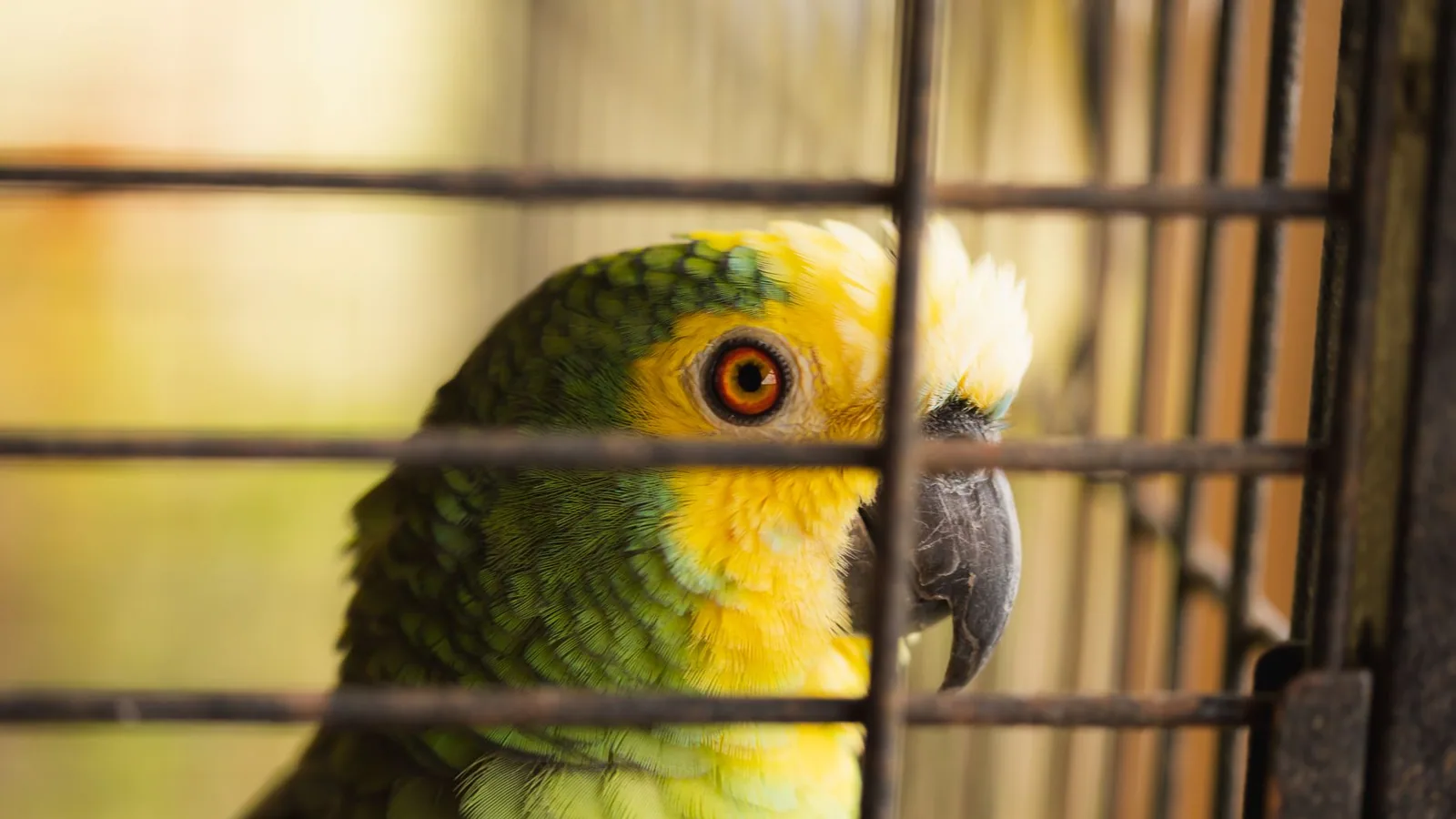
The Caique (pronounced "kai-EEK") is a captivating medium-sized parrot native to the Amazon Basin, encompassing parts of Brazil, Peru, Ecuador, and Colombia. Known for their vibrant plumage, playful antics, and high energy, Caiques are often described as the "clowns of the parrot world." However, their endearing behaviour is paired with complex needs that require a dedicated, knowledgeable owner. This comprehensive veterinary guide, aligned with standards from the Association of Avian Veterinarians (AAV) and the Merck Veterinary Manual, provides an exhaustive overview of Caique care. It covers all essential aspects: managing their high energy, optimal cage setup, species-appropriate diet, environmental enrichment, and common health concerns. Whether you are a new owner or an experienced avian enthusiast, this guide will help you provide a long, healthy, and fulfilling life for your Caique.
Quick Q&A
Question: What is the single most important factor for a healthy, happy Caique?
Answer: The most critical factor is providing a high-energy, enriched environment with daily out-of-cage time and consistent mental stimulation. Caiques are prone to obesity and behavioural issues like feather plucking if under-stimulated. A balanced diet of high-quality pellets, fresh vegetables, and limited fruit, combined with a spacious cage and plenty of safe toys, is essential for their physical and psychological well-being.
Understanding the Caique: A High-Energy Companion
Caiques belong to the genus Pionites, with two primary species kept as pets: the Black-headed Caique (Pionites melanocephalus) and the White-bellied Caique (Pionites leucogaster). They are stocky, short-tailed parrots, typically weighing between 150 and 170 grams. Unlike many parrots that prefer to climb, Caiques are known for their distinctive hopping and "bouncing" locomotion. They are incredibly active, inquisitive, and social birds that thrive on interaction. According to the Association of Avian Veterinarians (AAV), understanding a bird's natural history is crucial for providing appropriate care. Caiques in the wild spend their days foraging, playing, and socialising within small flocks. Replicating this level of activity and social complexity in captivity is paramount.
Temperament and Behaviour
Caiques are intelligent, bold, and often mischievous. They are known for their "terrier-like" attitude, unafraid to take on challenges much larger than themselves. They form strong bonds with their owners and can be affectionate, often seeking physical contact and play. However, they can also be nippy, especially during adolescence or if their boundaries are not respected. They are not known for exceptional talking ability but are excellent mimics of sounds. Their high intelligence means they require constant mental engagement; boredom can quickly lead to destructive behaviours such as screaming, feather destructive behaviour (FDB), or aggression.
Housing: The Caique Cage Setup
A Caique's cage is its primary territory and sanctuary. Because of their high activity levels, the cage must be spacious, safe, and well-equipped.
Cage Size and Dimensions
The minimum recommended cage size for a single Caique is 24 inches long, 24 inches wide, and 36 inches high. However, larger is always better. A flight cage, measuring 32 inches long, 21 inches wide, and 35 inches high, is highly recommended to allow for short flights and ample exercise. The bar spacing should be no more than 3/4 inch to prevent the bird from getting its head stuck or escaping. The cage should be rectangular, not round, as round cages can cause psychological distress by providing no corners for the bird to feel secure.
Cage Placement
Place the cage in a busy, social area of the home, such as the living room or family room, where the bird can be part of daily activities. However, avoid direct drafts, direct sunlight, and the kitchen (due to fumes from non-stick cookware, which can be lethal). The cage should be at eye level or slightly higher to give the bird a sense of security. Provide a quiet, dimly lit corner of the cage for sleeping, perhaps with a covered "sleeping tent" or a soft fabric hammock, as Caiques often enjoy burrowing.
Perches and Accessories
Provide a variety of perches of different diameters (ranging from 1/2 inch to 1 inch) and textures (natural wood, rope, pumice) to promote foot health and prevent bumblefoot (pododermatitis). Natural branches from safe, untreated trees (like manzanita, eucalyptus, or apple) are excellent. Avoid using sandpaper perch covers, as they can cause foot abrasions. The cage should include multiple food and water bowls, placed away from perches to prevent contamination.
Nutrition: The Caique Diet
A balanced diet is the cornerstone of avian health. A poor diet is a leading cause of disease in pet birds, as noted in the Merck Veterinary Manual.
The Foundation: High-Quality Pellets
A high-quality, formulated pellet should constitute 60-70% of a Caique's diet. Pellets provide a nutritionally complete and balanced base, preventing selective feeding (where a bird picks out only its favourite seeds). Look for brands recommended by avian veterinarians, such as Harrison's, Roudybush, or Lafeber. These are formulated to meet the specific needs of psittacine birds.
Fresh Foods: Vegetables, Fruits, and Greens
Fresh vegetables should make up 20-30% of the diet. Dark, leafy greens (kale, collard greens, dandelion greens) and chopped vegetables (carrots, bell peppers, broccoli, sweet potatoes) are excellent. Fruits should be limited to 5-10% due to their high sugar content. Good choices include berries, apple (without seeds), mango, and papaya. Always wash fresh produce thoroughly. Introduce new foods gradually, as Caiques can be suspicious of novel items.
Seeds and Nuts: Treats, Not Staples
Seeds and nuts are high in fat and should be offered only as occasional treats, making up less than 5% of the diet. They are useful for training and bonding. A small amount of sprouted seeds is a nutritious alternative to dry seeds.
Foods to Avoid
Toxic foods include avocado, chocolate, caffeine, alcohol, onions, garlic, and high-salt or high-sugar human foods. Apple seeds and fruit pits contain cyanide and should be removed.
Environmental Enrichment: Preventing Boredom
Enrichment is not a luxury; it is a medical necessity for a high-energy bird like a Caique. The AAV emphasises that environmental enrichment is a key component of preventive medicine.
Foraging Opportunities
In the wild, Caiques spend a significant portion of their day foraging for food. Replicate this by hiding food in foraging toys, wrapping it in paper, or using puzzle feeders. This provides both mental stimulation and physical activity.
Toys and Play
Provide a rotating selection of toys. Caiques are powerful chewers and enjoy destructible toys made of wood, leather, and cardboard. They also love foot toys, bells, and acrylic toys. Rotate toys every few days to maintain novelty. Avoid toys with small parts that could be swallowed, loose strings, or unsafe metals (e.g., zinc, lead).
Out-of-Cage Time
Daily supervised out-of-cage time is essential. A minimum of 2-4 hours is recommended. This time should be in a "bird-proofed" room, free from hazards like open windows, ceiling fans, toxic plants, and other pets. This is the time for social interaction, training, and exercise.
Social Interaction
Caiques are flock animals and can develop behavioural problems if left alone for long periods. They need daily interaction with their human flock. Consider getting a second Caique if you are away from home frequently, but be prepared for the increased time and space commitment.
Health: Common Caique Issues and Preventive Care
Proactive veterinary care is vital for early detection and treatment of disease.
Finding an Avian Veterinarian
Before acquiring a Caique, locate a certified avian veterinarian. Not all general practitioners are experienced with birds. The AAV provides a directory of avian vets. Annual wellness exams are recommended, including a physical examination, weight check, and basic diagnostic tests (e.g., faecal examination, blood work).
Common Health Problems
Obesity and Hepatic Lipidosis: Due to their high energy needs, a sedentary Caique on a high-fat seed diet is at high risk for obesity and fatty liver disease. This is a leading cause of morbidity. Prevention relies on a proper diet and ample exercise.
Feather Destructive Behaviour (FDB): This is often a sign of underlying medical or behavioural issues. Causes include boredom, stress, lack of sleep, poor diet, or skin infections (e.g., from Giardia or Staphylococcus). A thorough veterinary workup is necessary to rule out medical causes before addressing behavioural ones.
Respiratory Infections: Birds are highly sensitive to airborne toxins. Avoid smoking, vaping, scented candles, incense, and non-stick cookware (PTFE/Teflon toxicity). Signs of respiratory distress include tail bobbing, open-mouth breathing, and nasal discharge.
Psittacosis (Chlamydiosis): This bacterial infection is zoonotic (can be transmitted to humans). Clinical signs are non-specific and can include lethargy, anorexia, conjunctivitis, and respiratory signs. Diagnosis is via PCR testing. Treatment is with antibiotics (doxycycline).
Bumblefoot (Pododermatitis): This is an infection and inflammation of the foot pad, often caused by improper perches (e.g., too smooth or too rough), obesity, or poor hygiene. Prevention includes providing varied, appropriate perches and maintaining a clean cage.
Reproductive Issues: Chronic egg-laying is a serious, potentially life-threatening condition in female Caiques. It can lead to egg binding, yolk peritonitis, and nutritional deficiencies. If your hen is laying eggs, consult your avian vet immediately. Strategies to reduce egg-laying include limiting daylight hours to 8-10 hours, removing nest-like materials (e.g., tents, huts), and avoiding hormonal triggers (e.g., petting on the back).
Signs of a Sick Bird
Birds are masters at hiding illness. Any change in behaviour is significant. Be alert for:
- Fluffed feathers for prolonged periods
- Lethargy or decreased activity
- Changes in droppings (colour, consistency, frequency)
- Reduced appetite or weight loss
- Sitting on the bottom of the cage
- Changes in vocalisation
- Tail bobbing or open-mouth breathing
If you observe any of these signs, contact your avian veterinarian immediately.
Regional Considerations
- North America (US & Canada): Psittacosis is a reportable disease in many states and provinces. Quarantine protocols for new birds are essential. Ensure your Caique is tested for common viruses (e.g., PBFD, Polyomavirus) as recommended by your vet.
- Europe (EU): The Pet Travel Scheme (PETS) requires specific health certifications for travel. Be aware of the EU's strict regulations on the import of pet birds.
- Australia: Caiques are not native to Australia and are subject to strict import and quarantine laws. Owners must ensure their birds are sourced from reputable, licensed breeders. The Australian Veterinary Association (AVA) provides guidelines on responsible pet ownership.
Conclusion
Caring for a Caique is a rewarding but demanding commitment. By understanding their high energy, providing a spacious and enriched environment, feeding a balanced diet, and ensuring regular veterinary care, you can build a strong, loving bond with this remarkable parrot. Remember, a well-cared-for Caique is a healthy, happy, and endlessly entertaining companion for 20 to 30 years or more. Always consult with a certified avian veterinarian for any health concerns and to develop a personalised wellness plan for your feathered friend.
Related Clinical & Scientific Guides
References
Association of Avian Veterinarians (AAV). (n.d.). Basic Care for Pet Birds. aav.org Merck Veterinary Manual. (n.d.). Pet Birds: Management and Nutrition. merckvetmanual.com Lafeber Company. (n.d.). Caique Care. lafeber.com VCA Animal Hospitals. (n.d.). Caiques: The Clowns of the Parrot World. vcahospitals.com Speer, B. L. (2015). Current Therapy in Avian Medicine and Surgery. Elsevier. Tully, T. N., Dorrestein, G. M., & Jones, A. K. (2009). Handbook of Avian Medicine (2nd ed.). Saunders. American Veterinary Medical Association (AVMA). (n.d.). Pet Bird Care. avma.org Canadian Veterinary Medical Association (CVMA). (n.d.). Pet Bird Care. canadianveterinarians.net Australian Veterinary Association (AVA). (n.d.). Pet Bird Care. ava.com.au Federation of Veterinarians of Europe (FVE). (n.d.). Pet Travel and Health. fve.org