Bird Diet Conversion to Pellets
By Dr. Zubair Khalid, DVM, MS, PhD ·
Key Takeaways
- Transitioning to a pelleted diet is a critical preventive health measure, as seed-based diets are inherently deficient in essential nutrients like calcium and vitamin A, leading to conditions such as hypovitaminosis A and metabolic bone disease.
- The conversion process requires gradual introduction of pellets over 2-4 weeks, with daily body weight monitoring using a gram scale; a weight loss exceeding 5% necessitates slowing the transition or veterinary consultation.
- Abrupt diet changes can induce hunger strikes, ketosis, and stress, manifesting as feather picking or increased vocalization, underscoring the need for a slow, species-specific approach.
- Selecting species-appropriate pellets (e.g., fine crumbles for budgerigars, large nuggets for macaws) and employing techniques like crushing pellets or mixing with favoured foods can enhance acceptance.
- Pre-conversion veterinary assessment, including body condition scoring and baseline blood work (packed cell volume, total solids, plasma biochemistry), is essential to establish a health reference point and rule out complicating diseases.
- Long-term maintenance involves weekly weight checks, daily offering of fresh vegetables, limiting seeds to treats (≤10% of diet), and annual veterinary examinations to monitor nutritional status.
Converting a companion bird from an all-seed or mixed diet to a nutritionally complete pelleted ration is one of the most impactful preventive health measures a caretaker can undertake. Pellets are formulated to provide balanced levels of vitamins, minerals, amino acids, and fatty acids, eliminating the selective feeding that leads to malnutrition in seed‑preferring birds. However, the transition must be managed with veterinary oversight to avoid starvation, stress, or metabolic derangement. This pillar article synthesizes current avian medicine guidelines from the Association of Avian Veterinarians (AAV), the Merck Veterinary Manual, VCA Animal Hospitals, and Lafeber Company resources, and incorporates regional best practices across North America, Europe, and Australia.
Quick Q&A
Question: How do I safely convert my bird from seeds to pellets without causing weight loss or refusal to eat?
Answer: Begin by offering pellets alongside the familiar seed diet, gradually increasing the pellet proportion over 2-4 weeks while monitoring your bird’s body weight daily. Weigh your bird at the same time each morning using a gram scale. If weight drops more than 5% from baseline, slow the transition or consult an avian veterinarian. Some species, such as cockatiels and budgerigars, may require longer adaptation periods.
Why Convert to Pellets? The Nutritional Imperative
Seed‑based diets are inherently unbalanced. Most commercial seed mixes are high in fat and low in calcium, vitamin A, and essential amino acids. Birds instinctively shell seeds and often preferentially consume high‑fat seeds (e.g., sunflower, safflower) while ignoring nutrient‑dense options. Over time, this leads to common deficiencies:
- Hypovitaminosis A, squamous metaplasia of respiratory and reproductive epithelium, predisposing to infections.
- Calcium deficiency, egg‑binding, pathologic fractures, and seizure disorders.
- Obesity and hepatic lipidosis, especially in Amazon parrots, cockatiels, and budgerigars.
Pellets eliminate selective feeding because each piece contains a complete nutrient profile. According to the AAV’s nutritional guidelines, pellets should constitute 60-80% of a pet bird’s daily intake, with fresh vegetables, fruits, and occasional seeds making up the remainder. The Merck Veterinary Manual states that “commercial pelleted diets are superior to seed mixes for most psittacine species”.
Risks of Seed‑Only Diets and the Need for Transition
Birds that have eaten seeds their entire lives develop a strong flavour and texture preference. Abruptly removing seeds can trigger a hunger strike, leading to rapid weight loss, ketosis, and even death. The conversion must therefore be gradual and carefully monitored. Key risks during transition include:
- Refusal to eat pellets, birds may not recognise pellets as food.
- Weight loss, the most dangerous complication; requires daily weighing.
- Behavioural stress, feather picking, screaming, or lethargy.
- Gastrointestinal upset, diarrhoea (or diarrhoea) as the gut microbiome adjusts to higher fibre and lower fat levels.
Regional variations in avian husbandry also influence conversion strategies. In Australia, where many pet birds are housed outdoors or in aviaries, environmental temperature and foraging enrichment must be considered. In Europe, the Federation of Veterinarians of Europe (FVE) emphasises the importance of species‑specific formulations, as some pellets designed for large parrots may be too large or nutrient‑dense for small passerines.
The Conversion Process: A Step‑by‑Step Veterinary Protocol
Step 1: Baseline Health Assessment
Before beginning any diet change, an avian veterinarian should perform a physical examination, including body condition scoring, weight measurement, and basic blood work (packed cell volume, total solids, and plasma biochemistry). This establishes a reference point and rules out underlying disease that could complicate conversion.
Step 2: Selecting the Right Pellet
Choose a species‑appropriate, extrusion‑cooked pellet from a reputable manufacturer (e.g., Harrison’s, Roudybush, Lafeber, Zupreem). Pellets come in different sizes (fine, small, medium, large) and formulations (maintenance, high‑energy, low‑protein). For example:
- Budgerigars and cockatiels, fine or small crumbles.
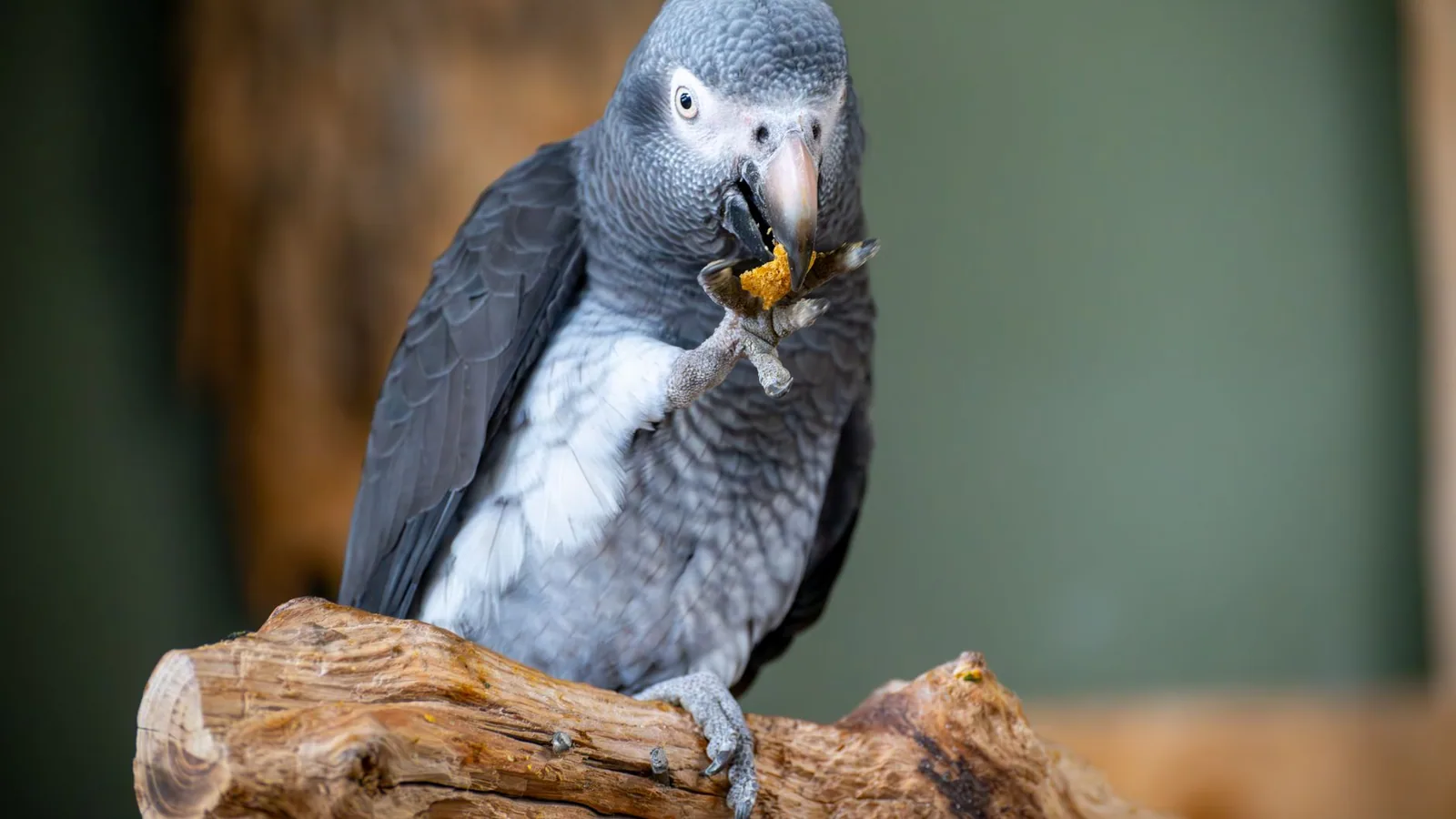
- African grey parrots and Amazons, medium pellets.
- Macaws, large pellets or nuggets.
Some birds may prefer a particular colour or shape; offering a variety can increase acceptance.
Step 3: Gradual Introduction (The “Mix‑In” Method)
Over 10-14 days, gradually increase the proportion of pellets while decreasing seeds. A typical schedule:
- Days 1-3: 75% seeds, 25% pellets (mixed together in the same bowl).
- Days 4-7: 50% seeds, 50% pellets.
- Days 8-10: 25% seeds, 75% pellets.
- Days 11-14: 100% pellets.
Some birds, especially older or stubborn individuals, may require a slower 3-4 week schedule. During this period, do not offer seeds in a separate bowl, mixing forces the bird to encounter pellets while foraging.
Step 4: Daily Weight Monitoring
Weigh the bird at the same time each morning (before feeding) on a gram scale accurate to 0.1 g. Record the weight in a log. Acceptable weight fluctuation is up to 5% of baseline. If weight drops more than 5%, revert to the previous seed‑to‑pellet ratio for a few days until weight stabilises. If weight loss exceeds 10%, stop the conversion and consult a veterinarian immediately.
Step 5: Encouraging Pellet Acceptance
Birds learn by watching others (social facilitation) and by exploring novel items. Techniques to encourage pellet consumption:
- Crush pellets into a powder and sprinkle over moistened seeds or vegetables.
- Offer pellets in a familiar dish alongside a favourite treat (e.g., a small piece of millet).
- Soften pellets with warm water (for smaller birds) to mimic the texture of soaked seeds.
- Use foraging toys filled with pellets to stimulate natural curiosity.
The Lafeber Company notes that “many birds will accept pellets more readily if they are offered in a separate ‘treat’ dish initially, then gradually moved to the main bowl”.
Species Considerations: Tailoring the Approach
Different bird species have distinct metabolic rates, beak morphologies, and feeding behaviours. The conversion protocol must be adapted accordingly.
Small Psittacines (Budgerigars, Cockatiels, Lovebirds)
These birds have very high metabolic rates and can become hypoglycaemic quickly if food intake drops. Never fast a small bird. Use a very slow transition (3-4 weeks). Offer finely ground pellets mixed with a small amount of seed. Monitor weight twice daily if possible. Cockatiels are particularly prone to “picky” behaviour and may require pellet‑flavoured water or pellet powder on favoured foods.
Medium to Large Parrots (African Greys, Amazons, Conures)
These birds are more resilient but can develop behavioural resistance. African grey parrots are especially sensitive to dietary changes and may refuse pellets for weeks. Offer pellets in multiple forms (whole, crushed, moistened). Use positive reinforcement, reward any interaction with pellets. Avoid forcing or hand‑feeding pellets, as this can create negative associations.
Passerines (Canaries, Finches)
Seed‑eating finches are often reluctant to accept pellets. Use very fine crumbles or pellet powder mixed with egg food or softbill diet. Offer in a separate dish and remove after a few hours to maintain freshness. Canaries may adapt more readily if pellets are introduced during the moulting period when nutritional demands are higher.
Australian Native Species (Cockatoos, Lorikeets, Rosellas)
Cockatoos, especially sulphur‑crested and galahs, have a strong foraging drive and may reject pellets that are too uniform. Use large, irregularly shaped pellets or “nuggets.” Lorikeets require a specialised low‑iron, high‑carbohydrate diet (e.g., Wombaroo or Vetafarm lorikeet pellets), never feed standard parrot pellets to a lorikeet. The Australian Veterinary Association (AVA) advises that “diet conversion in lorikeets should be supervised by a veterinarian due to the risk of iron storage disease”.
Troubleshooting Common Problems
| Problem | Possible Cause | Solution |
|---|---|---|
| Bird refuses to eat pellets | Texture or flavour unfamiliar | Crush pellets, mix with warm water, or offer in a foraging toy |
| Weight loss >5% | Transition too fast | Revert to previous ratio, slow schedule, add small amount of seed |
| Diarrhoea/Diarrhoea | Sudden increase in fibre or moisture | Transition more gradually; ensure pellets are fresh and not mouldy |
| Vomiting or regurgitation | Food aversion or underlying illness | Stop conversion, consult veterinarian |
| Feather picking or increased screaming | Stress from diet change | Increase environmental enrichment; consider pheromone therapy (e.g., Feliway for birds?, not validated; use calming music or cover part of cage) |
If diarrhoea persists beyond 48 hours, a faecal Gram stain and culture should be performed to rule out bacterial overgrowth or parasites.
Long‑Term Maintenance and Monitoring
Once the bird is eating pellets exclusively (or at least 80% of intake), continue to:
- Weigh weekly, any unexplained weight loss or gain warrants investigation.
- Offer fresh vegetables (dark leafy greens, bell peppers, carrots) daily, these provide phytonutrients and enrichment.
- Limit seeds to treats, no more than 10% of total diet, used for training or foraging.
- Monitor droppings, pellet‑fed birds produce larger, more formed faeces with less urine than seed‑fed birds. This is normal.
- Annual veterinary check‑ups, include blood work to assess calcium, vitamin A, and protein levels.
The AAHA/AVMA Preventive Care Guidelines recommend that “all psittacine birds be fed a formulated diet as the basis of nutrition, with veterinary guidance for conversion”.
Conclusion
Converting a pet bird to a pelleted diet is a cornerstone of preventive avian medicine. When performed gradually with daily weight monitoring, species‑specific adjustments, and veterinary oversight, the transition dramatically reduces the risk of nutritional deficiencies, obesity, and hepatic disease. While the process can be challenging, especially with older or behaviourally rigid birds, the long‑term health benefits far outweigh the temporary stress. Always consult an avian veterinarian before initiating a diet change, and never hesitate to slow or pause the conversion if the bird shows signs of distress or weight loss.
Related Articles
- Pet Bird Nutrition: Formulating a Balanced Diet for Parrots and Finches
- Bird Emergency First Aid
- Why Does My Bird Bite, and How to Stop It
Related Clinical & Scientific Guides
References
Association of Avian Veterinarians. (2020). AAV Nutritional Guidelines for Companion Birds. AAV.org. Link Merck Veterinary Manual. (2023). Nutrition of Pet Birds. merckvetmanual.com. Link Lafeber Company. (2022). Converting Your Bird to a Pelleted Diet. lafeber.com. Link Australian Veterinary Association. (2021). Avian Medicine in Australia: Diet and Nutrition. ava.com.au. American Animal Hospital Association / American Veterinary Medical Association. (2022). AAHA/AVMA Preventive Care Guidelines for Birds. aaha.org.