Amazon Parrot Care Guide
By Dr. Zubair Khalid, DVM, MS, PhD ·
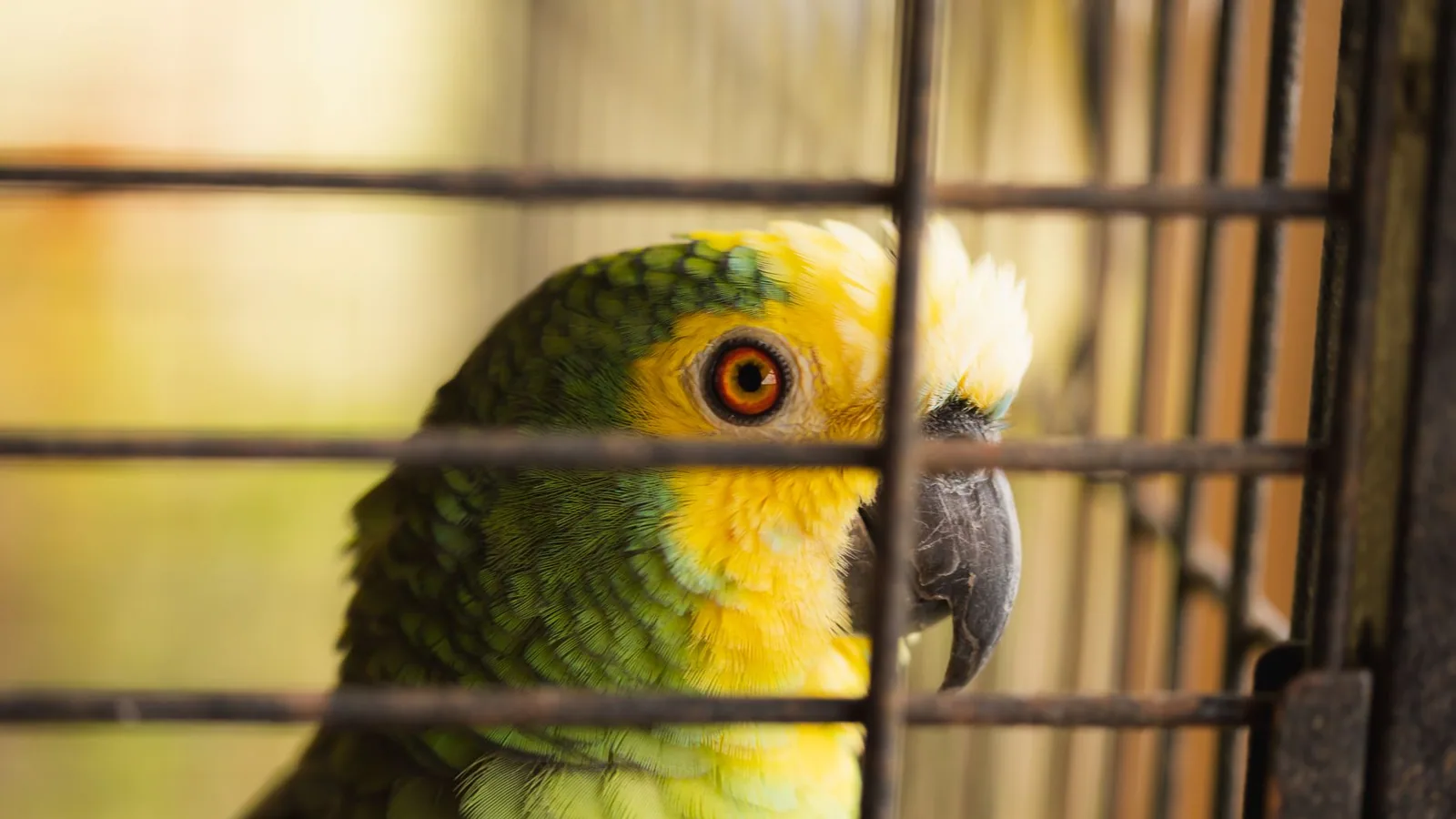
Key Takeaways
- Housing and Safety: Amazon parrots require a spacious cage (minimum 36" W x 24" D x 48" H) with bar spacing of 5/8" to 3/4" (1.6-1.9 cm) to prevent head entrapment. Stainless steel or lead/zinc-free powder-coated wrought iron are recommended cage materials; avoid galvanized or zinc-coated metals due to toxicity risks (vomiting, diarrhea, neurological signs).
- Dietary Management and Obesity Prevention: A balanced diet comprising 65-80% high-quality formulated pellets is crucial, supplemented with 20-30% fresh vegetables and fruits. Seed-only diets and excessive treats contribute to obesity, a significant risk factor for hepatic lipidosis, atherosclerosis, and osteoarthritis in Amazons.
- Environmental Enrichment and Behavioral Health: These intelligent birds necessitate daily enrichment, including foraging toys, chewable items, and puzzle feeders, to prevent stereotypic behaviors like feather-destructive behavior and excessive screaming. Positive reinforcement training and adequate social interaction are vital for their psychological well-being.
- Common Health Concerns and Diagnostics: Amazon parrots are prone to nutritional deficiencies (e.g., hypovitaminosis A, hypocalcaemia), infectious diseases (e.g., PBFD, PDD, Aspergillosis), and non-infectious conditions like atherosclerosis and obesity-related hepatic lipidosis. Annual veterinary wellness examinations, including fecal Gram stains, CBC, biochemistry panels, and radiographs, are recommended for early detection.
- Lifespan and Geriatric Care: With proper care, Amazon parrots can live 50-70 years, requiring specialized geriatric care after age 30. This includes dietary adjustments for decreased metabolic rates, management of arthritis with soft perches and supplements, and modifications to reduce fall risks.
Amazon parrots (genus Amazona) are among the most popular companion psittacines worldwide, prized for their vibrant plumage, exceptional vocal abilities, and engaging personalities. However, these intelligent, long-lived birds require a level of commitment that extends far beyond basic husbandry. According to the Association of Avian Veterinarians (AAV), Amazons are prone to obesity, behavioural disorders, and chronic health conditions if their environmental and nutritional needs are not meticulously met. This pillar guide integrates current veterinary science and consensus guidelines from the Merck Veterinary Manual, VCA Animal Hospitals, and the Lafeber Company to provide a comprehensive, evidence-based approach to Amazon parrot care. Both American (e.g., behavior, diarrhea) and Commonwealth (e.g., behaviour, diarrhoea) spellings are used to reflect the global readership.
Quick Q&A
Question: How do I set up the best cage for my Amazon parrot? Answer: Provide a cage at least 36" wide, 24" deep, and 48" tall with bar spacing of 5/8" to 3/4" (1.6-1.9 cm). Use stainless steel or powder-coated wrought iron, avoiding galvanised or zinc-coated materials. Include multiple perches of varying diameters, food bowls placed away from perches, and a variety of destructible toys for mental stimulation. For full details, see the Housing section below.
Housing and Cage Requirements
A properly sized and furnished cage is the cornerstone of captive Amazon parrot welfare. The AAV and the Merck Veterinary Manual for Pet Birds recommend the following minimum dimensions: length 36 inches (91 cm), depth 24 inches (61 cm), and height 48 inches (122 cm). Larger is always better; a flight cage or aviary is ideal for species such as the Yellow‑naped Amazon (Amazona ochrocephala) or Blue‑fronted Amazon (Amazona aestiva), which have strong flight muscles and need room to stretch their wings.
Cage Material and Bar Spacing
Bar spacing must be between 5/8 and 3/4 inch (1.6-1.9 cm). Wider gaps risk head entrapment; narrower gaps can damage feathers or be chewed through. Stainless steel is the safest, most durable option. Powder‑coated wrought iron is acceptable if the coating is lead‑ and zinc‑free. Galvanised wire, which contains zinc, is toxic when chewed and must be avoided. According to VCA Animal Hospitals, zinc ingestion can cause vomiting, diarrhoea (or diarrhoea), and neurologic signs.
Perches and Accessories
Provide at least three perches of different diameters (ranging from 1/2 to 1.5 inches, or 1.3-3.8 cm) to promote foot health and prevent pressure sores. Natural wood branches (e.g., manzanita, eucalyptus, or unsprayed fruitwood) are superior to uniform dowels. Position perches so that the bird cannot contaminate food and water with faeces. Include a shallow water dish large enough for bathing; Amazons enjoy regular showers for feather condition.
Environmental Enrichment
Amazons are highly intelligent and require daily enrichment to prevent stereotypic behaviours (e.g., feather‑destructive behaviour, screaming). The Lafeber Company emphasises that foraging toys, chewable items (pine, balsa, cardboard), and puzzle feeders are essential. Rotate toys weekly to maintain novelty. Cage placement in a busy, well‑lit family area, but not in the kitchen (risk of Teflon off‑gassing and high heat exposure), is recommended by the AAV.
Diet and Nutrition
A balanced diet is the single most important factor in preventing disease in captive psittacines. The Merck Veterinary Manual states that Amazons have a tendency toward obesity and lipomas if fed a high‑fat, high‑calorie diet.
Base Diet
A high‑quality, formulated pellet should comprise 65-80% of the daily intake. Pellets provide consistent levels of vitamins, minerals, and protein. Avoid seed‑only diets; seeds are high in fat and low in calcium and vitamin A. The AAV advises that pellets be specifically designed for medium‑sized parrots; large parrot pellets may be too big and discourage consumption.
Fresh Foods
Offer 20-30% fresh vegetables and fruits daily. Dark leafy greens (kale, collard greens, Swiss chard) and orange‑red vegetables (carrots, sweet potatoes, bell peppers) are rich in beta‑carotene, which Amazons convert to vitamin A. Fruits such as apple, mango, and berries provide antioxidants but should be limited to 10% of the fresh portion due to sugar content. Avocado, chocolate, caffeine, alcohol, and high‑salt foods are toxic.
Calcium and Vitamin D3
Amazons, particularly egg‑laying hens, are susceptible to hypocalcaemia and egg‑binding. Provide a cuttlebone or mineral block in the cage, and consider a calcium supplement in drinking water only under veterinary guidance. Vitamin D3 is obtained from unfiltered sunlight or full‑spectrum UVB lighting; place the cage near a window or provide a UVB lamp for 10-12 hours daily.
Water and Grit
Fresh, clean water must be available at all times. Change water bowls twice daily to prevent bacterial or yeast overgrowth. Grit (sand or insoluble particles) is not necessary for Amazons and may cause impaction; the Merck Veterinary Manual advises against its use.
Obesity Risk
Obesity is a leading cause of morbidity in Amazon parrots. According to the AAV, captive Amazons have a metabolic predisposition to store fat, particularly in the coelomic cavity and around the keel bone.
Risk Factors
- Seed‑based diets: High fat (up to 50% in sunflower and safflower seeds) and low fibre.
- Lack of exercise: Cage confinement without daily out‑of‑cage time.
- Overfeeding treats: Nuts, seeds, and human snacks contribute to caloric surplus.
- Sex and age: Females and middle‑aged (10-20 years) birds are at higher risk.
Clinical Assessment
Veterinary surgeons should palpate the pectoral muscles and score body condition on a 1-5 scale (1 = emaciated, 5 = obese). A body condition score of 3-4 (muscles rounded, keel bone palpable but not prominent) is ideal. The Cornell College of Veterinary Medicine notes that obesity predisposes Amazons to hepatic lipidosis, atherosclerosis, and osteoarthritis.
Prevention and Management
- Transition to a pellet‑based diet gradually over 2-4 weeks.
- Allow a minimum of 2-3 hours of supervised, supervised out‑of‑cage time daily for flight or climbing.
- Use food puzzles to slow eating and increase activity.
- Weigh the bird weekly on a gram scale; adult Amazons of medium size (e.g., Blue‑fronted) should weigh 300-500 g. Yellow‑naped Amazons are slightly heavier (400-600 g).
- Veterinary check‑ups every 6-12 months including blood work (glucose, cholesterol, triglycerides) and radiographs to assess visceral fat.
Behavior and Enrichment
Amazon parrots are social, intelligent, and can develop severe behavioural disorders if their needs are unmet. The AVMA recognises that psittacine behaviour problems are often a direct result of inadequate environmental enrichment or improper socialisation.
Normal Behaviour
Amazons are known for their playful, animated nature. They exhibit a variety of vocalisations (whistles, mimicry, contact calls) and body language. Tail fanning, head bobbing, and eye pinning (rapid constriction and dilation of the pupils) are normal signs of excitement or arousal. Biting can occur during hormonal surges (spring/early summer) or if the bird is frightened.
Common Behavioural Problems
- Feather‑destructive behaviour (FDB): Often multifactorial; includes medical causes (e.g., polyomavirus, giardia, malnutrition) and psychological causes (boredom, anxiety, lack of sleep). The AAV recommends a full work‑up before labelling FDB as purely behavioural.
- Excessive screaming: Amazons are naturally loud; screaming above normal levels may indicate distress, allopreening invitation, or learned attention‑seeking.
- Hormonal aggression: Increased aggression toward owners, especially during breeding season. Provide 10-12 hours of uninterrupted darkness each night to suppress photoperiod‑driven hormones.
Enrichment Strategies
- Foraging: Hide small treats in shredded paper, puzzle boxes, or DIY foraging toys.
- Training: Positive reinforcement (clicker training) for desired behaviours. The AVA emphasises that punishment is ineffective and damaging.
- Social interaction: Daily one‑on‑one time with the owner; Amazons are flock birds and should not be isolated for more than 8-10 hours.
- Music and videos: Many Amazons enjoy classical or environmental nature sounds; avoid constant loud noise.
Health and Common Diseases
Amazons have a lifespan of 40-60 years (or more) in captivity, and their health status is closely tied to husbandry. The following are key conditions recognised by the AAV and Merck Veterinary Manual.
Nutritional Disorders
- Hypovitaminosis A: Inadequate beta‑carotene leads to squamous metaplasia in the respiratory tract, conjunctivitis, and sinusitis. Prevented by a diet rich in orange and dark‑green vegetables.
- Hypocalcaemia: Seizures, weakness, egg‑binding. Common in egg‑laying hens or birds on all‑seed diets.
Infectious Diseases
- Psittacine Beak and Feather Disease (PBFD): Caused by circovirus; immunosuppressive, leading to feather loss and beak necrosis. No cure; supportive care and strict quarantine of new birds.
- Proventricular Dilatation Disease (PDD): Caused by avian bornavirus. Affects the nervous and gastrointestinal systems; clinical signs include undigested food in droppings, weight loss, and neurologic deficits. Reportable in some jurisdictions.
- Aspergillosis: Fungal respiratory infection, often secondary to poor air quality, high humidity, or stress. Treatment involves antifungals and supportive care.
- Polyomavirus (mostly in young birds): Causes sudden death, ascites, and feather abnormalities.
Non‑Infectious Conditions
- Atherosclerosis: Amazons are among the most frequently affected psittacines. Risk factors include high‑fat diet, obesity, and lack of exercise. Diagnosis via radiographs or echocardiography; management involves diet change, statins, and omega‑3 fatty acids.
- Obesity‑related hepatic lipidosis: Fatty liver infiltration; often fatal if untreated.
- Pododermatitis (bumblefoot): Pressure sores from improper perches; treatment requires surgical debridement, antibiotics, and perch modifications.
Regional Variations
- United States and Canada: Routine screening for PBFD and polyomavirus is recommended by the AAV. Quarantine periods for imported birds follow USDA and CFIA regulations.
- Europe: The European Medicines Agency (EMA) and EFSA regulate antimicrobial use in avian species; EU birds may require health certificates for travel.
- Australia: DAFF restrictions apply to importation of exotic parrots. Avian vets in Australia also screen for beak and feather disease virus (BFDV) and Chlamydia psittaci, which is a reportable zoonosis.
Veterinary Care
Wellness examinations should occur at least annually. Diagnostics include faecal gram stain, complete blood count, biochemistry panel, and radiographs. The CVMA supports annual testing for Chlamydia psittaci in birds that interact with immunocompromised humans. Vaccinations are not routinely recommended for Amazon parrots within the US or EU.
Lifespan and Geriatric Care
With excellent care, Amazons can live 50-70 years. Geriatric birds (older than 30 years) require specialised attention.
Age‑Related Changes
- Decreased metabolic rate: Adjust diet to prevent obesity.
- Arthritis: Provide soft perches (e.g., rope perches) and joint supplements (glucosamine, MSM) under veterinary guidance.
- Cataracts and vision loss: Avoid sudden cage rearrangements.
- Reproductive senility: Ceased egg production, but risk of cystic ovaries or oviductal impaction persists.
Palliative and Hospice Care
The AVMA guidelines on end‑of‑life care encourage quality‑of‑life assessments using validated scales. Geriatric Amazons should have cage modifications to reduce fall risk (shorter perches, padded flooring). Euthanasia is considered when chronic pain or severe metabolic disease cannot be palliated.
Conclusion
Amazon parrots are rewarding but demanding companions. A successful long‑term relationship requires a solid foundation in appropriate cage design, a pelleted diet supplemented with fresh produce, proactive obesity management, robust behavioural enrichment, and regular veterinary oversight from an avian‑experienced veterinarian (or veterinary surgeon). Owners should consult the Association of Avian Veterinarians (aav.org), the Merck Veterinary Manual, VCA Animal Hospitals, and regional bodies (AVMA, CVMA, AVA, FVE) for species‑specific updates. With dedicated care, these remarkable birds can thrive for decades.
Related Clinical & Scientific Guides
References
Association of Avian Veterinarians. (2023). Avian Care Basics: Psittacine Husbandry. AAV.org.
Merck Veterinary Manual. (2024). Pet Birds: Nutrition and Management. merckvetmanual.com.
VCA Animal Hospitals. (2022). Amazon Parrot Care: Housing and Diet. vcahospitals.com.
Lafeber Company. (2023). Nutritional Needs of Amazon Parrots. lafeber.com.
American Veterinary Medical Association. (2020). AVMA Guidelines for the Humane Euthanasia of Animals.
Canadian Veterinary Medical Association. (2021). Avian Medicine: Diagnostic Protocols for Psittacines.
Australian Veterinary Association. (2022). Avian Health and Welfare: Psittacine Conservation and Practice.
Federation of Veterinarians of Europe. (2020). Antimicrobial Stewardship in Companion Bird Practice. fve.org.
Cornell College of Veterinary Medicine. (2021). Obesity in Companion Parrots: Risk Factors and Management.
European Food Safety Authority. (2019). Scientific Opinion on Avian Bornavirus and Proventricular Dilatation Disease. EFSA Journal.