Lice Comb: How to Use It for Pets and People
By Dr. Zubair Khalid, DVM, MS, PhD ·
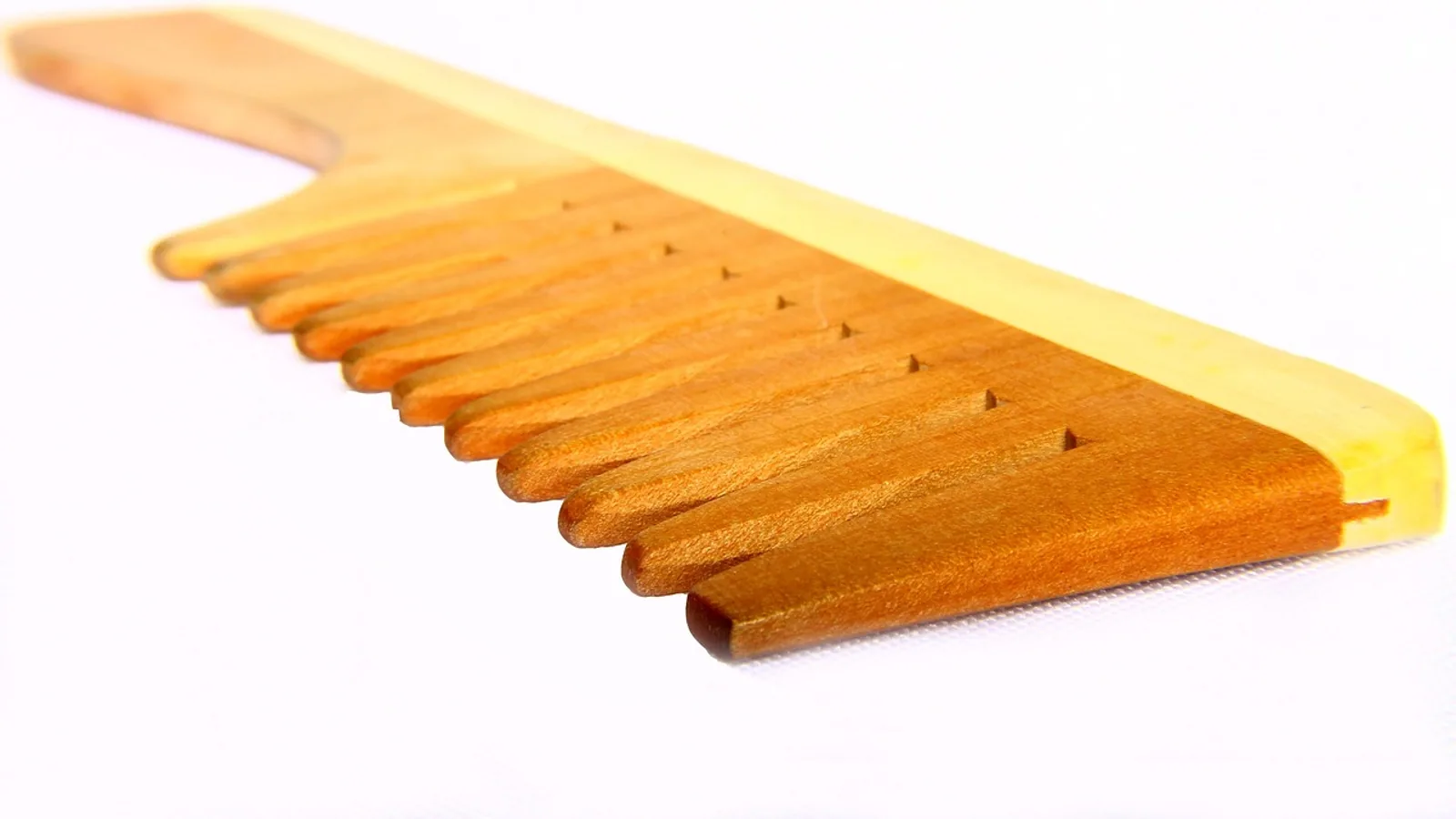
A lice comb is a fine-toothed tool that removes lice and their eggs from hair or fur. On people, the reliable method is wet combing with conditioner, working through the hair in small sections, wiping the comb on a tissue after each pass, and repeating every two to three days for at least two weeks. On pets, a fine-toothed comb is used mainly to find lice and confirm that treatment has worked, because animal lice are different species that do not infest humans and human head lice do not infest pets.
This article covers the practical technique for both situations, the evidence behind wet versus dry combing, how often to comb, and how to tell lice apart from fleas and mites. It also explains when itching points to something other than lice, such as scabies or an allergic skin disease.
This article is educational and is not a substitute for veterinary diagnosis or treatment.
At a Glance
| Question | Practical answer |
|---|---|
| Best combing method | Wet hair with conditioner, comb in small sections |
| Comb type | Fine-toothed detection comb with teeth close together |
| How often | Every 2 to 3 days during an active infestation |
| How long | At least 2 weeks, and until no lice are found on 2 to 3 consecutive sessions |
| Where to wipe the comb | Clean tissue or paper towel after every pass |
| Do human lice live on pets | No, head and body lice are human-specific |
| Do pet lice live on people | No, animal lice are host-specific |
| When to see a veterinarian | Pets with severe itching, hair loss, or skin damage |
What a Lice Comb Actually Does
A lice comb is a detection and removal tool. It is not a pesticide. Its job is to physically pull live lice and eggs out of hair or fur so you can see them, count them, and remove them.
The design matters. Lice combs have teeth spaced closely enough to catch a louse and its egg as the comb is drawn through the hair. Studies comparing comb types have found that combs with teeth spaced 0.15 mm to 0.18 mm apart perform similarly for detecting lice, so the exact spacing within that range is less important than using the comb correctly and consistently [1].
A lice comb is more sensitive than looking at the hair with your eyes. In one school screening study, detection combing found live lice in 96 of 461 children (21%), while visual inspection found live lice in only 30 children (6.5%) [2]. Detection combing was 3.84 times more effective than visual inspection for finding live lice. Another study reported that a fine-toothed comb detected infestation in 51.5% of children compared with 30.7% by visual exam, and the comb found a louse in an average of 57 seconds compared with 116.4 seconds for visual examination [3]. A separate comparison found the louse comb was four times more efficient than direct visual examination and twice as fast [4].
The practical takeaway is simple. If you want to know whether lice are present, comb the hair. Do not rely on a quick look.
Why Nits Alone Do Not Prove an Active Infestation
Nits are louse eggs or empty eggshells glued to the hair shaft. They are not proof that live lice are present right now. In one study, only 10 of 138 children (7.2%) who had nits but no live lice were found to have an active infestation 16 days later [2]. The same study concluded that nits are not a good indicator of active infestation.
This matters because many people treat nits as if they were live lice. Empty eggshells can stay glued to hair for a long time. A fine comb does not readily remove eggs or empty shells because the glue the female louse uses is very strong [5]. Finding nits is a reason to comb carefully and look for live lice, not a reason to panic.
Human Head Lice Versus Animal Lice


These are different problems with different solutions, and mixing them up leads to wasted effort.
Human Head Lice
Head lice (Pediculus humanus capitis) are human-specific. They feed on human blood, live on the human scalp, and spread from person to person through close head-to-head contact and, less often, through shared items such as combs, hats, and bedding [6]. They do not infest dogs, cats, or other pets.
Head lice are a nuisance but they do not transmit infectious diseases [7]. One molecular survey of head lice collected from schoolchildren in Paris found no evidence of Bartonella quintana, the bacterium associated with body lice, though Acinetobacter baumannii was detected in some samples [8]. That finding is a research observation and its significance is not yet established. The everyday point for families is that head lice are not a serious infectious disease threat.
Animal Lice
Animals get their own lice, and those lice are host-specific. Sheep, cattle, and other production animals have louse species adapted to them, and lice on production animals can cause economic losses through hide damage and downgrading of wool, hair, or fur [9]. Dogs and cats can also carry their own lice species. These animal lice do not infest humans.
This is the key distinction. A dog with lice will not give lice to a child, and a child with head lice will not give lice to a dog. If a pet has lice, the treatment is aimed at the pet and its environment, not at the family's scalps.
Lice Do Not Jump and Do Not Live Long Off the Host
Lice do not jump or fly. They crawl. They also do not survive long away from a host. This is why furniture and carpets are not the main source of reinfestation. The main source is direct contact with another infested person or animal.
For head lice, the most important route of spread is head-to-head contact. Shared combs, brushes, hats, and bedding can play a role, which is one reason not to share these items during an active infestation [6]. But the idea that lice are hiding all over the house waiting to re-infest you is not accurate.
Wet Combing Versus Dry Combing
Wet combing with conditioner is the standard approach for detecting and removing head lice. The conditioner lubricates the hair, stops lice from moving quickly, and makes it easier to see what the comb collects.
One study compared dry and wet combing strategies in schoolchildren and found no significant difference between the two for removing head lice [10]. That result might seem to argue against the wet method, but it needs context. The same study found that combing every second day for 14 days reduced adult lice numbers significantly, and no louse was found in 54.1% of children using the precision detection comb [10]. The broader body of work supports wet, conditioned combing as the most sensitive detection method [11].
Wet combing with conditioner has also been shown to be as effective as some over-the-counter lotions when used without supervision at home [11]. That does not mean conditioner kills lice. It means that consistent mechanical removal can control a light infestation.
Why Conditioner Helps
Conditioner does two things. It makes the hair slippery so the comb passes through without pulling, and it slows the lice down so they are easier to catch. It also makes it easier to wipe the comb clean and see what you have removed.
Do not expect conditioner or oil alone to kill lice. A clinical study of a shampoo containing 1% fractionated coconut oil found that two applications did not kill all stages of the louse life cycle, and the authors concluded that the limited activity seen was probably due to other ingredients such as detergents rather than the coconut oil itself [12]. Mechanical removal with a comb is the reliable part of the wet combing method.
Step-by-Step: How to Comb a Person's Hair for Head Lice
This is the technique used in detection and wet combing programs. It works on adults and children.
- Gather your supplies. You need a fine-toothed lice comb, a bottle of ordinary hair conditioner, a bowl of water or a sink, a clean towel, and several tissues or paper towels.
- Wet the hair thoroughly. Wash the hair, then apply a generous amount of conditioner. Leave it in. Do not rinse it out before combing.
- Detangle first. Use a regular comb or your fingers to remove tangles. This prevents the lice comb from snagging and makes the process faster.
- Work in small sections. Divide the hair into sections about 1 to 2 inches wide. Pin the rest of the hair out of the way. Combing the whole head in one pass misses lice.
- Comb from the scalp outward. Place the lice comb flat against the scalp at the roots. Draw it firmly from the roots to the ends of the hair in one smooth stroke. The teeth must reach the scalp, because that is where lice live and feed.
- Wipe the comb after every stroke. Wipe the comb on a tissue or paper towel. This removes lice, eggs, and conditioner. Look at the tissue each time. This is how you find lice and track how many are left.
- Repeat over the same section. Comb each section several times, changing the angle slightly each pass. Then move to the next section.
- Work around the whole head. Pay special attention to the areas behind the ears and at the nape of the neck. These are common places for lice to gather.
- Rinse and check. After combing the whole head, rinse the conditioner. Inspect the scalp and hair under good light. A magnifying lamp helps.
- Clean the comb. Rinse the comb under hot running water and remove any debris. Do not share the comb with anyone else during an active infestation.
How Often to Comb
For an active infestation, comb every two to three days. In the study that used a precision detection comb, combing every second day for 14 days was effective at reducing lice numbers [10]. A practical schedule is to comb on day 1, day 3, day 5, day 7, day 9, day 11, and day 13, then continue until you have two or three consecutive sessions with no lice found.
Continue for at least two weeks. This is not arbitrary. Head lice eggs hatch over a period of days, and a single combing session will not catch every louse at every stage. The two-week window covers the hatching period so that newly hatched lice are removed before they can lay more eggs.
What to Do With What You Find
Live lice are usually tan, gray, or reddish-brown and about the size of a sesame seed. They move. Nits are smaller, oval, and glued to the hair shaft, usually close to the scalp. They do not move.
Wipe everything onto the tissue and dispose of it. If you find many live lice, comb more frequently and consider whether other household members need to be checked. If you find only nits and no live lice, keep combing on schedule and watch for live lice.
Step-by-Step: How to Comb a Pet for Lice
The technique for pets is similar in principle but different in practice. Fur is denser than hair, and pets may not tolerate long combing sessions.
- Choose the right comb. Use a fine-toothed comb designed for pets. The teeth should be close enough to catch lice and eggs but not so close that they pull the skin.
- Work in good light. Natural light or a bright lamp helps you see lice and eggs. Lice on pets are often visible as small moving specks or as eggs glued to hair shafts.
- Part the fur in sections. Use your fingers or a regular comb to part the fur down to the skin. Work in small sections, just as you would on a person.
- Comb against the direction of hair growth. This brings lice and eggs to the surface where you can see them. Comb from the skin outward.
- Wipe the comb after each pass. Use a tissue or paper towel. Look at what you remove.
- Check the common areas. Lice tend to gather around the ears, neck, shoulders, and along the back. Check these areas carefully.
- Keep sessions short. Many pets will not tolerate a long combing session. Work in short sessions and take breaks. Use treats and praise to keep the experience positive.
- Repeat regularly. Comb every few days during an active infestation. Your veterinarian can advise on the right schedule for your pet's specific situation.
- Clean the comb. Rinse it after use and do not share it between pets.
Why Combing Matters for Pets
For pets, the comb serves two main purposes. It helps you find lice and confirm the diagnosis, and it helps you check whether treatment is working. A louse comb is one of the most effective tools for detecting live lice at an early stage and for confirming that treatment has been successful [13].
Combing is not usually the whole treatment for a pet with lice. Your veterinarian will recommend an appropriate treatment for the species and the severity of the infestation. The comb is part of the plan, not a replacement for it.
Lice Versus Fleas Versus Mites
These three parasites cause itching and skin problems, but they are different in size, mobility, host range, and risk to humans. The table below summarizes the key differences.
| Feature | Lice | Fleas | Mites |
|---|---|---|---|
| Size | 1 to 3 mm, visible to the eye | 1 to 3 mm, visible to the eye | 0.1 to 0.4 mm, usually not visible without magnification |
| Mobility | Crawl, do not jump or fly | Jump | Crawl, very slow |
| Host | Host-specific. Human lice on humans, animal lice on animals | Broad host range. Can bite humans and animals | Host-specific or broad depending on species |
| Where they live | On the host, close to skin or hair | On the host, but adults can live in bedding and carpets | On the host, often in hair follicles or on skin surface |
| Bite pattern | Feed on blood, cause itching and sometimes small red bumps | Feed on blood, cause itching and small red bumps, often in clusters | Burrow or feed on skin, cause intense itching and rash |
| Zoonotic risk | Human lice do not infest pets. Animal lice do not infest humans | Can bite humans, but do not infest humans long-term | Some mites can transfer between species and cause temporary itching |
| Main spread | Direct contact, shared items | Direct contact, contaminated environments | Direct contact, shared bedding |
Lice
Lice are wingless insects that live on the host. They do not jump. They crawl from one host to another during close contact. Human head lice spread mainly through head-to-head contact [6]. Animal lice spread through direct contact between animals.
Fleas
Fleas are larger and more mobile. They jump. They can live in bedding and carpets for part of their life cycle, which is why treating the environment matters for flea control. Fleas can bite humans, but they do not infest humans the way lice do.
Mites
Mites are much smaller and usually invisible without magnification. Some mites cause intense itching and skin rash. Scabies is caused by a mite that burrows into the skin. Scabies is not the same as lice, and it requires different treatment.
What This Means for You
If you find lice on a person, treat the person and check close contacts. If you find lice on a pet, treat the pet and follow your veterinarian's advice. Do not assume that lice on a pet came from a person or that lice on a person came from a pet. They are different parasites.
When Itching Means Something Else
Itching is the most common sign of lice, but it is not specific. Many skin conditions cause itching, and some of them require different treatment.
Scabies
Scabies is caused by a mite that burrows into the skin. It causes intense itching that is often worse at night. The rash may appear as small bumps or lines on the skin. Scabies is not lice, and a lice comb will not diagnose or treat it. If itching is severe, widespread, or accompanied by a rash that does not look like lice bites, see a healthcare provider.
Allergic Skin Disease
Pets with allergic skin disease often itch intensely, especially around the face, paws, ears, and belly. Allergies can cause hair loss, redness, and skin infections. A lice comb will not find lice in these cases because lice are not the cause. If your pet is itching and you cannot find lice or fleas, a veterinary examination is the next step.
Other Causes of Itching
Other causes of itching in pets include dry skin, skin infections, and reactions to food or environmental allergens. In people, itching can be caused by dry skin, eczema, contact reactions, and other conditions. The presence of lice on a comb is the finding that confirms lice. Itching alone does not.
Common Mistakes With Lice Combs
Using the Wrong Comb
A regular hairbrush or wide-toothed comb will not catch lice. You need a fine-toothed lice comb. Combs with teeth spaced 0.15 mm to 0.18 mm apart work well [1].
Combing Dry Hair Only
Dry combing can work, but wet combing with conditioner is more sensitive for detection and is the recommended method in control programs [11]. Conditioner slows the lice and makes the comb pass more easily.
Skipping Sections
Lice can be anywhere on the scalp. If you comb only the top of the head or the visible areas, you will miss lice behind the ears and at the nape of the neck. Work in small sections and cover the whole head.
Not Wiping the Comb
If you do not wipe the comb after each stroke, you cannot see what you have removed, and you may spread lice back into the hair. Wipe the comb on a tissue every time.
Stopping Too Soon
Finding no lice on one combing session does not mean the infestation is over. Eggs may still hatch. Continue combing every two to three days for at least two weeks [10].
Relying on Nits as Proof of Active Infestation
Nits can be empty eggshells. Only live lice confirm an active infestation. Keep combing and look for moving lice [2].
Sharing Combs
Do not share combs, brushes, hats, or bedding during an active infestation. Head lice can spread through shared items [6].
Equipment and Supplies
You do not need much to comb for lice effectively.
- A fine-toothed lice comb. Metal or plastic both work. The teeth should be close together and sturdy.
- Ordinary hair conditioner. Any conditioner works. It does not need to be medicated.
- A bowl of water or access to a sink. For wetting the hair and rinsing the comb.
- Tissues or paper towels. For wiping the comb after each stroke.
- Good lighting. Natural light or a bright lamp. A magnifying lamp helps.
- A regular comb or brush. For detangling before you use the lice comb.
- A towel. To catch drips and keep the person comfortable.
For pets, you need a pet-specific fine-toothed comb, good lighting, and treats or praise to keep the session positive.
Welfare and Safety Points
Combing should not hurt. If the comb pulls or scratches, the teeth may be too close together, or you may be pressing too hard. Use gentle, firm strokes.
For children, keep the session calm and positive. Combing can be boring and uncomfortable. A favorite show or a timer can help. Do not make the child feel ashamed. Head lice are common and are not a sign of poor hygiene.
For pets, watch for signs of stress. If your pet pulls away, pants, or tries to hide, stop and try again later. Short sessions are better than long ones. Never force a combing session on a pet that is frightened or in pain.
If the skin is broken, red, or infected, do not continue combing over the affected area. See a healthcare provider or veterinarian.
Limitations and When to Contact a Veterinarian
This article is educational and is not a substitute for veterinary diagnosis or treatment. Individual cases need a veterinarian.
Contact a veterinarian if your pet has any of the following:
- Severe itching that does not improve
- Hair loss or bald patches
- Red, inflamed, or broken skin
- Signs of skin infection such as pus, crusting, or a bad smell
- Lice that do not go away despite treatment
- Lice on multiple pets in the household
- Any new or worsening symptoms
For people, contact a healthcare provider if itching is severe, if the skin is infected, if you cannot find lice but itching continues, or if the infestation does not respond to combing and appropriate treatment.
Frequently Asked Questions
How often should I use a lice comb?
Comb every two to three days during an active infestation. In one study, combing every second day for 14 days reduced lice numbers significantly [10]. Continue until you have two or three consecutive sessions with no lice found.
Is wet combing better than dry combing?
Wet combing with conditioner is the recommended method for detection because it is more sensitive [11]. One study found no significant difference between wet and dry combing for removal, but the broader evidence supports wet combing as the standard approach [10].
Can my pet give me lice?
No. Animal lice are host-specific and do not infest humans. Human head lice do not infest pets. If you have lice, you got them from another person, not from your dog or cat.
Do lice jump or live in furniture?
Lice do not jump or fly. They crawl. They also do not survive long away from a host. Furniture and carpets are not the main source of reinfestation. Direct contact with an infested person or animal is the main route of spread.
How do I know if it is lice or something else?
A lice comb is the most reliable way to find lice. If you comb carefully and find no lice but itching continues, the cause may be something else, such as scabies, allergies, or another skin condition. See a healthcare provider or veterinarian for evaluation.
Can I use a lice comb on my pet?
Yes, a fine-toothed pet comb can be used to find lice and check whether treatment is working. It is not a substitute for veterinary treatment. Ask your veterinarian for advice on the right comb and schedule for your pet.
How long do I need to keep combing?
Keep combing for at least two weeks, and continue until you have two or three consecutive sessions with no lice found. This covers the egg hatching period so that newly hatched lice are removed before they can lay more eggs [10].
What should I do if combing does not get rid of the lice?
If combing does not control the infestation, see a healthcare provider or veterinarian. For people, other treatments may be needed. For pets, your veterinarian can recommend an appropriate treatment for the species and severity of the infestation.
Related Articles
- Dog Flea Comb: How to Use It to Check for Fleas
- Comb Honey Production and Packaging
- Cat Aggression Towards People: Why and What to Do
- Wax Moth Prevention and Comb Storage
- Comb Replacement and Wax Management in Beekeeping
- How to Stop a Dog from Jumping on People: Training That Works
- Metronidazole Side Effects in Pets and People
- Meloxicam vs Celebrex: NSAID Comparison for Pets and People
Sources
- Comparison of two combs in the detection of head lice in school children.
- Plastic detection comb better than visual screening for diagnosis of head louse infestation.
- [[Metal microchanelled fine-toothed comb use in the diagnosis of pediculosis].](https://pubmed.ncbi.nlm.nih.gov/20191173/)
- Louse comb versus direct visual examination for the diagnosis of head louse infestations.
- Do nit removal formulations and other treatments loosen head louse eggs and nits from hair?
- Pediculus capitis infestation according to sex and social factors in Hamedan-Iran.
- Head lice.
- No evidence of Bartonella quintana but detection of Acinetobacter baumannii in head lice from elementary schoolchildren in Paris.
- Resistance and the control of lice on humans and production animals.
- Treatment of head lice (Pediculus humanus capitis) infestation: is regular combing alone with a special detection comb effective at all levels?
- Control of head lice: past, present and future.
- ''Anti-lice Protector Shampoo'': Clinical Study Shows Lack of Efficacy of Coconut Oil Derivatives in the Elimination of Head Louse Infestation.
- Prevention and treatment of head lice in children.