How To Treat Ringworm In Scalp At Home
By Dr. Zubair Khalid, DVM, MS, PhD ·
Key Takeaways
- Ringworm in pets is a fungal infection caused by dermatophytes, most commonly Microsporum canis, Microsporum gypseum, and Trichophyton mentagrophytes, which thrive in warm, humid environments and can survive on fomites for extended periods.
- While mild cases may resolve spontaneously, professional veterinary diagnosis and treatment are strongly recommended, particularly for scalp or facial lesions, as prescription oral antifungal medications are often necessary for a complete cure.
- Home care for confirmed ringworm involves topical antifungal treatments such as miconazole or clotrimazole creams, and potentially lime sulfur dips, always under veterinary guidance to avoid toxicity from human-grade products.
- Environmental decontamination is critical due to the longevity of ringworm spores (up to 18 months), necessitating daily vacuuming with HEPA filters, washing bedding and toys in hot water, and disinfecting hard surfaces with a 1:10 bleach solution or commercial antifungal cleaners.
- Veterinary diagnosis typically involves a Wood's lamp examination, fungal culture (the gold standard), and microscopic examination of samples to identify fungal spores, guiding treatment with oral antifungals like itraconazole or terbinafine, and topical therapies.
- Prevention strategies include quarantining new pets for at least two weeks, maintaining good personal hygiene after handling animals, regular environmental cleaning, and avoiding contact with known infected animals or individuals.
Ringworm is a common fungal infection that can affect both humans and pets, including dogs, cats, and small mammals. Despite its name, ringworm is not caused by a worm but by a group of fungi called dermatophytes. When a pet has ringworm on the scalp (or more commonly on the face, ears, or paws), it can cause circular patches of hair loss, redness, scaling, and itching. While veterinary treatment is essential for a full cure, there are several steps you can take at home to support your pet's recovery and prevent the infection from spreading to other animals or family members.
This article provides a clinical yet accessible guide on how to treat ringworm in scalp at home, based on international veterinary consensus statements from organizations such as the American Veterinary Medical Association (AVMA), the Canadian Veterinary Medical Association (CVMA), and the Australian Veterinary Association (AVA).
Quick Q&A: Common Questions
Question: Can I treat my pet's ringworm at home without seeing a vet?
Answer: While mild cases of ringworm can sometimes resolve on their own, professional veterinary diagnosis and treatment are strongly recommended. Home care, including topical antifungal treatments and environmental cleaning, can help manage the infection, but prescription oral medications are often needed for a complete cure, especially for ringworm on the scalp or face.
What Causes Ringworm in Pets?
Ringworm is caused by dermatophyte fungi, most commonly Microsporum canis, Microsporum gypseum, and Trichophyton mentagrophytes. These fungi thrive in warm, humid environments and can survive on surfaces, bedding, grooming tools, and even in soil for months. Pets become infected through direct contact with an infected animal, contaminated objects (fomites), or fungal spores in the environment.
Ringworm is zoonotic, meaning it can spread from pets to humans and vice versa. Children, elderly individuals, and immunocompromised people are particularly susceptible. Therefore, treating ringworm in pets is not only important for their health but also for protecting your family.
Home Care for Ringworm on the Scalp
If your veterinarian has confirmed ringworm and prescribed a treatment plan, the following home care measures can help speed up recovery and reduce the risk of reinfection.
Topical Antifungal Treatments
For ringworm on the scalp, face, or ears, topical antifungal medications are often used in combination with oral drugs. Common over-the-counter options include:
- Miconazole cream or shampoo: Effective against many dermatophytes. Apply a thin layer to affected areas as directed by your vet.
- Clotrimazole cream: Another broad-spectrum antifungal suitable for small lesions.
- Lime sulfur dips: A traditional treatment for ringworm in pets. These dips have a strong odor (like rotten eggs) and can stain fur, but they are very effective. Always wear gloves and use in a well-ventilated area.
Important: Never use human antifungal products on your pet without veterinary approval, as some ingredients can be toxic if ingested. Your vet may prescribe veterinary-specific formulations (e.g., enilconazole or ketoconazole shampoos).
Oral Medications
For ringworm on the scalp or widespread infections, oral antifungal drugs are usually required. The most common medications include:
- Itraconazole: Often the drug of choice for cats and dogs. It is well-tolerated and highly effective.
- Terbinafine: An alternative for pets that cannot take itraconazole.
- Griseofulvin: An older drug that is still used in some cases but has more side effects.
These medications are available only by prescription. Follow your veterinarian's dosing instructions carefully and complete the full course of treatment, which may last 4 to 8 weeks or longer.
Environmental Decontamination
Ringworm spores can survive in your home for up to 18 months, so thorough cleaning is essential to prevent reinfection.
- Vacuum daily: Use a vacuum with a HEPA filter to remove hair and spores from carpets, furniture, and floors. Dispose of the vacuum bag immediately.
- Wash bedding and toys: Use hot water (above 140°F/60°C) and a fungicidal detergent. Bleach can be added if safe for the fabric.
- Disinfect hard surfaces: Clean floors, walls, and counters with a 1:10 bleach solution (1 part bleach to 10 parts water) or a commercial antifungal cleaner (e.g., accelerated hydrogen peroxide).
- Limit your pet's access: Confine your pet to a single, easily cleaned room until the infection is resolved.
What to Expect at the Vet
When you bring your pet to the veterinarian for suspected ringworm, the diagnostic process typically includes:
- Wood's lamp examination: A special ultraviolet light that causes some ringworm fungi to glow yellow-green. However, not all species fluoresce, so a negative result does not rule out infection.
- Fungal culture: The gold standard for diagnosis. Hair or skin scrapings are placed on a special medium and observed for growth over 7 to 14 days.
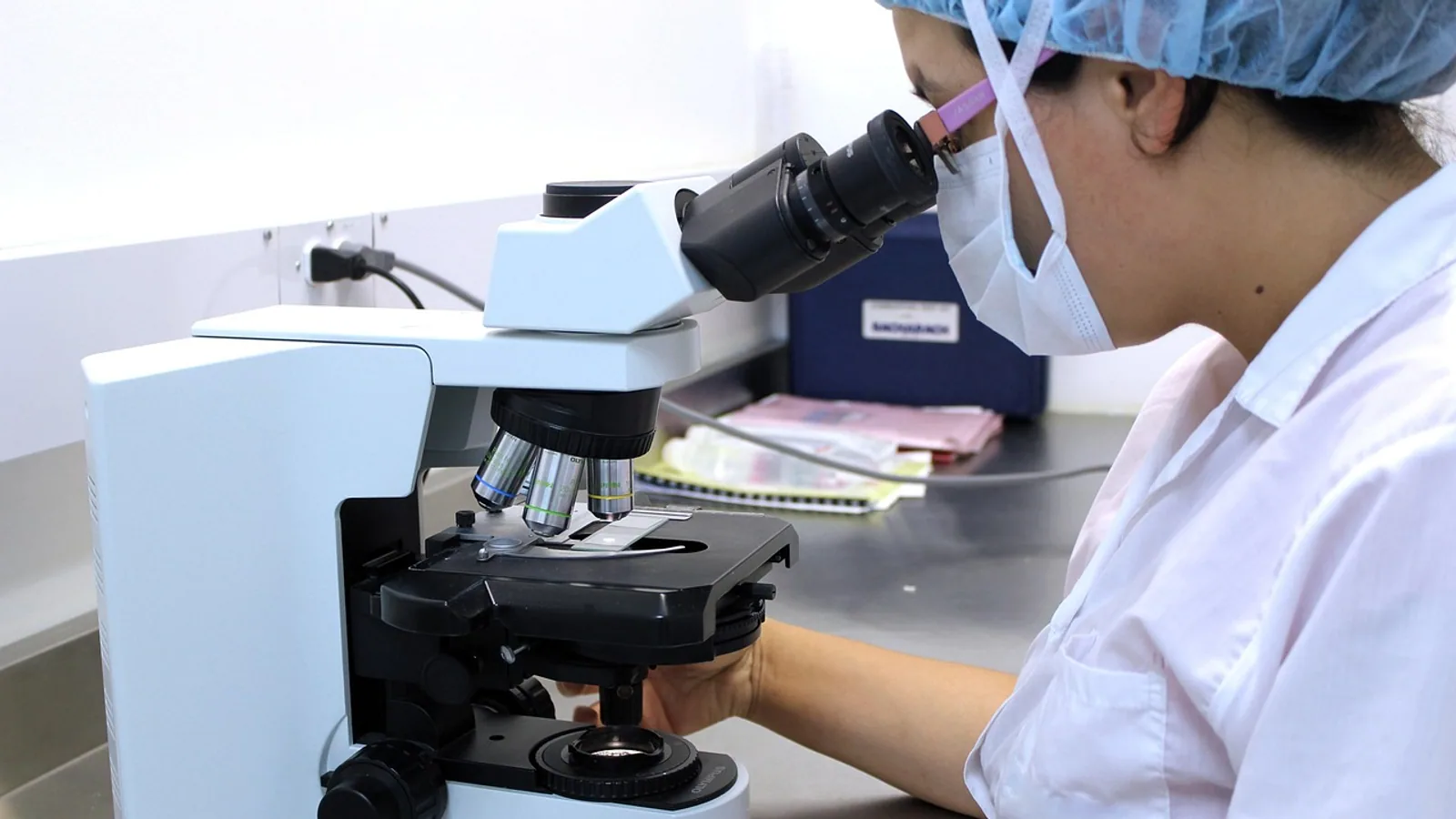
- Microscopic examination: A sample of hair or scale is examined under a microscope to identify fungal spores.
Once diagnosed, your vet will recommend a treatment plan tailored to your pet's age, health status, and the severity of the infection. This may include a combination of oral medications, topical treatments, and medicated shampoos.
Prevention Tips
Preventing ringworm is easier than treating it. Follow these guidelines to reduce your pet's risk:
- Quarantine new pets: Isolate new animals for at least 2 weeks and have them checked by a veterinarian before introducing them to your household.
- Maintain good hygiene: Regularly wash your hands after handling pets, especially those with skin lesions.
- Keep your home clean: Vacuum frequently and wash pet bedding in hot water.
- Avoid contact with infected animals: If you know a pet or person has ringworm, keep your pet away until treatment is complete.
When to Seek Veterinary Care
While home care can support treatment, ringworm on the scalp or face requires professional management. Contact your veterinarian if:
- The lesions are spreading or not improving after 2 weeks of home treatment.
- Your pet is in pain or excessively scratching.
- Other pets or family members develop skin lesions.
- Your pet is very young, old, or has a weakened immune system.
Remember, ringworm is a treatable condition, and with proper veterinary guidance and diligent home care, most pets make a full recovery without long-term effects. Always consult your veterinarian before starting any new treatment regimen.