Home Remedies For Cats Ringworm Infection
By Dr. Zubair Khalid, DVM, MS, PhD ·
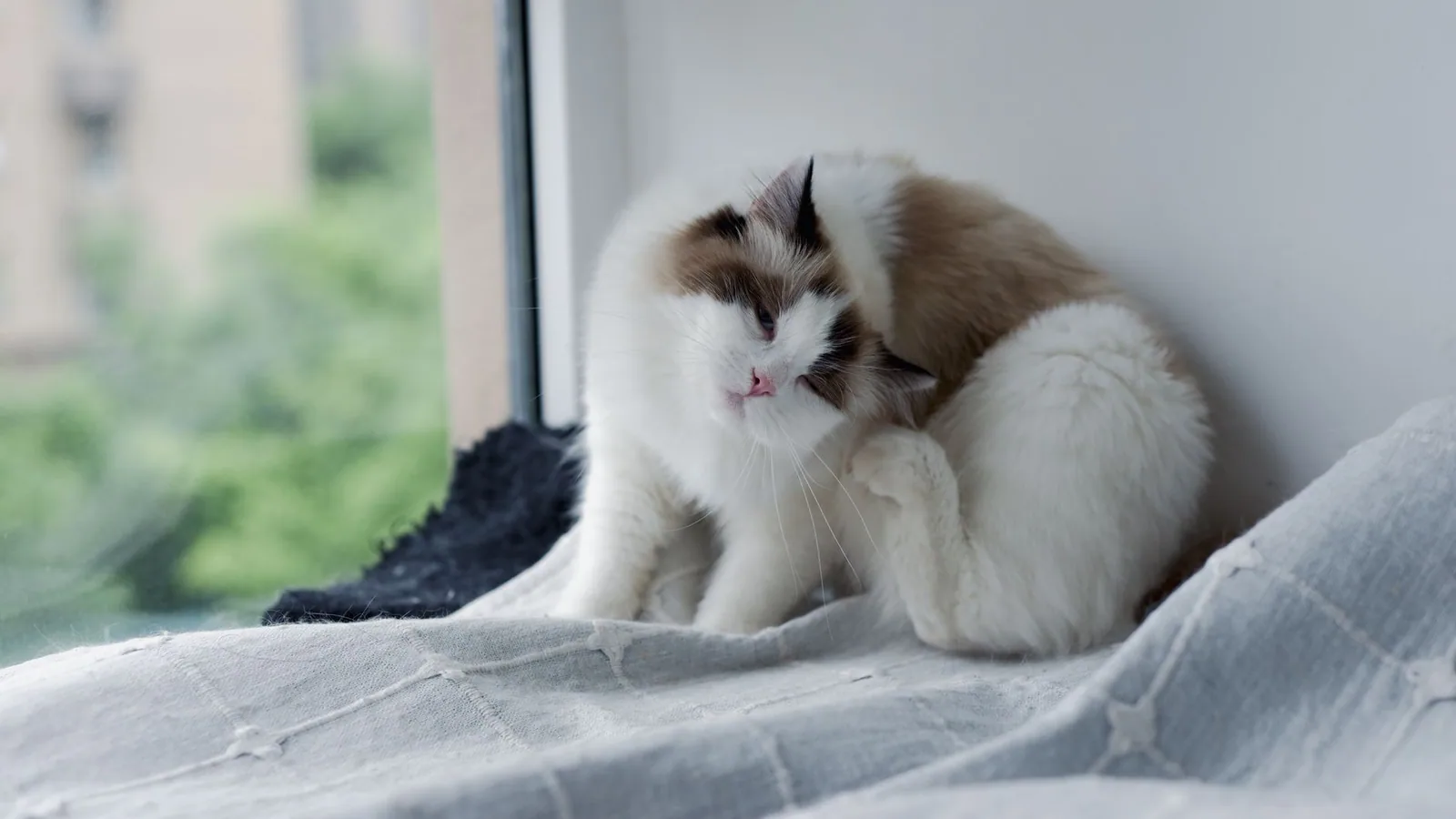
Ringworm is a common fungal infection in cats, caused by dermatophytes such as Microsporum canis. Despite its name, no worm is involved; the infection appears as circular patches of hair loss, scaling, and redness. It is highly contagious to other pets and to humans (zoonotic). While veterinary treatment is the gold standard, many owners seek supportive home care to speed recovery and reduce environmental contamination. This article outlines safe, evidence-based home remedies for cat ringworm infection, with a focus on hygiene and topical measures.
Key Takeaways
- Ringworm is a contagious zoonotic fungal infection (dermatophytosis, primarily Microsporum canis) of keratinized hair, skin, and claws; it is NOT caused by a parasitic worm.
- DIY home remedies (such as apple cider vinegar, bleach, tea tree oil, or garlic) are ineffective against dermatophytes and risk severe chemical skin burns and fatal feline toxicity (tea tree oil and garlic are highly toxic to cats).
- Gold-standard veterinary treatment requires multimodal therapy: whole-body topical antifungal dips (2%–4% lime sulfur or miconazole/chlorhexidine shampoo) paired with oral systemic antifungals (itraconazole or terbinafine).
- Environmental decontamination is essential: fungal spores survive on surfaces for up to 18 months; perform daily vacuuming and disinfect non-porous areas with accelerated hydrogen peroxide or dilute bleach (1:32 dilution).
- Cure is clinically verified only after obtaining two consecutive negative fungal cultures (DTM) or negative PCR tests collected at 1- to 2-week intervals during active treatment.
Quick Q&A: Common Questions
Question: Can I use over-the-counter antifungal creams meant for humans on my cat's ringworm?
Answer: Not recommended unless specifically formulated for cats. Human creams often contain ingredients that are toxic if ingested (cats groom frequently) or may delay healing. Always consult your veterinarian first. Safer home options include lime sulfur dips or medicated wipes approved for feline use.
Understanding Ringworm in Cats
Ringworm is not a parasite but a fungal infection of the skin, hair, and nails. It spreads through direct contact with infected animals or contaminated objects (bedding, brushes, furniture). Kittens, long-haired cats, and those with compromised immune systems are especially vulnerable. Clinical signs include:
- Circular or irregular patches of alopecia (hair loss)
- Crusting, scaling, or dandruff
- Reddened skin
- Broken or brittle hairs
- Occasionally, inflamed nail beds
Diagnosis by a veterinarian is important because other conditions (e.g., flea allergy dermatitis, bacterial infection) can look similar. The AVMA and CVMA recommend confirmation via Wood’s lamp screening, fungal culture, or PCR testing before starting treatment.
Safe Home Remedies for Cat Ringworm
Home care should complement, not replace, professional veterinary advice. The goals are to reduce fungal load on the cat’s skin, prevent environmental spread, and support the immune system.
1. Topical Lime Sulfur Dips
Lime sulfur solution is a well-established antifungal and antiseptic. It is safe for cats over 4 weeks old when used as directed. Dilute according to the product instructions (typically 8 mL per liter of water) and sponge onto the cat’s coat weekly. Protect your cat’s eyes and ears. The smell is strong, but it is highly effective. Many veterinary guidelines, including those from the World Small Animal Veterinary Association, consider lime sulfur dips a first-line topical option.
2. Medicated Shampoos
Shampoos containing chlorhexidine, ketoconazole, or miconazole can be used 2-3 times per week. Lather gently, leave on for 5-10 minutes, then rinse thoroughly. These shampoos help reduce spore load and soothe irritated skin. Always use a product labeled for cats, as dog shampoos may contain ingredients toxic to felines.
3. Apple Cider Vinegar (Diluted)
Raw, unfiltered apple cider vinegar has mild antifungal properties. Dilute 1 part vinegar with 1 part water (or 1:3 for sensitive skin) and apply to affected areas with a cotton ball, avoiding open wounds. Do not use on raw or broken skin. While not a cure, it may help dry out lesions and discourage licking. Per European Medicines Agency guidelines for topical products, it should never replace proven antifungal therapy.
4. Coconut Oil
Virgin coconut oil contains medium-chain fatty acids with antifungal activity. Apply a thin layer to ringworm patches once daily. It can soothe dryness and reduce scaling. However, coconut oil is greasy and may attract dirt. Monitor your cat for gastrointestinal upset if they lick it off in large amounts.
5. Environmental Decontamination
Fungal spores survive in the environment for up to 18 months. Rigorous cleaning is essential:
- Vacuum all carpets, upholstery, and floors daily. Dispose of vacuum bag immediately.
- Wash all bedding, blankets, and soft toys in hot water with bleach (1 cup per load) or a fungicidal laundry additive.
- Disinfect hard surfaces with a 1:10 bleach solution (1 part bleach to 10 parts water) or accelerated hydrogen peroxide cleaner. Allow a 10-minute contact time.
- Restrict the infected cat to a single, easy-to-clean room during treatment.
6. Boost Immunity
A balanced diet rich in omega-3 fatty acids, adequate protein, and probiotics may support a faster recovery. Ensure fresh water is always available. Reduce stress with enrichment: scratching posts, vertical space, and predictable routines. Stress can suppress immunity and prolong infection.
When to Visit the Veterinarian
Home remedies alone are rarely sufficient for ringworm. You should seek professional advice if:
- The lesions are widespread or worsening after 2 weeks of home care.
- Your cat is very young, old, or has a chronic disease (e.g., FIV, FeLV).
- Other pets or family members develop skin lesions.
- The cat shows signs of systemic illness (lethargy, fever, poor appetite).
A veterinarian may prescribe oral antifungal medications such as itraconazole or terbinafine, which are more reliable for eliminating infection. They can also perform a fungal culture to confirm cure. The Australian Veterinary Association emphasises that treatment should continue until two negative cultures are obtained, typically 4-6 weeks.
Preventing Recurrence
Ringworm can recur if spores remain in the environment or if the cat’s defences weaken. Follow these prevention tips:
- Continue cleaning routines for at least 4 weeks after visible lesions resolve.
- Quarantine new pets until they are vet-checked and free of skin disease.
- Groom and inspect your cat’s skin regularly.
- Maintain a low-stress environment and optimal nutrition.
Per AAHA infection control guidelines, ringworm is considered a controlled contagious disease. With diligent home care and veterinary oversight, most cats recover fully without complications.