How To Get Rid Of Ringworm In A Home
By Dr. Zubair Khalid, DVM, MS, PhD ·
Key Takeaways
- Ringworm is a contagious fungal infection caused by dermatophytes, not a parasitic worm, and its spores can remain viable in the environment for up to 18 months, necessitating rigorous decontamination.
- Effective home decontamination requires a two-pronged approach: isolating the infected pet to a single, easily cleaned area and systematically treating the environment with fungicidal agents and heat.
- Environmental cleaning protocols include daily vacuuming with HEPA filters, immediate disposal of vacuum contents, laundering soft items in hot water (≥140°F/60°C) with fungicidal detergents or bleach, and disinfecting hard surfaces with diluted bleach or accelerated hydrogen peroxide.
- Grooming tools and accessories must be disinfected daily, and items that cannot be thoroughly cleaned, such as certain pet furniture, may need to be discarded.
- Veterinary diagnosis relies on Wood's lamp examination, microscopy, and fungal culture, with treatment often involving topical antifungal shampoos and oral medications like itraconazole or terbinafine, and hair clipping in long-haired animals to reduce spore shedding.
- Preventing reinfection and transmission involves quarantining new pets, regular grooming with tool disinfection, and protecting immunocompromised individuals from contact with infected animals until veterinary clearance is obtained via negative fungal cultures.
Ringworm is not a worm at all, but a highly contagious fungal infection caused by dermatophytes such as Microsporum canis. It affects the skin, hair, and nails of pets, and can spread to humans (zoonosis). Getting rid of ringworm requires a two-pronged approach: treating your pet and thoroughly decontaminating your living space. Without proper environmental cleaning, reinfection is common. This guide provides a step-by-step plan aligned with recommendations from the American Veterinary Medical Association (AVMA), the Canadian Veterinary Medical Association (CVMA), and the European Federation of Veterinary Associations (FVE).
Quick Q&A: Common Questions
Question: How long does ringworm survive in a home without a host?
Answer: Ringworm spores can remain infectious in your home for up to 18 months, especially in carpets, upholstery, and bedding. Because the spores are resistant to many common household cleaners, you must use specific antifungal disinfectants (e.g., diluted bleach or accelerated hydrogen peroxide) and perform frequent, thorough vacuuming to break the cycle.
Understanding Ringworm: Causes and Transmission
Ringworm is caused by dermatophyte fungi that feed on keratin. Pets acquire spores through direct contact with an infected animal or contaminated objects (fomites) such as brushes, bedding, or furniture. Cats, especially long-haired breeds, are common carriers, but dogs, rabbits, and other pets can also contract it. The AVMA and AAHA emphasise that ringworm is highly contagious, so isolation of affected pets is critical during treatment.
How Spread Occurs in the Home
- Shedding spores: Infected pets shed microscopic spores into the environment. These spores can be carried on dust particles and even by air currents.
- Contaminated surfaces: Sofas, carpets, pet beds, crates, and grooming tools serve as reservoirs. Even floors and walls can harbour spores.
- Reinfection cycle: If only the pet is treated but the environment is not cleaned, spores re-infect the animal once treatment stops.
Step-by-Step Home Decontamination
A systematic cleaning regimen, repeated at least twice weekly for several weeks, is essential. Consult your veterinarian for a timeline based on your pet's specific infection.
1. Isolate the Affected Pet
- Keep the infected pet in one easily cleaned room (e.g., a bathroom or laundry room) with minimal soft furnishings.
- Ideally, use a room with hard floors (tile, linoleum) rather than carpet.
- Limit the pet's access to the rest of the house until multiple fungal cultures come back negative (as advised by the CVMA).
2. Remove and Launder Soft Items
- Bedding, blankets, toys, and any washable fabric should be washed in hot water (140°F/60°C) with a fungicidal detergent. Chlorine bleach can be added if the fabric allows (1 part bleach to 10 parts water).
- Dry on the highest heat setting. The heat kills spores.
- For items that cannot be washed (e.g., large pet beds, pillows), consider discarding or sealing in plastic bags for at least 6 months.
3. Vacuum Regularly and Properly
- Vacuum all carpets, upholstery, curtains, and every crevice daily. Use a vacuum with a HEPA filter to trap spores rather than blow them back out.
- After each vacuuming, immediately dispose of the vacuum bag or clean the canister outside the home. The FVE recommends sealing the bag in a plastic bin bag before discarding.
4. Disinfect Hard Surfaces
- Use an antifungal cleaner. Common options include:
- Bleach solution: 1 part household bleach to 10 parts water. Leave on surfaces for at least 10 minutes before rinsing. (Test on a small area first to avoid damage.)
- Accelerated hydrogen peroxide products (e.g., Rescue, Accel), these are effective and safer for many surfaces.
- Wipe down floors, walls, countertops, windowsills, and any surface the pet may touch. Pay special attention to light switches, door handles, and other high-touch areas.
- Steam cleaning carpets at temperatures above 140°F/60°C can also help, but it must be done with an antifungal solution.
5. Treat Grooming Tools and Accessories
- Brushes, combs, collars, and leashes should be disinfected daily (soak in bleach solution for 10 minutes or wash in hot, soapy water and dry).
- Consider replacing items like scratching posts or cat trees that cannot be effectively cleaned.
6. Prevent Airborne Spores
- During cleaning, wear disposable gloves and a mask to avoid inhaling spores or spreading them to other areas.
- Close windows of the isolation room to minimise air currents carrying spores, but open them after cleaning for ventilation.
What to Expect at the Vet
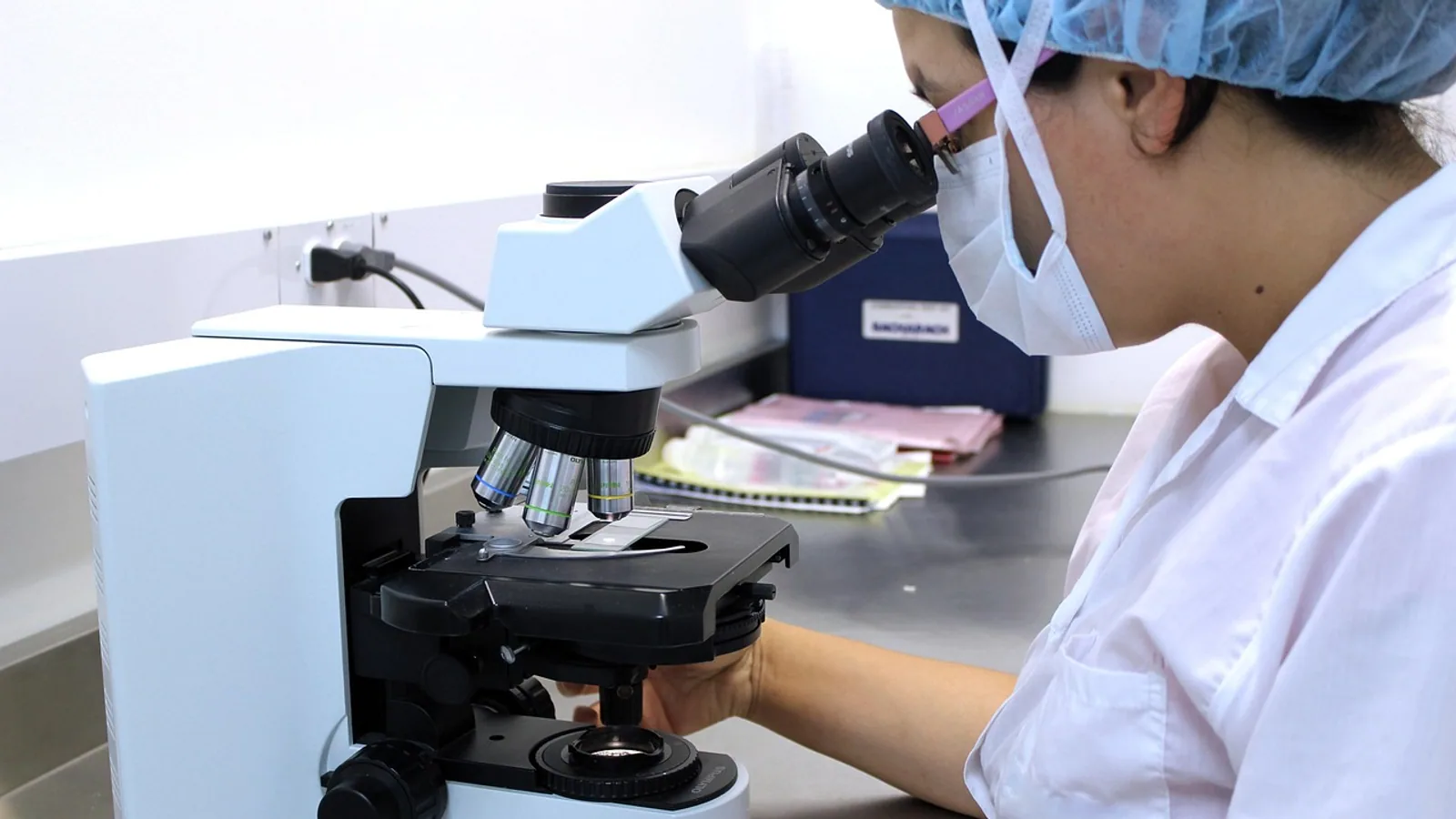
Your veterinarian will diagnose ringworm using a combination of Wood's lamp examination, microscopy, and fungal culture (the gold standard per AAHA guidelines). Treatment may include:
- Topical therapy: Medicated shampoos (e.g., chlorhexidine, miconazole, lime sulfur dips) applied twice weekly.
- Oral antifungal medication: Itraconazole or terbinafine for several weeks. Never stop early, even if the skin looks better.
- Clipping hair: In long-haired pets, clipping infected areas can reduce spore shedding and improve topical penetration.
Your vet will likely recommend repeat fungal cultures every 2-4 weeks to confirm the infection is gone. The AVMA notes that a negative culture is the only reliable way to ensure your pet is no longer contagious.
Prevention: Keeping Ringworm Out of Your Home
- Quarantine new pets: Before introducing a new cat or dog, have it screened for ringworm, especially if it came from a shelter or cattery.
- Regular grooming: Brush your pet outdoors and clean grooming tools after each use.
- Veterinary check-ups: Annual wellness exams help catch skin issues early.
- Protect immunocompromised individuals: Because ringworm is zoonotic, people with weakened immune systems, children, and the elderly should avoid contact with an infected pet until cleared.
With consistent cleaning and veterinary treatment, most homes are ringworm-free within 4 to 6 weeks. Patience is key: even one missed cleaning can allow spores to persist. Following the protocols recommended by the AVMA/CVMA/FVE will give you the best chance at a lasting cure.