How To Cure Ringworm Fast At Home For Kids
By Dr. Zubair Khalid, DVM, MS, PhD ·
Key Takeaways
- Ringworm is a zoonotic superficial fungal infection caused by dermatophyte fungi, not a helminth, and presents as characteristic circular, erythematous, pruritic lesions with raised borders.
- Diagnosis confirmation by a healthcare professional or veterinarian is crucial, utilizing methods such as Wood's lamp examination, microscopy of skin scrapings, or fungal culture/PCR testing to differentiate from other dermatological conditions.
- Topical antifungal agents containing clotrimazole, miconazole, or terbinafine are the first-line treatment for uncomplicated pediatric cases, applied to the lesion and a small margin of healthy skin twice daily for 2-4 weeks.
- Simultaneous treatment of infected pets is essential to prevent reinfection in humans, often involving topical antifungals, medicated shampoos, and environmental decontamination protocols.
- Environmental hygiene is paramount, requiring thorough cleaning and disinfection of contaminated surfaces, bedding, and clothing with hot water and fungicidal agents to eradicate fungal spores.
- Oral antifungal medications, such as griseofulvin or terbinafine for children and itraconazole or terbinafine for pets, are indicated for severe, widespread, or refractory infections, necessitating veterinary or medical prescription and monitoring.
Ringworm is a common fungal infection that can affect both children and pets. Despite its name, it is not caused by a worm but by dermatophyte fungi that thrive on skin, hair, and nails. When a child catches ringworm from a pet, the goal is to treat both the child and the animal quickly to prevent spread. This article provides a clinical yet accessible guide on how to cure ringworm fast at home for kids, with a focus on safety and effectiveness.
Quick Q&A: Common Questions
Question: Can I use over-the-counter antifungal cream on my child's ringworm?
Answer: Yes, over-the-counter antifungal creams containing clotrimazole, miconazole, or terbinafine are generally safe for children when used as directed. However, always consult a paediatrician or pharmacist first, especially for children under two years old or if the infection is on the face or scalp. For persistent or severe cases, a vet may also need to treat the family pet.
Understanding Ringworm in Children and Pets
Ringworm presents as circular, red, itchy patches with raised edges and clearer centres. In children, it often appears on exposed skin, while in pets (especially cats and dogs), it can cause hair loss, scaly patches, and crusting. The fungus spreads through direct contact with an infected animal or contaminated objects like bedding, brushes, or furniture.
According to the American Veterinary Medical Association (AVMA) and the Canadian Veterinary Medical Association (CVMA), ringworm is zoonotic, meaning it can pass between animals and humans. Treating both the child and the pet simultaneously is essential to break the cycle of reinfection.
How to Cure Ringworm Fast at Home for Kids
Step 1: Confirm the Diagnosis
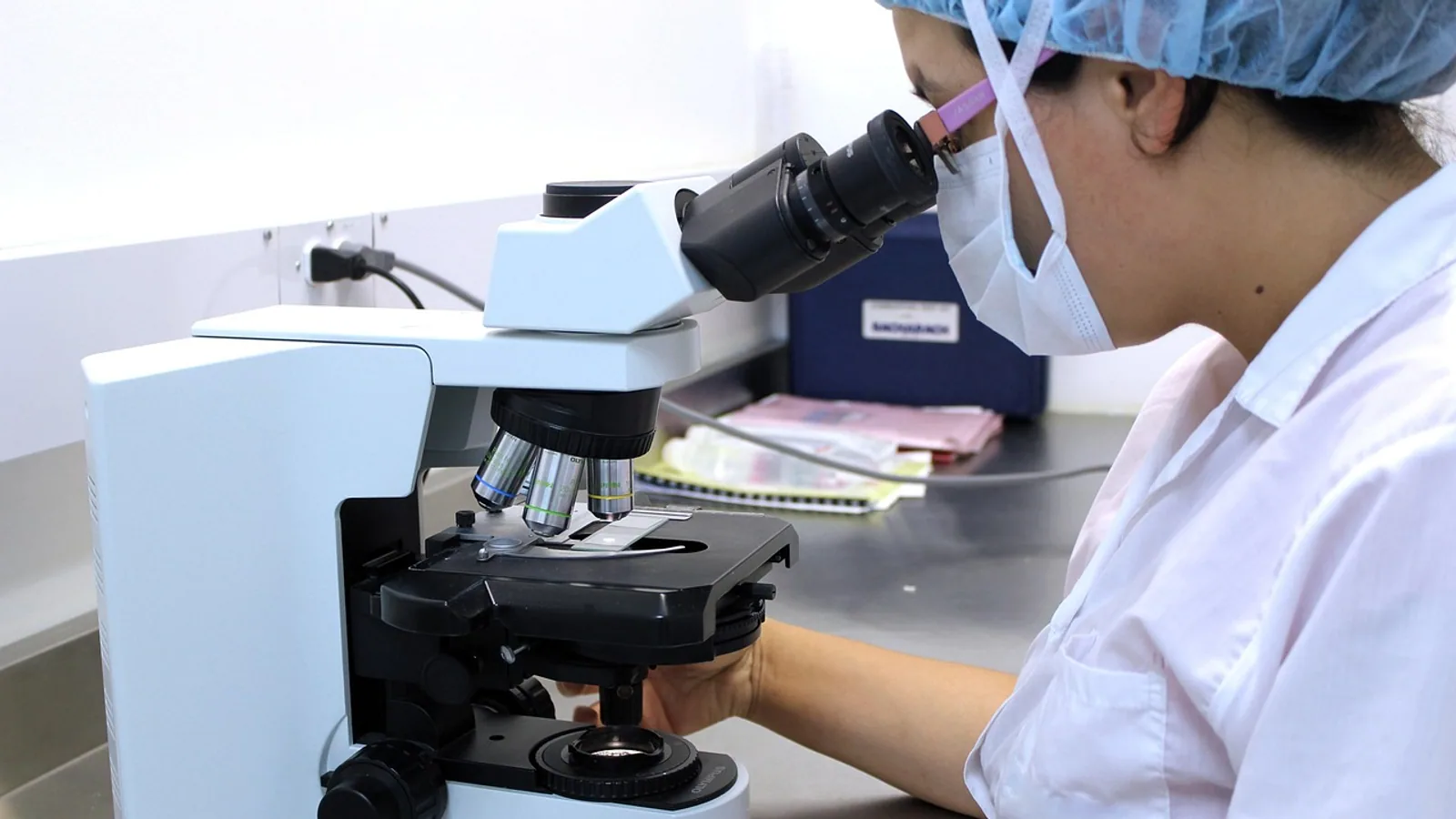
Before starting treatment, have a healthcare professional confirm ringworm. A paediatrician or dermatologist may use a Wood's lamp (UV light) or take a skin scraping for microscopy. Similarly, a veterinarian can diagnose ringworm in pets using fungal culture or PCR testing. This ensures you are treating the right condition and not confusing it with eczema, psoriasis, or bacterial infections.
Step 2: Start Topical Antifungal Treatment
For children, the first line of treatment is an over-the-counter antifungal cream. Apply a thin layer to the affected area and a small margin of healthy skin twice daily for at least two to four weeks. Common options include:
- Clotrimazole 1% cream
- Miconazole 2% cream
- Terbinafine 1% cream (often works faster)
For pets, your veterinarian may recommend a similar topical antifungal or a medicated shampoo containing chlorhexidine or miconazole. Always follow the product label and veterinary advice.
Step 3: Keep the Area Clean and Dry
Fungi thrive in warm, moist environments. Wash the child's skin gently with mild soap and water, then pat dry. Avoid sharing towels, washcloths, or clothing. Change bed linens and towels daily during treatment. For pets, bathe them with an antifungal shampoo as directed by your vet, and keep their bedding clean.
Step 4: Use Antifungal Powders or Sprays
For added protection, consider using an antifungal powder (e.g., tolnaftate) on the child's skin after bathing, especially in areas prone to sweating. For pets, a veterinary-approved antifungal spray can help treat larger areas or hard-to-reach spots.
Step 5: Prevent Spread Within the Household
Ringworm is highly contagious. To stop it from spreading:
- Wash all clothing, bedding, and towels in hot water with detergent and a fungicidal additive (like bleach, if safe for fabrics).
- Vacuum carpets, upholstery, and pet bedding thoroughly, and dispose of the vacuum bag immediately.
- Disinfect hard surfaces with a diluted bleach solution (1 part bleach to 10 parts water) or a commercial antifungal cleaner.
- Keep the infected child and pet away from other family members and pets until treatment is well underway.
Step 6: Consider Oral Medication for Severe Cases
If the ringworm does not improve after two weeks of topical treatment, or if it covers a large area, involves the scalp, or is in a pet with widespread infection, oral antifungal medication may be necessary. For children, this is usually griseofulvin or terbinafine, prescribed by a doctor. For pets, your veterinarian may prescribe itraconazole or terbinafine. Oral medications are more effective for stubborn cases but require monitoring for side effects.
What to Expect at the Vet
When you take your pet to the vet for ringworm, they will likely perform a fungal culture, which can take up to two weeks for results. In the meantime, they may recommend starting treatment based on clinical signs. The vet will also advise on environmental decontamination and may suggest isolating the pet to prevent spread. Follow-up visits may be needed to confirm the infection has cleared.
Prevention Tips
- Regularly groom and inspect your pet for signs of skin issues.
- Avoid letting children share bedding or clothing with pets.
- Wash hands thoroughly after handling pets, especially if they have skin problems.
- Keep your home clean and vacuum frequently, particularly if you have multiple pets.
- If you adopt a new pet, have them checked by a vet for ringworm and other contagious conditions.
When to See a Doctor or Vet
Consult a paediatrician if:
- The child is under two years old.
- The infection is on the face, scalp, or nails.
- The rash is spreading or not improving after two weeks of treatment.
- The child has a weakened immune system.
See a veterinarian if:
- Your pet has multiple or large patches of hair loss.
- The infection is not responding to topical treatment.
- Other pets or family members develop symptoms.
Final Thoughts
Ringworm can be distressing for both children and pets, but with prompt and consistent treatment, it usually resolves within two to four weeks. By following the steps outlined above, you can effectively manage ringworm at home while minimising the risk of spread. Always consult healthcare and veterinary professionals for guidance tailored to your situation. Remember, treating the pet and the environment is just as important as treating the child. With patience and diligence, you can cure ringworm fast and keep your family and furry friends healthy.