
Hookworms in Dogs: Symptoms, Testing, Prevention, and Family Safety
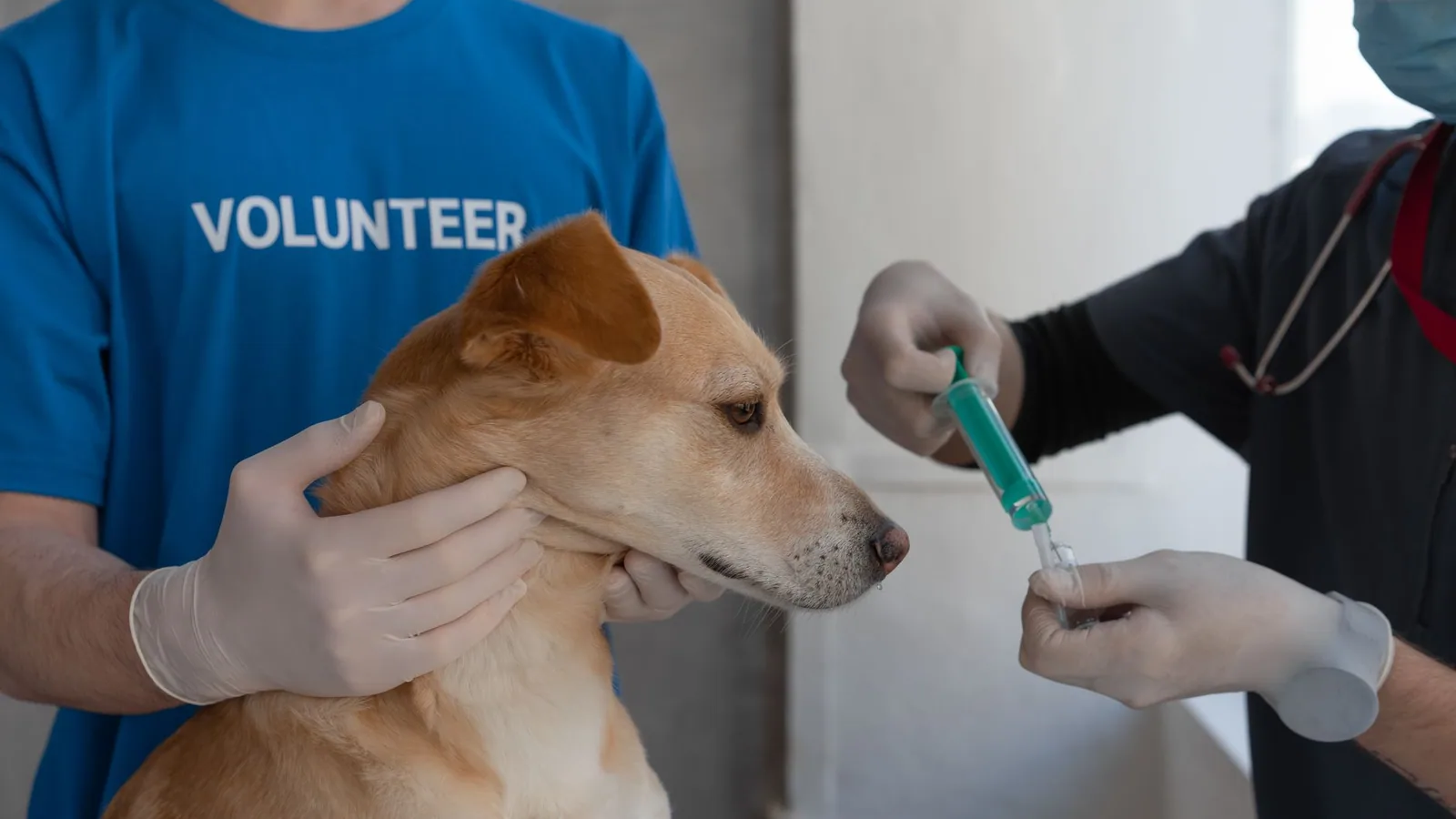
This article is educational and is not a substitute for veterinary diagnosis or treatment.
Hookworms in Dogs: What Every Owner Must Know
Hookworms are among the most common and medically significant intestinal parasites affecting dogs worldwide. These small, blood-feeding nematodes attach to the lining of the small intestine and can cause serious health problems, especially in puppies and immunocompromised animals. For pet owners, understanding hookworms in dogs is not just about keeping their pet healthy; it also involves protecting the entire family from a preventable zoonotic threat.
This comprehensive guide covers the complete lifecycle of canine hookworms, the full range of dog hookworm symptoms, modern diagnostic testing methods, veterinary-directed prevention strategies, environmental cleanup protocols, and the real risks of zoonotic transmission. The information presented here is grounded in current veterinary science and draws on peer-reviewed research, official guidelines from the Companion Animal Parasite Council (CAPC), and public health resources from the Centers for Disease Control and Prevention (CDC).
At a Glance: Hookworm Infection in Dogs
| Aspect | Key Information |
|---|---|
| Primary species | Ancylostoma caninum (most common in dogs), Ancylostoma braziliense, Uncinaria stenocephala |
| Transmission routes | Ingestion of larvae, skin penetration, trans-mammary, trans-placental |
| Common symptoms | Diarrhoea (sometimes with blood), weight loss, poor coat, anaemia, weakness |
| Diagnostic gold standard | Faecal flotation with centrifugation; PCR for species identification |
| Prevention | Year-round broad-spectrum parasite control products approved by a veterinarian |
| Zoonotic risk | Yes; larvae can cause cutaneous larva migrans (CLM) in humans |
| Environmental persistence | Eggs can survive in soil for weeks to months under favourable conditions |
Understanding the Biology and Lifecycle of Canine Hookworms
Hookworms are blood-sucking nematodes that infect dogs, cats, and humans, causing iron-deficiency anaemia, abdominal pain, diarrhoea, and skin inflammation [2]. The three most clinically relevant species in dogs are Ancylostoma caninum, Ancylostoma braziliense, and Uncinaria stenocephala. Among these, A. caninum is the most prevalent and pathogenic in North America and many other regions.
The Hookworm Lifecycle
The lifecycle of hookworms in dogs is complex and involves both environmental and host stages. Adult hookworms reside in the small intestine, where they attach to the intestinal mucosa using their cutting plates or teeth. They feed on blood and tissue fluids, which is why chronic infections lead to anaemia.
Adult females produce eggs that are passed in the dog's faeces. Once in the environment, the eggs hatch into first-stage larvae (L1) and develop through two moults into third-stage infective larvae (L3). This development occurs optimally in warm, moist soil and can take as little as 5 to 10 days under ideal conditions.
Infective larvae can survive in the environment for weeks to months, waiting to encounter a suitable host. Transmission to dogs occurs through several routes:
- Oral ingestion: Dogs ingest L3 larvae while grooming, eating contaminated food, or licking contaminated surfaces.
- Skin penetration: L3 larvae can burrow directly through the skin, typically through the paws or belly.
- Trans-mammary transmission: In A. caninum infections, larvae can be passed from a lactating bitch to her puppies through her milk. This is a major route of infection in neonatal puppies.
- Trans-placental transmission: A. caninum larvae can cross the placenta and infect puppies before birth, though this is less common than trans-mammary transmission.
After entering the host, larvae undergo a migration through the tissues. Ingested larvae may penetrate the intestinal wall and travel through the bloodstream to the lungs, where they are coughed up and swallowed, eventually reaching the small intestine to mature into adults. Larvae that penetrate the skin follow a similar migratory path. The prepatent period (time from infection to egg production) is approximately 2 to 3 weeks for A. caninum.
Dog Hookworm Symptoms: From Subclinical to Life-Threatening
One of the challenges in managing hookworms in dogs is that many infections are asymptomatic. A 2025 survey of U.S. veterinarians found that most respondents reported that infections were rarely symptomatic, highlighting the importance of diagnostic testing [1]. However, when symptoms do occur, they can range from mild gastrointestinal signs to severe, life-threatening anaemia.
Common Clinical Signs
Gastrointestinal signs: The most frequently observed dog hookworm symptoms include diarrhoea, which may contain mucus or fresh blood (melena is less common but possible). Affected dogs may also exhibit vomiting, decreased appetite, and weight loss. In chronic cases, the stool may appear dark and tarry due to digested blood.
Anaemia: Because hookworms feed on blood, significant blood loss can occur. In puppies, even a moderate worm burden can cause severe anaemia. Signs of anaemia include pale mucous membranes (gums, conjunctiva), lethargy, weakness, exercise intolerance, and rapid breathing or heart rate. Severe anaemia can be fatal if not treated promptly.
Poor growth and coat condition: Chronically infected puppies often fail to thrive. They may have a dull, dry hair coat, poor muscle development, and a pot-bellied appearance.
Skin lesions: In dogs infected through skin penetration, dermatitis may develop at the site of entry, typically on the paws or ventral abdomen. This appears as red, itchy, inflamed areas.
Respiratory signs: During larval migration through the lungs, some dogs may develop a cough or other respiratory signs, though this is less common than in roundworm infections.
Risk Factors for Severe Disease
Certain groups of dogs are at higher risk for developing severe hookworm disease:
- Puppies: Due to their small size and immature immune systems, puppies are most vulnerable to the effects of blood loss.
- Lactating bitches: Hormonal changes during pregnancy and lactation can reactivate dormant larvae, leading to a sudden increase in worm burden.
- Geriatric dogs: Older dogs with weakened immune systems may be more susceptible.
- Dogs with concurrent illnesses: Any condition that compromises the immune system can increase the risk of severe hookworm disease.
Geographic and Breed Considerations
The prevalence of hookworm infections varies by region. A 2025 survey of U.S. veterinarians found that hookworm-infected dogs were encountered more frequently in the South than in Western states [1]. This geographic variation is likely due to climatic differences, as hookworm eggs and larvae survive best in warm, moist environments.
Regarding breed predisposition, the same survey found that veterinarians perceived that hookworms were present in all breeds without breed predilection, followed by mixed breeds, pit bulls, and hound breeds [1]. However, it is important to note that this perception may reflect population demographics rather than true breed susceptibility.
Diagnostic Testing: Beyond the Basic Faecal Float
Accurate diagnosis of hookworms in dogs is essential for effective treatment and control. While traditional faecal flotation remains the most common in-clinic diagnostic method, modern molecular techniques offer greater sensitivity and the ability to identify hookworm species.
Faecal Flotation with Centrifugation
The standard diagnostic test for hookworm infection is faecal flotation with centrifugation. This technique uses a high-density solution (such as sugar or salt solution) to float hookworm eggs to the surface of a coverslip, where they can be identified microscopically. Hookworm eggs are oval, thin-shelled, and contain a developing embryo when freshly passed.
It is critical to understand that a single negative faecal test does not always rule out infection. Hookworm egg production can be intermittent, and low-level infections may be missed, especially if the faecal sample is small or if the dog is not actively shedding eggs. For this reason, veterinarians often recommend repeat testing or the use of more sensitive methods when clinical suspicion is high.
Quantitative Faecal Egg Counts
Some veterinary practices perform quantitative faecal egg counts (FEC) using a McMaster counting chamber or similar device. This technique provides an estimate of the number of eggs per gram of faeces (EPG), which can help assess the severity of infection and monitor treatment efficacy. The sensitivity of FEC is generally lower than that of flotation with centrifugation, but it provides useful quantitative data.
Molecular Diagnostics: PCR and Tm-Shift Methods
Polymerase chain reaction (PCR)-based tests offer superior sensitivity and specificity compared to traditional microscopy. These tests can detect hookworm DNA even in samples with very low egg counts. Furthermore, species-specific PCR assays can distinguish between different hookworm species, which has implications for treatment and zoonotic risk assessment.
A 2018 study described a Tm-shift method for detecting dog-derived Ancylostoma ceylanicum and A. caninum. The researchers found that the positive rate of hookworm detected by Tm-shift (42%) was significantly higher than that by microscopic examination (34%), and the former could identify the Ancylostoma species [3]. This method is rapid, specific, sensitive, and suitable for clinical detection and zoonotic risk assessment [3].
A more recent 2019 study developed a multi-ARMS-qPCR method for detection of three hookworm species from dogs and cats. Using this assay, 17 out of 50 faecal samples were positive for hookworms, including ten single infections and seven mixed infections [2]. The limit of detection was 1 EPG for A. caninum, demonstrating the high sensitivity of this approach [2].
When to Test
The Companion Animal Parasite Council (CAPC) recommends that all dogs be tested for intestinal parasites at least once annually, with more frequent testing for puppies, dogs with gastrointestinal signs, and dogs with known exposure to contaminated environments [4]. Testing should also be performed:
- At the first veterinary visit for puppies
- Before starting a new parasite prevention program
- After treatment to confirm efficacy
- When a dog shows clinical signs consistent with hookworm disease
- When a dog has been in a high-risk environment (e.g., kennels, dog parks, shelters)
Veterinary-Directed Prevention Strategies
Preventing hookworm infections in dogs is far more effective and safer than treating established infections. A comprehensive prevention plan involves multiple components, all of which should be directed by a veterinarian.
Year-Round Parasite Control
The cornerstone of hookworm prevention is the year-round use of broad-spectrum parasite control products. Many monthly heartworm preventives also control hookworms. These products contain macrocyclic lactones (e.g., ivermectin, milbemycin oxime, selamectin, moxidectin) that are effective against both heartworm larvae and intestinal hookworms.
Some products also contain additional active ingredients that target other intestinal parasites. The choice of product should be based on the dog's individual risk factors, lifestyle, and geographic location, and should be made in consultation with a veterinarian.
It is important to note that anthelmintic resistance is a growing concern in hookworm populations. A 2025 survey of U.S. veterinarians highlighted that the rising incidence of anthelmintic resistance in U.S. hookworm populations necessitates increased awareness among veterinarians [1]. Fenbendazole and pyrantel pamoate were the most commonly used anthelmintics in that survey [1]. However, resistance to these drugs has been documented, and alternative treatments may be necessary in some cases.
Environmental Management
Because hookworm eggs and larvae can survive in the environment, environmental management is a critical component of prevention. Key strategies include:
- Prompt removal of faeces: Faeces should be picked up from the yard immediately and disposed of properly. This removes the source of eggs before they can develop into infective larvae.
- Avoiding contaminated areas: Dogs should be kept away from areas where other dogs defecate, such as dog parks, unless the area is well-maintained and regularly cleaned.
- Soil management: In areas where hookworm contamination is known or suspected, replacing the top layer of soil with clean material can help reduce the environmental burden.
- Sunlight and drying: Hookworm larvae are sensitive to sunlight and drying. Exposing contaminated areas to direct sunlight and allowing the soil to dry out can help kill larvae.
Hygiene Practices for Owners
Good hygiene practices are essential for preventing zoonotic transmission and reinfection of pets:
- Hand washing: Always wash hands thoroughly after handling dogs, especially after picking up faeces or gardening in areas where dogs defecate.
- Footwear: Wear shoes or sandals when walking in areas where dogs defecate, especially in tropical or subtropical regions.
- Children: Teach children to wash their hands after playing with dogs and to avoid putting their hands in their mouths.
- Pet bedding: Wash dog bedding regularly in hot water to kill any eggs or larvae that may be present.
Breeding and Puppy Management
For breeding facilities and owners of pregnant bitches, special precautions are necessary:
- Treat pregnant bitches: Bitches should be treated with an appropriate anthelmintic during pregnancy to reduce the risk of trans-mammary transmission to puppies.
- Puppy deworming: Puppies should be dewormed starting at 2 weeks of age and continuing every 2 weeks until 8 weeks of age, then monthly until 6 months of age. This protocol targets hookworms that may have been acquired through the milk.
- Clean whelping area: The whelping area should be kept clean and dry to minimize environmental contamination.
Environmental Cleanup: Breaking the Cycle
Effective environmental cleanup is essential for preventing reinfection and reducing the risk of zoonotic transmission. Hookworm eggs and larvae can survive in the environment for extended periods, especially in warm, moist soil.
Cleaning Indoor Areas
Hookworm eggs can be brought indoors on shoes, paws, or contaminated objects. To clean indoor areas:
- Vacuum thoroughly: Vacuum carpets, rugs, and upholstery to remove eggs and larvae. Dispose of the vacuum bag or empty the canister immediately.
- Steam clean: Steam cleaning carpets and upholstery at high temperatures can kill hookworm eggs and larvae.
- Wash hard surfaces: Hard floors and surfaces can be cleaned with hot water and a disinfectant that is effective against parasites.
- Launder bedding: Dog bedding, blankets, and toys should be washed in hot water (at least 60°C or 140°F) and dried on high heat.
Decontaminating Outdoor Areas
Outdoor decontamination is more challenging but can be achieved through a combination of strategies:
- Remove faeces: The most important step is to remove all faeces from the yard. This should be done daily.
- Sunlight exposure: Hookworm larvae are sensitive to ultraviolet light. Allowing direct sunlight to reach contaminated areas can help kill larvae.
- Drying: Larvae require moisture to survive. Reducing irrigation or allowing the soil to dry out can reduce larval survival.
- Soil replacement: In heavily contaminated areas, removing the top layer of soil and replacing it with clean material may be necessary.
- Chemical treatments: Some chemical treatments are available for soil decontamination, but these should be used with caution and only under the guidance of a veterinarian or pest control professional. Many common disinfectants are not effective against hookworm eggs.
Duration of Environmental Contamination
Under ideal conditions (warm, moist, shaded soil), hookworm eggs and larvae can survive for weeks to months. In colder climates, survival is shorter, but eggs can survive freezing temperatures in a dormant state. This means that even after treating an infected dog, the environment may remain contaminated for some time, and reinfection is possible if the dog is re-exposed.
Zoonotic Risk: Can Dog Hookworms Infect People?
The short answer is yes. Canine hookworms are zoonotic parasites, meaning they can be transmitted from dogs to humans. Understanding this risk is essential for protecting family members, especially children.
Cutaneous Larva Migrans (CLM)
The most common zoonotic disease caused by canine hookworms is cutaneous larva migrans (CLM), also known as "creeping eruption." This condition occurs when hookworm larvae from dogs (typically A. braziliense or A. caninum) penetrate human skin. Because humans are not the natural host, the larvae cannot complete their lifecycle and instead migrate through the skin, causing an intensely itchy, winding, raised track.
CLM typically occurs on areas of the body that come into contact with contaminated soil or sand, such as the feet, legs, buttocks, or back. The condition is self-limiting in most cases, as the larvae eventually die, but the intense itching can lead to secondary bacterial infections from scratching.
Other Zoonotic Forms
In rare cases, hookworm larvae can cause other forms of disease in humans:
- Visceral larva migrans: Larvae migrate through internal organs, causing fever, cough, and abdominal pain.
- Ocular larva migrans: Larvae migrate to the eye, causing vision problems.
- Eosinophilic enteritis: In some cases, ingestion of hookworm larvae can cause inflammation of the intestine.
Who Is at Risk?
Anyone can contract CLM, but certain groups are at higher risk:
- Children: Children are more likely to play in contaminated soil or sand and may have poorer hygiene practices.
- Gardeners: People who work with soil where dogs defecate are at increased risk.
- Beachgoers: Hookworm larvae can survive in sand, and walking barefoot on contaminated beaches is a common source of infection.
- Pet owners: People who live with infected dogs and do not practice good hygiene are at higher risk.
Preventing Zoonotic Transmission
The same measures that prevent hookworm infection in dogs also protect humans:
- Deworm pets regularly: Keeping dogs on a year-round parasite prevention program is the most effective way to reduce zoonotic risk.
- Practice good hygiene: Wash hands after handling dogs, gardening, or playing in soil.
- Wear shoes: Avoid walking barefoot in areas where dogs defecate.
- Clean up faeces promptly: Remove dog faeces from yards, parks, and beaches immediately.
- Supervise children: Teach children not to put soil or sand in their mouths and to wash their hands after playing outdoors.
Public Health Recommendations
The CDC provides guidelines for preventing zoonotic hookworm infection. Key recommendations include:
- Cover sandboxes when not in use to prevent animals from defecating in them.
- Do not allow dogs to defecate in public areas such as parks, beaches, or playgrounds.
- Promptly treat infected pets and implement environmental cleanup measures.
- Seek medical attention if a person develops a skin rash that is itchy and appears to be "creeping" or moving [5].
Treatment of Hookworm Infections in Dogs
Treatment of hookworm infections should always be under the direction of a veterinarian. While this article does not provide specific drug doses, it is important to understand the general principles of treatment.
Anthelmintic Therapy
The goal of anthelmintic therapy is to eliminate adult hookworms from the intestine. Several classes of drugs are effective, including:
- Benzimidazoles (e.g., fenbendazole): These drugs interfere with the parasite's energy metabolism and are effective against adult hookworms.
- Tetrahydropyrimidines (e.g., pyrantel pamoate): These drugs cause paralysis of the parasite, allowing it to be expelled from the intestine.
- Macrocyclic lactones (e.g., milbemycin oxime, moxidectin): These drugs are effective against both adult hookworms and migrating larvae.
Most treatments require a single dose, but some protocols involve multiple doses given over several days. Repeat treatment may be necessary to eliminate all stages of the parasite.
Supportive Care
In dogs with severe anaemia or dehydration, supportive care is essential. This may include:
- Fluid therapy: Intravenous or subcutaneous fluids to correct dehydration.
- Blood transfusion: In cases of severe anaemia, a blood transfusion may be necessary.
- Nutritional support: A high-quality diet to support recovery.
- Iron supplementation: In chronic cases, iron supplementation may be beneficial.
Monitoring Treatment Efficacy
After treatment, it is important to confirm that the infection has been eliminated. Most veterinarians recommend a follow-up faecal examination 2 to 4 weeks after treatment. If eggs are still present, retreatment with a different drug class may be necessary, especially if anthelmintic resistance is suspected.
A 2025 survey found that most veterinarians followed up on infected dogs, but retesting time after treatment varied [1]. This variability highlights the need for standardized protocols for post-treatment monitoring.
Prognosis and Long-Term Management
With prompt and appropriate treatment, the prognosis for dogs with hookworm infection is generally excellent. Puppies and dogs with severe anaemia may require more intensive care, but most recover fully.
Long-term management focuses on prevention. Dogs should remain on year-round parasite control products, and faecal examinations should be performed at least annually. Owners should continue to practice good environmental hygiene and monitor their dogs for any signs of reinfection.
Clinical Reasoning: How Veterinarians Diagnose and Differentiate Hookworm Disease
When a dog presents with signs consistent with hookworm infection, the veterinarian engages in a systematic clinical reasoning process that integrates history, physical examination findings, and diagnostic test results. Understanding this thought process helps owners appreciate why certain questions are asked and why specific tests are recommended.
History-Taking Priorities
During the initial consultation, your veterinarian will likely ask about several key factors that influence the likelihood of hookworm infection. These include the dog's age, vaccination status, and whether any parasite prevention products are being used consistently. The veterinarian will also inquire about the dog's environment, including access to dog parks, kennels, boarding facilities, or areas where other dogs defecate. A history of pica (eating non-food items) or coprophagy (eating faeces) increases suspicion for parasitic infection.
Travel history is particularly relevant, as hookworm prevalence varies geographically. A dog that recently moved from or travelled to the southern United States, tropical regions, or areas with known high prevalence may be at increased risk even if local transmission is low [1]. The veterinarian will also ask about any recent weight loss, changes in appetite, or alterations in stool consistency that may have gone unnoticed by the owner.
Physical Examination Findings
The physical examination provides critical clues that guide diagnostic testing. Beyond the obvious signs of anaemia such as pale mucous membranes, veterinarians assess capillary refill time, heart rate, and respiratory effort to gauge the severity of blood loss. A thorough abdominal palpation may reveal thickened intestinal loops or discomfort, though these findings are non-specific.
Dermatological examination of the paws, interdigital spaces, and ventral abdomen may reveal erythematous papules, crusts, or areas of alopecia consistent with larval penetration sites. These skin lesions are often overlooked by owners but can provide important diagnostic clues, particularly in dogs with access to contaminated soil.
Differential Diagnoses
Hookworm infection shares clinical signs with several other conditions, and the veterinarian must consider these possibilities during the diagnostic workup. Common differential diagnoses include other intestinal parasites such as roundworms, whipworms, and coccidia, which can cause similar gastrointestinal signs. Dietary indiscretion, inflammatory bowel disease, and food allergies may also present with diarrhoea and weight loss. In puppies, canine parvovirus must be ruled out when bloody diarrhoea and lethargy are present.
The presence of anaemia narrows the differential list but does not confirm hookworm disease. Other causes of anaemia in dogs include immune-mediated haemolytic anaemia, blood loss from trauma or coagulopathy, chronic disease, and bone marrow disorders. The veterinarian uses the combination of faecal testing, complete blood count, and clinical presentation to differentiate these conditions.
Interpreting Diagnostic Test Results
When faecal flotation reveals hookworm eggs, the diagnosis is confirmed, but the veterinarian must still interpret the results in context. A low egg count in an asymptomatic adult dog may indicate a subclinical infection that requires treatment but does not pose an immediate threat. Conversely, a moderate egg count in a puppy with pale mucous membranes signals a medical emergency requiring prompt intervention.
False-negative results require careful consideration. If clinical suspicion remains high despite a negative faecal test, the veterinarian may recommend PCR testing, which can detect hookworm DNA even when egg shedding is intermittent or below the detection threshold of microscopy [2][3]. The Tm-shift method described in the literature offers particular advantages for species identification, which can guide treatment decisions and zoonotic risk assessment [3].
When to Suspect Anthelmintic Resistance
The growing concern of anthelmintic resistance in hookworm populations requires veterinarians to maintain a high index of suspicion [1]. If a dog with a confirmed hookworm infection does not clear the infection after appropriate treatment, or if egg counts remain elevated on follow-up testing, resistance should be considered. The 2025 survey of U.S. veterinarians found that fenbendazole and pyrantel pamoate were the most commonly used anthelmintics, but resistance to these drugs has been documented in some hookworm populations [1].
In cases of suspected resistance, the veterinarian may recommend switching to a different drug class, using combination therapy, or performing faecal egg count reduction testing to objectively measure treatment efficacy. This involves collecting a faecal sample before treatment and again 10 to 14 days after treatment to calculate the percentage reduction in egg counts.
Owner Observation and Preparation for a Veterinary Visit
Owners play a crucial role in the early detection of hookworm infections and in providing the veterinarian with the information needed for accurate diagnosis. Knowing what to observe and how to prepare for a veterinary visit can significantly improve outcomes.
What Owners Should Monitor at Home
Beyond the obvious signs of diarrhoea or vomiting, owners should be alert for subtle changes that may indicate hookworm infection. These include changes in energy level, such as a normally playful puppy becoming lethargic or tiring more easily during walks. The dog may show less interest in toys or activities that previously excited them.
Appetite changes can be variable. Some dogs with hookworm infection maintain a normal or even increased appetite despite losing weight, while others become picky or refuse food entirely. Owners should monitor food intake and note any changes in eating behaviour.
Stool monitoring is essential. Owners should observe the colour, consistency, and frequency of bowel movements. Dark, tarry stools indicate digested blood and suggest significant intestinal bleeding. Fresh blood or mucus on the surface of the stool may also be present. Owners should note whether diarrhoea is intermittent or persistent and whether it occurs at specific times of day.
Weight monitoring is particularly important for puppies and small breed dogs. Weekly weigh-ins using a home scale can detect gradual weight loss that might otherwise go unnoticed. A puppy that fails to gain weight appropriately despite adequate food intake should be evaluated for hookworm infection.
Collecting a Quality Faecal Sample
The accuracy of faecal testing depends heavily on the quality of the sample provided. Owners should collect a fresh faecal sample, ideally within 4 to 6 hours of the veterinary appointment. The sample should be collected from the ground, not from a litter box or yard surface that may contain multiple deposits from different animals.
Using a clean plastic bag or disposable container, owners should collect approximately one to two tablespoons of faeces. The sample should include material from different parts of the stool, as egg distribution can be uneven. If the stool is diarrhoeic, a larger sample may be needed because the eggs are more diluted.
Samples should be refrigerated if they cannot be delivered to the veterinary clinic within a few hours. Freezing should be avoided, as it can damage the eggs and reduce the sensitivity of testing. Owners should label the sample with the dog's name and the date and time of collection.
Questions to Ask the Veterinarian
Owners should feel empowered to ask questions during the veterinary visit. Useful questions include:
- What specific parasite tests are being performed, and how sensitive are they?
- If the test is negative but symptoms persist, what are the next steps?
- What is the expected timeline for improvement after treatment?
- How will we confirm that the infection has been cleared?
- What prevention product do you recommend, and why?
- Are there any environmental measures I should take to prevent reinfection?
- What is the risk to my family, and what precautions should we take?
Red Flags Requiring Immediate Veterinary Attention
Certain signs indicate that hookworm disease has progressed to a critical stage and require emergency veterinary care. These include:
- Extreme lethargy or collapse
- Pale or white gums
- Rapid breathing or heart rate at rest
- Bloody diarrhoea with large volume
- Inability to stand or walk
- Seizures or loss of consciousness
Puppies and small breed dogs are at highest risk for rapid decompensation and should be evaluated urgently if any of these signs are present.
Prevention: Evidence-Based Strategies and Common Misconceptions
Prevention of hookworm infection requires a multifaceted approach that addresses both the dog and the environment. While many owners rely solely on monthly medications, evidence-based prevention extends beyond pharmaceutical intervention.
Understanding Prevention Product Limitations
Monthly heartworm preventives that also control hookworms are highly effective when used consistently, but they are not infallible. Product efficacy depends on proper dosing, regular administration, and the dog's individual metabolism. Missing a single dose can create a window of susceptibility, particularly in high-risk environments.
Furthermore, not all heartworm preventives are equally effective against all hookworm species. Some products target adult hookworms but have limited activity against migrating larvae or dormant stages. This is why the Companion Animal Parasite Council recommends year-round prevention and annual testing even for dogs on consistent prevention programs [4].
The Role of Combination Products
Some veterinary parasite control products combine multiple active ingredients to target a broader spectrum of parasites. These combination products may offer advantages in areas where anthelmintic resistance is emerging, as the different drug classes work through distinct mechanisms of action. However, the choice of product should always be made in consultation with a veterinarian who can assess the dog's individual risk profile.
Environmental Prevention Beyond Faeces Removal
While prompt faeces removal is the cornerstone of environmental prevention, additional measures can further reduce risk. Maintaining a clean, dry yard is essential because hookworm larvae require moisture to survive. Reducing irrigation in areas where dogs defecate, improving drainage, and allowing sunlight to reach contaminated areas can all reduce larval survival.
For owners with multiple dogs, preventing shared exposure is important. Infected dogs should be isolated from other dogs during treatment, and all dogs in the household should be tested and treated if necessary. Shared water bowls, bedding, and toys should be cleaned regularly to prevent cross-contamination.
Preventing Trans-Mammary Transmission
Trans-mammary transmission is a major route of infection in neonatal puppies and requires specific preventive measures [4]. Pregnant bitches should be treated under veterinary supervision to reduce the larval burden that can be passed to puppies through milk. Puppies should receive their first deworming at 2 weeks of age, with repeat treatments every 2 weeks until 8 weeks of age, then monthly until 6 months of age.
Breeding facilities and owners of pregnant bitches should work closely with their veterinarian to develop a comprehensive deworming protocol that addresses both the bitch and the puppies. This is particularly important because puppies can acquire hookworms through milk even if the bitch appears healthy and has a negative faecal test.
Common Prevention Misconceptions
Several misconceptions about hookworm prevention persist among pet owners. One common belief is that indoor dogs are not at risk for hookworm infection. While indoor dogs have lower exposure risk, they can still become infected if larvae are brought indoors on shoes, clothing, or through contact with other dogs. Trans-mammary transmission can also occur in puppies born to infected bitches regardless of the indoor environment.
Another misconception is that natural or holistic preventives are as effective as veterinary-approved products. There is no scientific evidence supporting the efficacy of garlic, diatomaceous earth, or herbal remedies for hookworm prevention. These products may provide false reassurance while leaving the dog unprotected.
Some owners believe that once a dog has been treated for hookworms, they are immune to future infection. This is incorrect. Dogs can be reinfected immediately after treatment if they are re-exposed to contaminated environments. Year-round prevention and environmental management are necessary for long-term control.
Prognosis and Long-Term Management Considerations
The prognosis for dogs with hookworm infection is generally excellent with prompt and appropriate treatment. However, several factors influence outcomes and determine the need for long-term management.
Factors Affecting Prognosis
The most significant factor affecting prognosis is the severity of anaemia at the time of diagnosis. Puppies with severe anaemia may require blood transfusion and intensive supportive care, and even with treatment, the mortality rate is higher in this group. Early detection and intervention dramatically improve outcomes.
The presence of concurrent disease also affects prognosis. Dogs with compromised immune systems, such as those with parvovirus, distemper, or chronic illnesses, may have more difficulty clearing hookworm infections and may require extended treatment protocols.
Anthelmintic resistance is an emerging concern that can complicate treatment and worsen prognosis [1]. Dogs infected with resistant hookworm strains may require multiple treatment rounds with different drug classes, and some infections may be difficult to eliminate entirely. Long-term management in these cases focuses on reducing worm burden rather than achieving complete eradication.
Monitoring for Reinfection
After successful treatment, dogs should be monitored for signs of reinfection. Annual faecal testing is recommended for all dogs, but more frequent testing may be appropriate for dogs in high-risk environments [4]. Owners should remain vigilant for any recurrence of gastrointestinal signs, weight loss, or changes in energy level.
Dogs that have had severe hookworm infections may have residual effects even after the parasites are eliminated. Chronic anaemia can take weeks to resolve, and some dogs may require iron supplementation or dietary adjustments during recovery. Growth delays in puppies may persist, though most dogs eventually catch up with appropriate nutrition.
Special Considerations for Breeding Dogs
Breeding dogs require special attention to prevent trans-mammary and trans-placental transmission. Bitches should be tested before breeding and treated if positive. During pregnancy, veterinarians may recommend specific anthelmintic protocols to reduce the larval burden that can be passed to puppies.
After whelping, the bitch and puppies should be monitored closely for signs of hookworm infection. Puppies should receive their first deworming at 2 weeks of age, and the bitch should continue on a prevention program throughout lactation.
Long-Term Prevention in High-Risk Environments
Dogs living in high-risk environments, such as shelters, boarding facilities, or areas with high hookworm prevalence, may require more intensive prevention strategies. This may include more frequent deworming, regular faecal testing, and strict environmental management protocols.
For dogs that have experienced recurrent hookworm infections despite appropriate prevention, veterinarians may recommend rotating anthelmintic classes or using combination therapy to reduce the risk of resistance development. Environmental remediation may also need to be more aggressive in these cases.
Special-Population Considerations
Certain populations of dogs require tailored approaches to hookworm diagnosis, treatment, and prevention. Understanding these special considerations helps owners and veterinarians provide optimal care.
Puppies and Juvenile Dogs
Puppies are the most vulnerable population for hookworm disease due to their small size, immature immune systems, and high metabolic demands. Even moderate worm burdens can cause life-threatening anaemia in puppies. The rapid growth rate of puppies means that blood loss has a proportionally greater impact on their overall health.
Puppies can acquire hookworms through multiple routes, including trans-mammary transmission from their mother, ingestion of larvae from the environment, and skin penetration. This means that even puppies born into clean environments can become infected if their mother carries dormant larvae.
The standard deworming protocol for puppies begins at 2 weeks of age and continues every 2 weeks until 8 weeks of age, then monthly until 6 months of age [4]. This aggressive schedule is designed to target hookworms at various stages of development and to eliminate infections acquired through milk.
Puppies with hookworm infection may present with failure to thrive, poor coat condition, pot-bellied appearance, and developmental delays. Owners should monitor puppy growth closely and report any concerns to their veterinarian promptly.
Geriatric Dogs
Older dogs may have age-related immune system changes that increase their susceptibility to hookworm infection or reactivation of dormant larvae. Additionally, geriatric dogs often have concurrent health conditions that can complicate treatment.
Chronic kidney disease, liver disease, and heart disease can affect drug metabolism and increase the risk of adverse effects from anthelmintic therapy. Veterinarians must carefully select treatment protocols for geriatric dogs, considering their overall health status and any medications they are taking.
Geriatric dogs with hookworm infection may present with non-specific signs such as lethargy, weight loss, and decreased appetite, which can be easily attributed to aging. Owners and veterinarians should maintain a high index of suspicion for parasitic infections in older dogs with unexplained clinical signs.
Immunocompromised Dogs
Dogs with compromised immune systems, whether from disease, medication, or other factors, are at increased risk for severe hookworm disease. This includes dogs receiving immunosuppressive medications for conditions such as immune-mediated disease, cancer, or organ transplantation.
Immunocompromised dogs may have difficulty clearing hookworm infections even with appropriate treatment. They may require longer treatment courses, higher doses, or combination therapy to achieve resolution. These dogs should be tested more frequently and maintained on strict prevention protocols.
Dogs in Multi-Pet Households
In households with multiple dogs, hookworm infection in one dog increases the risk for all others. Shared environments, communal water bowls, and close contact facilitate transmission. When one dog is diagnosed with hookworms, all dogs in the household should be tested and treated if necessary.
Environmental decontamination is particularly important in multi-pet households, as the parasite burden in the environment can be substantial. Owners should implement strict faeces removal protocols and consider isolating infected dogs during treatment to prevent reinfection.
Working and Sporting Dogs
Working dogs, hunting dogs, and sporting dogs have increased exposure to contaminated environments due to their activities. These dogs may spend time in fields, forests, or other areas where wildlife and other dogs defecate. They may also have increased contact with soil and water sources that harbour hookworm larvae.
Owners of working and sporting dogs should discuss their dog's specific risk factors with their veterinarian. More frequent testing, year-round prevention, and environmental management strategies tailored to the dog's activities may be necessary.
Dogs in Shelters and Rescue Facilities
Shelters and rescue facilities face unique challenges in managing hookworm infections due to high population density, limited resources, and frequent turnover of animals. Many dogs entering shelters come from environments with poor parasite control and may harbour heavy worm burdens.
Shelter protocols typically include routine deworming upon intake, regular faecal testing, and isolation of infected animals when possible. However, the high prevalence of hookworm in shelter populations means that environmental contamination is a persistent challenge.
Adopters of shelter dogs should be informed about the risk of hookworm infection and should have their new pet tested by a veterinarian shortly after adoption. Even dogs that were dewormed in the shelter may have residual infections or may become reinfected before adoption.
Frequently Asked Questions
Can hookworms in dogs be transmitted to humans?
Yes, canine hookworms are zoonotic. The most common form of transmission is through skin contact with contaminated soil, leading to cutaneous larva migrans (CLM), an itchy skin condition caused by migrating hookworm larvae.
What are the first signs of hookworms in dogs?
The first signs often include diarrhoea (sometimes with blood), weight loss, poor coat condition, and lethargy. In puppies, pale gums and weakness from anaemia may be the earliest noticeable signs.
How do dogs get hookworms?
Dogs can get hookworms by ingesting infective larvae from contaminated soil or faeces, by larvae penetrating their skin, or through trans-mammary transmission from an infected mother to her puppies during nursing.
How often should I test my dog for hookworms?
The Companion Animal Parasite Council recommends testing all dogs at least once annually. Puppies, dogs with gastrointestinal signs, and those with known exposure to contaminated environments should be tested more frequently.
Can hookworms be prevented with monthly medication?
Yes, many monthly heartworm preventives also control hookworms. Year-round use of a veterinarian-approved broad-spectrum parasite control product is the most effective prevention strategy.
What happens if hookworms go untreated in dogs?
Untreated hookworm infections can lead to chronic blood loss, severe anaemia, weight loss, and poor growth. In puppies and immunocompromised dogs, severe infections can be fatal.
How do I clean my yard after my dog has hookworms?
Remove all faeces promptly, allow sunlight to reach contaminated areas, reduce irrigation to dry the soil, and consider replacing the top layer of soil in heavily contaminated areas. Chemical treatments should be used only under veterinary guidance.
Are some dog breeds more susceptible to hookworms?
Current evidence does not support a true breed predilection. A 2025 survey of U.S. veterinarians found that infections were perceived to occur in all breeds, with mixed breeds, pit bulls, and hound breeds being mentioned more frequently, likely reflecting population demographics rather than true susceptibility.
Related Veterinary Guides
- Heartworm Disease in Dogs: Prevention and Testing
- Roundworms in Dogs: Symptoms and Zoonotic Risks
- Giardia in Dogs: Diagnosis and Treatment
- Tapeworms in Dogs: Flea Control and Prevention
- Canine Parvovirus: Vaccination and Prevention
References
[1] Ochoa SJ, Hanzlicek GA, Miller KR et al. Survey on canine hookworms: Knowledge, perceptions and practices among U.S. veterinarians. Res Vet Sci. 2025. https://pubmed.ncbi.nlm.nih.gov/39657407/
[2] Wang M, Hang J, Abuzeid AMI et al. Development of multi-ARMS-qPCR method for detection of hookworms from cats and dogs. Parasitol Int. 2019. https://pubmed.ncbi.nlm.nih.gov/31421266/
[3] Fu Y, Wang M, Yan X et al. T(m)-Shift Detection of Dog-Derived Ancylostoma ceylanicum and A. caninum. Biomed Res Int. 2018. https://pubmed.ncbi.nlm.nih.gov/29862291/
[4] Companion Animal Parasite Council: Hookworms for Dogs. https://capcvet.org/guidelines/hookworms/
[5] CDC: Zoonotic Hookworm. https://www.cdc.gov/dpdx/zoonotichookworm/index.html
[6] Jimenez Castro PD, Howell SB, Schaefer JJ et al. Multiple drug resistance in the canine hookworm Ancylostoma caninum: An emerging threat? Parasit Vectors. 2019. https://pubmed.ncbi.nlm.nih.gov/31818311/
[7] Kitchen S, Shea-Donohue T, Urban JF et al. Altered larval activation response associated with multidrug resistance in the canine hookworm Ancylostoma caninum. Int J Parasitol Drugs Drug Resist. 2024. https://pubmed.ncbi.nlm.nih.gov/38163962/
[8] Geary TG, Drake J, Gilleard JS et al. Multiple anthelmintic drug resistance in the canine hookworm Ancylostoma caninum: AAVP position paper and research needs. Vet Parasitol. 2025. https://pubmed.ncbi.nlm.nih.gov/40596793/
[9] Nezami R, Blanchard J, Godoy P. The canine hookworm Ancylostoma caninum: A novel threat for anthelmintic resistance in Canada. Can Vet J. 2023. https://pubmed.ncbi.nlm.nih.gov/37008647/
[10] Kaplan RM, Drake J, Gilleard JS et al. American Association of Veterinary Parasitologists Hookworm Task Force review on best practices for diagnosis and treatment of multidrug-resistant hookworms. J Am Vet Med Assoc. 2026. https://pubmed.ncbi.nlm.nih.gov/42102862/