Home Remedies for Dog Fleas and Ticks: Safe Options
By Dr. Zubair Khalid, DVM, MS, PhD ·
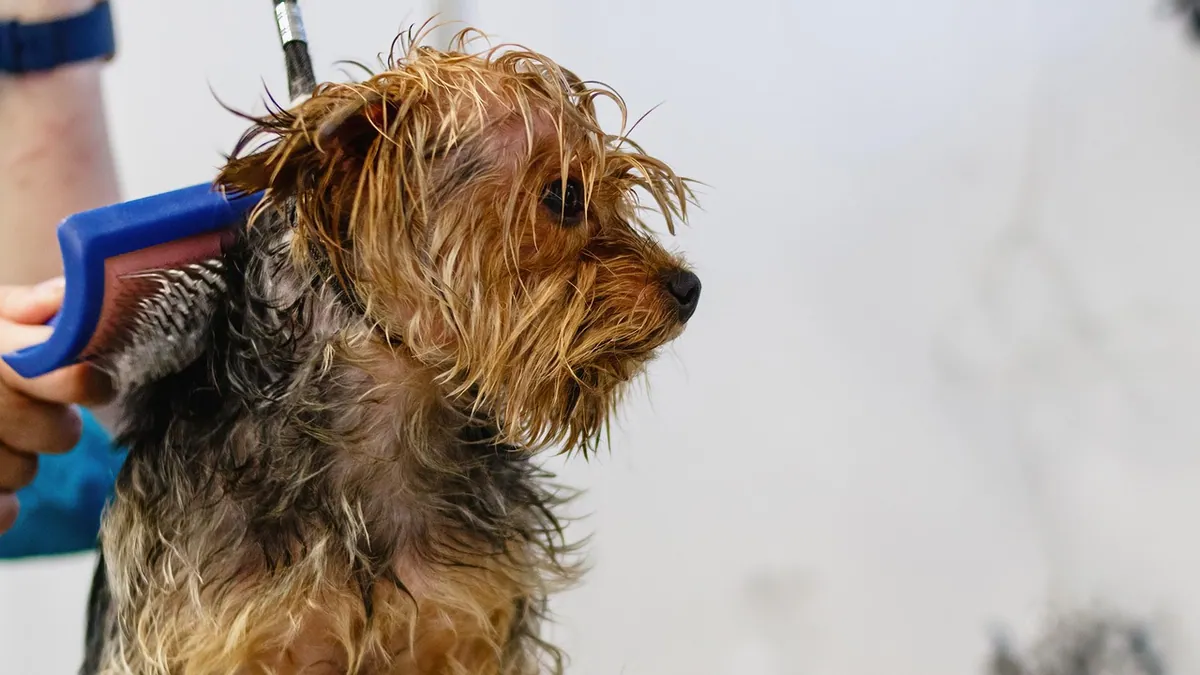
Fleas and ticks are two of the most common pet care problems in America, and many owners want a home remedy for dog fleas and ticks before reaching for a prescription product [1]. Some home steps genuinely help, like bathing, vacuuming, and yard cleanup. Others, especially essential oils and garlic, can make your dog sick.
This article is educational and is not a substitute for veterinary diagnosis or treatment.
Quick Answer
- Bathing with plain pet shampoo and running a fine-tooth flea comb remove adult fleas and help you measure how bad the problem is.
- Vacuuming floors, rugs, furniture, and baseboards daily pulls up eggs, larvae, and adult fleas, and you must empty the vacuum canister outside right away.
- Washing all pet bedding and your own bedding in hot water kills flea life stages that hide in fabric.
- Never apply undiluted essential oils, garlic, onion, or dish soap to your dog. Many of these are toxic or irritating, and some are deadly to cats in the same home.
- Home steps reduce the load but rarely clear an infestation alone. Prescription flea and tick preventives remain the most reliable control method [2].
A Step-by-Step Home Plan for Dog Fleas and Ticks
Treating your dog and treating your home are two separate jobs. You have to do both, and you have to keep doing them for weeks. Fleas can live as few as 13 days or as long as 12 months, and during that time a single flea can produce millions of offspring [1]. That is why one bath and one vacuum session will not finish the job.
Step 1: Confirm what you are dealing with
Fleas are most often found on a dog's abdomen, the base of the tail, and the head [1]. Part the fur and look for live insects, black specks (flea dirt), and red, irritated skin. Ticks attach anywhere but favor ears, the neck, between the toes, and skin folds. If you find a tick, remove it with fine-tipped tweezers, pulling straight up close to the skin, then clean the area.
Common flea signs include scratching, biting at the tail base, hair loss, and scabs [1]. Some dogs are highly sensitive to flea saliva and develop a condition called flea allergy dermatitis, which can look severe even when you find only a few fleas [1].
Step 2: Bathe and comb your dog
A warm bath with a gentle pet shampoo removes adult fleas and flea dirt. Follow with a fine-tooth flea comb, dipping the comb in soapy water between passes to drown what you catch. This is your best home tool for measuring progress. If you comb out five fleas today and two tomorrow, you are winning.
Do not use human shampoo, dish soap, or homemade oil blends on your dog's coat. Dish soap strips the skin barrier and can cause contact dermatitis. Essential oil blends are discussed below and carry real risk.
Step 3: Attack the house
Flea eggs and larvae live in carpet fibers and underneath furniture, which is where indoor infestations build [2]. Your daily routine should include:
- Vacuum all floors, rugs, upholstery, and crevices. Pay extra attention to where your dog sleeps and rides in the car.
- Empty the vacuum canister or bag into an outdoor trash bin immediately. Fleas can climb back out.
- Wash pet bedding, blankets, and your own sheets in hot water weekly.
- Keep floors clear of clutter so you can vacuum thoroughly.
For heavy infestations, your veterinarian may recommend a household spray or fogger. Foggers require you to leave the home temporarily, so plan for that [1].
Step 4: Treat the yard
Fleas thrive in shaded, leafy debris piles and underneath decks [2]. Rake clippings and leaves, keep grass short, and clear debris from under porches and sheds. Fleas like dark, moist, shady areas, so those are your priority zones [1].
Ticks live in tall grass and wooded areas, where they wait to attach to a passing animal [2]. If your dog runs in those areas, check him thoroughly afterward, every time.
Step 5: Add a veterinary preventive
Preventives are medications given routinely to stop fleas and ticks from biting your dog, and they come in many easy-to-use forms and dosages [2]. This is the step that actually breaks the life cycle. Home cleaning supports it, but it does not replace it. If you want to compare product types, see Flea And Tick Meds For Dogs and Dog Flea And Tick Prevention Options.
Home Remedy for Dog Fleas in House: What Actually Works
Owners often ask about a quick home remedy for dog fleas that clears the house fast. There is no single fast fix, but a consistent routine works.
| Task | How often | Why it matters |
|---|---|---|
| Vacuum all floors and furniture | Daily during an outbreak | Removes eggs, larvae, and adults from carpet and crevices [2] |
| Wash all bedding in hot water | Weekly | Kills life stages hiding in fabric |
| Flea comb your dog | Daily | Removes adults and tracks progress |
| Rake leaves and clear debris | Weekly | Removes shady, moist flea habitat [1] |
| Check for ticks after outdoor time | Every outing | Ticks wait in tall grass and woods [2] |
| Apply veterinary preventive | On your vet's schedule | Stops bites and breaks the life cycle [2] |
Diatomaceous earth is sometimes suggested for carpets. Its real-world effect on a flea infestation is not well established in veterinary research, and inhaling the dust irritates lungs for pets and people. Skip it.
Home Remedies for Dog Flea Bites and Itchy Skin
Flea bites cause itching, redness, and sometimes an allergic reaction called flea allergy dermatitis [1]. Home care can soothe the skin, but it does not treat the underlying allergy.
What you can do safely:
- Bathe with a gentle, fragrance-free pet shampoo to remove saliva and debris.
- Keep your dog from chewing and scratching with a cone if needed.
- Ask your veterinarian about appropriate itch relief. Do not give human antihistamines or pain relievers without a veterinary dose, because the dose depends on your dog's weight and health.
What you should not do:
- Do not apply hydrocortisone, calamine, or human creams to broken skin without veterinary guidance.
- Do not use tea tree, peppermint, eucalyptus, or citrus oils on your dog. Cats in the home are at even higher risk from these products.
- Do not assume the itching will stop once fleas are gone. Flea allergy dermatitis can persist and often needs veterinary treatment [1].
Are Essential Oils Safe for Fleas and Ticks?
This is where most home remedy advice goes wrong. Essential oils are plant extracts, and "natural" does not mean safe for your dog.
Laboratory research does show that some essential oils and their compounds kill or repel fleas and ticks. A review of 25 studies found that oils from Cinnamomum species, Ocimum gratissimum, Syzygium aromaticum, and Piper aduncum had the strongest insecticidal effects against the cat flea, along with their compounds cinnamaldehyde, eugenol, and dillapiole [3]. For the brown dog tick, carvacrol and geraniol showed strong repellent effects, with carvacrol performing comparably to DEET at certain concentrations and time points [4]. Another review found that oils rich in thymol, carvacrol, eugenol, and cinnamaldehyde show promising activity in laboratory testing [5].
Here is the problem. These are lab results, often from direct contact tests, not tested, dosed, and safety-checked products for your dog. Concentrated oils can burn skin, cause vomiting and drooling, trigger tremors, and cause liver damage. Cats are especially vulnerable because they cannot metabolize many of these compounds. A field trial in West Africa compared several marketed collar products, including ultrasonic, botanical, ceramic-bead, and amber bead collars, against a spot-on formulation containing 9.9% Eucalyptus citriodora oil, and these non-chemical collar products remain poorly supported by evidence [6].
If you want to use a plant-based product, buy one formulated and labeled for dogs, and ask your veterinarian first. Never mix your own.
Dangerous Myths to Avoid
- Garlic and onion. These damage red blood cells in dogs and can cause anemia. There is no safe flea-prevention dose.
- Dish soap as a preventive. It kills fleas on contact in a bath but has no lasting effect and dries out skin.
- Brewer's yeast. Commonly sold for flea prevention, but evidence for real-world effectiveness is weak and not well established.
- Ultrasonic collars and amber beads. These are marketed as chemical-free options, but empirical support is poor [6].
- Essential oil sprays and diffusers. Toxic risk to dogs and cats, especially concentrated products.
- Flea dips and older organophosphate products. High toxicity risk. Your veterinarian can recommend safer options.
Signs Something Is Wrong
Call your veterinarian if you see any of these after using a home remedy or during an infestation:
- Vomiting, drooling, wobbliness, tremors, or seizures after any topical product or oil
- Severe redness, oozing, or open sores on the skin
- Hair loss that keeps spreading
- Lethargy, pale gums, or weakness, which can signal anemia from heavy flea infestation
- A tick that will not detach or a bite wound that looks infected
- Limping, joint swelling, fever, or loss of appetite after a tick bite, which can suggest a tick-borne disease [2]
Fleas and ticks carry diseases that can spread to people too, including tapeworms from fleas and Lyme disease, anaplasmosis, ehrlichiosis, and Rocky Mountain spotted fever from ticks [2]. Protecting your dog protects your household.
If you suspect poisoning from any product, contact the ASPCA Animal Poison Control Center or your veterinarian right away. Keep the product packaging with you when you call.
Supplies That Matter
You do not need much, but the right tools make home control far more effective:
- A fine-tooth flea comb
- A gentle pet shampoo, fragrance-free if skin is irritated
- A vacuum with strong suction and a canister you can empty outdoors
- Hot-water-washable bedding for your dog and for you
- Fine-tipped tweezers for tick removal
- A tick key or tick removal tool for larger dogs
- A calendar or phone reminder for preventive doses
Skip foggers unless your veterinarian recommends one, since they require leaving the home [1].
Limitations and When to Contact a Veterinarian
Home remedies reduce fleas and ticks but rarely eliminate an infestation on their own. Fleas can survive 13 days to 12 months and produce millions of offspring in that window, so any gap in treatment restarts the cycle [1]. Prescription preventives remain the most reliable way to stop bites and prevent disease transmission [2].
Contact your veterinarian the same day if your dog has severe itching, open skin wounds, or you find many fleas despite home treatment. Go to an emergency clinic immediately if you see tremors, seizures, collapse, difficulty breathing, or pale gums. Call your veterinarian before starting any new product if your dog is pregnant, nursing, very young, very old, or on other medications. Routine visits are the right time to set up a year-round prevention plan.
Every dog is different, and your veterinarian is the only one who can examine your dog, weigh him, and choose a safe product and dose for his situation.
Frequently Asked Questions
Can I use essential oils on my dog for fleas?
No, not without veterinary guidance. Some oils and their compounds show real insecticidal and repellent activity in laboratory testing [3][4][5], but concentrated oils can burn skin and cause vomiting, tremors, and liver damage, and cats in the home are at even higher risk. If you want a plant-based product, choose one labeled for dogs and ask your veterinarian first.
Does vacuuming really kill fleas?
Vacuuming removes eggs, larvae, and adult fleas from carpet and furniture, which is where indoor infestations build [2]. It does not kill everything it picks up, so empty the canister or bag into an outdoor trash bin right after each session. Daily vacuuming during an outbreak makes a real difference when combined with a veterinary preventive.
How long does it take to clear a flea infestation?
It usually takes several weeks to months of consistent home cleaning plus veterinary prevention. Fleas can live 13 days to 12 months and produce millions of offspring in that time [1], so any pause in treatment lets the cycle restart. Expect to keep vacuuming and washing bedding well past the point when you stop seeing fleas.
Are flea collars and ultrasonic devices enough?
Usually not. A field trial of ultrasonic, botanical, ceramic-bead, and amber bead collars found these non-chemical products remain poorly supported by evidence [6]. Veterinary preventives are the products designed and tested to stop fleas and ticks from biting your dog [2]. Ask your veterinarian which option fits your dog.
Can my dog get sick from fleas and ticks even with home treatment?
Yes. Fleas commonly cause tapeworm infections and skin infections, and ticks can transmit anaplasmosis, Lyme disease, ehrlichiosis, and Rocky Mountain spotted fever [2]. These diseases can also spread to people in your home [2]. Home cleaning helps, but prevention is what lowers disease risk.
Related Articles
- Tick And Flea Medicine For Dogs
- Flea And Tick Meds For Dogs
- Flea And Tick For Dogs
- Dog Flea And Tick Prevention Options
- Dog Flea And Tick Treatment
- Safe Flea And Tick Prevention For Dogs
- Dog Allergic to Fleas: Signs and Home Remedies
- Dog Has a Tick: Removal, Risks, and Prevention
- Dog Mites Treatment: Medicines and Home Care Options
- Canine and Feline Tick-Transmitted Diseases and Intestinal Parasites: Diagnosis and Home Treatment
- Canine Heartworm Prevention and Flea Control: Combination Pill Options and Veterinary Guide
References
- Fleas and Ticks. ASPCA Animal Poison Control Center.
- Flea and tick prevention. Cornell University College of Veterinary Medicine.
- Essential Oils and Bioproducts for Flea Control: A Critical Review. Insects, 2025.
- Evaluating the repellent effects of major essential oil components (Lamiaceae) on brown dog tick Rhipicephalus sanguineus sensu lato) using the larval repellent activity test. Veterinary parasitology, 2025.
- Essential Oils for Flea and Tick Control in Companion Animals: A Critical Review of Efficacy, Safety, Resistance Mitigation and Integrated Pest Management. Antibiotics (Basel, Switzerland), 2026.
- Efficacy of repellents against fleas and ticks: a field trial on free roaming dogs in Mali, West Africa. Frontiers in insect science, 2026.