Is Cantaloupe Good for Dogs? Safe Serving Guide
By Dr. Zubair Khalid, DVM, MS, PhD ·
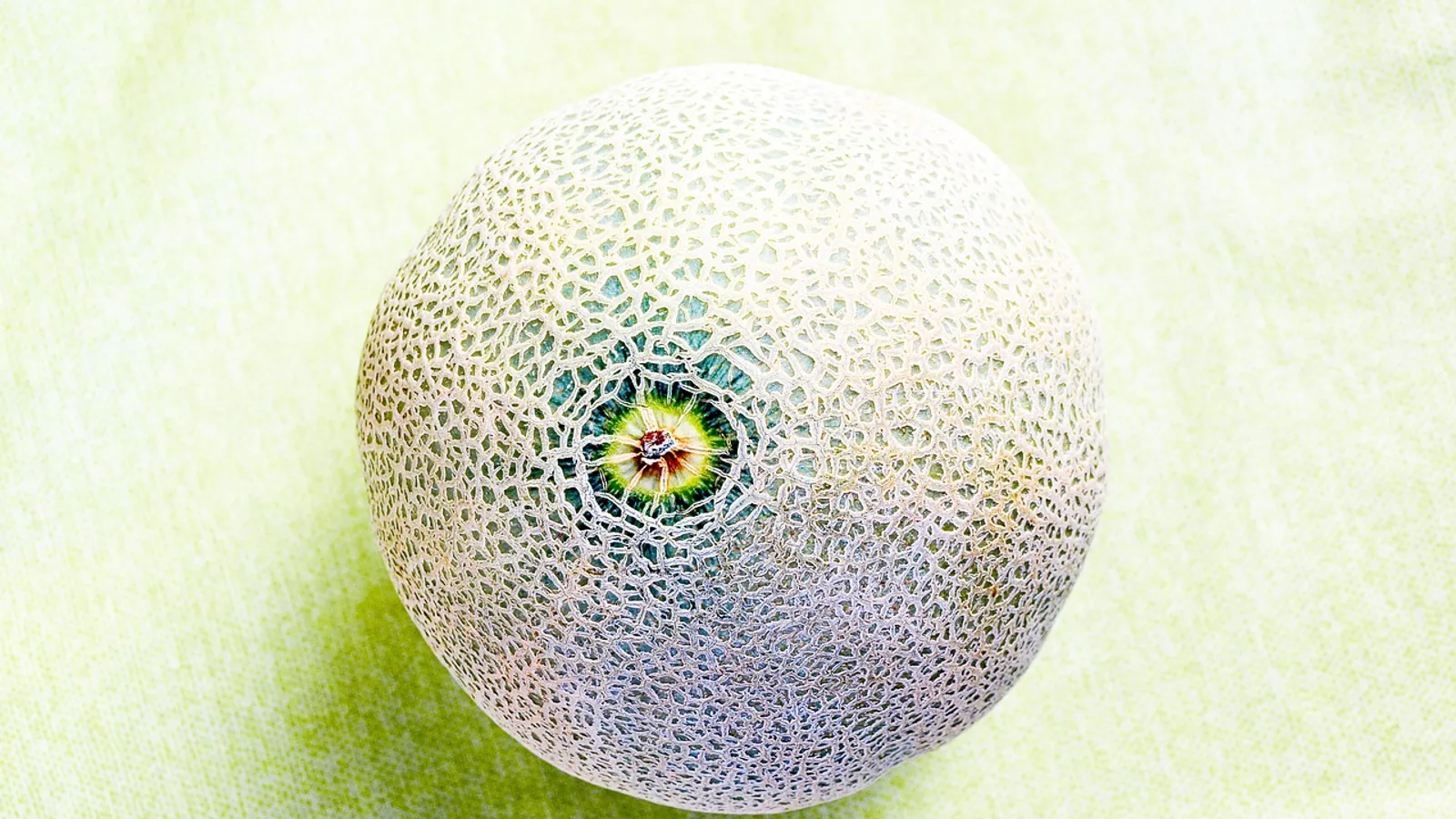
Yes, the flesh of cantaloupe is generally safe for healthy dogs when it is served in small, controlled portions. The rind and the seeds are the parts to avoid, because they are the leading causes of choking, intestinal blockage, and stomach upset when dogs eat melon.
This guide covers how much cantaloupe a dog can eat by body weight, why the rind and seeds matter, how the natural sugar in cantaloupe affects dogs with diabetes or obesity, and how to tell cantaloupe apart from fruits that are genuinely toxic to dogs, such as grapes and raisins.
Quick Answer: Is Cantaloupe Good for Dogs?
Cantaloupe is a fruit, not a required part of a dog's diet. It can be a safe occasional treat for most healthy adult dogs when you remove the rind and seeds and cut the flesh into small, bite-sized cubes. The fruit is roughly 90 percent water, which makes it refreshing on a hot day and relatively low in calories per bite compared with many commercial treats.
The catch is portion size and the dog's overall health. Cantaloupe contains natural sugars, and a dog's daily calorie budget is small. A treat that seems trivial to a person can represent a meaningful share of a small dog's daily energy intake. Veterinary nutrition guidance consistently holds that treats, including fruit, should make up no more than about 10 percent of a dog's daily calories, with the remaining 90 percent coming from a complete and balanced diet.
The other catch is preparation. The flesh is the only part you should feed. The rind is tough and largely indigestible, and the seeds can be swallowed whole. Both create mechanical risks that have nothing to do with nutrition.
What Is in Cantaloupe?
Cantaloupe flesh is mostly water with a modest amount of carbohydrate, a small amount of fiber, and useful amounts of vitamin A and vitamin C. The natural sugar content sits at roughly 8 grams per 100 grams of fresh flesh. That number matters because it is the basis for every portion recommendation in this article.
For comparison, 100 grams of cantaloupe is about 34 calories. A single 1-inch cube of cantaloupe weighs roughly 10 to 15 grams, so one cube delivers roughly 3 to 5 calories and about 1 gram of sugar. Those are small numbers in human terms. In a 10-pound dog eating around 250 to 300 calories per day, ten cubes would already approach the outer edge of the treat allowance.
Cantaloupe also contains beta-carotene, the pigment that gives the flesh its orange color and that the body converts to vitamin A. Dogs can use some plant-based carotenoids, though they convert beta-carotene to active vitamin A far less efficiently than people do. This is one reason cantaloupe is a treat and not a nutritional strategy.
The fruit does not contain the amino acids, fatty acids, or complete protein profile a dog needs. It cannot replace any part of a balanced diet. Its role is enrichment and hydration, nothing more.
Why the Flesh Is Generally Safe
Dogs are nutritionally omnivorous in a limited sense. They evolved alongside humans and can metabolize carbohydrates, unlike cats, which are obligate carnivores with a much narrower tolerance for plant-based energy sources. Research on canine macronutrient selection shows dogs naturally gravitate toward a diet that is roughly 30 percent of metabolizable energy from protein, a profile that is far more flexible than that of the domestic cat [1]. That flexibility is why a small amount of fruit does not destabilize a healthy dog's digestion.
The gut microbiome also adapts to dietary fiber and plant material. Studies of dogs fed different fiber sources, including carrot pomace, show that plant-derived fiber shifts fecal short-chain fatty acid production and microbial populations in ways that are generally well tolerated [2]. Cantaloupe's fiber content is low, but the principle holds: small amounts of plant matter are within the range a healthy canine gut can handle.
That said, "generally safe" is not the same as "always safe." Safety depends on three variables: how much you feed, how you prepare it, and the health status of the individual dog. A diabetic dog, an obese dog, or a dog with a sensitive stomach is a different case from a lean, healthy adult.
The Real Hazards: Rind and Seeds
The rind and seeds are where most cantaloupe-related problems originate.
The Rind
Cantaloupe rind is firm, fibrous, and difficult for a dog to break down. A dog that swallows a chunk of rind may choke if it lodges in the throat, or the piece may pass into the stomach and fail to move through the intestinal tract. Large or irregular pieces of tough plant material are a recognized cause of gastrointestinal obstruction in dogs, and obstruction is a surgical emergency.
Even when a rind piece does not cause a blockage, it can cause vomiting, diarrhea, or abdominal discomfort because it is essentially indigestible bulk. Some owners assume the rind is "just fiber." It is not useful fiber in this context. It is a foreign object with a small chance of becoming a serious problem and a larger chance of causing a messy few days.
The Seeds
Cantaloupe seeds are small, smooth, and slippery. A dog eating a slice of cantaloupe will often swallow them without chewing. In small numbers, seeds usually pass through. In larger numbers, or in a small dog, they can clump together and contribute to a blockage. The seeds also carry a hard outer coat that resists digestion.
There is a second, less obvious concern with seeds and rind: contamination. The rough outer surface of a melon can harbor bacteria, including organisms that cause gastrointestinal illness in dogs. Washing the outside of the melon before cutting reduces this risk, and discarding the rind removes it entirely.
The practical rule is simple. Cut the melon, scoop out the seeds, slice away the rind, and feed only the orange flesh.
Safe Portion Sizes by Dog Weight
The table below gives a practical daily maximum for cantaloupe flesh, based on keeping the fruit within roughly 10 percent of daily calories and using small cubes as the unit. These figures are starting points for healthy adult dogs, not targets to hit every day. A cube is approximately 1 inch, or about 10 to 15 grams.
| Dog Weight | Max Daily Cubes (approx.) | Estimated Calories | Risk Notes |
|---|---|---|---|
| 5 lb (2.3 kg) | 1 to 2 cubes | 3 to 10 kcal | Very small calorie budget. Sugar adds up fast. Skip if diabetic or overweight. |
| 10 lb (4.5 kg) | 2 to 3 cubes | 6 to 15 kcal | Watch total treat intake across the day. |
| 20 lb (9 kg) | 4 to 5 cubes | 12 to 25 kcal | Cut into smaller pieces to slow eating and reduce choking risk. |
| 30 lb (14 kg) | 5 to 7 cubes | 15 to 35 kcal | Fine for most healthy adults. Avoid rind entirely. |
| 50 lb (23 kg) | 8 to 10 cubes | 24 to 50 kcal | Still a small fraction of daily calories. |
| 70 lb (32 kg) | 10 to 12 cubes | 30 to 60 kcal | Larger dogs tolerate more volume, but sugar still counts. |
| 90+ lb (41+ kg) | 12 to 15 cubes | 36 to 75 kcal | Do not exceed the 10 percent treat rule. |
These numbers assume a lean, healthy, adult dog eating a complete and balanced maintenance diet. They are not appropriate for puppies under a growth diet, for dogs on a prescription diet, or for dogs with diabetes, pancreatitis, or obesity. In those cases, ask your veterinarian before adding any fruit.
A useful cross-check is the 10 percent rule. If your dog eats 400 calories per day, treats should total no more than about 40 calories. Twelve cubes of cantaloupe at roughly 4 calories each is about 48 calories, which already exceeds the allowance. That is why the table caps larger dogs at 12 to 15 cubes rather than scaling linearly forever.
How to Prepare and Serve Cantaloupe Safely
Preparation is where most owners can prevent problems before they start.
- Wash the outside of the melon under running water before cutting. This prevents bacteria on the rind from transferring to the flesh when the knife passes through.
- Cut the melon in half and scoop out all seeds and stringy center material with a spoon.
- Slice away the entire rind, including the thin green layer just under the outer skin.
- Cut the flesh into cubes no larger than 1 inch for medium and large dogs. For small dogs, cut cubes into quarters or eighths.
- Serve at room temperature or chilled. Avoid melon that has been sitting out for hours.
- Refrigerate leftovers in a sealed container and discard after three to four days.
For dogs that eat too quickly, freeze the cubes. Frozen cantaloupe slows eating and works as a cooling treat in warm weather. Do not add sugar, honey, whipped cream, or any sweetened topping. Plain flesh only.
If your dog has never eaten cantaloupe, start with one small piece and watch for vomiting, diarrhea, or gas over the next 24 hours. Most dogs tolerate it, but individual sensitivity exists.
Sugar Content and the Diabetic or Obese Dog
The roughly 8 grams of sugar per 100 grams of cantaloupe is the single most important number for owners of dogs with metabolic disease.
Diabetes mellitus in dogs requires tight control of carbohydrate intake. A sudden addition of fruit sugar can destabilize blood glucose, interfere with insulin dosing, and make regulation harder. The same applies to dogs with insulin resistance or those on a weight-management plan. For these dogs, cantaloupe is not a free treat. It is a measurable carbohydrate load that must be counted.
Obesity is the more common problem. Excess body weight in dogs is associated with a wide range of health issues, and every extra calorie works against weight loss. A dog on a calorie-restricted diet has a very small treat budget, sometimes as low as 10 to 20 calories per day. Two or three cubes of cantaloupe can consume that entire allowance.
If your dog is diabetic, obese, or on a prescription diet, treat cantaloupe as a decision to make with your veterinarian. Some clinicians allow a cube or two as an occasional reward with insulin timing in mind. Others prefer non-caloric or low-calorie alternatives. There is no universal answer, because the right choice depends on the dog's glucose curve, body condition score, and current diet.
A related consideration is the broader pattern of feeding. A large epidemiological study of Finnish companion dogs found that feeding a non-processed meat-based diet and giving table scraps during puppyhood and adolescence was associated with a lower incidence of chronic enteropathy later in life, while an ultra-processed carbohydrate-based diet was a risk factor [3]. That finding is about overall dietary patterns, not about cantaloupe specifically, but it supports the general principle that whole, minimally processed foods used sparingly fit better into a dog's long-term health than frequent sugary or highly processed treats.
Cantaloupe vs. Toxic Fruits: What to Avoid
Cantaloupe is not in the same category as the fruits that are genuinely dangerous for dogs. The most important distinction is grapes and raisins.
Grapes and raisins can cause acute kidney injury in dogs. The toxic principle is not fully understood, and individual dogs vary in susceptibility, which is why any ingestion is treated as a potential emergency. There is no safe dose established for grapes or raisins in dogs. If your dog eats either, contact your veterinarian or a pet poison control service immediately.
Other fruits to handle with care include:
- Cherries: the flesh is generally fine, but the pits contain cyanide precursors and are a choking hazard.
- Avocado: the flesh is high in fat and the pit is a choking and obstruction hazard. The leaves and skin contain persin, which can cause gastrointestinal upset.
- Citrus fruits: small amounts of flesh are usually tolerated, but the essential oils and high acid content can cause stomach upset in larger amounts.
- Persimmons: the seeds and pit can cause obstruction.
- Apple, pear, and peach: the flesh is generally safe, but the seeds and pits contain cyanide precursors and should be removed.
Cantaloupe sits on the safe side of this list when the flesh is served plain and the rind and seeds are removed. The confusion often arises because owners hear "fruit can be toxic to dogs" and assume all fruit carries the same risk. It does not. The specific fruit matters, and so does the specific part of the fruit.
Cantaloupe and the Dog's Overall Diet
Cantaloupe should never displace a complete and balanced diet. Dogs have specific amino acid requirements, and research on alternative protein sources shows how carefully those needs must be met. A study of dogs fed a commercial plant-based diet found that all essential amino acids except methionine were higher after four weeks compared with baseline, and taurine concentrations were also higher [4]. That study is about formulated diets, not fruit, but it illustrates a key point: meeting a dog's nutritional needs requires deliberate formulation, not guesswork with table food.
Other research has examined how specific nutrients interact with canine metabolism. A study on grain-free diets supplemented with methionine, taurine, or methyl donors found that methionine supplementation raised plasma homocysteine concentrations, while taurine and methyl donor supplementation did not produce the same effect [5]. This kind of work is why veterinary nutritionists caution against improvised diets. A piece of fruit here and there is not a diet, and it should not be treated as one.
There is also evidence that functional foods and specific bioactive compounds can influence canine health in measurable ways. A study of geriatric dogs fed diets supplemented with fish oil, lipoic acid, fruits and vegetables, and higher quality protein sources found increases in glomerular filtration rate over six months [6]. A separate prospective study in client-owned geriatric dogs found that a test food containing functional lipids, antioxidants, and botanicals was associated with decreases in serum symmetric dimethylarginine and creatinine concentrations [7]. These findings are about carefully designed therapeutic diets, not about adding cantaloupe to a bowl of kibble. They reinforce the same message: whole foods can have biological effects, and those effects should be managed with veterinary guidance, not assumed to be universally beneficial.
Fiber sources in particular can shift the gut environment. A study comparing brewer's spent grain and carrot pomace as fiber sources in dogs found that carrot pomace increased fecal short-chain fatty acids, mainly acetate, and improved apparent digestibility of total dietary fiber, phosphorus, and magnesium [2]. Cantaloupe's fiber content is much lower, but the broader lesson is that plant materials interact with canine digestion in specific, measurable ways.
What Is Still Uncertain
The veterinary literature does not contain a large body of research specifically on cantaloupe in dogs. Most of what veterinarians advise is based on the fruit's composition, general principles of canine nutrition, and clinical experience with foreign body ingestion and dietary indiscretion. There is no established toxic dose for cantaloupe because it is not toxic. There is also no established "safe upper limit" beyond the general treat allowance, because that limit depends on the individual dog's calorie needs.
What is uncertain is how much individual variation exists. Some dogs eat a few cubes with no issue. Others develop soft stool from a single piece. Some dogs with diabetes tolerate a small amount of fruit without glucose spikes. Others do not. These differences are real and are not fully predictable from the available research.
The other uncertainty is contamination. Fresh produce can carry bacteria, and the rough rind of a cantaloupe is a known surface for microbial growth. Washing and peeling reduce the risk, but they do not eliminate it. Dogs with compromised immune systems or chronic gastrointestinal disease may be more vulnerable to foodborne illness from any fresh produce.
Limitations and When to Contact a Veterinarian
This article is educational and is not a substitute for veterinary diagnosis or treatment. Individual dogs vary, and the right decision for your dog depends on its health status, diet, and medical history.
Contact your veterinarian promptly if any of the following occur after your dog eats cantaloupe:
- Repeated vomiting or vomiting that lasts more than 24 hours
- Diarrhea that is bloody, black, or persistent
- Abdominal pain, pacing, or a hunched posture
- Retching or unproductive attempts to vomit, which can indicate choking or bloat
- Difficulty breathing or noisy breathing
- Drooling, gagging, or pawing at the mouth
- Lethargy, weakness, or collapse
- Refusal to eat or drink for more than 12 hours
- Known ingestion of a large amount of rind or seeds
Seek emergency veterinary care immediately if your dog shows signs of choking, severe abdominal distension, or collapse. Intestinal obstruction from rind or seeds is a surgical condition, and delays worsen the outcome.
If your dog has diabetes, obesity, pancreatitis, inflammatory bowel disease, or kidney disease, talk to your veterinarian before feeding cantaloupe at all. The same applies to puppies, pregnant or nursing dogs, and dogs on prescription diets.
Frequently Asked Questions
Can dogs eat cantaloupe every day?
Small amounts of cantaloupe flesh can be fed daily to healthy dogs, as long as the total treat intake stays under about 10 percent of daily calories. Rotating cantaloupe with other dog-safe treats is a better approach than feeding the same fruit every day.
Is cantaloupe rind safe for dogs?
No. Cantaloupe rind is tough, difficult to digest, and a choking and obstruction hazard. Remove the entire rind before feeding.
Can dogs eat cantaloupe seeds?
Cantaloupe seeds should be removed. A few swallowed seeds usually pass, but larger amounts can clump and contribute to a blockage, especially in small dogs.
Is cantaloupe good for dogs with diabetes?
Cantaloupe is not a good choice for most diabetic dogs without veterinary approval. The natural sugar content can destabilize blood glucose and interfere with insulin regulation. Ask your veterinarian before offering any.
How many cubes of cantaloupe can a 20-pound dog eat?
A 20-pound dog can typically have about 4 to 5 one-inch cubes per day as a treat, which is roughly 12 to 25 calories. This assumes the dog is healthy, lean, and eating a balanced maintenance diet.
Does cantaloupe help dogs with hydration?
Cantaloupe is about 90 percent water, so it does add some moisture to the diet. It is not a substitute for fresh drinking water, and dogs should always have clean water available.
Are grapes and cantaloupe equally safe for dogs?
No. Cantaloupe flesh is generally safe in small amounts. Grapes and raisins can cause acute kidney injury and should never be fed. Any grape or raisin ingestion warrants immediate veterinary contact.
What should I do if my dog ate cantaloupe rind?
Monitor for vomiting, diarrhea, abdominal pain, and signs of choking. If your dog is small, ate a large amount of rind, or shows any of these signs, contact your veterinarian or an emergency clinic right away.
Related Articles
- Can Dogs Eat Cantaloupe? Vitamin A & Sugar Rules
- Vegetables Good For Dogs
- Can Dogs Eat Pears? Core Hazards & Serving Sizes
- Can Dogs Eat Papaya? Papain Enzyme and Serving Size
- Can Dogs Eat Bananas? Sugar Content & Serving Limits
- Can Dogs Eat Peanut butter? Xylitol Warnings & Serving Size
Sources
- Natural pet food: a review of natural diets and their impact on canine and feline physiology.
- Effects of Brewer's spent grain and carrot pomace on digestibility, fecal microbiota, and fecal and urinary metabolites in dogs fed low- or high-protein diets1.
- The effect of puppyhood and adolescent diet on the incidence of chronic enteropathy in dogs later in life.
- Short-term amino acid, clinicopathologic, and echocardiographic findings in healthy dogs fed a commercial plant-based diet.
- Addition of dietary methionine but not dietary taurine or methyl donors/receivers to a grain-free diet increases postprandial homocysteine concentrations in adult dogs.
- Nutritional Interventions that Slow the Age-Associated Decline in Renal Function in a Canine Geriatric Model for Elderly Humans.
- Positive Impact of Nutritional Interventions on Serum Symmetric Dimethylarginine and Creatinine Concentrations in Client-Owned Geriatric Dogs.