
How To Switch Pet Food Without Upsetting the Stomach
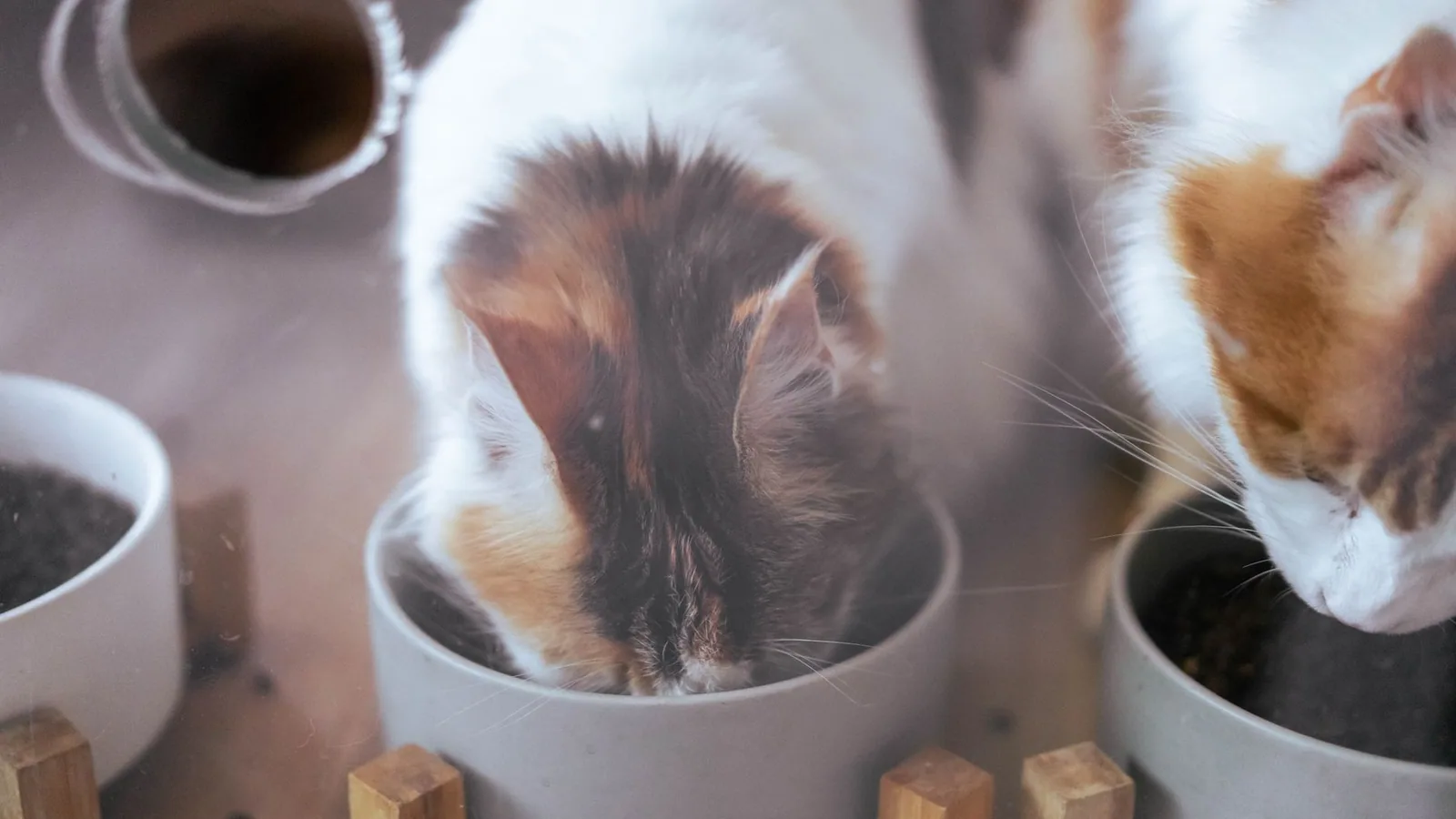
Most healthy dogs and cats do better when food changes are gradual. Sudden switches can trigger vomiting, diarrhea, gas, or refusal to eat. A veterinarian may recommend a faster change only for specific medical reasons.
What symptoms or causes should I watch for?
- Gut adaptation: The digestive tract and gut microbes need time to adjust to a new formula.
- Fat or fiber change: Large changes in fat, fiber, or protein can upset stool quality.
- Flavor refusal: Cats and some dogs may reject sudden texture or flavor changes.
- Medical diets: Kidney, urinary, allergy, and gastrointestinal diets may require a planned transition.
- Hidden extras: Treats and toppers can confuse whether the new food is tolerated.
What can I safely do at home right now?
- Start with small amounts: Mix a small portion of the new food into the familiar food when your pet is stable.
- Move gradually: Increase the new food over several days if stool, appetite, and energy stay normal.
- Track stool and vomiting: Write down soft stool, gas, vomiting, appetite, and any treat changes.
- Do not force cats: Cats that stop eating can become ill, so call your vet if refusal persists.
- Pause if sick: Do not keep pushing a new food during repeated vomiting, diarrhea, or lethargy.
When is this an emergency?
Go to an emergency veterinary clinic now if you notice:
- Repeated vomiting, bloody diarrhea, or severe belly pain.
- A cat not eating or eating very little.
- Weakness, dehydration, collapse, or pale gums.
- Diet change in a pet with diabetes, kidney disease, urinary disease, or pancreatitis history.
- Puppy, kitten, senior, pregnant, or medically fragile pet with digestive upset.
What will my veterinarian check?
Your veterinarian may ask for the old diet, new diet, treats, timing, stool appearance, weight, and medical history. They may recommend stool testing, hydration support, or a different diet strategy.
How can I reduce the risk next time?
Keep diet changes planned, use one change at a time, and avoid adding new treats during the transition window.
Related veterinary guides
- Pet Obesity Signs: How To Tell If Your Dog or Cat Is Overweight
- Spay and Neuter Questions: What Pet Owners Should Ask
- Microchips for Dogs and Cats: What Owners Should Know
- Is Pet Insurance Worth It?
References
- FDA - Pet Food and Treats
- CDC - About Pet Food Safety
- Merck Veterinary Manual - The Digestive System in Animals
Disclaimer: This article is for educational and informational purposes only. It does not constitute medical advice, does not establish a vet-client-patient relationship, and should not replace an in-person evaluation by a licensed veterinarian.