Horse Breeds for Beginner Riders: A Safer Way to Choose a First Horse
By Dr. Zubair Khalid, DVM, MS, PhD ·
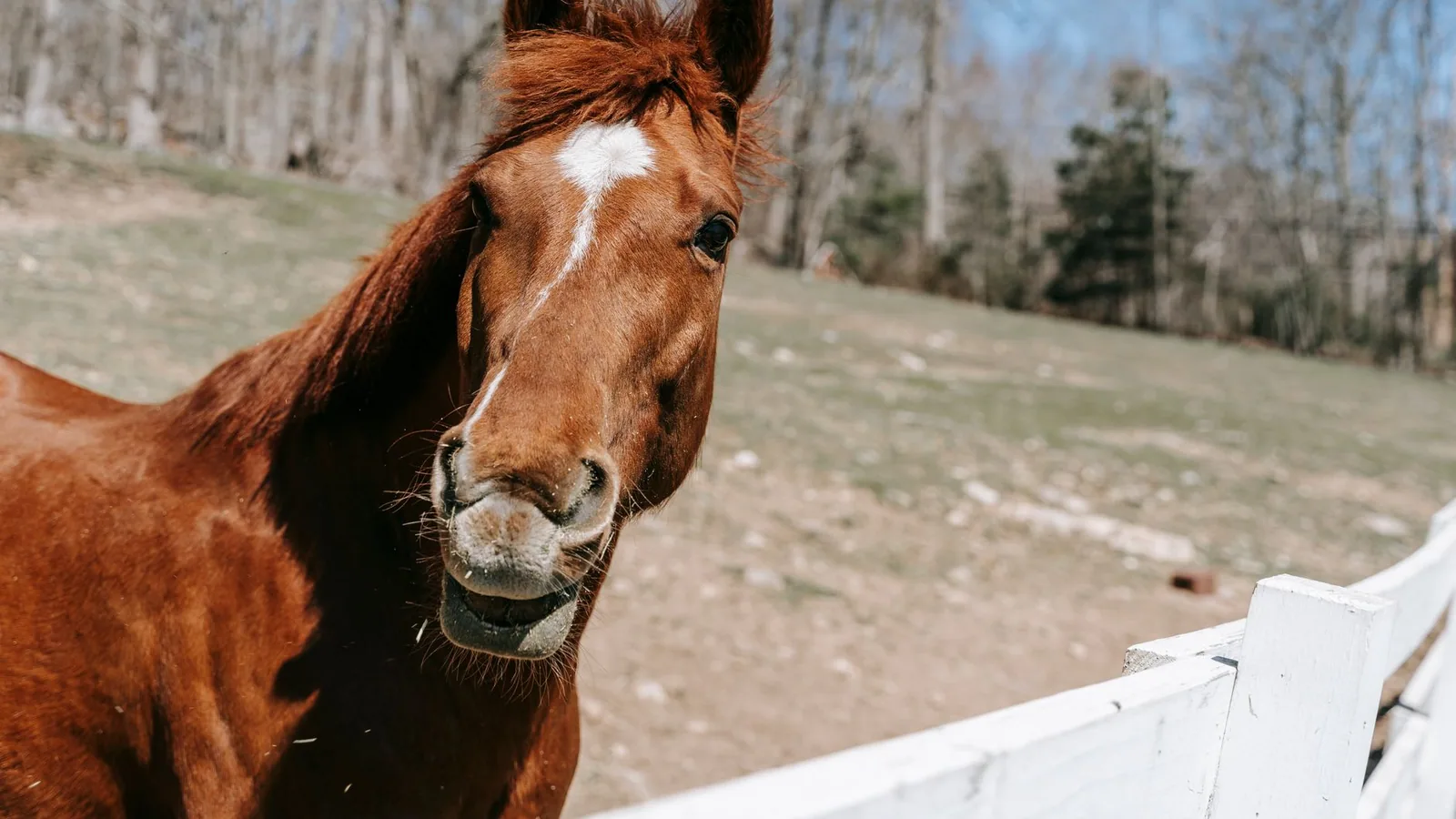
The safest first horse is not a breed name. It is a specific horse with suitable training, soundness, handling, management, and support for a particular rider. Breed history can help a beginner ask better questions about size, build, discipline, and availability. It cannot certify a horse as quiet, safe, healthy, or appropriate for a novice.
Search interest in “best horse breeds for beginner riders,” “best horse breeds for first time owners,” and “beginner horse breeds” reflects a sensible need for a starting point. The risk is that a list of supposedly calm breeds can persuade a rider to overlook the factors that prevent accidents and expensive mismatches. This guide reverses that order. Start with the rider, the horse's current evidence, and the support system. Use breed context after those basics are clear.
Key Takeaways
- The safest first horse is an individual with demonstrated suitability, not a breed name; prioritize a horse with proven training, soundness, and appropriate handling for the rider's skill level and intended discipline.
- A comprehensive pre-purchase examination by a veterinarian selected by the buyer is critical for identifying potential soundness issues, pain, or conditions that could compromise safety and incur significant future costs.
- Essential factors beyond breed include the rider's current ability and goals, the availability of a qualified support team (instructor, veterinarian, farrier), and a realistic budget for ongoing management, including forage, hoof care, and potential emergencies.
- Observe a horse's behavior in realistic settings, focusing on its response to catching, grooming, tacking, mounting, and riding, as well as its reaction to separation from other horses, rather than relying on anecdotal breed temperament claims.
- Breed history provides context for common disciplines and body types but does not guarantee a horse's temperament or suitability for a novice; focus on the individual horse's current evidence of training, health, and handling.
- A detailed first-year budget encompassing boarding, routine veterinary care, farrier services, dentistry, insurance, lessons, and an emergency fund is paramount, as ongoing costs often far exceed the initial purchase price.
Quick Answer
For a beginner, prioritize an experienced, sound, well-handled horse that has been doing the intended job reliably with riders at the buyer's level. Bring a qualified instructor or trainer, arrange an independent pre-purchase veterinary examination, observe catching, grooming, tacking, loading, hoof handling, and riding in a realistic setting. Consider American Quarter Horses, Morgans, Haflingers, Welsh Cobs, Appaloosas, and many grade horses as populations to research, not automatic recommendations. An individual horse's training and current comfort matter more than its registry label.
At a Glance
| Decision factor | Why it matters more than a breed label | Evidence to seek |
|---|---|---|
| Rider skill and goals | A quiet trail horse, lesson horse, and entry-level show horse need different training | Instructor assessment, rider lesson history, written goals |
| Training and handling | Repetition of calm behavior is more useful than a personality description | Watch catching, leading, tacking, mounting, riding, and loading |
| Soundness | Pain or lameness can affect safety and future cost | Independent pre-purchase examination and records |
| Facility and budget | Boarding, forage, hoof care, dentistry, and emergencies continue for years | Written annual budget and local professional contacts |
| Breed history | It can explain common disciplines and body types | Registry information, not a temperament guarantee |
Why “Best Beginner Breed” Is the Wrong First Question
A horse can become unsafe for a beginner because of pain, inadequate training, fear, poor saddle fit, recent changes in work, herd attachment, poor handling, or an unsuitable environment. None of these is resolved by a breed name. A horse with decades of calm lesson experience may be a better teacher than a young horse from a frequently recommended breed. A well-schooled grade horse can be a stronger match than a registered horse selected for appearance.
The American Association of Equine Practitioners guidance on pre-purchase examinations emphasizes that the examination is intended to identify findings relevant to the buyer's intended use. It is not a warranty and does not predict every future problem. That distinction mirrors the whole selection process. A first-horse decision is risk management, not a search for certainty.
Start With the Rider and Support Team
Before visiting horses, write down the rider's current ability, intended discipline, available lesson support, boarding plan, and weekly time. A first-time owner should have an instructor or trainer who is willing to evaluate prospects, a veterinarian who can perform a pre-purchase examination, a farrier or hoof-care professional, and a boarding or facility plan. These relationships are part of the horse purchase.
| Rider or owner question | Why it changes the right horse |
|---|---|
| Can the rider walk, trot, steer, stop, and ride outside an arena under supervision? | A horse suitable for assisted lessons may not suit independent trail riding |
| Is the goal relaxed trails, low-level showing, driving, or a specific discipline? | Training should match the job already, not rely on future potential |
| Who will ride or handle the horse during injury, travel, weather, or confidence setbacks? | A horse needs consistent management even when the buyer cannot participate |
| Is professional instruction affordable after purchase? | Lessons often protect safety and the value of the match |
| Is the rider a child, adult, returning rider, or experienced person entering a new discipline? | Height, strength, confidence, and support need individual consideration |
Avoid buying a young horse as a “project” for a first-time owner. Young horses can be wonderful with professional training, but they require skill, time, consistency, and a budget that many novice households do not have. The same caution applies to a horse returning from injury, a recently imported horse, an unhandled horse, or a horse described as needing “one confident rider.” These are important disclosures, not marketing phrases to solve with enthusiasm.
Breed History Is Useful Context
Breed history can help explain why a particular population appears in a discipline. American Quarter Horses developed through North American stock-horse, sprinting, and ranch traditions. Morgans have a long American history of versatile riding and driving work. Haflingers were developed in the Alpine region for riding, driving, and draft tasks. Welsh breeds include several pony and cob sections with distinct uses. Appaloosa history connects to the Nez Perce and later registry development. These histories are meaningful, but modern animals vary greatly in training, size, conformation, and handling.
The American Quarter Horse Association and American Morgan Horse Association offer registry history and breed information. Read such material as background. Do not turn it into a medical or safety claim. “Bred for ranch work” does not prove that a horse is traffic-safe. “Known for intelligence” does not say how it responds to mounting, separation, pain, or novice cues.
Horse Types Often Researched by Beginners
| Type or breed population | Historical context | Questions to ask before treating it as beginner-suitable |
|---|---|---|
| American Quarter Horse | Stock-horse and western performance traditions | What training has this horse had, what is its current workload, and are lineage-related tests relevant? |
| Morgan | Versatile riding, driving, and working-horse history | How does this individual handle weight, pasture, hoof care, and the rider's intended job? |
| Haflinger | Alpine riding, driving, and draft history | Is it an easy keeper, and can the facility manage body condition and grazing? |
| Welsh Cob or pony | British pony and cob traditions with varied riding and driving roles | Does size fit the rider, and does the individual have appropriate training? |
| Appaloosa | North American spotted-horse history and multiple riding disciplines | What eye history and soundness information are available? |
| Irish Cob or Gypsy type | Cob and driving traditions, often heavy feathering | Is hoof and feather care realistic, and what are the handling records? |
| Grade or crossbred horse | May combine multiple backgrounds and often has a proven job history | Does the horse have verified training, soundness, and a good instructor assessment? |
There is no required registry for a safe first horse. A carefully selected grade horse with a documented history of carrying novice riders can be an excellent choice. A registered horse with no suitable training record can be a poor one.
Training and Handling: What to Watch in Person
View a prospect more than once when possible. Ask the seller to catch the horse from the field or stall without changing its routine first. Observe grooming, hoof picking, saddling, bridling, mounting, walking away from companions, standing at a block, riding in open and enclosed spaces, and loading if transport is part of the planned life. Then have the current rider perform the activities before you ride.
| Observation | Reassuring evidence | Reason to pause and investigate |
|---|---|---|
| Catching and leading | Horse allows ordinary approach and moves with calm, clear handling | Seller catches the horse before arrival or avoids showing the process |
| Hoof handling | Horse stands safely for routine foot lifting | Kicking, collapse, pain response, or inability to hold a foot needs assessment |
| Tacking | Horse accepts routine saddle and bridle handling without escalating distress | Girthiness, ear pinning, avoidance, or pain signs need professional investigation |
| Mounting | Horse stands while a competent rider mounts and dismounts | Rushing, spinning, bucking, or repeated avoidance is not a beginner issue to “train through” alone |
| Riding | Horse shows a repeatable response to basic aids in the intended environment | Horse is only shown in a highly controlled setting or becomes unsafe outside it |
| Separation | Horse can work away from herd mates with appropriate support | Extreme panic, bolting, or inability to focus needs skilled evaluation |
Do not ask a seller to deliberately frighten a horse or create a dangerous “spook test.” That is unfair and can create an unsafe situation. Instead, observe normal novel stimuli, transitions, routine handling, and recovery. Ask about known triggers and what the horse does when worried. Honest answers are more useful than a staged claim that a horse is “bombproof.”
Soundness, Pain, and the Pre-Purchase Examination
A pre-purchase examination should be performed by a veterinarian selected by the buyer, not by the seller. Tell the veterinarian exactly what you want the horse to do. A prospect for quiet trail riding, jumping, driving, or a child rider presents different decision questions. The scope may include review of identification, general examination, eyes, mouth, heart and lungs, skin, limbs, gait, and other tests or imaging based on the intended use and findings.
The AAEP client guidance on lameness is helpful context for why a horse can look fine during a short demonstration yet still need thoughtful evaluation. Lameness is a sign, not a diagnosis. A horse may compensate, improve with medication, or show discomfort only under a certain rider, surface, or workload. A veterinarian can explain what a finding means for the planned purchase, including uncertainty.
| Pre-purchase component | What it helps answer | What it cannot guarantee |
|---|---|---|
| Physical examination | Current overall findings and visible concerns | Future health status |
| Gait and lameness evaluation | Whether movement is comfortable under the observed conditions | Performance in every footing, season, or workload |
| Eyes and neurologic observation | Signs requiring further assessment | Future injury or every subtle condition |
| Imaging when indicated | Structural information relevant to the intended use | That the horse will never become lame |
| Drug screening if agreed | Evidence related to substances at the time collected | A complete lifelong medication history |
Never let a lower purchase price replace an examination when the horse will carry a novice. A hidden pain problem can create risk for the horse and rider, and the cost of care can quickly exceed the initial savings.
Size, Conformation, and Rider Fit
Height matters, but it is not a simple safety rule. A small, athletic horse can feel more powerful than a taller horse with quiet training. A broad horse can be comfortable for one rider and physically difficult for another. Weight-carrying capacity depends on many variables, including body condition, conformation, fitness, tack, terrain, duration, and the horse's health. Do not use an online percentage rule as a substitute for professional advice.
Focus on practical fit. Can the rider mount safely with a block? Can the saddle be fitted correctly? Does the rider's coach feel the horse's movement, stride, and responsiveness suit the rider's current balance? Are the horse's feet, back, and musculoskeletal system comfortable with its current job? A qualified saddle fitter, instructor, and veterinarian may each add useful information.
Management Needs That Decide Whether a First Horse Works
The daily management plan can make an apparently suitable horse a poor fit. Horses need forage-centered nutrition, clean water, shelter, turnout or exercise appropriate to the individual, hoof care, dental assessment, vaccination decisions, parasite control based on veterinary guidance, and prompt response to illness or injury. New owners should learn basic normal parameters and emergency signs, including colic, choke, significant wounds, lameness, fever, neurologic signs, and suspected laminitis.
The AAEP owner guidance on preventive health care offers a useful route to current owner resources. Local advice matters because vaccination, disease risk, forage, climate, and boarding practices vary. A horse that is an easy keeper may require careful body-condition management, particularly on rich pasture. A horse that loses weight easily may need nutritional investigation and a different budget. Neither issue is solved by a breed label.
Cost and Time: Make the First-Year Budget Before Buying
Write a realistic annual plan that includes boarding or land, hay and feed, bedding, farrier appointments, routine veterinary care, dentistry, insurance or emergency savings, lessons, tack, transport, blankets if needed, and unexpected care. Ask the boarding facility what is included and what is billed separately. Ask the farrier and veterinarian about local service expectations. Do not assume the purchase price is the main cost.
| Budget area | Question to answer before purchase |
|---|---|
| Boarding or facilities | Does the arrangement include turnout, feed, blanketing, holding for professionals, and emergency access? |
| Routine veterinary care | Which visits, vaccines, dental assessments, and laboratory tests are likely locally? |
| Hoof care | How often will the horse need trimming or shoeing, and what happens if it loses a shoe? |
| Training and lessons | Can the rider continue instruction and pay for help when problems appear? |
| Emergency fund | Is there a clear plan for urgent colic, injury, surgery discussion, or hospitalization? |
| Transport | Who can move the horse safely if the barn closes, the horse is ill, or evacuation is needed? |
Discipline Fit Is Different From Beginner Fit
A horse can be safe, kind, and experienced while still being a poor match for a particular discipline. A rider who hopes to trail ride needs evidence of safe behavior away from the arena, including ordinary traffic, water, other horses, and changes in footing within the horse's current ability. A rider who wants to learn dressage needs a horse with training that supports steady, correct basics. A child learning to jump needs a horse with the right experience, fitness, and professional supervision. The word “versatile” is not a substitute for a current work record.
Ask what the horse has done in the past twelve months. Ask who rode it, how often, on what surfaces, and whether it had breaks from work for injury or behavior. Videos can help, but they should not replace an in-person evaluation. A polished short clip may show only the best moments, a professional rider, or an environment that does not resemble the buyer's intended use.
| Intended activity | Evidence worth seeing | Beginner-specific caution |
|---|---|---|
| Quiet trail riding | Calm rides in comparable terrain, safe mounting, traffic and separation history | A horse that only works in an arena has not necessarily been prepared for trails |
| Lessons | A pattern of forgiving responses with novice riders and qualified supervision | A school horse can still need health, workload, and retirement planning |
| Low-level showing | Current training record and a horse that can settle at new venues | Showing adds travel, expense, and a more demanding environment |
| Driving | Ground-driving, harnessing, traffic, and vehicle-safety history | Driving is not automatically safer because the rider is on the ground |
Common Medical and Welfare Questions by Type
Breed-associated health questions should be discussed with a veterinarian who knows the individual horse and local context. They are not diagnoses. Some Quarter Horse pedigrees prompt discussion of inherited conditions. Ponies and easy-keeping types often require careful body-condition and pasture management. Heavy feathering may require regular inspection of skin and hooves. Appaloosa-patterned horses may prompt more detailed eye-history questions. These are screening prompts, not a reason to presume disease.
| Question area | Why it belongs in a beginner purchase conversation |
|---|---|
| Body condition and grazing | New owners can unintentionally overfeed a horse, increasing laminitis and metabolic risk |
| Hoof quality and farriery | Hoof care is recurring, and foot pain can change performance and behavior |
| Back and saddle fit | Discomfort under tack may appear as resistance, bucking, or reluctance to move |
| Eyes and vision | A visually impaired horse may need specialized management and may not suit every beginner situation |
| Dental history | Mouth discomfort can affect eating, bitting, and behavior |
| Vaccination and biosecurity | Local disease risk and boarding rules influence a preventive plan |
Never accept “he is just grumpy when saddled” or “she always has a little limp at first” as a harmless breed trait. Ask for veterinary assessment. Behavior that appears difficult may be an attempt to avoid pain or confusion. The AVMA horse-owner resources provide an owner-oriented starting point for preventive care and responsible management.
First 30 Days After Purchase
The first month is an adjustment period for both horse and owner. Avoid an immediate schedule packed with lessons, trail rides, visitors, shows, or equipment changes. Coordinate with the boarding manager, veterinarian, trainer, and farrier. Keep written notes on appetite, manure, water use, turnout, behavior, medications, and any signs of illness. These notes help a professional respond quickly if a concern emerges.
Before arrival
Confirm stall, paddock, fencing, water, hay, turnout group, feed plan, emergency contacts, and quarantine or introduction procedures. Learn the facility's rules for helmets, riding alone, blanketing, medication, holding for the veterinarian, and severe weather. Make sure tack fits the actual horse, not the horse imagined during shopping.
Week one
Keep handling calm and ordinary. Allow time to learn the horse's normal demeanor, manure, appetite, and drinking pattern. Do not change feed abruptly. Arrange a veterinary visit as advised by the purchase findings and local requirements. Use lessons or professional help for the first rides, even if the horse was presented as easy.
Weeks two to four
Build a predictable routine. Review body condition, turnout compatibility, tack fit, and workload with the support team. If the horse becomes anxious, difficult to catch, sore, or unsafe, identify possible medical, management, and training contributors early. Avoid punitive escalation. Safety comes first, and professional assessment is usually cheaper and kinder than allowing a problem to become established.
Beginner Horse Purchase Myths
| Myth | What is more accurate |
|---|---|
| “A calm breed will be calm for every rider.” | Horses vary within every breed, and training, health, and environment affect safety. |
| “A younger horse will grow with me.” | Young horses usually need more skilled, consistent training than beginners can provide alone. |
| “A cheap horse leaves money for lessons.” | Low price can reflect a health, behavior, management, or market issue that costs more later. |
| “A pre-purchase exam means nothing can go wrong.” | It gives current information and identifies risks relevant to the intended use. |
| “A horse that is safe in a video is safe everywhere.” | Context, rider, footing, equipment, and editing can change what a video shows. |
How to Compare Two Suitable Prospects
If two horses both appear promising, use a written comparison sheet instead of choosing on color, registry, or pressure from a seller. The sheet should be reviewed with the instructor and veterinarian. It makes it easier to identify missing information and prevents a dramatic first impression from outweighing the horse's actual daily fit.
| Comparison field | Prospect A | Prospect B |
|---|---|---|
| Current job and rider level | ||
| Catching, grooming, tacking, mounting | ||
| Riding observation in intended setting | ||
| Known health and farrier history | ||
| Pre-purchase findings | ||
| Facility and transport compatibility | ||
| Instructor recommendation | ||
| Budget including likely care | ||
| Reason to decline if evidence changes |
Leaving a field blank is useful information. Do not fill it with assumptions. A purchase can wait while records are gathered or a second visit is arranged.
Questions to Ask the Seller
- Why is the horse for sale, and how long has the seller owned it?
- What does the horse do in a normal week, and who rides it?
- Has it had lameness, colic, ulcers, eye issues, respiratory disease, surgery, medications, or extended time off?
- When was the last farrier and dental visit, and may I contact those professionals with permission?
- How does it behave with catching, clipping, bathing, trailers, traffic, veterinary care, and separation?
- What happens if it is left without work, moved to a new barn, or asked to do a new task?
- May I arrange an independent veterinarian, return for another visit, and bring my instructor?
The answers should be consistent with records and what you observe. An honest seller may describe imperfections. That is often more useful than a claim that the horse has none.
A Pedigree Is a Map, Not a Safety Certificate
Pedigrees can show registered ancestry and may help identify lines that warrant a health or performance question. They do not show current soundness, quality of training, behavior under stress, or suitability for a beginner. Ask the seller to explain the pedigree only after the individual evidence has been reviewed.
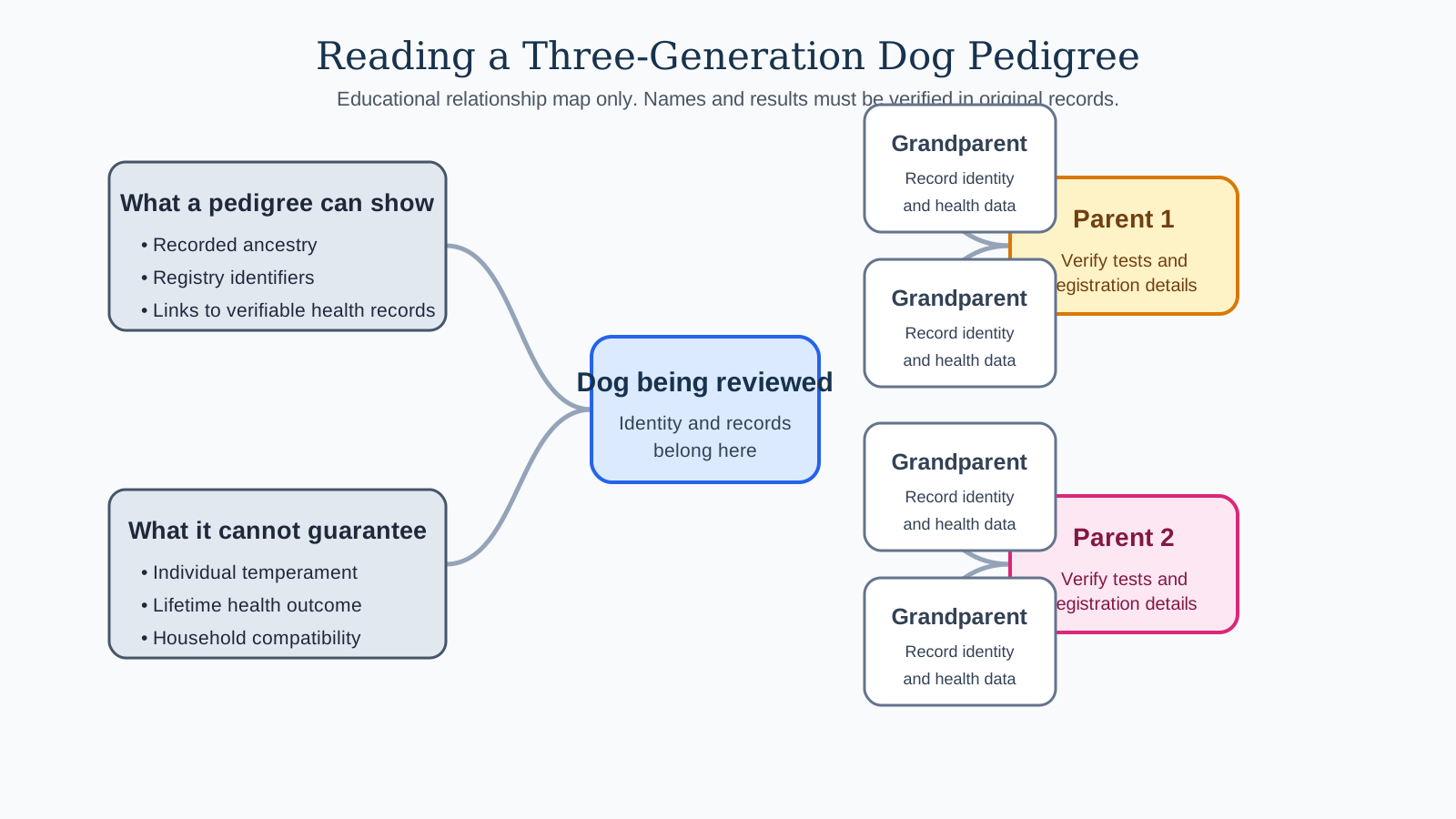
This generic diagram illustrates relationship positions across three generations. It is not a breed-specific genetic or medical-risk calculation.
| Pedigree detail | Useful follow-up |
|---|---|
| Repeated ancestor | Ask how inbreeding and health information are considered in the breeding decision |
| Famous performance name | Ask what discipline, condition, and training produced the result |
| Registry notation | Verify the record with the relevant registry where possible |
| Reported genetic condition | Ask a veterinarian which test, result, and clinical implications are relevant |
A Safer Purchase Sequence
- Take lessons long enough to define your present skills and goals.
- Ask an instructor or trainer to help set non-negotiable criteria.
- Visit more than one horse and record direct observations.
- Watch the seller or current rider perform ordinary handling first.
- Ride only within your experience level and with qualified support.
- Review veterinary, farrier, training, and ownership records.
- Arrange an independent pre-purchase examination for a horse that remains a strong fit.
- Review boarding, insurance, transport, emergency, and return or resale plans before payment.
- Sleep on the decision. A seller who refuses reasonable diligence is providing important information.
A Practical First-Horse Care Calendar
Horse ownership becomes less mysterious when recurring work is visible before purchase. The exact timing belongs to the local veterinarian, farrier, facility, and horse, but a calendar reveals whether the household has the time and budget for routine care. Keep records in a notebook or shared digital file. Record service dates, findings, medications, feed changes, body-condition observations, and contact information.
| Interval | Typical responsibilities to plan with professionals |
|---|---|
| Daily | Check appetite, manure, water, attitude, legs, turnout safety, and basic condition before riding |
| Each ride | Assess tack, soundness, footing, weather, rider equipment, and the horse's readiness for the planned work |
| Weekly | Review body condition, grooming needs, minor skin issues, fence condition, and training progress |
| Every several weeks | Farrier or hoof-care appointment according to the horse's needs and professional advice |
| Seasonally | Review forage, body condition, blanketing or heat plan, parasite-control plan, vaccination needs, and facility risks |
| Annually or as advised | Veterinary examination, dental assessment, vaccination review, emergency-plan review, and insurance or savings review |
The calendar is also a welfare tool. A horse that is handled often enough for ordinary observation is more likely to show a small wound, weight change, loose shoe, or behavior change before it becomes a major issue. It does not mean the owner should diagnose the problem. It means they should recognize when to call for help.
Local Context and Regional Rules
Horse care is local in ways that breed lists rarely show. Pasture quality, heat, cold, insect pressure, flood risk, wildfire evacuation, access to veterinary hospitals, boarding rules, and disease outbreaks can change what a prudent purchase looks like. A horse that fits one region's forage and shelter system may not fit another. Before purchase, speak to local professionals and owners who use similar facilities.
Check identification and movement requirements where you live. Some jurisdictions require passports, health certificates, brand inspections, microchips, or testing before travel. Boarding facilities may require defined vaccination, quarantine, and deworming practices. These rules protect the horse, other horses, and the buyer from an avoidable disruption after purchase.
Bringing an Instructor Into the Decision
An instructor does more than judge whether a horse is “nice.” A good instructor compares the horse's training with the rider's current balance, timing, confidence, and goals. They can watch whether the rider can mount safely, establish a halt, steer, and recover from ordinary mistakes. They can also notice when a buyer is being asked to accept behavior beyond their current ability.
Before shopping, agree on a short list of non-negotiables: experience carrying riders at a comparable level, a known health and farrier history, a willingness to permit an independent examination, and a current job that matches the buyer's plan. Ask the instructor to attend at least one visit. If that is impossible, share unedited, ordinary footage and arrange a follow-up ride under supervision. Do not rely on a trainer who has a financial interest in completing the sale without making that interest clear.
An instructor cannot replace a veterinarian, and a veterinarian cannot replace riding instruction. The two perspectives answer different questions. When they agree that a horse is a realistic fit, the buyer has stronger evidence. When they disagree, slow down and learn why.
If the Match Starts to Fail
A mismatch does not always mean a person has failed or a horse is bad. It may mean the horse is in pain, the rider needs more instruction, the facility is not appropriate, tack does not fit, the workload is too high, or the original information was incomplete. Put safety first. Pause risky riding, document what has changed, and ask the veterinarian and trainer to assess the situation separately and together where possible.
Do not sell or rehome a horse by hiding a medical or behavioral concern. Honest disclosure gives the next home a chance to provide suitable care. A responsible transition plan may include rehabilitation, a different riding role, a lease, a trainer-supported placement, retirement, or in some situations a difficult quality-of-life discussion with a veterinarian. The horse's welfare must remain central.
The goal of a first-horse purchase is a sustainable partnership, not proof of courage or a fast route to an advanced discipline. A buyer who decides not to purchase after a concerning visit has made a successful safety decision. Lessons, leases, and supervised riding on an established horse can offer valuable experience while the right match is still being sought.
Leasing can be particularly informative. It lets a rider experience scheduling, grooming, weather decisions, veterinary calls, tack maintenance, and the emotional responsibility of a horse without assuming every long-term risk at once. A well-structured lease should state who pays for routine and emergency care, what riding is permitted, how the horse can be moved, and how either party can end the arrangement. Review the agreement carefully and seek local legal advice when needed.
Patience is part of good horsemanship. Waiting for a verifiable, appropriate horse protects the buyer, the seller, and most importantly the horse that would otherwise be placed in a role it cannot safely fulfill.
The strongest first-horse decision is one that leaves both rider and horse safer, calmer, and better supported on the day after purchase than on the day before it.
Limitations and When to Seek Professional Help
This guide cannot assess a horse, certify a seller, determine rider competence, or replace an independent veterinary examination. Seek immediate veterinary help for colic signs, significant injury, fever, severe lameness, neurologic signs, breathing difficulty, or suspected laminitis. Use a qualified instructor, trainer, and veterinarian before buying any horse for a beginner. If a horse shows unsafe behavior, pain, or escalating fear, stop and seek professional assessment instead of escalating pressure.
This article is educational and is not a substitute for veterinary diagnosis, rider instruction, legal advice, or an individual pre-purchase examination.
Related Articles
- Animal Breeds: History, Purpose, Welfare, and Choice
- Equine Metabolic Syndrome
- Equine Piroplasmosis: Diagnosis and Quarantine
- Horse Colic: Early Recognition and Veterinary Triage
Sources
- American Association of Equine Practitioners: pre-purchase examinations
- American Association of Equine Practitioners: lameness guidance
- American Association of Equine Practitioners: owner guidelines
- American Quarter Horse Association
- American Morgan Horse Association
- Merck Veterinary Manual: behavior of horses
- University of Minnesota Extension: buying a horse