Diabetes in Cats: Symptoms, Insulin and Remission
By Dr. Zubair Khalid, DVM, MS, PhD ·
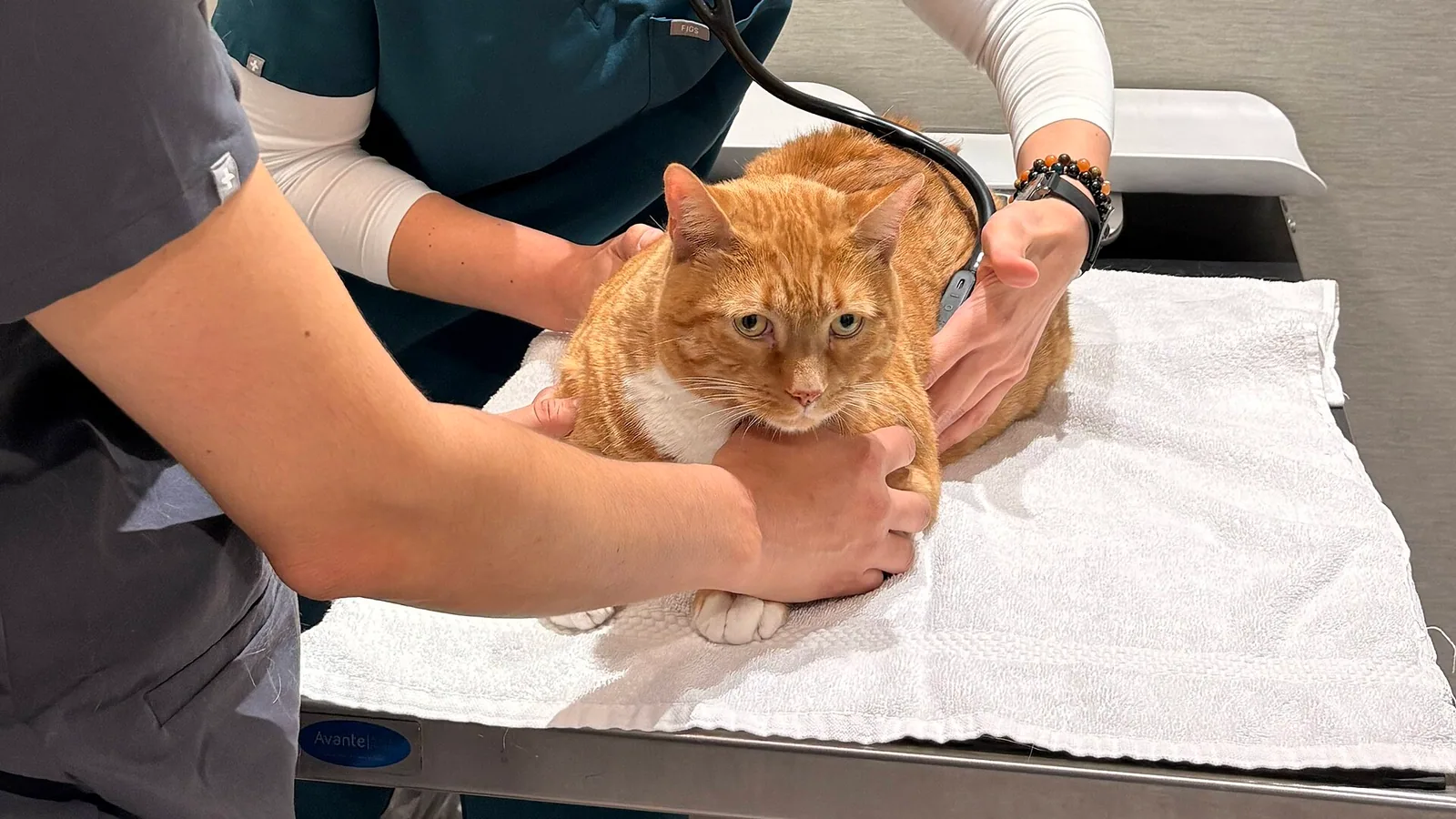
Feline diabetes mellitus is one of the most common hormonal diseases in cats. Most diabetic cats have type 2 diabetes, but most are insulin-dependent by the time a veterinarian makes the diagnosis [1]. That distinction shapes treatment. Early, aggressive therapy with twice-daily insulin and a low-carbohydrate diet does more than control signs. It can put the disease into remission, meaning the cat no longer needs insulin injections [1].
Owner triage: bring your cat to a veterinarian promptly if you notice increased thirst, increased urination, increased appetite with weight loss, lethargy, or a plantigrade stance (walking on the whole hind paw rather than on the toes). These are classic signs of diabetes in cats [2][3]. Early diagnosis and tight glucose control give the best chance of remission [4][5].
At a Glance: Feline Diabetes Essentials
| Topic | What owners should know |
|---|---|
| Most common form | Type 2 diabetes mellitus [1] |
| Classic signs | Drinking more, urinating more, eating more, losing weight [3] |
| First-line treatment | Twice-daily insulin glargine plus a low-carbohydrate diet [6][4] |
| Remission rate | Up to 78% with near-euglycemic management in one study [5] |
| Key success factor | Frequent glucose monitoring [6] |
| Serious complications | Neuropathy, ketoacidosis, heart failure [7][2][8] |
What Is Feline Diabetes?
Feline diabetes is a failure of normal blood glucose regulation. The pancreas produces insulin, a hormone that moves glucose from the bloodstream into cells. When insulin production falls or cells stop responding to it, blood glucose rises. Persistent hyperglycemia produces the classic signs of diabetes [1].
Type 2 diabetes is the most common form in cats. It involves insulin resistance combined with progressive beta-cell failure. Despite this, most cats are insulin-dependent at diagnosis [1]. That means they need insulin injections to survive, at least initially. The distinction between type 1 and type 2 matters less in cats than in people, because the treatment is the same: insulin replacement.
The disease is multifactorial. Genetic and environmental factors both play a role, including diet, excess body weight, and physical inactivity [1]. Feline diabetes is treatable, and modern therapy aims higher than controlling signs. With early intervention, curing feline diabetes through remission is a realistic goal for practitioners [1].
Cat Diabetes Symptoms: Recognizing the Signs
The classic signs of diabetes in cats are polydipsia, polyuria, polyphagia, lethargy, and weight loss [3]. In a clinical study of 13 diabetic cats, these were the most common owner complaints [3].
Physical examination findings in diabetic cats often include:
- Obesity
- Hepatomegaly (enlarged liver)
- Mild seborrhea sicca (dry, flaky skin)
- Muscle wasting
- Dehydration
One of the most distinctive signs of feline diabetes is a plantigrade stance. The cat walks with its hind hocks flat on the ground instead of raised. This is a sign of diabetic neuropathy [2][9]. In a study of 19 diabetic cats, neurological complications ranged from subtle conduction deficits to severe dysfunction. The most notable impairment was a plantigrade posture when standing or walking [2]. A separate report described distal polyneuropathy in 7 diabetic cats with plantigrade stance, depressed patellar reflexes, hindlimb weakness, and poor postural reactions. Five of those cats improved after insulin therapy and blood glucose regulation [9].
Less common but serious presentations exist. Two cats with diabetes developed clinical signs of congestive heart failure, including dyspnea, hypotension, and hypothermia. Thoracic radiographs showed diffuse pulmonary infiltrates, and one cat had pleural effusion [8]. Breathing difficulty in a diabetic cat should always be treated as an emergency.
Causes and Risk Factors
Obesity is a major driver of insulin resistance in cats. A randomized controlled trial of 72 overweight diabetic cats found that obesity affects glycemic control and that weight loss improves remission rates [10]. Physical inactivity and diet also contribute to the development of diabetes [1].
Several endocrine diseases can cause or worsen diabetes in cats.
Hypersomatotropism (acromegaly) is a prevalent underlying cause of feline diabetes. It results from a pituitary tumor that secretes excess growth hormone. In a retrospective study of 28 nondiabetic cats with hypersomatotropism, common findings included prognathia inferior, weight gain, broad facial features, abdominal enlargement, respiratory stridor, and polyphagia. The mean age was 9.5 years [12]. Testing for hypersomatotropism is recommended in diabetic cats that are difficult to regulate [11].
Cushing's syndrome (hypercortisolism) is rarely reported in cats but can coexist with diabetes. A 10-year-old Persian cat with both conditions presented with polyuria, polydipsia, chronic dry seborrhea on the dorsal region and flanks, and lack of hair regrowth on the abdomen [13]. Diagnostic investigation for hypercortisolism should be considered in cats with diabetes to reduce underdiagnosis [13].
Drug-induced diabetes can occur. In one study, diabetes developed after megestrol acetate therapy in 3 cats, and 2 of those cats required only temporary insulin treatment [3].
Veterinary Examination and Diagnostics
The diagnosis of feline diabetes starts with a complete physical examination and baseline laboratory testing. In a study of insulin therapy in cats, baseline testing included physical examination, serum biochemistry, urinalysis and urine culture, serum thyroxine concentration, and serum fructosamine concentration [14]. These tests also rule out other causes of polyuria and polydipsia, such as chronic kidney disease, hyperthyroidism, and urinary tract infection.
Key laboratory findings in diabetic cats include:
- Persistent hyperglycemia
- Glycosuria (glucose in the urine)
- Elevated fructosamine
- High liver enzyme activities
- Hypercholesterolemia
- Hyperproteinemia
- Low electrolyte concentrations [3]
Serum fructosamine is a glycated blood protein that reflects average blood glucose over the preceding 1 to 2 weeks [15]. It is useful for confirming a diagnosis and for monitoring long-term control [15].
When concurrent endocrine disease is suspected, additional testing is needed. The dexamethasone suppression test (0.1 mg/kg) can diagnose Cushing's syndrome [13]. Elevated serum insulin-like growth factor-1 (IGF-1) supports a diagnosis of hypersomatotropism [12]. The 2025 iCatCare consensus guidelines emphasize testing for comorbidities such as hypersomatotropism when selecting therapy [11].
Insulin for Cats: Evidence-Based Treatment
Insulin is the cornerstone of treatment for feline diabetes. Although most cats have type 2 diabetes, they require insulin injections at diagnosis [1]. The choice of insulin and the intensity of monitoring strongly influence remission rates.
Which insulin works best?
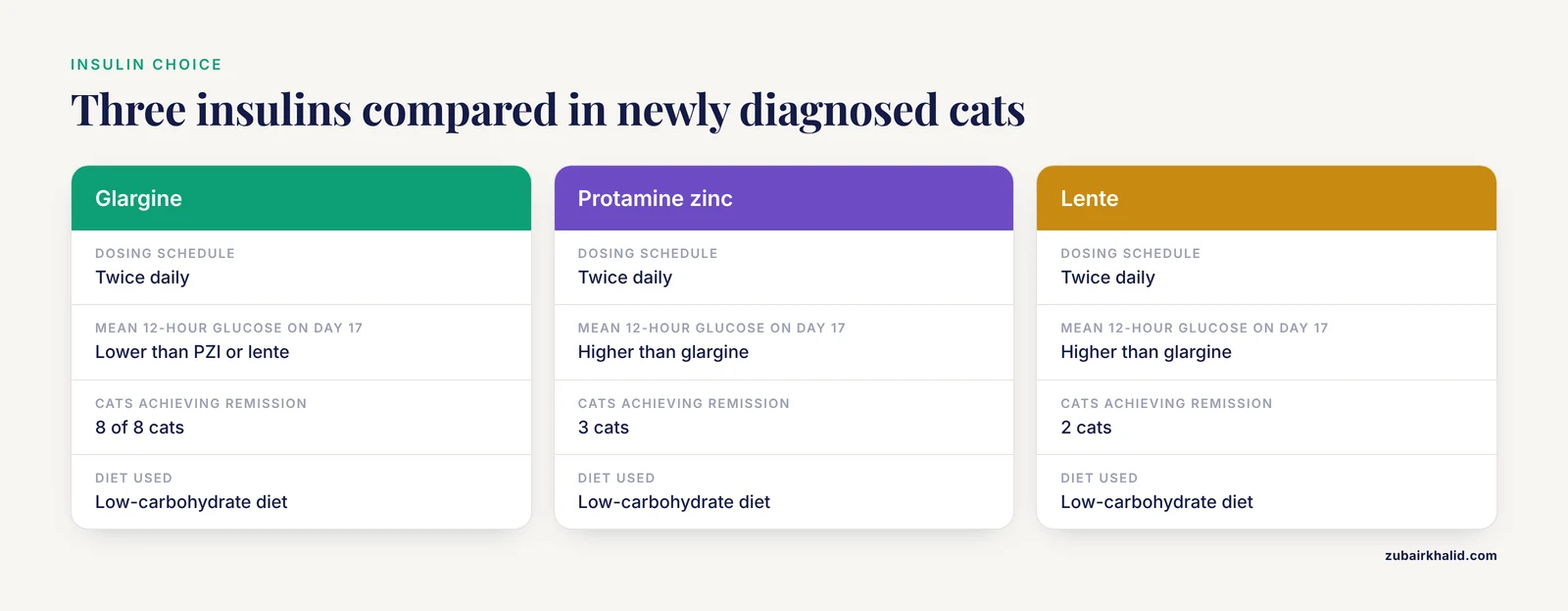
A randomized study of 24 newly diagnosed diabetic cats compared twice-daily glargine, protamine zinc (PZI), and lente insulins, all with a low-carbohydrate diet. Glargine-treated cats had lower mean 12-hour blood glucose concentrations on day 17 than PZI- or lente-treated cats. All 8 glargine-treated cats achieved remission, compared with 3 PZI-treated and 2 lente-treated cats. Twice-daily glargine provided better glycemic control and a higher probability of remission [4].
An earlier study compared once-daily glargine with twice-daily lente insulin in cats fed a high-protein, low-carbohydrate diet. Both groups improved significantly in serum fructosamine and glucose concentrations, with no significant difference between groups. Four of 13 cats achieved complete remission (3 lente, 1 glargine) [14]. Multiple insulin protocols can work, but twice-daily glargine produces the highest remission rates in newly diagnosed cats [4].
Dosing and administration
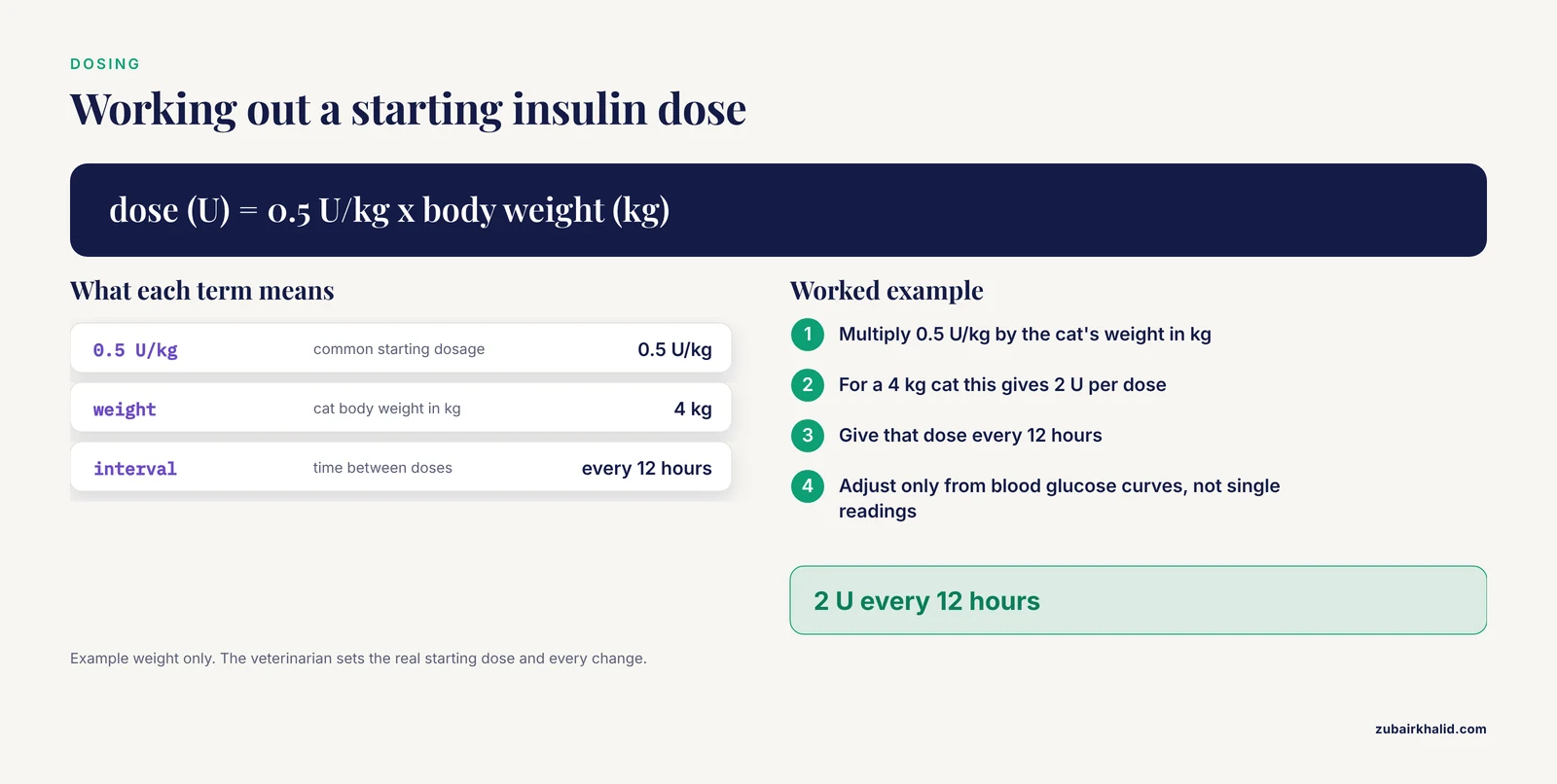
A common starting dosage is 0.5 U/kg twice daily [16]. In a 2022 study of insulin glargine 300 U/ml (IGla-U300), cats received a starting dosage of 0.5 U/kg every 12 hours with a low-carbohydrate diet [16]. In a 2009 study, cats were treated with twice-daily glargine and monitored frequently [6].
Insulin doses must be adjusted based on blood glucose curves, not on single glucose readings. Frequent monitoring is key to achieving glycemic control in diabetic cats [6].
Near-euglycemic management
A retrospective study of 54 newly diagnosed diabetic cats compared a near-euglycemic paradigm (NEP) with a traditional paradigm (TP) of glycemic control. All cats received low-carbohydrate, high-protein prescription diets and twice-daily subcutaneous glargine. Cats in the NEP group had blood glucose measured more frequently and were treated to tighter targets. Remission rates were 78% (14 of 18 cats) in the NEP group versus 14% (5 of 36) in the TP group. The NEP group did not have a higher incidence of observed clinical or biochemical hypoglycemia [5].
The practical takeaway: aggressive early treatment to near-normal glucose levels improves remission rates without increasing hypoglycemia risk [5].
Newer options
Insulin glargine 300 U/ml (IGla-U300) was evaluated in a prospective trial of 13 cats with variable duration of diabetes. Excluding 4 cats with suspected hypersomatotropism, 8 of 9 cats (88%) had improved or absent polyuria, polydipsia, and general demeanor by week 8. Two cats achieved remission after 29 and 53 days, and another 2 after the study ended (days 82 and 96). All cats that achieved remission were newly diagnosed [16].
Automated insulin delivery systems, which integrate continuous glucose monitoring with an insulin pump, have been used successfully in one cat. The system rapidly improved glycemic control and remission was achieved. The cat tolerated the system well [17]. This technology is not yet standard of care but shows promise.
Unsafe home remedies and owner errors
Do not attempt to treat feline diabetes with over-the-counter supplements or unproven products. Insulin is the foundation of therapy. Never change your cat's insulin dose without veterinary guidance. In the near-euglycemic paradigm study, clinical hypoglycemia occurred in 11% of cats even with careful monitoring [5]. Unsupervised dose changes can cause life-threatening hypoglycemia.
Diet and Weight Management
Dietary modification is a key component of diabetic management. A low-carbohydrate, high-protein (LCHP) diet is recommended for diabetic cats [6][1]. In a 2009 study, cats were randomized to an LCHP diet or a control diet while receiving twice-daily insulin glargine. All cats in both diet groups achieved successful glycemic control with frequent monitoring. Two of 12 cats achieved complete remission, but remission rate was not different between diet groups [6]. This suggests that while diet matters, frequent monitoring is the dominant factor [6].
Weight loss is also important. In a randomized controlled trial, 72 overweight diabetic cats were randomized to caloric restriction (target approximately 2% weekly weight loss) or body weight maintenance. All cats received a therapeutic diabetic diet for 12 weeks. The intervention group had 2.1 times higher probability of remission (16 of 32 cats) compared with controls (12 of 40 cats). Weight loss was 7.2% in the intervention group versus 2.7% in controls [10].
Diabetic Cat Remission
Remission is the goal of early, aggressive therapy. It means the cat no longer requires insulin injections to maintain normal blood glucose. Remission is more likely when good glycemic control is achieved early after diagnosis [1].
A low-carbohydrate, high-protein diet combined with a long-acting insulin such as glargine administered twice daily facilitates remission [1]. Good glycemic control soon after diagnosis is associated with increased probability of remission and should be the goal of insulin therapy [4].
Newly diagnosed cats are the best candidates for remission [16]. Weight loss in overweight cats increases the probability of remission [10]. Near-euglycemic management produces high remission rates [5].
Complications and Comorbidities
Diabetic neuropathy
Diabetic neuropathy is a common complication. In a comprehensive study of 19 diabetic cats, functional, structural, and biochemical defects were present in peripheral nerves. The most notable clinical sign was a plantigrade posture. Electrophysiological testing showed conduction deficits and increased F wave and cord dorsum potential latencies in both pelvic and thoracic limbs. Nerve biopsies showed Schwann cell injury, myelin defects, and demyelination [2]. Neuropathy can improve with insulin therapy and blood glucose regulation [9].
Diabetic ketoacidosis
Diabetic ketoacidosis (DKA) is a life-threatening emergency. A case report described euglycemic DKA in a cat with congenital diabetes treated with insulin and dapagliflozin. The cat presented with lethargy, hyporexia, and vomiting 48 hours after the second dapagliflozin dose. Bloodwork showed ketoacidosis and hypokalemia. Management required glucose supplementation, a constant rate infusion of short-acting insulin, and correction of electrolyte and acid-base derangements [7]. Ketoacidosis can occur even with normal blood glucose readings, especially with newer oral medications.
Cardiac complications
Diabetes can affect the heart. Two cats with diabetes developed congestive heart failure with dyspnea, hypotension, and hypothermia. Echocardiography revealed left ventricular thickening with left atrial enlargement. After CHF therapy and insulin, both cats improved rapidly, with NT-proBNP concentrations decreasing into the reference interval. One cat had recurrence of CHF during a period of poor glycemic control [8].
Concurrent endocrine disease
Hypersomatotropism and Cushing's syndrome can complicate diabetic management [13][12][11]. In cats with hypersomatotropism, insulin requirements are often high and glycemic control is poor. Diagnosis requires measuring IGF-1 and imaging the pituitary [12]. Cushing's syndrome in cats is rare but should be considered in diabetic cats with suggestive signs [13].
Monitoring the Diabetic Cat
Monitoring is the single most important factor in achieving glycemic control [6]. Long-term monitoring uses a combination of clinical signs, serial blood glucose determinations, urine glucose, and glycated blood proteins [15].
Clinical signs. Owners should track thirst, urination, appetite, body weight, and activity level. Resolution of clinical signs is the first goal [15].
Blood glucose curves. Serial blood glucose curves are essential for adjusting insulin dose and timing [15]. In clinical trials, 16-hour blood glucose curves were used to evaluate glycemic control [14]. Home blood glucose curves are increasingly used [16][10]. Continuous glucose monitoring (CGM) devices provide more detailed information and are now part of routine care [11].
Fructosamine. Serum fructosamine reflects average glucose over 1 to 2 weeks and is useful for long-term monitoring [15]. It is especially helpful in the problem diabetic where blood glucose curves are difficult to interpret [15].
A team approach improves outcomes. The 2025 iCatCare consensus guidelines emphasize the importance of involving both veterinary professionals and the caregiver in monitoring and treatment decisions [11].
Emergency Red Flags
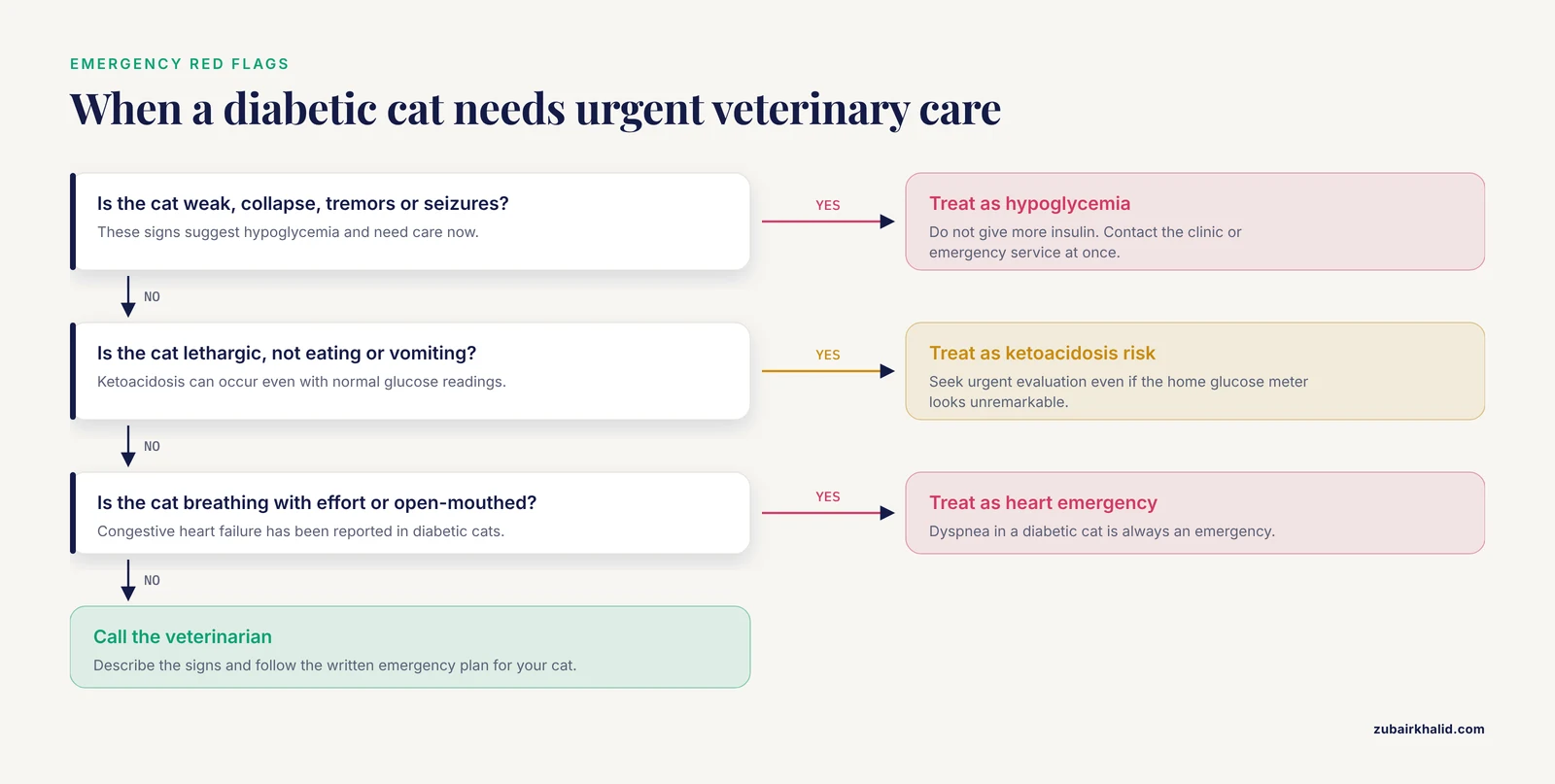
Owners should seek immediate veterinary care if their diabetic cat shows:
- Weakness, collapse, tremors, or seizures (possible hypoglycemia)
- Lethargy, hyporexia, and vomiting (possible ketoacidosis) [7]
- Dyspnea or open-mouth breathing (possible heart failure) [8]
- Sudden hindlimb weakness or plantigrade stance [9]
Hypoglycemia is a risk of insulin therapy. In the near-euglycemic paradigm study, biochemical hypoglycemia was noted in 44% of cats and clinical hypoglycemia in 11% [5]. Frequent monitoring and careful dose adjustment reduce this risk [6].
Prevention and Prognosis
Prevention focuses on weight management, physical activity, and a low-carbohydrate diet [1][10]. For cats that develop diabetes, the prognosis is good with early, aggressive treatment. However, about 10% of cats are euthanized at diagnosis and another 10% within the first year, despite diabetes being a treatable disease [18]. Owner concerns about lifestyle impact, pet welfare, and financial limitations contribute to these decisions. A spectrum of care approach, offering a range of treatment options, can help prevent euthanasia [18].
Limitations and When to Contact a Veterinarian
This article is educational and is not a substitute for veterinary diagnosis or treatment. Every diabetic cat is different. Insulin doses, diet, and monitoring plans must be individualized. Do not change your cat's insulin dose without veterinary guidance.
Contact a veterinarian immediately if:
- Your cat has not eaten for 24 hours but is still receiving insulin
- Your cat shows weakness, tremors, collapse, or seizures
- Your cat is vomiting or has diarrhea
- Your cat is breathing with effort
- Your cat's blood glucose readings are persistently below 70 mg/dL or above 400 mg/dL
Clinical Reasoning: Why Diabetes Signs Appear Before the Diagnosis
Feline diabetes is not simply a high number on a laboratory report. It is a metabolic state that changes how the body uses fuel, water, and protein. When insulin is insufficient or ineffective, glucose stays in the bloodstream instead of entering cells efficiently. The result is a cat that has plenty of fuel in circulation but cannot use it normally. This mismatch helps explain one of the most confusing owner observations in diabetes in cats: a cat that eats well or even excessively yet loses weight [1][3].
The kidneys provide an important part of the clinical picture. When blood glucose rises above the kidney's ability to reabsorb it, glucose spills into urine. Glucose in the urine pulls water with it, increasing urine volume. The cat then compensates by drinking more. This sequence links the two most common cat diabetes symptoms: increased urination and increased thirst [3]. Owners often notice the litter box before they notice the disease. Clumps become larger, more numerous, or heavier. Water bowls need refilling more often. Some cats begin drinking from sinks, showers, or pet fountains that they previously ignored.
Weight loss despite a good appetite reflects impaired glucose utilization and breakdown of body reserves. Muscle wasting and reduced body condition can develop even while the cat seems hungry. Hepatomegaly and mild seborrhea sicca have also been described in diabetic cats, and these findings remind clinicians that diabetes affects organs beyond the pancreas [3]. Lethargy may be subtle at first. A cat may sleep more, play less, or stop jumping onto high surfaces. Owners sometimes attribute these changes to aging, which is why a careful history matters.
Diabetic neuropathy adds another layer. Persistent hyperglycemia can injure peripheral nerves, producing weakness and abnormal posture [2][9]. The classic plantigrade stance, in which the cat stands or walks with the hind paws flat, is not present in every diabetic cat, but it is a strong clue when it appears. In one detailed study, neurological deficits ranged from subtle conduction abnormalities to severe dysfunction, with plantigrade posture as the most notable impairment [2]. A separate report described distal polyneuropathy with depressed patellar reflexes, hindlimb weakness, and poor postural reactions; several cats improved after insulin therapy and glucose regulation [9]. This is clinically important because owners may notice the gait before they notice the blood glucose problem. A cat that suddenly walks differently should be evaluated for diabetes and other causes of neurologic weakness.
The clinical reasoning therefore moves from signs to mechanism to testing. Increased thirst and urination point toward osmotic diuresis. Weight loss with polyphagia points toward impaired fuel use. Plantigrade stance points toward neuropathy. None of these findings confirms diabetes by itself, but together they create a sufficiently strong suspicion to justify laboratory testing [14][3]. That is the bridge from owner observation to veterinary diagnosis.
The Diagnostic Workflow: Moving From Suspicion to Confirmed Feline Diabetes
The diagnosis of feline diabetes is usually straightforward when classic signs are present, but a good workflow does more than confirm the disease. It establishes a baseline, identifies confounding conditions, and determines whether the cat is a candidate for early intensive management. The cited insulin study used a baseline evaluation that included physical examination, serum biochemistry, urinalysis with urine culture, serum thyroxine concentration, and serum fructosamine concentration [14]. This combination is useful because it addresses both confirmation and differential diagnosis.
The first step is a complete history. The veterinarian will ask about water intake, urine volume, appetite, weight change, diet, activity, and the presence of hindlimb weakness. Owners should describe what they actually observe rather than what they assume. For example, "the litter box has three large clumps instead of one small clump" is more useful than "she is urinating more." A timeline helps. When did the changes start? Did they begin after a diet change, a medication, or a new stressor? Has the cat been treated with a progestin such as megestrol acetate? Drug-induced diabetes has been reported after megestrol acetate therapy, and some affected cats required only temporary insulin treatment [3].
The second step is a physical examination. The veterinarian assesses body condition, muscle mass, hydration, coat quality, liver size, and neurologic function. Obesity and hepatomegaly are common findings in diabetic cats, while muscle wasting and dehydration may reflect more advanced disease [3]. A neurologic examination may reveal a plantigrade stance, depressed reflexes, or hindlimb weakness [2][9]. Cardiac auscultation and respiratory assessment are also relevant because diabetes can coexist with cardiac complications.
The third step is confirmation. Persistent hyperglycemia and glycosuria are central laboratory findings in diabetic cats [14][3]. Serum fructosamine can help confirm that hyperglycemia is sustained rather than transient, because it reflects average blood glucose over the preceding one to two weeks [15]. A single blood glucose reading can be misleading in a stressed cat. The clinician therefore interprets glucose together with urine findings, fructosamine, and the clinical picture.
The fourth step is comorbidity screening. Other causes of increased thirst and urination, such as chronic kidney disease, hyperthyroidism, and urinary tract infection, must be considered. In cats that are difficult to regulate or that have suggestive physical findings, testing for hypersomatotropism is recommended [11]. Elevated serum insulin-like growth factor-1 supports a diagnosis of hypersomatotropism, and pituitary imaging may be needed [12]. Cushing's syndrome is rare in cats but can coexist with diabetes, and diagnostic investigation for hypercortisolism should be considered to reduce underdiagnosis [13]. The dexamethasone suppression test has been used in this context [13]. These tests are not routine in every newly diagnosed cat, but they become important when the history, examination, or response to insulin is atypical.
The final step is planning. A confirmed diagnosis is not the end of the diagnostic process. It is the beginning of a monitoring plan that will determine insulin selection, diet, weight goals, recheck intervals, and owner education. The 2025 iCatCare consensus guidelines emphasize testing for comorbidities such as hypersomatotropism when selecting therapy and involving both veterinary professionals and caregivers in treatment decisions [11]. That team-oriented approach is part of the diagnostic workflow, not an optional extra.
Interpreting Laboratory Results in Context: Hyperglycemia, Fructosamine, and Confounders
Laboratory results are most useful when they are read as a pattern rather than as isolated numbers. A high blood glucose value in a cat can reflect diabetes, but it can also reflect stress, pain, or other illness. Persistent hyperglycemia together with glycosuria and compatible clinical signs is much stronger evidence than a single elevated glucose reading [14][3]. This is why the diagnostic process includes urinalysis and repeated assessment rather than a one-off measurement.
Serum fructosamine is a glycated blood protein that reflects average blood glucose over the preceding one to two weeks [15]. It is useful for confirming a diagnosis and for monitoring long-term control, especially when single glucose values are difficult to interpret [15]. However, fructosamine is a summary measure. It does not show the peak or nadir of glucose, and it cannot by itself distinguish a cat with wide swings from a cat with stable control. The clinician therefore combines fructosamine with clinical signs, serial glucose curves, urine glucose, and the owner's observations [15]. This combined approach is more informative than any single test.
Urine glucose is also context-dependent. It indicates that glucose has exceeded the kidney's reabsorptive capacity, but it does not provide a real-time glucose concentration. The article's monitoring framework lists clinical signs, serial blood glucose determinations, urine glucose, and glycated blood proteins as complementary tools [15]. Each answers a different question. Clinical signs answer whether the cat feels better. Glucose curves answer how the cat responds to insulin over time. Fructosamine answers what the average control has been. Urine glucose answers whether glucose is spilling into urine, but it should not be used alone to adjust insulin.
Other laboratory abnormalities can support the diagnosis without confirming it. High liver enzyme activities, hypercholesterolemia, hyperproteinemia, and low electrolyte concentrations have been described in diabetic cats [13][3]. These findings may reflect concurrent disease, dehydration, or metabolic consequences of diabetes. They should prompt a careful review of the whole cat rather than a narrow focus on glucose. For example, a cat with diabetes and a new heart murmur or respiratory sign may need thoracic imaging and cardiac evaluation because congestive heart failure has been reported in diabetic cats [8].
The most important interpretive principle is to avoid overreacting to a single value. Insulin doses should be adjusted based on blood glucose curves and trends, not on one isolated reading [6][15]. A single high glucose may reflect a missed meal, a skipped insulin dose, stress, or a short-lived spike. A single low glucose may reflect timing, appetite, or insulin action. The veterinarian interprets the number in relation to the insulin schedule, feeding schedule, clinical signs, and monitoring data. Owners who understand this principle are less likely to make unsafe dose changes based on fear or frustration.
Owner Observations That Improve Diagnostic Accuracy
Owners are not diagnosing feline diabetes, but they are collecting the raw data that make diagnosis possible. Good observations shorten the diagnostic path and improve monitoring. The most useful observations are specific, timed, and repeatable. Instead of saying "she drinks a lot," an owner can measure the amount of water offered and consumed over a 24-hour period, or note how often a known-size bowl is refilled. Instead of saying "she urinates more," an owner can describe the number and size of litter clumps, the frequency of box cleaning, or the presence of accidents outside the box.
Appetite is another key domain. A diabetic cat may eat normally, eat more than usual, or begin begging for food. The owner should note whether the cat finishes meals, steals food, or eats less than before. Weight change is equally important. If a scale is available, periodic body weight measurements are more useful than subjective impressions. Weight loss despite a good appetite is one of the classic signs of diabetes in cats [3]. Muscle wasting may be visible along the spine, hips, or shoulders.
Owners can also document water and urine changes after starting insulin. A reduction in thirst and urination is often the first sign that treatment is working. The monitoring framework in the veterinary literature includes clinical signs as a core component of long-term assessment [15]. Owners should record these changes in a simple log: date, time, water intake if measured, litter box notes, appetite, weight, activity, and any unusual behavior. A log does not need to be elaborate. Consistency matters more than perfection.
Hindlimb function deserves specific attention. A cat that is developing diabetic neuropathy may hesitate before jumping, land awkwardly, or walk with the hocks lowered. The owner can record a short video of the cat walking away and toward the camera. Videos are helpful because gait changes can be subtle and difficult to reproduce in a clinic. Plantigrade stance and hindlimb weakness have been described in diabetic cats, and improvement has been reported after insulin therapy and glucose regulation [2][9]. A video gives the veterinarian a baseline for comparison.
Respiratory signs should never be normalized. A diabetic cat that breathes with effort, open-mouth breathes, or tires easily needs urgent evaluation. Congestive heart failure has been reported in diabetic cats, with dyspnea, hypotension, and hypothermia in affected cases [8]. Vomiting, lethargy, and poor appetite are also important because they can signal ketoacidosis, especially in a cat receiving insulin or newer glucose-lowering medications [7]. Owners do not need to decide which emergency is occurring. They need to recognize that these signs are not routine and seek care promptly.
Finally, owners should report medication changes, supplements, and diet changes. Drug-induced diabetes after megestrol acetate has been reported [3], and concurrent endocrine disease can complicate management [13][12][11]. A complete medication history helps the veterinarian interpret the whole picture. The owner's role is not to make the diagnosis but to provide the clinical detail that makes an accurate diagnosis more likely.
Preparing for the Veterinary Visit: A Practical Checklist
Preparation turns a stressful appointment into a productive one. The first visit after a suspected diagnosis often includes a physical examination, bloodwork, urinalysis, and a discussion of treatment options. Owners can help by bringing organized information rather than a vague recollection of symptoms.
A useful checklist includes the following:
- A written timeline of when increased thirst, urination, appetite changes, weight loss, or weakness began.
- The cat's current food, including the exact product name and label information if available.
- A list of all medications, supplements, and flea or tick products, including any progestin exposure.
- Any home glucose readings, urine test results, or monitoring logs, with dates and times.
- A short video of the cat walking, jumping, or breathing if those functions are abnormal.
- Questions about insulin type, storage, injection technique, monitoring plan, hypoglycemia plan, and emergency contact instructions.
- A budget or cost concern if finances may affect treatment choice. The spectrum of care literature notes that financial limitations and lifestyle concerns contribute to euthanasia decisions, and offering a range of options can help [18].
Owners should ask their veterinarian whether food or insulin should be given before the visit. They should not withhold insulin or change a dose unless the veterinary team instructs them to do so. This is especially important because a cat that is not eating but continues to receive insulin may be at risk for hypoglycemia or ketoacidosis, and the article's emergency guidance emphasizes prompt care when a diabetic cat stops eating. The veterinarian may have a specific plan for the visit day, and that plan should be followed.
Owners should also ask what data the clinic wants at rechecks. The monitoring literature lists clinical signs, serial blood glucose determinations, urine glucose, and glycated blood proteins as long-term monitoring tools [15]. If home glucose monitoring or a continuous glucose monitoring device is being considered, the owner should ask about training, expectations, and who will interpret the data [11]. The 2025 iCatCare consensus guidelines emphasize caregiver involvement in monitoring and treatment decisions [11]. Preparation supports that partnership.
Finally, owners should feel free to ask about prognosis without framing the question as "will my cat be cured?" A better question is "what are the realistic goals for my cat, and how will we know whether treatment is working?" That question opens a discussion about glycemic control, remission, quality of life, and the possibility of lifelong insulin therapy. It also keeps the conversation grounded in the individual cat rather than in average outcomes.
Insulin Therapy as a Partnership: Administration, Storage, and Safety
Insulin for cats is a lifelong commitment for some cats and a time-limited treatment for others. The treatment section of this article already reviews specific protocols. This section focuses on the practical partnership that makes insulin therapy safe. Insulin is a potent medication, and small errors in product selection, timing, or administration can have large clinical effects. The owner's job is not to adjust the dose independently. The owner's job is to administer the prescribed dose consistently, observe the cat, and report problems.
The first principle is product consistency. Insulin products differ in concentration, duration, and handling requirements. A concentrated insulin product is not interchangeable with a standard product, and the syringe must match the insulin concentration prescribed. The study of insulin glargine 300 U/ml is an example of a different product being evaluated with its own protocol and monitoring [16]. Owners should never substitute one insulin for another or change syringe types without veterinary approval. If the pharmacy supplies a different product or the label looks unfamiliar, the owner should contact the veterinary team before giving a dose.
The second principle is timing. Twice-daily insulin protocols depend on a consistent interval between doses, and many protocols pair insulin with meals. The owner should record the actual time of each dose, not the intended time. If a dose is missed or delayed, the owner should ask the veterinarian what to do rather than doubling the next dose or making an independent correction. Insulin dose adjustments are based on blood glucose curves and trends, not on a single missed dose or a single high reading [6][15]. This rule protects the cat from hypoglycemia and protects the owner from well-intentioned errors.
The third principle is observation. Owners should know the signs of hypoglycemia and ketoacidosis and should have an emergency plan before an emergency happens. Weakness, collapse, tremors, or seizures suggest hypoglycemia and require immediate veterinary care. Lethargy, poor appetite, and vomiting can suggest ketoacidosis and also require prompt evaluation [7]. The owner should not give more insulin when the cat is unwell unless the veterinarian specifically instructs it. In the near-euglycemic paradigm study, clinical hypoglycemia occurred in 11% of cats despite careful monitoring [5]. That statistic is not a reason to avoid treatment. It is a reason to monitor carefully and to respect the dose adjustment process.
The fourth principle is storage and handling. The owner should follow the manufacturer's instructions and the veterinary team's instructions for storage, mixing, and syringe use. Insulin that has been exposed to heat, freezing, or improper handling may not work reliably. If the owner is unsure whether a vial or pen is still usable, the safest approach is to ask the clinic rather than to continue using a questionable product. This is especially important in households with multiple caregivers, where one person may not know how the insulin has been stored.
The fifth principle is communication. The veterinary team needs to know about appetite changes, vomiting, weight loss, glucose readings, and any problems with injections. A team approach that includes the caregiver is emphasized in the 2025 consensus guidelines [11]. Good communication does not mean daily phone calls in every case. It means reporting the events that could change the treatment plan. Insulin therapy works best when the owner and the veterinary team share the same data and the same goals.
Monitoring Between Visits: From Clinical Signs to Glucose Curves
Monitoring is the backbone of diabetic cat management. The article already identifies clinical signs, serial blood glucose curves, urine glucose, and glycated blood proteins as long-term monitoring tools [15]. The expansion here focuses on how to use those tools without overinterpreting them.
Clinical signs are the first guide. A cat that is drinking less, urinating less, eating well, and active is moving in the right direction. A cat that remains ravenously hungry, continues to lose weight, or develops hindlimb weakness may need a treatment change. Owners should record the signs that are most meaningful for their cat. For some cats, water intake is the easiest metric. For others, litter box changes, body weight, or activity level are more practical. The monitoring plan should fit the household, because a plan that is too complicated is less likely to be followed.
Blood glucose curves provide information that a single glucose measurement cannot. They show how glucose changes after insulin and food, and they help the veterinarian determine whether the dose is too low, too high, or lasting long enough. The treatment literature describes serial blood glucose curves as essential for adjusting insulin dose and timing [15]. Home curves are increasingly used, and continuous glucose monitoring devices provide more detailed information [16][10][11]. However, these tools require training and interpretation. An owner who has a curve but does not know how to use it can become more anxious rather than more informed. The veterinary team should explain what the numbers mean and what actions are appropriate.
Fructosamine remains useful for long-term monitoring. Because it reflects average glucose over one to two weeks, it can help assess control when glucose curves are difficult to interpret [15]. It is not a substitute for a curve when the clinician needs to see the response to insulin. It is also not a substitute for clinical judgment. A cat with a good fructosamine but persistent clinical signs may need further evaluation, and a cat with a high fructosamine but no clinical signs may need a different interpretation. The clinician integrates all available data.
Owners should be cautious about reacting to a single abnormal reading. A single high glucose can occur for many reasons, and a single low glucose may not reflect the usual pattern. The principle that insulin doses are adjusted based on curves rather than single readings is explicit in the treatment literature [6]. The near-euglycemic paradigm study used frequent glucose measurement and tight targets with careful monitoring [5]. That approach requires a structured plan. It is not a license for unsupervised dose changes.
Monitoring also includes watching for medication-specific risks. The case report of euglycemic diabetic ketoacidosis in a cat treated with insulin and dapagliflozin shows that ketoacidosis can occur even when glucose is not markedly elevated [7]. This is a reminder that monitoring must include clinical signs, not just glucose numbers. A cat that is lethargic, not eating, or vomiting needs urgent evaluation regardless of a single glucose value. The monitoring plan should include instructions on when to call the clinic and when to seek emergency care.
Finally, monitoring is a team activity. The consensus guidelines emphasize involving both veterinary professionals and caregivers in monitoring and treatment decisions [11]. The owner supplies observations and home data. The veterinarian interprets the data, adjusts the plan, and sets safety boundaries. That division of labor is more effective than expecting either party to do everything alone.
Hypoglycemia and Ketoacidosis: Recognizing Two Opposite Emergencies
Diabetic cats can develop emergencies at both ends of the glucose spectrum. Hypoglycemia is too little glucose. Ketoacidosis is a metabolic crisis driven by insulin deficiency and counter-regulatory hormone excess. The two conditions can look similar to an owner because both can cause lethargy, weakness, and poor appetite, but they require different emergency management. The owner does not need to make the diagnosis. The owner needs to recognize that the cat is not normal and seek care immediately.
Hypoglycemia is a known risk of insulin therapy. In the near-euglycemic paradigm study, biochemical hypoglycemia was noted in 44% of cats and clinical hypoglycemia in 11%, despite careful monitoring [5]. This does not mean that intensive management is unsafe. It means that intensive management must be paired with frequent monitoring and clear instructions. Owners should know the signs that require immediate action: weakness, collapse, tremors, seizures, or unusual unresponsiveness. They should not give another dose of insulin when these signs appear. They should contact the veterinarian or emergency service and follow the specific instructions they have been given for their cat.
Ketoacidosis is a different emergency. It occurs when insulin deficiency and illness combine to produce excessive ketone production and metabolic acidosis. The case report in this article describes a cat with congenital diabetes treated with insulin and dapagliflozin that developed euglycemic diabetic ketoacidosis with lethargy, hyporexia, vomiting, ketoacidosis, and hypokalemia [7]. Management required glucose supplementation, a constant rate infusion of short-acting insulin, and correction of electrolyte and acid-base abnormalities [7]. The key lesson for owners is that ketoacidosis can occur even when blood glucose is not dramatically high. A diabetic cat that stops eating, vomits, or becomes profoundly lethargic needs urgent evaluation even if a home glucose meter shows an unremarkable value.
The two emergencies require different responses, but the first step is the same: do not attempt home treatment that delays veterinary care. Owners should not force food, give extra insulin, or give unproven remedies when the cat is seriously unwell. They should call the clinic or emergency service and describe the signs. If the cat is unconscious or seizing, immediate emergency care is needed. If the cat is vomiting and lethargic, the same urgency applies because ketoacidosis can progress quickly.
The article's emergency red flags include weakness, collapse, tremors, seizures, lethargy, hyporexia, vomiting, dyspnea, and sudden hindlimb weakness [7][9]. These signs should be discussed at every recheck so that the owner knows which are expected and which are warnings. A written emergency plan is useful. It should list the clinic phone number, the after-hours emergency number, the cat's insulin type, the most recent glucose readings if available, and any concurrent medications. That plan reduces delay during a crisis.
Remission Verification, Relapse, and Realistic Expectations
Diabetic cat remission is a realistic goal, but it is not a simple negative test. Remission means the cat no longer requires insulin injections to maintain normal blood glucose [1]. It is a clinical state, not a permanent guarantee. Some cats remain in remission for a long time. Others relapse, especially if weight increases, concurrent illness develops, or insulin-resistance factors change. Owners should understand both the possibility of remission and the possibility of relapse.
The strongest remission signal is a newly diagnosed cat that achieves good glycemic control early [16][4][1]. Twice-daily glargine with a low-carbohydrate diet has been associated with high remission rates in newly diagnosed cats [4]. Near-euglycemic management produced a 78% remission rate in one retrospective study, compared with 14% in a traditional-management group [5]. Those results are encouraging, but they come from specific protocols and monitoring systems. They are not a promise that every cat will achieve remission. The cited studies differ in design, sample size, diet, insulin product, and follow-up, and those differences matter when interpreting percentages [16][4][5].
Verification of remission should be veterinarian-led. An owner should not stop insulin because a few glucose readings look normal. Insulin reduction or withdrawal needs a structured monitoring plan, usually with serial glucose measurements or continuous monitoring, to confirm that the cat can maintain glucose without insulin. The treatment literature emphasizes frequent monitoring as a key success factor [6]. The consensus guidelines emphasize team-based monitoring and caregiver involvement [11]. Remission is confirmed when the cat remains normoglycemic without insulin under veterinary supervision, not when the owner simply decides to skip a dose.
Relapse can occur. Owners should continue to monitor water intake, litter box habits, appetite, weight, and activity after remission. If signs return, the cat should be evaluated promptly. A cat that has been in remission may still develop diabetes again, and a cat that has never achieved remission may still improve with a treatment change. The clinical picture is dynamic.
Expectations should also be balanced with quality of life. Remission is an excellent outcome, but it is not the only successful outcome. A cat that requires lifelong insulin but is well regulated, comfortable, and interactive is still receiving successful care. The owner should not view lifelong insulin as a failure. The treatment goals include control of clinical signs, prevention of complications, and maintenance of a good quality of life. Those goals are worth pursuing even when remission does not occur.
Evidence Limitations in Feline Diabetes Research
Feline diabetes research has important limitations that owners and clinicians should keep in view. Many studies are small. The clinical sign study included 13 diabetic cats [3]. The insulin comparison study included 24 cats [4]. The near-euglycemic paradigm study was a retrospective review of 54 cats [5]. The weight loss trial included 72 cats [10]. The hypersomatotropism study included 28 cats [12]. The automated insulin delivery report described one cat [17]. Small studies can generate valuable hypotheses, but they cannot answer every question about long-term outcomes.
Study design also matters. Retrospective studies can identify associations, but they cannot prove that a monitoring strategy caused a remission rate. Prospective randomized trials provide stronger evidence, but they are difficult to conduct in veterinary medicine because owners may decline randomization, protocols may be complex, and follow-up can be incomplete. The insulin comparison study was randomized, which strengthens its findings [4]. The weight loss study was also randomized [10]. Other studies are observational or descriptive. The clinician must weigh the strength of the evidence against the individual cat's needs.
Remission definitions and monitoring methods vary across studies. Some studies use different insulin products, different diets, different glucose targets, and different follow-up periods. The near-euglycemic paradigm study used frequent glucose measurement and tight targets, which may not be feasible in every household [5]. The glargine 300 U/ml study had a small number of cats and excluded some cats with suspected hypersomatotropism from the main response analysis [16]. These details do not invalidate the studies. They define the limits of generalization.
Owner adherence and household feasibility are understudied. A protocol that works in a research setting may fail in a home where the cat hides at injection time, the owner works night shifts, or the household cannot afford frequent rechecks. The spectrum of care literature recognizes that financial and lifestyle concerns influence treatment decisions and that offering a range of options can help prevent euthanasia [18]. Research often reports biological outcomes, but owners also need practical guidance that fits their circumstances.
The 2025 iCatCare consensus guidelines are valuable because they synthesize evidence and provide a framework for comorbidity testing and team-based care [11]. Guidelines are not a substitute for evidence. They highlight where evidence is strong and where clinical judgment is needed. Owners should be skeptical of headlines that promise a universal remission rate or a single best insulin for every cat. The truth is more nuanced. Feline diabetes is treatable, and remission is possible, but the outcome depends on the individual cat, the stage of disease, concurrent conditions, monitoring, and the owner's ability to carry out the plan.
Prevention and Early Detection in At-Risk Cats
Prevention of feline diabetes is not guaranteed, but the risk factors that can be modified deserve attention. Obesity is a major driver of insulin resistance, and a randomized controlled trial in overweight diabetic cats found that weight loss improved remission rates [10]. Physical inactivity and diet also contribute to the development of diabetes [1]. Prevention therefore centers on maintaining a healthy body condition, encouraging activity, and choosing an appropriate diet with veterinary guidance. These measures are especially important in cats that are already overweight or have a history of weight gain.
Owners can monitor body condition at home by checking the ribs, waist, and abdominal profile, and by weighing the cat periodically if a scale is available. A cat that is gaining weight despite a normal appetite may need a dietary review. A cat that is losing weight despite a good appetite should be evaluated for diabetes and other diseases. The classic signs of diabetes in cats include increased appetite with weight loss, increased thirst, and increased urination [3]. Early detection depends on recognizing these patterns before the cat becomes severely ill.
Medication exposure is another consideration. Diabetes has been reported after megestrol acetate therapy in cats, and some affected cats required only temporary insulin treatment [3]. Veterinarians should weigh the risks and benefits of progestin therapy, and owners should report any medication history when diabetes is suspected. This is not a reason to avoid all medications, but it is a reason to monitor glucose and clinical signs when a drug with diabetogenic potential is used.
Cats with concurrent endocrine disease are at higher risk or are more difficult to manage. Hypersomatotropism is a prevalent underlying cause of feline diabetes, and testing is recommended in cats that are difficult to regulate [11]. Cushing's syndrome can coexist with diabetes, although it is rare in cats [13]. These conditions can make prevention and early detection more complex because the cat may already be receiving veterinary care for another problem. Regular monitoring and a low threshold for testing are appropriate in these populations.
Prevention also includes avoiding unproven home remedies. Insulin is the foundation of therapy for cats that require it [1]. There is no evidence in the cited literature that over-the-counter supplements replace insulin or cure diabetes. Owners should be cautious about products marketed for feline diabetes and should discuss any supplement with the veterinarian. The safest prevention strategy is to maintain a healthy weight and activity level, use appropriate diets, and seek veterinary care when warning signs appear. That strategy will not prevent every case, but it addresses the modifiable factors that the evidence supports.
Special Populations and Comorbid Conditions
Not every diabetic cat fits the same template. Special populations require individualized assessment, and the presence of a comorbid condition can change both the treatment plan and the prognosis.
Newly diagnosed cats are the strongest candidates for remission [16]. They have not yet developed long-standing beta-cell exhaustion or chronic complications, and they may respond well to early intensive management. The near-euglycemic paradigm study focused on newly diagnosed cats and found a high remission rate [5]. The glargine 300 U/ml study found that all cats achieving remission were newly diagnosed [16]. This does not mean that long-standing diabetics cannot improve. It means that newly diagnosed cats deserve a prompt, well-structured treatment plan and a discussion of remission as a realistic goal.
Overweight and obese cats require attention to weight loss as well as glycemic control. The randomized trial of 72 overweight diabetic cats found that caloric restriction and weight loss improved remission rates [10]. The intervention group lost more weight than controls and had a higher probability of remission [10]. Weight management should be planned with veterinary guidance because rapid or poorly designed weight loss can create other problems. The plan should include a therapeutic diet, measured portions, and regular weight checks.
Cats with hypersomatotropism are a challenging subgroup. Hypersomatotropism results from a pituitary tumor that secretes excess growth hormone, and it is a prevalent underlying cause of feline diabetes [11]. In a retrospective study of 28 nondiabetic cats with hypersomatotropism, common findings included prognathia inferior, weight gain, broad facial features, abdominal enlargement, respiratory stridor, and polyphagia [12]. Diabetic cats with hypersomatotropism often have high insulin requirements and poor glycemic control, and IGF-1 measurement plus pituitary imaging may be needed [12][11]. These cats may not be good candidates for remission, and owners should receive realistic expectations.
Cats with Cushing's syndrome are rare but important. A 10-year-old Persian cat with concurrent hypercortisolism and diabetes presented with polyuria, polydipsia, chronic dry seborrhea, and lack of hair regrowth on the abdomen [13]. Diagnostic investigation for hypercortisolism should be considered in diabetic cats to reduce underdiagnosis [13]. Treatment planning must address both conditions, and monitoring may need to be more intensive.
Cats with diabetic neuropathy may have persistent weakness even after glucose control improves. One study described severe neuropathy with plantigrade stance and conduction deficits [2], and another reported improvement in five of seven cats after insulin therapy and glucose regulation [9]. Improvement can take time. Owners should not expect immediate resolution of gait abnormalities, and they should report any progression or new weakness.
Cats with cardiac complications require urgent and coordinated care. Congestive heart failure has been reported in diabetic cats, with dyspnea, hypotension, hypothermia, and echocardiographic evidence of left ventricular thickening and left atrial enlargement [8]. One cat had recurrence of heart failure during poor glycemic control [8]. Any diabetic cat with respiratory distress should be treated as an emergency, and cardiac evaluation should be considered when clinical signs suggest heart disease.
Cats receiving newer glucose-lowering medications need specific warning. The case report of euglycemic diabetic ketoacidosis in a cat treated with insulin and dapagliflozin shows that ketoacidosis can occur without marked hyperglycemia [7]. Owners should be instructed to seek care for lethargy, poor appetite, or vomiting regardless of glucose readings. This is an area where clinical vigilance matters more than a single number.
Prognosis, Euthanasia Risk, and Spectrum of Care
The prognosis for feline diabetes is generally good with treatment, but the outcome depends on more than glucose control. About 10% of cats are euthanized at diagnosis and another 10% within the first year, despite diabetes being a treatable disease [18]. Owner concerns about lifestyle impact, pet welfare, and financial limitations contribute to these decisions [18]. These numbers are a reminder that the barriers to care are not only medical. They are practical, emotional, and financial.
A spectrum of care approach can help. Instead of presenting only the most intensive protocol, the veterinary team can offer a range of options that match the cat's needs and the owner's capacity. Some owners can commit to frequent home glucose monitoring and tight targets. Others may need a simpler plan with clinic-based rechecks. The spectrum of care literature notes that offering a range of treatment options can help prevent euthanasia [18]. This is not about lowering standards. It is about finding a plan that can actually be carried out.
Prognosis should be discussed in terms of goals. For a newly diagnosed cat, the goal may be remission. For a cat with hypersomatotropism, the goal may be stabilization and management of the underlying disease [11]. For an elderly cat with multiple comorbidities, the goal may be comfort and avoidance of emergency crises. For a cat in remission, the goal is monitoring and relapse detection. These are all valid goals. The owner should not feel that only remission counts as success.
The veterinarian should also discuss the risk of complications. Diabetic neuropathy, ketoacidosis, and heart failure can occur and can change the prognosis [7][2][8]. Early recognition and prompt treatment improve outcomes. The owner's ability to observe and report changes is part of prognosis. A well-informed owner who knows the red flags is more likely to seek care early.
Finally, the conversation should be revisited over time. Prognosis is not a single prediction made at diagnosis. It changes as the cat responds to treatment, develops complications, or enters remission. Regular rechecks provide an opportunity to update the plan and the expectations. That ongoing conversation is one of the most valuable parts of veterinary care.
Long-Term Follow-Up and Shared Decision Making
Long-term care for a diabetic cat is a series of small decisions rather than a single event. The plan may include insulin, diet, weight management, monitoring, comorbidity screening, and emergency preparedness. Each of these elements should be reviewed at rechecks. The 2025 iCatCare consensus guidelines emphasize team-based care and caregiver involvement [11]. Shared decision making is not a slogan. It is the process of matching the medical plan to the cat and the household.
The recheck interval depends on the cat's stability, the insulin protocol, and the presence of concurrent disease. A newly diagnosed cat may need frequent contact until the response to insulin is clear. A stable cat may need less frequent visits. A cat with hypersomatotropism or Cushing's syndrome may need additional testing [13][11]. The owner should ask what data should be collected at home and what should be brought to the visit. The monitoring framework includes clinical signs, serial blood glucose curves, urine glucose, and glycated blood proteins [15]. The specific mix should be tailored to the cat.
Diet and weight should be reviewed at every recheck. A low-carbohydrate, high-protein diet is recommended for diabetic cats [6][1]. Weight loss improves remission rates in overweight cats [10]. The owner should bring the food label or a photograph of the label so the veterinary team can assess the diet accurately. Treats and table food also count. A diet plan that ignores treats may fail because the owner does not realize how many extra calories the cat is receiving.
Medication review is equally important. The owner should report all medications, including progestins, steroids, and newer glucose-lowering drugs. Drug-induced diabetes after megestrol acetate has been reported [3]. The case of euglycemic ketoacidosis with dapagliflozin highlights the need for careful medication education [7]. The veterinary team should know every product the cat receives.
Emergency planning should be updated at each visit. The owner should have the clinic phone number, the after-hours number, the cat's insulin type, and a list of current medications. They should know the signs that require immediate care: weakness, collapse, tremors, seizures, vomiting, lethargy, poor appetite, dyspnea, or sudden hindlimb weakness [7][8][9]. They should also know that they should not change the insulin dose without veterinary guidance.
Shared decision making includes discussing the possibility of remission and the possibility of lifelong insulin. It includes discussing cost, time, and the owner's ability to monitor. It includes discussing quality of life and the spectrum of care [18]. The best plan is not always the most intensive plan. The best plan is the one that controls clinical signs, prevents complications, and can be sustained by the owner.
This article is educational and is not a substitute for veterinary diagnosis or treatment. Every diabetic cat is different. Insulin doses, diet, and monitoring plans must be individualized. Owners should contact their veterinarian promptly if their cat shows signs of hypoglycemia, ketoacidosis, heart failure, or any sudden change in behavior or appetite. The earlier the veterinary team is involved, the more options remain available.
Related Guides
- Cat Diabetes: How to Tell If Your Cat's Insulin Dose Is Too Low: Detecting low insulin dose helps adjust therapy
- Diabetes in Cats: Diarrhea, Vomiting, and Other Gut Signs: Vomiting and diarrhea in diabetic cats need attention
- Diabetes Insipidus in Cats: Signs, Diagnosis, and Treatment: Diabetes insipidus is a key differential for increased thirst
- How Long Does ProZinc Last in Cats? Duration and Syringes: ProZinc duration and syringe guidance for PZI users
- Seizures in Cats: Causes, Symptoms, and What to Do: Seizures may indicate hypoglycemia, a diabetic emergency
- Dandruff in Cats With Diabetes: Why It Happens: Dandruff relates to seborrhea sicca in diabetic cats
- How Long Can a Cat Live With Diabetes?: Life expectancy and prognosis for cats with diabetes
- Why Is My Cat Losing Weight Rapidly? Hyperthyroidism, Diabetes & CKD: Rapid weight loss can signal diabetes or other diseases
Frequently Asked Questions
What are the first signs of diabetes in cats?
The first signs are usually increased thirst, increased urination, increased appetite with weight loss, and lethargy. Some cats develop a plantigrade stance, walking on the whole hind paw.
Can a cat recover from diabetes?
Yes. With early, aggressive treatment, a substantial proportion of cats enter clinical remission and no longer need insulin. Remission is most likely in newly diagnosed cats.
How long does a diabetic cat need insulin?
Most cats need insulin for weeks to months. Remission is possible, especially in newly diagnosed cats, and can occur within the first few months of treatment. Some cats require lifelong insulin.
What is the best insulin for cats?
Twice-daily insulin glargine is associated with the highest remission rates in newly diagnosed cats. Protamine zinc and lente insulins are also effective options.
What should a diabetic cat eat?
A low-carbohydrate, high-protein diet is recommended. For overweight cats, caloric restriction improves the chance of remission.
How often should a diabetic cat be monitored?
Frequent monitoring is key to glycemic control. Re-evaluations are typically scheduled at weeks 1, 2, 4, 6, and 10 after starting insulin. Long-term monitoring includes clinical signs, blood glucose curves, and fructosamine.
Can diabetes in cats cause hind leg weakness?
Yes. Diabetic neuropathy can cause a plantigrade stance, hindlimb weakness, and depressed patellar reflexes. These signs often improve with insulin therapy and blood glucose regulation.
What happens if a diabetic cat stops eating?
A diabetic cat that stops eating is at risk for ketoacidosis, especially if it continues to receive insulin. Seek veterinary care promptly if your cat is hyporexic or vomiting.
Sources
- Diabetes mellitus in cats.
- Neurological complications associated with spontaneously occurring feline diabetes mellitus.
- Insulin therapy in cats with diabetes mellitus.
- Treatment of newly diagnosed diabetic cats with glargine insulin improves glycaemic control and results in higher probability of remission than protamine zinc and lente insulins.
- In cats with newly diagnosed diabetes mellitus, use of a near-euglycemic management paradigm improves remission rate over a traditional paradigm.
- Effects of diet on glucose control in cats with diabetes mellitus treated with twice daily insulin glargine.
- Clinical Management of Euglycemic Ketoacidosis in a Cat With Congenital Diabetes Mellitus Treated With Insulin and Dapagliflozin.
- Reversible congestive heart failure associated with diabetes mellitus in two cats.
- Neuropathy associated with diabetes mellitus in the cat.
- A two-center, randomized controlled trial to determine the effect of 12 weeks of caloric restriction with a novel diet in overweight cats with diabetes mellitus.
- iCatCare 2025 consensus guidelines on the diagnosis and management of diabetes mellitus in cats.
- Hypersomatotropism without concurrent diabetes mellitus in cats: 28 cases (2014-2024).
- Cushing's Syndrome associated with diabetes mellitus in a Persian cat: clinical features, diagnosis, and therapeutic management.
- Use of glargine and lente insulins in cats with diabetes mellitus.
- Long-term monitoring of the diabetic dog and cat. Clinical signs, serial blood glucose determinations, urine glucose, and glycated blood proteins.
- Insulin glargine 300 U/ml for the treatment of feline diabetes mellitus.
- Use of an automated insulin delivery system in a cat with diabetes mellitus.
- Spectrum of veterinary care in feline diabetes mellitus.