
Dog Constipation Treatment: Causes, Red Flags, and Veterinary Care Options
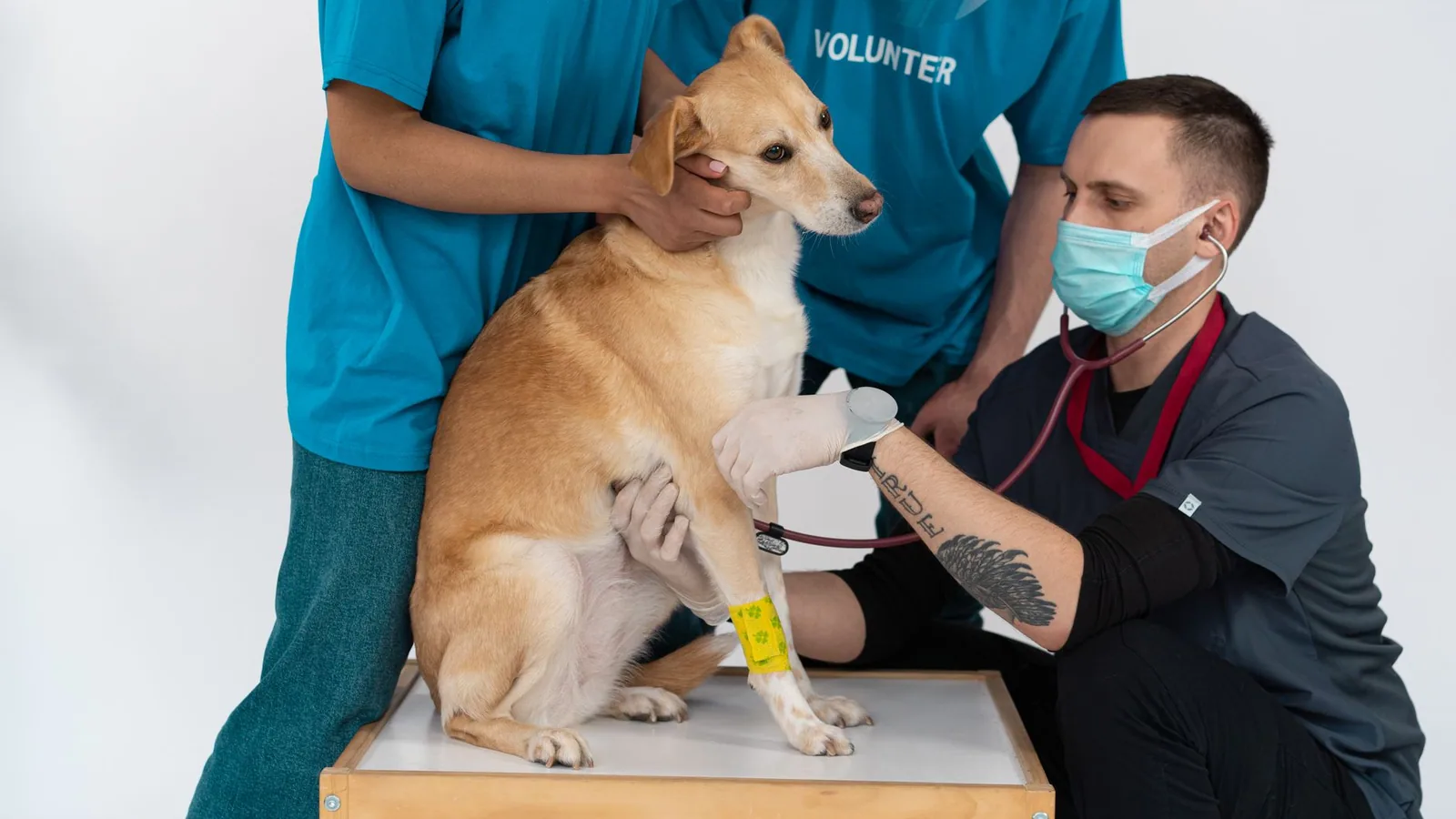
This article is educational and is not a substitute for veterinary diagnosis or treatment.
If your dog is straining to defecate, has not passed stool in more than 48 hours, or is showing signs of abdominal pain, you need to determine whether this is simple constipation or a more serious condition such as obstipation, a foreign body obstruction, or even a urinary blockage. True constipation involves infrequent or difficult passage of dry, hard feces. However, straining can also be caused by diarrhea (tenesmus), urethral obstruction (which is life-threatening), or painful conditions of the anus or prostate. This article provides a definitive, evidence-based guide to understanding, diagnosing, and treating constipation in dogs, with clear red flags that warrant immediate veterinary attention.
At a Glance: Is This Constipation or an Emergency?
The following table helps owners differentiate common scenarios. Use it as a triage guide, not a diagnostic tool.
| Sign | Likely Constipation | Possible Emergency (See Vet Immediately) |
|---|---|---|
| Straining with no stool production | Yes, if >48 hours | Yes, if also vomiting, lethargic, or painful |
| Straining with small amounts of liquid stool | No (likely colitis/diarrhea) | Possibly, if bloody or frequent |
| Unable to urinate | No | Yes, urinary obstruction is life-threatening |
| Vomiting + no stool | Possibly | Yes, rule out foreign body obstruction |
| Hunched back, crying, lethargy | Possibly | Yes, rule out obstipation, pancreatitis, or obstruction |
| Dry, hard stool passed with effort | Yes | No, unless accompanied by blood or severe pain |
| No stool for 3+ days | Yes | Yes, risk of obstipation and megacolon |
Understanding Canine Constipation and Obstipation
Constipation is defined as infrequent or difficult evacuation of feces, characterized by dry, hard stools. Obstipation is a more severe form where defecation becomes impossible, and the colon becomes impacted with hardened fecal material that cannot be passed voluntarily [1][21]. Chronic obstipation can lead to megacolon, a condition where the colonic smooth muscle loses its ability to contract effectively, resulting in permanent dilation of the colon [2][6].
Anatomy and Physiology
The colon's primary functions are water absorption and storage of feces. Normal colonic motility relies on coordinated contractions of smooth muscle, regulated by the enteric nervous system, autonomic nerves, and local hormones. When fecal material remains in the colon too long, excessive water is absorbed, making the stool hard and difficult to pass. This triggers a cycle of pain, further retention, and worsening impaction.
Causes of Constipation in Dogs
Constipation is rarely a primary disease; it is usually a sign of an underlying problem. Causes can be classified into several categories.
Dietary and Lifestyle Factors
- Low fiber or high bone diet: Diets consisting predominantly of bones or low-fiber commercial foods can produce hard, chalky stools that are difficult to pass. A study on acquired hypertrophic megacolon found that a predominantly bony diet and low levels of physical activity were predisposing factors in large-breed dogs [2].
- Dehydration: Insufficient water intake leads to increased water absorption from the colon, resulting in dry feces.
- Lack of exercise: Reduced physical activity decreases gastrointestinal motility [2].
- Ingestion of foreign material: Dogs that ingest hair, fabric, or other indigestible materials may develop fecal impactions.
Medical and Anatomical Causes
- Prostatic disease: Enlargement of the prostate (benign hyperplasia, prostatitis, abscess, or neoplasia) can compress the rectum, causing mechanical obstruction and tenesmus. In one study, 25% of dogs with prostatic disease presented with constipation [17].
- Perineal hernia: A weakness in the pelvic diaphragm allows abdominal contents (such as the rectum or bladder) to herniate into the perineum, leading to constipation, obstipation, and stranguria [14].
- Pelvic canal narrowing: Healed pelvic fractures, neoplasia, or congenital narrowing can compress the rectum.
- Orthopedic or neurologic disease: Hip dysplasia, spinal cord disease, or intervertebral disc disease can impair the ability to posture for defecation or disrupt the defecation reflex.
- Megacolon: Chronic constipation can lead to irreversible dilation and loss of colonic motility. Acquired megacolon is most common in older, large-breed dogs with a history of chronic constipation [2][6].
- Metabolic and endocrine disorders: Hypothyroidism, hyperparathyroidism (causing hypercalcemia), and chronic kidney disease can all contribute to constipation. Chronic kidney disease was identified as a significant risk factor for constipation in cats, and similar mechanisms likely apply in dogs [20].
- Medications: Opioids, anticholinergics, antihistamines, and some diuretics can slow intestinal transit.
- Painful defecation (dyschezia): Anal sac infections, abscesses, strictures, or proctitis can cause a dog to voluntarily withhold stool, leading to secondary constipation. One case report described a dog with localized coloproctitis caused by a novel fungal species that presented with dyschezia, hematochezia, and constipation [9].
Infectious and Inflammatory Causes
- Parasitic infections: Heavy burdens of whipworms (Trichuris vulpis) can cause colonic inflammation and tenesmus, which owners may misinterpret as constipation.
- Bacterial or fungal colitis: Inflammatory bowel disease or infectious colitis (e.g., from Basidiobolus species) can present with constipation as a component of dyschezia [9].
- Leptospirosis: Although rare, a case report documented a dog with leptospirosis that presented with anorexia, constipation, and emesis. The dog's condition worsened despite laxatives and enemas, highlighting that constipation can be a sign of systemic infection [10].
Neoplastic Causes
- Colorectal tumors: Adenocarcinoma, lymphoma, or leiomyosarcoma can cause partial or complete obstruction.
- Extraluminal masses: Prostatic carcinoma, perineal liposarcoma, or metastatic lesions can compress the rectum [15].
- Spinal chordoma: A rare tumor of the spinal cord can cause constipation by compressing nerves that control defecation [19].
Red Flags: When to Seek Emergency Veterinary Care
Not all straining is constipation. The following signs indicate a potential emergency and require immediate veterinary assessment.
Distinguishing Constipation from Urinary Obstruction
A dog that is straining but unable to produce urine is experiencing a urinary obstruction, which is a life-threatening emergency. This is most common in male dogs with urethral stones or plugs. Unlike constipation, a dog with a urinary obstruction will often posture repeatedly, produce only small drops of urine or none at all, and may vomit or become lethargic rapidly. Do not wait to see if the dog passes stool; if urine is not being produced, go to an emergency vet immediately.
Distinguishing Constipation from Diarrhea with Straining (Tenesmus)
Dogs with colitis or diarrhea often strain frequently and produce small amounts of liquid stool, sometimes with mucus or blood. This is not constipation. Owners may mistakenly believe the dog is "constipated" because they see straining with little output. True constipation involves dry, hard feces, not liquid stool.
Signs of Obstipation or Megacolon
- No fecal production for 3 or more days
- Repeated, unproductive straining (tenesmus)
- Abdominal distension and pain
- Vomiting, lethargy, or anorexia
- Palpable hard fecal mass in the abdomen
Signs of Foreign Body Obstruction
- Vomiting (especially if frequent or projectile)
- Complete absence of stool (not just difficulty passing)
- Abdominal pain (hunched posture, crying)
- Anorexia and lethargy
Systemic Signs
- Pale mucous membranes (anemia or shock)
- Fever or hypothermia
- Severe dehydration (sunken eyes, skin tenting)
- Inability to stand or severe weakness
Veterinary Diagnosis
A thorough diagnostic workup is essential to identify the underlying cause of constipation and guide treatment. The approach includes:
History and Physical Examination
The veterinarian will ask about diet, water intake, exercise, previous episodes of constipation, medications, and any observed straining or pain. A digital rectal examination is critical to assess for:
- Fecal impaction
- Anal sac abnormalities
- Rectal masses or strictures
- Prostatic enlargement
- Perineal hernia
- Pelvic canal narrowing
Imaging
- Abdominal radiographs: Plain radiographs can reveal the amount and location of fecal material, the diameter of the colon, and the presence of foreign bodies, pelvic fractures, or sublumbar masses. In dogs with megacolon, the colon is markedly dilated and filled with feces [2].
- Contrast studies: Barium enemas or upper GI series may be used to identify strictures or masses.
- Ultrasound: Useful for evaluating the prostate, sublumbar lymph nodes, and the colonic wall.
- Computed tomography (CT): Provides detailed imaging for complex cases, such as suspected neoplasia or spinal lesions [19].
Laboratory Tests
- Complete blood count and biochemistry: May reveal dehydration, electrolyte imbalances (especially hypercalcemia), kidney disease, or evidence of inflammation (leukocytosis) [1].
- Thyroid testing: To rule out hypothyroidism.
- Urinalysis: To assess for urinary tract infection or prostate disease.
Specialized Tests
- Colonoscopy: Allows direct visualization of the colonic mucosa and biopsy collection for histopathology.
- Biopsy: Essential for diagnosing inflammatory bowel disease, neoplasia, or fungal infections [9].
Evidence-Based Treatment Options
Treatment of constipation depends on the severity and underlying cause. Management ranges from simple dietary changes to surgical intervention.
Medical Management
1. Rehydration and Electrolyte Correction
Dehydration is a common contributing factor. Intravenous or subcutaneous fluid therapy corrects dehydration and helps soften fecal material. In one study, anorexia (82.4%) and dehydration were the most common clinical signs in constipated dogs [1].
2. Laxatives and Stool Softeners
These should only be used under veterinary supervision. Human laxatives can be dangerous in dogs.
- Osmotic laxatives: Lactulose is a commonly used osmotic laxative that draws water into the colon, softening stool. It is generally safe but can cause gas and bloating.
- Stool softeners: Docusate sodium (dioctyl sodium sulfosuccinate) is a surfactant that allows water to penetrate the stool. However, its efficacy in dogs is debated, and it should not be used in animals with intestinal obstruction.
- Fiber supplements: Psyllium husk (e.g., Metamucil) or canned pumpkin can add bulk and moisture to stool. However, excessive fiber can worsen impaction in some dogs, so veterinary guidance is essential.
- Stimulant laxatives: Bisacodyl (e.g., Dulcolax) stimulates colonic contractions. It should be used cautiously and only under veterinary direction, as it can cause cramping and electrolyte imbalances.
3. Enemas
Do not administer enemas at home without veterinary instruction. Enemas can be dangerous if performed incorrectly, especially in small dogs or those with obstipation. Complications include:
- Colonic perforation
- Electrolyte imbalances (especially with phosphate enemas)
- Vagal stimulation leading to bradycardia or collapse
Veterinary-administered enemas typically use warm water or a mild soap solution. In severe cases, manual disimpaction under sedation or anesthesia may be necessary.
4. Prokinetic Agents
Drugs that stimulate colonic motility may be used in cases of chronic constipation or megacolon. Examples include:
- Cisapride: A 5-HT4 receptor agonist that enhances colonic motility. It is no longer widely available in many countries but can be obtained from compounding pharmacies.
- Ranitidine or nizatidine: These H2 receptor antagonists also have prokinetic effects on the colon.
- Muscarinic receptor 1 positive allosteric modulators (M1PAMs): Research in dogs has shown that these compounds (e.g., T662, T523) can trigger propagated high amplitude contractions and cause defecation, with potential for treating constipation [3]. However, these are not yet clinically available.
5. Probiotics and Synbiotics
Probiotics may help maintain gut health and prevent constipation. A study using Lactobacillus fermentum CCM 7421 with inulin in healthy dogs found a slight laxative effect, suggesting potential benefit for preventing constipation, especially in senior dogs [5].
Surgical Management
Surgery is indicated when medical management fails or when there is a mechanical obstruction.
Subtotal Colectomy for Megacolon
Subtotal colectomy (removal of most of the colon with preservation of the ileocolic junction) is the surgical treatment of choice for acquired megacolon. In a study of eight dogs with acquired hypertrophic megacolon, all surviving dogs returned to normal defecation within 5 to 10 weeks (mean 7.3 weeks) and were alive 11 to 48 months (mean 40.5 months) after surgery [2]. Another study reported successful outcomes in a dog with megacolon secondary to dietary indiscretion [6].
Perineal Hernia Repair
Perineal hernias are typically repaired surgically using internal obturator muscle transposition, with or without synthetic mesh. Pexy techniques (colopexy, cystopexy) may be used to prevent recurrence [14].
Foreign Body or Tumor Removal
Surgical removal of foreign bodies, tumors, or other obstructive lesions is necessary for definitive treatment.
Emerging Therapies
Colonic Electrical Stimulation
Implantable colonic electrical stimulation (CES) has shown promise in a canine model of slow transit constipation. In one study, CES significantly shortened gastrointestinal and colonic transit times and improved stool frequency and consistency [4]. This approach is not yet standard clinical practice.
Unsafe Home Remedies and Common Myths
Many well-intentioned but dangerous home remedies circulate online. Avoid the following:
- Mineral oil: Aspiration can cause lipid pneumonia. It also interferes with absorption of fat-soluble vitamins.
- Human enemas (especially phosphate enemas): Can cause fatal electrolyte disturbances in dogs.
- Castor oil: Can cause severe diarrhea, dehydration, and electrolyte imbalances.
- Milk or dairy products: Many dogs are lactose intolerant, and milk can cause diarrhea or worsen impaction.
- Excessive fiber supplementation: Too much fiber can actually worsen constipation by forming a dry, fibrous mass in the colon.
Prevention and Long-Term Management
Preventing recurrence is key, especially in dogs with chronic constipation or predisposing conditions.
Dietary Management
- High-quality, moisture-rich diet: Canned or fresh food provides more moisture than dry kibble.
- Appropriate fiber: Some dogs benefit from moderate fiber supplementation (e.g., psyllium, canned pumpkin), while others do better with a low-fiber, highly digestible diet. Work with your veterinarian to determine the best approach.
- Avoid bone-heavy diets: Diets high in bone content can cause hard, chalky stools [2].
Lifestyle Modifications
- Regular exercise: Daily walks and play promote normal gastrointestinal motility.
- Access to fresh water: Ensure multiple water sources, especially for senior dogs or those with kidney disease.
- Regular bathroom breaks: Provide frequent opportunities to defecate, especially for dogs with orthopedic or neurologic issues.
Monitoring and Follow-Up
- Track defecation frequency and stool consistency: Note any changes and report them to your veterinarian.
- Regular veterinary check-ups: Especially important for senior dogs or those with chronic conditions.
- Manage underlying diseases: Treating conditions like hypothyroidism, kidney disease, or prostatic disease can prevent constipation.
Prognosis
The prognosis for constipation depends on the underlying cause.
- Simple, acute constipation: Excellent prognosis with appropriate treatment and dietary modification.
- Chronic constipation with megacolon: Good to fair prognosis with surgical management (subtotal colectomy) [2][6].
- Constipation secondary to neoplasia: Prognosis depends on the tumor type and stage.
- Constipation secondary to perineal hernia: Good prognosis with surgical repair [14].
Clinical Reasoning: How Veterinarians Differentiate Constipation from Look-Alike Conditions
The diagnostic challenge in a dog straining to poop lies in the fact that the same clinical sign, tenesmus, can arise from disorders of the colon, rectum, anus, prostate, urinary tract, or even the spine. A veterinarian’s clinical reasoning begins with a systematic triage that prioritizes life-threatening causes before addressing the gastrointestinal tract.
The Three-Question Triage Framework
When an owner presents a dog straining to poop, the clinician mentally answers three questions in sequence. First, is this a urinary obstruction? A male dog that has postured repeatedly without producing urine, especially if he has a history of urinary stones, is treated as a urethral emergency until proven otherwise. A quick palpation of the bladder, if it is large, firm, and non-expressive, confirms the need for immediate decompression. Second, is this a surgical abdomen? A dog that strains and also vomits, refuses to eat, or shows a painful reaction to abdominal palpation may have a foreign body obstruction, intussusception, or perforation. Third, if neither of those emergencies is present, the clinician considers primary constipation or obstipation.
This framework is critical because the owner’s observation of “my dog cannot poop” is unreliable for distinguishing these categories. In one study of dogs presenting for constipation, anorexia was present in 82.4% of cases, yet many of those dogs had simple constipation rather than obstruction [1]. The clinician must rely on physical examination findings, not owner history alone, to make this distinction.
The Role of Digital Rectal Examination
No amount of imaging or laboratory testing can replace the information obtained from a thorough digital rectal examination. This procedure, performed with the dog standing or in lateral recumbency under gentle restraint or sedation, allows the veterinarian to assess:
- Fecal consistency and location: Hard, dry feces in the rectum confirm constipation. If the rectum is empty but the dog is straining, the impaction may be higher in the colon, or the straining may be due to colitis or urinary disease.
- Anal sac abnormalities: Impacted, infected, or abscessed anal sacs can cause dyschezia that owners misinterpret as constipation. The veterinarian can express the sacs and note the character of the secretion.
- Rectal masses or strictures: A palpable mass may indicate neoplasia, granulomatous disease, or a foreign body. A stricture may be felt as a narrowed, non-distensible segment.
- Prostatic enlargement: In male dogs, the prostate is palpable per rectum. An enlarged, symmetrical prostate suggests benign hyperplasia, while an asymmetrical, painful, or irregular prostate raises concern for prostatitis, abscess, or neoplasia. Prostatic disease was identified as a cause of constipation in 25% of affected dogs in one series [17].
- Pelvic canal integrity: Healed pelvic fractures or narrowing from neoplasia can be appreciated as bony irregularities that compress the rectum.
- Perineal hernia: A weakening of the pelvic diaphragm allows the rectum to deviate into a perineal pouch, which can be felt as a loss of normal rectal support. The hernia may be unilateral or bilateral [14].
Diagnostic Imaging: What Each Modality Adds
Abdominal radiographs are the first-line imaging tool, but their interpretation requires nuance. A colon filled with feces is not diagnostic of constipation, many normal dogs have fecal-filled colons. The key findings are:
- Colonic diameter: A colon that exceeds the length of the seventh lumbar vertebra in diameter on a lateral view raises suspicion for megacolon. However, this measurement is a guideline, not an absolute cutoff, and must be interpreted in the context of the dog’s size and breed.
- Fecal character: Radiographs can reveal whether the feces are uniformly dense (suggesting a bone-heavy diet) or contain radiopaque foreign material.
- Extracolonic findings: The presence of sublumbar lymphadenopathy, prostatic enlargement, pelvic fractures, or vertebral lesions may point to an underlying cause.
Ultrasound provides complementary information, particularly for evaluating the prostate, sublumbar lymph nodes, and colonic wall thickness. A thickened colonic wall may indicate inflammatory bowel disease, neoplasia, or fungal infection [9]. Ultrasound can also detect free abdominal fluid, which would raise concern for perforation.
Computed tomography is reserved for complex cases, such as suspected spinal neoplasia causing constipation through nerve compression [19] or for surgical planning in perineal hernia repair.
Laboratory Testing: Beyond the Basics
While a complete blood count and biochemistry panel are standard, specific abnormalities can guide the diagnostic workup. Hypercalcemia, whether from hyperparathyroidism, neoplasia, or renal disease, can cause constipation by impairing smooth muscle contractility. Hypokalemia also reduces colonic motility. Hypothyroidism, though an uncommon cause of constipation in dogs, can be ruled out with a thyroid panel when other signs are present.
Urinalysis is often overlooked but is essential in male dogs with straining. The presence of hematuria, pyuria, or crystalluria may indicate urinary tract disease that mimics or coexists with constipation. In one case, a dog with prostatic and paraprostatic cysts from alveolar echinococcosis presented with constipation and urinary signs, highlighting the need to evaluate both systems [11].
Owner Observation: What to Document Before the Veterinary Visit
Owners play a critical role in the diagnostic process. The information they provide can narrow the differential list and reduce the need for unnecessary testing. Before the veterinary visit, owners should document:
Stool Characteristics
- Frequency: When was the last normal stool passed? How many attempts have been made since then?
- Consistency: Is the stool dry and hard, or is it liquid with straining? True constipation produces dry, firm feces. Liquid stool with straining suggests colitis.
- Volume: Are small amounts being passed, or is there no output at all?
- Color and content: Is there blood (bright red or dark, tarry), mucus, or foreign material?
Straining Behavior
- Posture: Does the dog assume a normal defecation posture, or is there a hunched back with repeated, unproductive straining?
- Duration: How long does each straining episode last?
- Frequency: How often does the dog attempt to defecate?
- Success rate: How many attempts result in stool passage?
Associated Signs
- Appetite: Is the dog eating normally? Anorexia is a common finding in constipated dogs [1].
- Vomiting: Any vomiting, especially if frequent or projectile, raises concern for obstruction.
- Urination: Is the dog urinating normally? A dog that cannot urinate requires emergency care.
- Activity level: Is the dog lethargic or depressed?
- Pain: Does the dog cry, whine, or assume a prayer position (hind end up, front end down) suggesting abdominal pain?
Diet and Environment
- Recent diet changes: Any new foods, treats, or bones?
- Water intake: Has the dog been drinking normally?
- Foreign material access: Could the dog have ingested toys, fabric, rocks, or other objects?
- Medications: Is the dog receiving any medications, including over-the-counter supplements?
Prevention: Evidence-Based Strategies for Long-Term Bowel Health
Preventing constipation is far more effective than treating it, especially in dogs with predisposing conditions. The evidence supports a multimodal approach.
Hydration as the Foundation
Dehydration is a primary driver of constipation because it increases water absorption from the colon, producing dry, hard feces. Ensuring adequate water intake is the single most important preventive measure. Strategies include:
- Multiple water stations: Place bowls in several locations, especially for senior dogs with mobility issues.
- Flavoring water: Adding a small amount of low-sodium chicken broth (without onion or garlic) can encourage drinking.
- Wet food: Canned or fresh food contains 70-80% moisture, compared to 10% in dry kibble. Switching to a moisture-rich diet can prevent constipation in predisposed dogs.
- Water fountains: Many dogs prefer moving water and will drink more from a fountain.
Fiber: Individualized, Not One-Size-Fits-All
The role of fiber in constipation is paradoxical. For some dogs, soluble fiber (e.g., psyllium, canned pumpkin) adds bulk and moisture to stool, promoting regular defecation. For others, especially those with megacolon or severe obstipation, fiber can worsen impaction by forming a dry, fibrous mass that the colon cannot propel.
The key is individualization. Dogs with mild, intermittent constipation often benefit from 1-2 tablespoons of canned pumpkin (not pie filling) per meal, or a veterinary-recommended dose of psyllium husk. Dogs with chronic constipation or megacolon may require a low-fiber, highly digestible diet to reduce fecal volume. A veterinary nutritionist can help design an appropriate feeding plan.
Exercise and Routine
Physical activity stimulates gastrointestinal motility through direct mechanical effects and through activation of the autonomic nervous system. A study on acquired megacolon found that low levels of physical activity were a predisposing factor in large-breed dogs [2]. Daily walks, play sessions, and access to a yard for elimination promote regular bowel movements.
Establishing a consistent elimination schedule also helps. Dogs that are given frequent, predictable opportunities to defecate are less likely to retain stool voluntarily. This is especially important for dogs with orthopedic or neurologic conditions that make posturing difficult.
Managing Underlying Conditions
Prevention of constipation in high-risk dogs requires proactive management of underlying diseases. For example:
- Prostatic disease: Neutering reduces the risk of benign prostatic hyperplasia, a common cause of constipation in intact male dogs. Dogs with prostatitis or abscesses require appropriate antimicrobial and anti-inflammatory therapy [17].
- Chronic kidney disease: Maintaining hydration through subcutaneous fluids or dietary modification can prevent constipation in dogs with kidney disease [20].
- Hypothyroidism: Thyroid hormone replacement normalizes metabolic rate and gastrointestinal motility.
- Orthopedic disease: Pain management and assistive devices (e.g., slings, harnesses) help dogs posture comfortably for defecation.
Probiotics and Synbiotics
The gut microbiome plays a role in colonic motility and stool consistency. A study using Lactobacillus fermentum CCM 7421 with inulin in healthy dogs found a slight laxative effect, suggesting potential benefit for preventing constipation, especially in senior dogs [5]. While the evidence is not yet robust enough to recommend routine probiotic use for constipation, it is a low-risk intervention that may help maintain gut health.
Prognosis: What Owners Should Expect
The prognosis for constipation depends entirely on the underlying cause and the timeliness of intervention.
Simple, Acute Constipation
Dogs with a single episode of constipation due to dietary indiscretion, dehydration, or a temporary change in routine have an excellent prognosis. With appropriate treatment, rehydration, dietary modification, and possibly a single enema or laxative, most dogs return to normal defecation within 24-48 hours. Recurrence is unlikely if the precipitating factor is corrected.
Chronic Constipation and Obstipation
Dogs with recurrent constipation or obstipation have a guarded prognosis for medical management alone. The longer the colon remains distended with impacted feces, the greater the risk of irreversible smooth muscle damage. In one study, dogs with acquired hypertrophic megacolon that underwent subtotal colectomy returned to normal defecation within 5-10 weeks and survived a mean of 40.5 months after surgery [2]. However, surgery is not without risks, including postoperative diarrhea, fecal incontinence, and recurrence of constipation if the underlying cause is not addressed.
Constipation Secondary to Neoplasia
The prognosis for dogs with colorectal tumors or extraluminal masses depends on tumor type, stage, and resectability. Adenocarcinomas and lymphomas carry a poor long-term prognosis, while benign tumors or low-grade sarcomas may be cured with complete surgical excision. Perineal liposarcoma, though rare, can be managed surgically with good outcomes if detected early [15].
Constipation Secondary to Perineal Hernia
Perineal hernia repair carries a good prognosis, with most dogs returning to normal defecation after surgery. Recurrence rates are low when pexy techniques are used [14]. However, dogs with bilateral hernias or those that have undergone previous unsuccessful repairs have a higher risk of recurrence.
Constipation in Senior Dogs
Senior dogs are at increased risk for constipation due to multiple factors: reduced mobility, chronic kidney disease, dental disease (leading to poor nutrition), and polypharmacy. The prognosis is fair to good if the contributing factors are identified and managed. However, owners should expect that constipation may be a recurring problem that requires ongoing dietary and lifestyle modifications.
Special-Population Considerations
Brachycephalic Breeds
Brachycephalic dogs (e.g., Bulldogs, Pugs, French Bulldogs) are predisposed to constipation for several reasons. Their narrow pelvic canal, often compounded by pelvic fractures from vehicular trauma, can compress the rectum. Additionally, these breeds have a high incidence of perineal hernias and prostatic disease. Owners of brachycephalic dogs should be vigilant for early signs of constipation and seek veterinary care promptly, as these dogs are also at higher risk for obstipation and megacolon.
Large and Giant Breeds
Large-breed dogs, particularly those with a history of dietary indiscretion or bone-heavy diets, are at increased risk for acquired hypertrophic megacolon [2]. The condition is characterized by progressive colonic dilation and loss of motility, often requiring surgical intervention. Owners of large-breed dogs should avoid feeding bones and ensure adequate exercise to maintain gastrointestinal motility.
Dogs with Neurologic Disease
Dogs with intervertebral disc disease, degenerative myelopathy, or spinal cord injuries may be unable to posture normally for defecation or may have impaired defecation reflexes. These dogs require assisted elimination, including manual expression of the colon or scheduled enemas. Constipation in this population is a management challenge that requires close collaboration with a veterinarian.
Dogs with Chronic Kidney Disease
Chronic kidney disease is a significant risk factor for constipation, likely due to dehydration, electrolyte imbalances, and the effects of uremic toxins on smooth muscle function [20]. These dogs require careful fluid management, including subcutaneous fluids if oral intake is insufficient. Electrolyte monitoring is essential, as hypercalcemia or hypokalemia can exacerbate constipation.
Post-Surgical Patients
Dogs recovering from surgery, especially abdominal or orthopedic procedures, are at risk for constipation due to anesthesia, opioid analgesics, reduced activity, and decreased food and water intake. Preventive measures include early mobilization, adequate hydration, and the use of stool softeners if opioids are prescribed. Owners should be advised to monitor defecation closely in the postoperative period.
Evidence Limitations and Knowledge Gaps
While the veterinary literature provides valuable guidance on the diagnosis and treatment of constipation, several important knowledge gaps remain.
Lack of Standardized Definitions
There is no universally accepted definition of constipation in dogs. Studies use varying criteria, including stool frequency, consistency, and the presence of straining. This heterogeneity makes it difficult to compare outcomes across studies and to establish evidence-based treatment protocols.
Limited High-Quality Clinical Trials
Most studies on constipation treatment in dogs are case series, retrospective reviews, or small prospective trials. There are few randomized controlled trials comparing different laxatives, dietary interventions, or surgical techniques. The evidence for many commonly used treatments, such as docusate sodium or psyllium, is based on anecdotal experience or extrapolation from human medicine rather than robust canine-specific data.
Underrepresentation of Certain Causes
The prevalence of specific causes of constipation in dogs is not well established. While prostatic disease and pelvic fractures are commonly cited, the contribution of metabolic disorders, neurologic disease, and inflammatory bowel disease is less well characterized. Large-scale epidemiologic studies are needed to clarify the relative importance of these factors.
Gaps in Preventive Research
There is limited research on effective prevention strategies for constipation in high-risk populations. The role of probiotics, prebiotics, and dietary fiber in preventing recurrence has not been rigorously studied. Similarly, the optimal frequency and type of exercise for maintaining colonic motility are unknown.
Outcome Measures in Surgical Studies
Studies on subtotal colectomy for megacolon report variable outcomes, with some dogs experiencing persistent diarrhea or fecal incontinence. Standardized outcome measures, including owner-reported quality of life, are needed to better counsel owners about surgical risks and benefits.
Preparing for the Veterinary Visit: A Checklist for Owners
To maximize the value of the veterinary consultation, owners should come prepared with the following information:
- Timeline: When did the constipation start? When was the last normal stool?
- Stool description: Frequency, consistency, volume, color, and content.
- Straining behavior: Posture, duration, frequency, and success rate.
- Associated signs: Appetite, vomiting, urination, activity level, and pain.
- Diet history: Recent changes, treats, bones, and access to foreign material.
- Medication list: All medications, including over-the-counter products and supplements.
- Medical history: Previous episodes of constipation, underlying diseases, and surgeries.
- Vaccination status: Especially for leptospirosis, which can present with constipation [10].
Owners should also bring a fresh stool sample if possible, as fecal flotation and cytology can help rule out parasitic or inflammatory causes.
By providing this information, owners enable the veterinarian to make a more accurate diagnosis, reduce the need for unnecessary testing, and initiate appropriate treatment sooner. In cases of simple constipation, this can mean the difference between a single veterinary visit and a prolonged, costly workup.
Frequently Asked Questions
1. How long can a dog go without pooping before it is an emergency?
A dog that has not passed stool for more than 48 hours should be evaluated by a veterinarian. If the dog is also vomiting, lethargic, or showing signs of abdominal pain, seek emergency care immediately.
2. Can I give my dog olive oil for constipation?
Olive oil is not recommended. It can cause pancreatitis in some dogs and may lead to aspiration if regurgitated. Safer options like lactulose or veterinary-prescribed laxatives are available.
3. What is the difference between constipation and obstipation?
Constipation is difficult or infrequent passage of stool. Obstipation is the inability to pass stool at all, often due to a complete impaction that requires veterinary intervention (manual disimpaction or enema).
4. Why is my dog straining to poop but only passing liquid?
This is usually tenesmus caused by colitis or diarrhea, not constipation. The dog feels the urge to defecate but only passes small amounts of liquid stool. This requires veterinary diagnosis to determine the cause (e.g., parasites, dietary indiscretion, inflammatory bowel disease).
5. Can a dog die from constipation?
Yes, indirectly. Severe obstipation can lead to megacolon, colonic perforation, or sepsis. Additionally, the underlying cause (e.g., foreign body obstruction, prostatic abscess, or kidney disease) can be life-threatening.
6. Is pumpkin good for constipated dogs?
Canned pumpkin (not pie filling) can be a source of fiber and moisture that may help some dogs with mild constipation. However, it is not a substitute for veterinary care, and excessive fiber can worsen impaction in some cases.
7. How do vets treat severe constipation?
Treatment may include intravenous fluids, enemas (warm water or mild soap solutions), manual disimpaction under sedation or anesthesia, laxatives (e.g., lactulose), and treatment of the underlying cause. In cases of megacolon, surgery (subtotal colectomy) may be necessary.
8. What are the red flags that indicate my dog needs emergency care for constipation?
Red flags include: no stool for 3+ days, repeated unproductive straining, vomiting, lethargy, abdominal distension, inability to urinate, pale gums, or signs of severe pain (crying, hunched posture). Any of these warrant immediate veterinary attention.
Related Veterinary Guides
- Dog Vomiting: Causes, Diagnosis, and Emergency Care
- Dog Diarrhea: When to Worry and How to Treat
- Abdominal Pain in Dogs: A Veterinary Triage Guide
- Urinary Obstruction in Dogs: Recognizing the Emergency
- Senior Dog Health: Managing Chronic Conditions
- Canine Megacolon: Diagnosis and Surgical Options
- Perineal Hernia in Dogs: Causes and Surgical Repair
References
[1] S. Sharma, S. Pokharel, S. Singh. Diagnosis and Management of Constipation and Obstipation in Canine: From Current Practices to Future. Nepalese Veterinary Journal. 2023. https://www.semanticscholar.org/paper/0753fecd88d83f9110424fb4b602fa9abde169bf
[2] Nemeth T, Solymosi N, Balka G. Long-term results of subtotal colectomy for acquired hypertrophic megacolon in eight dogs. J Small Anim Pract. 2008. https://pubmed.ncbi.nlm.nih.gov/18793255/
[3] Pustovit RV, Itomi Y, Ringuet M et al. Muscarinic receptor 1 allosteric modulators stimulate colorectal emptying in dog, mouse and rat and resolve constipation. Neurogastroenterol Motil. 2019. https://pubmed.ncbi.nlm.nih.gov/31374156/
[4] Chen S, Li Y, Yao S et al. Implantable Colonic Electrical Stimulation Improves Gastrointestinal Transit and Defecation in a Canine Constipation Model. Neuromodulation. 2016. https://pubmed.ncbi.nlm.nih.gov/26573699/
[5] Strompfová V, Lauková A, Cilik D. Synbiotic administration of canine-derived strain Lactobacillus fermentum CCM 7421 and inulin to healthy dogs. Can J Microbiol. 2013. https://pubmed.ncbi.nlm.nih.gov/23647348/
[6] Bright RM, Burrows CF, Goring R et al. Subtotal colectomy for treatment of acquired megacolon in the dog and cat. J Am Vet Med Assoc. 1986. https://pubmed.ncbi.nlm.nih.gov/3744968/
[7] Heather, Weese, Michelle Evason et al. POTENTIAL IN CANINE BLOOD FROM CLINICALLY HEALTHY DOGS of Veterinary Internal Medicine-Companion Animals. Journal. 2010. https://www.semanticscholar.org/paper/290d073a6bf8df7f5c1d3077f762714be3fa3390
[8] Petrus DJ, Nicholls PK, Gregory SP. Megacolon secondary to autonomic ganglioneuritis in a dog. Vet Rec. 2001. https://pubmed.ncbi.nlm.nih.gov/11292090/
[9] Annalise Black, Marcellina Wiertek, Sylvia Ferguson et al. Case report: Localized coloproctitis caused by novel Basidiobolus arizonensis in a dog. Frontiers in Veterinary Science. 2024. https://www.semanticscholar.org/paper/0a95f5ae5006aa4372a7f165075e8a1c51a7eb7a
[10] Olawale Olatunde Modupeoluwa, Billy Quadri Omoniyi, Abdulrauf Adekunle Usman et al. Clinico-Pathological and Molecular Characterization of Fatal Canine Leptospirosis: A Case Report from Nigeria. Journal of Veterinary Physiology and Pathology. 2025. https://www.semanticscholar.org/paper/108ae30e3b9f8c838daa02946622e893c3c6750e
[11] Geigy CA, Kühn K, Rütten M et al. Unusual presentation of alveolar echinococcosis as prostatic and paraprostatic cysts in a dog. BMC Vet Res. 2013. https://pubmed.ncbi.nlm.nih.gov/23938212/
[12] G. Rakha, Mounir M. Abdl-Haleem, H. Farghali et al. Prevalence of common canine digestive problems compared with other health problems in teaching veterinary hospital, Faculty of Veterinary Medicine, Cairo University, Egypt. Veterinary World. 2015. https://www.semanticscholar.org/paper/0d21484f275f1822ff483371a78abe3f401b7172
[13] L. Ramos, T. Cunha, Gustavo de Oliveira Nascimento et al. Bilateral Corneal Arcus In Canine. Journal. 2020. https://www.semanticscholar.org/paper/908a8cb507c0f1d7b918eb154738e2215038f1c1
[14] Gill SS, Barstad RD. A Review of the Surgical Management of Perineal Hernias in Dogs. J Am Anim Hosp Assoc. 2018. https://pubmed.ncbi.nlm.nih.gov/29757662/
[15] Korytárová N, Bosch B, Klass LG et al. Surgical management of urethral obstruction secondary to perineal liposarcoma in a dog: a case report. BMC Vet Res. 2024. https://pubmed.ncbi.nlm.nih.gov/38521902/
[16] Nokireki T, Nevalainen M, Sihvonen L et al. Adverse reactions from consumption of oral rabies vaccine baits in dogs in Finland. Acta Vet Scand. 2016. https://pubmed.ncbi.nlm.nih.gov/27633386/
[17] Shafiee R, Shariat A, Khalili S et al. Diagnostic investigations of canine prostatitis incidence together with benign prostate hyperplasia, prostate malignancies, and biochemical recurrence in high-risk prostate cancer as a model for human study. Tumour Biol. 2015. https://pubmed.ncbi.nlm.nih.gov/25420908/
[18] Chaudhuri S, Varshney JP. Clinical management of babesiosis in dogs with homeopathic Crotalus horridus 200C. Homeopathy. 2007. https://pubmed.ncbi.nlm.nih.gov/17437935/
[19] Pease AP, Berry CR, Mott JP et al. Radiographic, computed tomographic and histopathologic appearance of a presumed spinal chordoma in a dog. Vet Radiol Ultrasound. 2002. https://pubmed.ncbi.nlm.nih.gov/12174996/
[20] Sarah E Benjamin, K. Drobatz. Retrospective evaluation of risk factors and treatment outcome predictors in cats presenting to the emergency room for constipation. Journal of feline medicine and surgery. 2019. https://www.semanticscholar.org/paper/637e709748615a3157aa3c65110a3501f378930f
[21] Merck Veterinary Manual: Constipation and Obstipation in Small Animals. https://www.merckvetmanual.com/digestive-system/diseases-of-the-rectum-and-anus/constipation-and-obstipation-in-small-animals
[22] AVMA Emergency Care for Pets. https://www.avma.org/resources-tools/pet-owners/emergency-care