
Bloody Diarrhea in Cats: Causes, Urgency, and Veterinary Testing
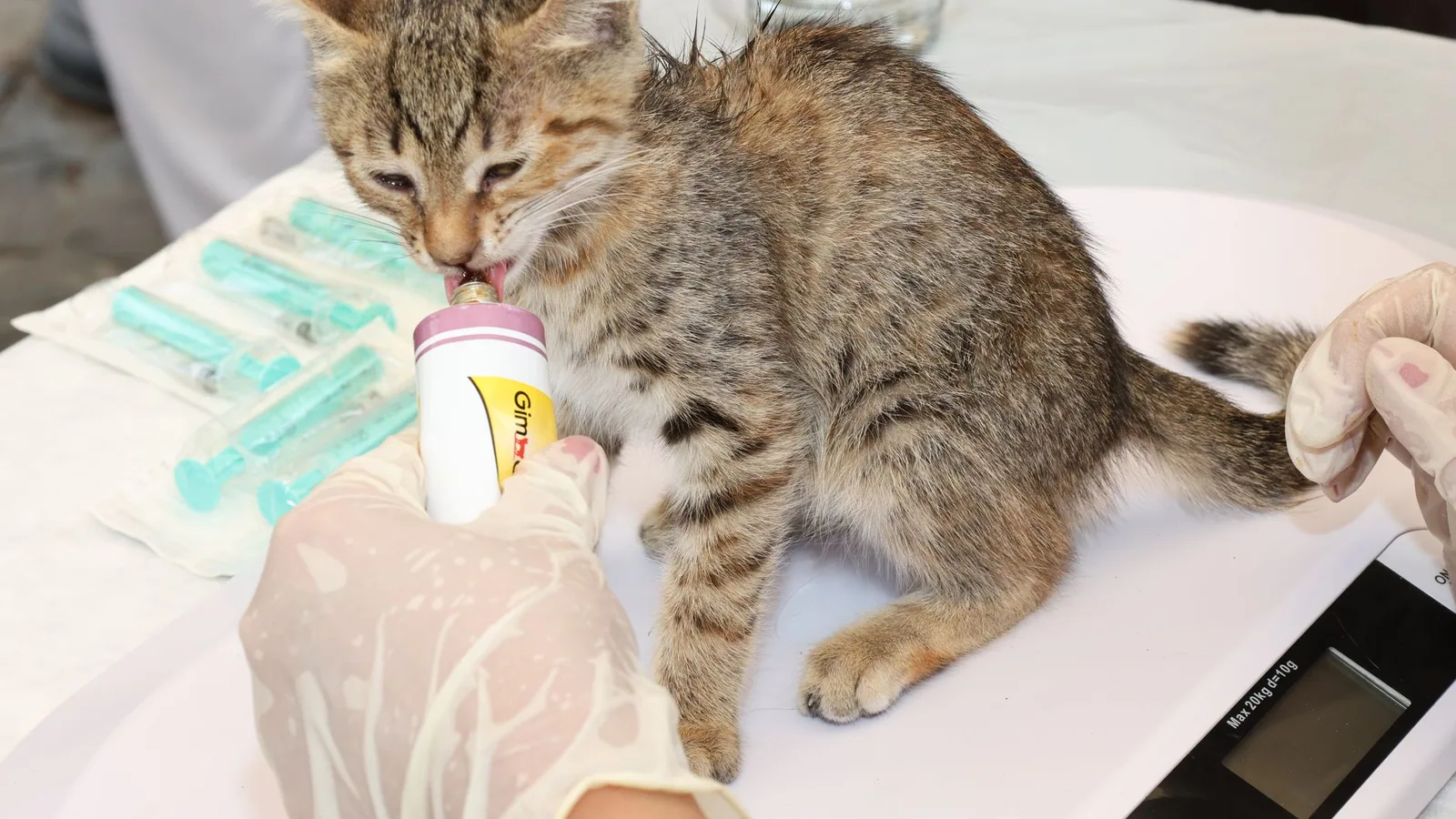
This article is educational and is not a substitute for veterinary diagnosis or treatment.
Blood in a cat's stool is always abnormal and warrants prompt attention. The medical terms for bloody diarrhea are hematochezia (bright red blood, usually from the lower bowel) and melena (black, tarry blood, indicating digested blood from the upper gastrointestinal tract). This guide provides cat owners with a definitive, evidence-based understanding of the causes, urgency levels, and veterinary testing required for bloody diarrhea in cats. We will reference established veterinary guidelines from organizations including the American Veterinary Medical Association (AVMA), the American Animal Hospital Association (AAHA), the Merck Veterinary Manual, and the Cornell Feline Health Center, among others.
At a Glance: Urgency Triage for Bloody Diarrhea in Cats
The presence of blood in a cat's diarrhoea ranges from a self-limiting issue to a life-threatening emergency. The following table provides a rapid decision framework. This table is a guide only; always contact a veterinarian if you are uncertain.
| Characteristic | Lower Urgency (Monitor & Schedule Vet Visit) | Higher Urgency (Seek Same-Day Veterinary Care) | Emergency (Immediate Veterinary Hospital Visit) | | :-, | :-, | :-, | :-, | | Blood Type | Small streaks of bright red blood (hematochezia) on formed or semi-formed stool. | Moderate amount of blood mixed with diarrhoea. | Large volume of blood, pure blood, or black/tarry stool (melena). | | Cat's Behaviour | Normal energy, eating, drinking, and behaviour. | Mild lethargy, decreased appetite. | Severe lethargy, collapse, weakness, crying, or hiding. | | Other Signs | No vomiting. Normal gum colour. | Occasional vomiting. Slightly pale gums. | Persistent vomiting, pale or white gums, rapid breathing, abdominal pain. | | Duration | Single episode or less than 24 hours. | More than 24 hours. | Any duration with severe signs. | | Risk Factors | Known dietary indiscretion (e.g., new treat). | Known toxin exposure (e.g., lily plant, human medication). | Known toxin exposure, severe trauma, or underlying disease (e.g., kidney failure, pancreatitis). |
If your cat shows any signs from the "Emergency" column, transport them to the nearest open veterinary emergency facility immediately.
Understanding the Anatomy and Physiology
To understand why blood appears in the stool, it helps to know the basic anatomy of the feline gastrointestinal (GI) tract. The GI tract is a long tube that begins at the mouth and ends at the anus. Digestion and absorption occur primarily in the small intestine (duodenum, jejunum, ileum). The large intestine (colon) is responsible for water absorption and stool formation.
- Hematochezia: This is bright red blood, often seen as streaks or drops on the stool or around the anus. It indicates bleeding in the lower GI tract, specifically the colon, rectum, or anus. Because the blood has not travelled far, it remains red.
- Melena: This is black, tarry, sticky stool. It indicates bleeding in the upper GI tract (stomach or small intestine). As blood passes through the digestive system, it is partially digested by enzymes and bacteria, turning it black. Melena can also result from swallowed blood (e.g., from a mouth injury or respiratory bleed).
A cat may present with either hematochezia or melena, or both, depending on the underlying cause.
Primary Causes of Bloody Diarrhea in Cats
The causes of bloody diarrhea in cats are numerous and range from benign to life-threatening. They can be broadly categorised into dietary, infectious, inflammatory, neoplastic, toxic, and systemic causes.
1. Dietary Indiscretion and Food Allergies
Dietary indiscretion, such as eating spoiled food, garbage, or a foreign object, is a common cause of acute colitis (inflammation of the colon) leading to hematochezia. Food allergies or intolerances to specific proteins or additives can also cause chronic inflammation and bloody diarrhoea [1]. According to the Merck Veterinary Manual, dietary intolerance is a frequent cause of large bowel diarrhoea in cats.
2. Infectious Causes
Infectious agents can damage the intestinal lining, leading to bleeding.
- Parasites: Intestinal parasites are a very common cause of bloody diarrhea in kittens and outdoor cats. Key parasites include Toxocara cati (roundworms), Ancylostoma spp. (hookworms), Tritrichomonas foetus, Giardia spp., Cystoisospora spp. (coccidia), and Cryptosporidium spp. [2]. The Companion Animal Parasite Council (CAPC) provides detailed guidelines on the prevalence and management of these parasites.
- Bacterial Infections: Bacteria such as Salmonella spp., Campylobacter spp., and Clostridium perfringens can cause enterocolitis with bloody diarrhoea. These infections are often linked to raw diets or contaminated food [3].
- Viral Infections: Feline panleukopenia virus (FPV), a parvovirus, causes severe, often bloody diarrhoea and vomiting. It is highly contagious and often fatal in unvaccinated kittens. Feline coronavirus (FCoV) can cause mild diarrhoea, but in a small percentage of cats, it mutates into the fatal feline infectious peritonitis (FIP), which can also involve intestinal inflammation [4].
- Fungal Infections: Fungal infections like histoplasmosis can cause chronic diarrhoea with blood, particularly in endemic regions of North America.
3. Inflammatory and Immune-Mediated Conditions
- Inflammatory Bowel Disease (IBD): IBD is a group of chronic conditions characterised by inflammation of the GI tract. The cause is often unknown but involves an abnormal immune response to intestinal contents. It can cause chronic intermittent diarrhoea, vomiting, and weight loss. Blood is not always present but can occur if inflammation is severe [5].
- Pancreatitis: Inflammation of the pancreas can cause significant systemic illness, including vomiting, abdominal pain, and diarrhoea. In severe cases, this diarrhoea may contain blood. Pancreatitis can occur alone or concurrently with IBD (a condition known as triaditis).
4. Neoplasia (Cancer)
Intestinal lymphoma is the most common GI neoplasia in cats. Other cancers include adenocarcinoma, mast cell tumour, and leiomyosarcoma. These tumours can cause bleeding, obstruction, and chronic diarrhoea. Bloody stool may be a presenting sign, especially in older cats [6].
5. Toxic and Drug-Induced Causes
- Toxins: Ingestion of certain toxins can cause GI bleeding. Common feline toxins include lilies (which cause kidney failure, not direct GI bleeding, but can cause vomiting and lethargy), NSAIDs (like ibuprofen or naproxen), and rodenticides (which can cause coagulopathies and bleeding).
- Drugs: Corticosteroids and NSAIDs used in veterinary medicine can occasionally cause GI ulceration and bleeding, especially with prolonged use or high doses.
6. Systemic and Metabolic Diseases
- Hyperthyroidism: This common endocrine disease in older cats can cause increased appetite, weight loss, vomiting, and diarrhoea. The diarrhoea can sometimes be bloody due to rapid GI transit time and secondary inflammation.
- Kidney Disease (Chronic or Acute): Uremic toxins from kidney failure can cause GI ulceration and bleeding, leading to melena or hematochezia.
- Liver Disease: Liver failure can lead to coagulopathies (bleeding disorders) and GI signs.
- Pancreatitis: As mentioned, pancreatitis is a common cause of bloody diarrhoea in cats.
- Coagulopathies: Conditions that impair blood clotting, such as rodenticide poisoning, liver failure, or immune-mediated thrombocytopenia, can cause bleeding anywhere in the body, including the GI tract.
7. Trauma and Foreign Bodies
Ingestion of a foreign body (e.g., string, bone, toy) can cause physical damage, obstruction, and bleeding. Trauma to the abdomen (e.g., from a fall or car accident) can also cause internal bleeding.
Risk Factors for Bloody Diarrhea in Cats
Certain factors increase a cat's risk of developing bloody diarrhoea.
- Age: Kittens are more susceptible to parasites, viral infections (panleukopenia), and dietary indiscretion. Older cats are at higher risk for cancer, hyperthyroidism, and kidney disease.
- Vaccination Status: Unvaccinated cats are at high risk for panleukopenia and other infectious diseases.
- Lifestyle: Outdoor cats have a higher risk of exposure to parasites, toxins, and trauma. Indoor-only cats are more likely to have IBD or food allergies.
- Diet: Cats fed raw diets are at increased risk for bacterial infections like Salmonella and Campylobacter [3]. Sudden diet changes can cause transient diarrhoea.
- Breed: While any cat can be affected, some breeds may have a genetic predisposition to certain conditions (e.g., IBD in Siamese and other purebred cats).
Veterinary Examination and Diagnostic Testing
When you present a cat with bloody diarrhoea to a veterinarian, they will follow a systematic diagnostic approach. The goal is to identify the underlying cause and rule out life-threatening conditions.
1. History and Physical Examination
The veterinarian will take a detailed history, including:
- Duration and frequency of diarrhoea.
- Description of stool (colour, consistency, presence of blood or mucus).
- Vomiting, appetite, water intake, and urination.
- Diet history (including treats, raw food, recent changes).
- Exposure to toxins, other animals, or travel.
- Vaccination and deworming history.
- Current medications.
- Past medical history.
A thorough physical examination will assess:
- Hydration status (skin tent, mucous membranes).
- Gum colour and capillary refill time (assessing for anaemia or shock).
- Abdominal palpation (checking for pain, masses, or thickened intestines).
- Body condition and weight.
- Rectal examination (checking for masses, strictures, or blood).
2. Fecal Examination
This is a fundamental and non-invasive test.
- Fecal Flotation: Used to identify parasite eggs (roundworms, hookworms) and cysts (Giardia, coccidia).
- Direct Smear: Used to look for motile protozoa (Giardia, Tritrichomonas foetus) and bacteria.
- Fecal Culture: Used to identify pathogenic bacteria like Salmonella and Campylobacter.
- PCR Testing: Polymerase chain reaction (PCR) testing can detect the DNA of specific parasites, bacteria, and viruses (e.g., Giardia, Tritrichomonas foetus, Cryptosporidium, FPV). It is highly sensitive and specific.
3. Blood Tests (Complete Blood Count and Biochemistry Profile)
- Complete Blood Count (CBC): The CBC is critical for assessing anaemia (low red blood cells), which can indicate significant blood loss or chronic disease. It also checks for infection (elevated white blood cells) or inflammation.
- Biochemistry Profile: This evaluates organ function, including the kidneys (BUN, creatinine), liver (ALT, ALP, bilirubin), and pancreas (amylase, lipase, feline pancreatic lipase immunoreactivity or fPLI). It also measures electrolytes and blood glucose, which can be affected by vomiting and diarrhoea.
- Thyroid Hormone (T4) Test: Recommended for older cats to rule out hyperthyroidism.
4. Imaging
- Abdominal X-rays: Useful for detecting foreign bodies, masses, obstructions, and abnormal gas patterns.
- Abdominal Ultrasound: This is a more advanced imaging technique that allows the veterinarian to visualise the layers of the intestinal wall, assess for thickening (common in IBD and lymphoma), identify masses, and evaluate the pancreas, liver, and kidneys. Ultrasound is often the preferred imaging modality for chronic GI disease [7].
5. Endoscopy and Biopsy
For chronic cases where the cause remains unclear, or when IBD or lymphoma is suspected, endoscopy is the gold standard. A flexible camera is passed into the stomach and small intestine (gastroduodenoscopy) or into the colon (colonoscopy). Small tissue samples (biopsies) are taken for histopathology (microscopic examination by a veterinary pathologist). This is the only way to definitively diagnose IBD and differentiate it from intestinal lymphoma [5].
6. Coagulation Testing
If melena or severe bleeding is present and a coagulopathy is suspected, coagulation tests (prothrombin time PT, activated partial thromboplastin time aPTT) may be performed to assess the blood's ability to clot.
Evidence-Based Management and Treatment
Treatment depends entirely on the underlying cause. It is critical that owners do not attempt to treat bloody diarrhoea at home without veterinary guidance, as some remedies can be harmful.
1. Supportive Care
For mild, acute cases of hematochezia in a cat that is otherwise well, supportive care may be sufficient.
- Dietary Modification: A bland diet (e.g., boiled chicken and rice, or a veterinary prescription diet) for 24-48 hours can help rest the GI tract. The Cornell Feline Health Center recommends a highly digestible diet for cats with diarrhoea.
- Probiotics: Veterinary-specific probiotics can help restore a healthy gut microbiome.
- Hydration: Ensure fresh water is always available. In cases of dehydration, subcutaneous or intravenous fluids may be necessary.
2. Targeted Therapy
- Parasitic Infections: Deworming medications (e.g., fenbendazole, praziquantel, milbemycin oxime) are used based on the specific parasite identified. CAPC guidelines provide specific treatment protocols [2].
- Bacterial Infections: Antibiotics are reserved for confirmed bacterial infections or when clinical signs are severe. Empiric antibiotic use is discouraged due to the risk of resistance and disruption of the gut microbiome [3].
- Inflammatory Bowel Disease: Treatment for IBD involves dietary modification (e.g., novel protein or hydrolysed protein diet), immunosuppressive medications (e.g., prednisolone, chlorambucil), and sometimes antibiotics (e.g., metronidazole). This is a chronic condition that requires long-term management [5].
- Pancreatitis: Treatment is primarily supportive, including pain management, anti-emetics, fluid therapy, and nutritional support.
- Cancer: Treatment depends on the type of cancer. Intestinal lymphoma is often treated with chemotherapy, which can lead to remission in many cats [6].
- Toxins: Treatment is specific to the toxin ingested and may include inducing vomiting (only if safe and recent), activated charcoal, and antidotes (e.g., vitamin K1 for rodenticide poisoning).
Unsafe Home Remedies and What to Avoid
Many well-intentioned home remedies can be dangerous for cats. Never administer the following without explicit veterinary instruction:
- Human Medications: Pepto-Bismol (bismuth subsalicylate), Imodium (loperamide), Kaopectate, and aspirin are toxic to cats. They can cause severe side effects including GI bleeding, liver damage, and neurological signs.
- Essential Oils: Many essential oils (tea tree, peppermint, clove) are toxic to cats and can cause vomiting, seizures, and liver failure.
- Dairy Products: Cats are often lactose intolerant, and milk or cheese can worsen diarrhoea.
- Withholding Food for More Than 24 Hours: Cats are at risk of developing hepatic lipidosis (fatty liver disease) if they do not eat for more than 24-48 hours. Always consult a vet before fasting a cat.
Prevention of Bloody Diarrhea in Cats
While not all causes are preventable, many can be mitigated with good husbandry.
- Vaccination: Keep your cat up to date on core vaccines, especially panleukopenia.
- Parasite Prevention: Use year-round, broad-spectrum parasite prevention as recommended by your veterinarian and the CAPC [2].
- Safe Diet: Feed a high-quality, balanced commercial cat food. Avoid raw diets unless formulated and managed by a veterinary nutritionist. Be cautious with treats and table scraps.
- Environmental Safety: Keep all human medications, household cleaners, and toxic plants (especially lilies) out of reach. Secure garbage bins.
- Regular Veterinary Check-ups: Annual or bi-annual wellness exams, including blood work for senior cats, can help detect underlying diseases early.
- Stress Reduction: Stress can trigger or worsen GI disease, especially IBD. Provide a stable environment with plenty of enrichment, hiding spots, and resources (food, water, litter boxes).
Prognosis
The prognosis for a cat with bloody diarrhoea is highly variable and depends directly on the underlying cause.
- Acute, self-limiting causes (e.g., mild dietary indiscretion, treatable parasites): Excellent prognosis with prompt treatment.
- Chronic inflammatory diseases (e.g., IBD): Good to fair prognosis. These conditions are manageable but not curable, and require lifelong treatment.
- Infectious diseases (e.g., panleukopenia): Guarded to poor, especially in unvaccinated kittens. Intensive care is required.
- Cancer (e.g., lymphoma): Fair to guarded. Many cats respond well to chemotherapy and enjoy a good quality of life for months to years.
- Toxins or severe trauma: Guarded to poor, depending on the severity and speed of treatment.
Emergency Red Flags: When to Go to the Vet Immediately
If your cat exhibits any of the following signs along with bloody diarrhoea, seek emergency veterinary care immediately:
- Large volume of blood or pure blood in the stool.
- Black, tarry stool (melena).
- Severe lethargy, weakness, or collapse.
- Pale or white gums.
- Rapid or laboured breathing.
- Persistent or severe vomiting.
- Abdominal pain (crying, hunched posture, reluctance to be touched).
- Known or suspected ingestion of a toxin (e.g., lily, human medication, rodenticide).
- Known or suspected trauma.
- Inability to keep water down (risk of dehydration).
- Signs of shock (cold extremities, weak pulse, dull mentation).
Clinical Reasoning: How Veterinarians Differentiate Between Causes
When a cat presents with bloody diarrhea, the veterinarian must systematically narrow a broad differential diagnosis list. This process relies on pattern recognition combined with diagnostic test results. The clinical reasoning pathway typically begins with distinguishing acute from chronic presentations, as this fundamentally alters the list of likely causes.
Acute bloody diarrhea, defined as lasting fewer than seven days, most commonly results from dietary indiscretion, parasite overgrowth, or infectious agents. In these cases, the history often reveals a recent trigger such as a new treat, access to garbage, or a missed deworming dose. The physical examination may reveal mild dehydration and colonic discomfort on abdominal palpation, but systemic signs are typically absent. The veterinarian will prioritize fecal testing and basic blood work to rule out infectious causes before considering more invasive diagnostics.
Chronic bloody diarrhea, persisting for weeks or months, raises suspicion for inflammatory bowel disease, food-responsive enteropathy, or neoplasia. These cats often have weight loss, poor coat quality, and intermittent clinical signs. The diagnostic approach shifts toward advanced imaging and tissue sampling because fecal tests and blood work alone rarely provide a definitive diagnosis for these conditions. The veterinarian must also consider that some cats with chronic disease experience acute flare-ups, making the timeline of clinical signs essential for accurate assessment.
The presence of hematochezia versus melena guides localization of the bleeding source. Hematochezia points toward the colon or rectum, while melena indicates upper gastrointestinal bleeding. However, cats with rapid gastrointestinal transit time may pass blood from the upper tract that appears only partially digested, creating diagnostic confusion. The veterinarian must integrate the stool appearance with other clinical findings such as vomiting, abdominal pain, and the cat's overall demeanor to avoid mislocalization.
Concurrent clinical signs provide additional diagnostic clues. Cats with pancreatitis often show vomiting, anorexia, and cranial abdominal pain. Those with hyperthyroidism may have weight loss despite a ravenous appetite, along with tachycardia and a palpable thyroid nodule. Cats with kidney disease frequently exhibit polyuria, polydipsia, and oral ulcerations. The veterinarian uses these patterns to select the most appropriate initial tests, reducing the need for unnecessary procedures and expediting diagnosis.
Diagnostic Workflow: From Initial Presentation to Definitive Diagnosis
The diagnostic approach to bloody diarrhea in cats follows a structured workflow that balances clinical urgency with cost-effectiveness. Understanding this workflow helps owners prepare for what to expect and why certain tests are recommended.
Step One: Triage and Stabilization
Before any diagnostic testing begins, the veterinarian assesses the cat's stability. Cats in shock, with severe dehydration, or showing signs of significant blood loss require immediate stabilization. Intravenous fluid therapy, blood pressure support, and in some cases blood transfusions take priority over diagnostic procedures. The veterinarian will place an intravenous catheter, collect blood for baseline testing, and initiate fluid resuscitation before proceeding further.
Step Two: Minimum Database
For stable cats, the minimum database includes a complete blood count, serum biochemistry profile, and fecal examination. The complete blood count provides critical information about red blood cell numbers, white blood cell counts, and platelet levels. A low red blood cell count indicates anemia, which may result from acute blood loss or chronic disease. Elevated white blood cells suggest infection or inflammation, while low white blood cells raise concern for panleukopenia or other viral infections.
The serum biochemistry profile evaluates organ function and electrolyte balance. Elevated kidney values (BUN, creatinine) may indicate primary kidney disease or prerenal azotemia from dehydration. Elevated liver enzymes suggest hepatic involvement or pancreatitis. Electrolyte abnormalities, particularly low potassium, are common in cats with vomiting and diarrhea and require correction to prevent complications.
Fecal examination includes direct smear and flotation techniques. The direct smear allows visualization of motile protozoa such as Giardia and Tritrichomonas foetus, while flotation concentrates parasite eggs and cysts. Fecal PCR testing offers higher sensitivity for detecting organisms that shed intermittently or in low numbers. Many veterinarians now recommend PCR panels that test for multiple pathogens simultaneously, including Giardia, Cryptosporidium, Tritrichomonas foetus, and feline panleukopenia virus.
Step Three: Advanced Diagnostics
When the minimum database does not yield a diagnosis or when chronic disease is suspected, the veterinarian proceeds to advanced diagnostics. Abdominal ultrasound provides detailed visualization of the gastrointestinal tract, pancreas, liver, and lymph nodes. Ultrasound can detect intestinal wall thickening, loss of normal layering, masses, and enlarged lymph nodes that suggest lymphoma or other neoplasia. It also identifies pancreatic inflammation and biliary tract abnormalities.
Ultrasound-guided fine needle aspiration allows collection of cells from masses or thickened intestinal segments for cytologic examination. While less invasive than surgical biopsy, cytology has limitations. It cannot assess tissue architecture, which is essential for differentiating inflammatory from neoplastic conditions. For definitive diagnosis, endoscopic or surgical biopsy remains the gold standard.
Endoscopy allows direct visualization of the esophageal, gastric, and colonic mucosa. The veterinarian can identify ulcers, erosions, masses, and inflammatory changes. Biopsy samples obtained during endoscopy are small but typically sufficient for histopathologic diagnosis. Endoscopy is less invasive than surgery and requires shorter anesthesia time, making it suitable for compromised patients.
Step Four: Therapeutic Trials
In some cases, particularly when financial constraints limit diagnostic testing, veterinarians may recommend therapeutic trials. A dietary trial using a novel protein or hydrolyzed protein diet helps identify food-responsive enteropathy. If clinical signs resolve within two to four weeks, the diagnosis is food-responsive diarrhea. Similarly, a trial of antiparasitic medication may be warranted if fecal testing is negative but clinical suspicion for parasites remains high.
Therapeutic trials require careful monitoring and clear communication between owner and veterinarian. Owners must commit to strict dietary compliance, avoiding all treats, flavored medications, and other food sources. If clinical signs do not improve within the expected timeframe, the veterinarian must reconsider the diagnosis and pursue additional testing.
Evidence Limitations in Feline Gastroenterology
Veterinary medicine relies on evidence-based guidelines, but the evidence base for feline gastroenterology has important limitations that owners should understand. Many treatment recommendations derive from studies in dogs or humans, with extrapolation to cats based on clinical experience rather than robust feline-specific data.
The World Small Animal Veterinary Association (WSAVA) has published global guidelines for the management of diarrhea in dogs and cats, but these guidelines acknowledge significant gaps in feline-specific research [8]. For example, the role of the microbiome in feline gastrointestinal health is less well understood than in dogs. Probiotic formulations validated for dogs may not have equivalent efficacy in cats due to differences in gastrointestinal physiology and microbial populations.
Diagnostic test accuracy varies among feline patients. Fecal flotation has high specificity but limited sensitivity because parasite shedding is intermittent. A single negative fecal test does not rule out parasitism, particularly for Giardia and Tritrichomonas foetus. PCR testing improves sensitivity but may detect DNA from non-viable organisms, leading to false-positive results in recently treated cats.
The interpretation of histopathology from endoscopic biopsies presents another challenge. Pathologists may disagree on the classification of inflammatory infiltrates, and mild changes may be difficult to distinguish from normal variation. The WSAVA has published standardized histopathologic criteria for gastrointestinal inflammation in dogs and cats, but inter-observer variability remains a concern [8].
Treatment response also varies unpredictably. Some cats with inflammatory bowel disease respond dramatically to dietary modification alone, while others require aggressive immunosuppression. Predicting which cats will respond to which therapy is not currently possible based on histopathology or other biomarkers. This uncertainty necessitates a trial-and-error approach that can be frustrating for owners and clinicians alike.
Owner Observation and Preparation for the Veterinary Visit
Owners play a critical role in the diagnostic process by providing accurate, detailed information. Preparing for the veterinary visit can significantly improve diagnostic efficiency and reduce the need for repeat testing.
What to Observe Before the Appointment
Before contacting the veterinarian, owners should observe and document several key details. Note the frequency of bowel movements over the past 24 hours, including whether the cat is straining or producing small volumes frequently. Describe the stool consistency using terms such as formed, semi-formed, soft, or liquid. Note the color and amount of blood, distinguishing between streaks on the surface, mixed throughout, or pure blood.
Document the cat's behavior and appetite. Is the cat eating normally, eating less, or completely anorexic? Is the cat drinking more or less than usual? Note any vomiting episodes, including the frequency, volume, and content. Vomiting food, bile, or blood provides different diagnostic information.
Record any potential exposures. Think about recent dietary changes, including new foods, treats, or table scraps. Consider access to garbage, plants, toxins, or medications. Note any recent travel, boarding, or exposure to other cats. Review the cat's vaccination and deworming history, including dates of last treatments.
What to Bring to the Veterinary Visit
Bringing appropriate samples and information saves time and improves diagnostic accuracy. Collect a fresh fecal sample if possible, ideally less than 12 hours old. Place the sample in a clean container or sealed plastic bag. Refrigerate the sample if the appointment is more than a few hours away, but do not freeze it.
Bring any medications the cat is currently receiving, including prescription drugs, over-the-counter products, and supplements. Note the doses and dosing schedules. Bring records of recent veterinary visits, vaccination certificates, and laboratory results if available.
Prepare a written timeline of clinical signs, including when the diarrhea started, when blood was first noticed, and how signs have progressed. Include information about appetite, water intake, urination, and activity level. This timeline helps the veterinarian distinguish acute from chronic disease and identify patterns that suggest specific causes.
Questions to Ask the Veterinarian
Owners should feel empowered to ask questions during the veterinary visit. Understanding the recommended diagnostic tests and treatment options facilitates informed decision-making. Ask why each test is recommended, what information it will provide, and how the results will guide treatment. Inquire about the costs and risks associated with each procedure.
For treatment recommendations, ask about expected outcomes, potential side effects, and monitoring requirements. Understand what constitutes treatment success and how long it should take to see improvement. Ask about warning signs that indicate the need for re-evaluation or emergency care.
Prevention Strategies for High-Risk Cats
While not all causes of bloody diarrhea are preventable, targeted strategies can significantly reduce risk for cats with known predispositions. Prevention requires a multimodal approach addressing diet, environment, and medical management.
Dietary Prevention
For cats with known food sensitivities or inflammatory bowel disease, strict dietary compliance is essential. Avoid all treats, flavored medications, and table scraps that may trigger clinical signs. Work with a veterinary nutritionist to formulate a balanced elimination diet or select an appropriate commercial therapeutic diet.
Raw diets pose particular risks for bacterial contamination. The AVMA advises against feeding raw or undercooked animal source protein to cats due to the risk of Salmonella and Campylobacter infection [3]. Cats fed raw diets should have regular fecal cultures to monitor for pathogenic bacteria, and owners should practice careful food handling hygiene.
Probiotic supplementation may benefit cats with recurrent diarrhea, though evidence for specific products varies. Choose veterinary-specific probiotics with documented stability and efficacy in cats. Administer probiotics consistently, as intermittent use may not provide adequate benefit.
Environmental Prevention
Environmental enrichment reduces stress, which can trigger gastrointestinal flare-ups in susceptible cats. Provide multiple litter boxes in quiet locations, using unscented, clumping litter. Ensure adequate resources including food bowls, water sources, and resting areas, particularly in multi-cat households.
Toxin prevention requires vigilance. Keep all human medications, particularly non-steroidal anti-inflammatory drugs and acetaminophen, securely stored. Remove toxic plants including lilies, sago palms, and tulips from the home and garden. Secure garbage containers to prevent scavenging.
Parasite prevention should follow CAPC guidelines, which recommend year-round broad-spectrum products for all cats regardless of lifestyle [2]. Even indoor-only cats can be exposed to parasites through tracked-in soil, insects, or contaminated surfaces. Regular fecal testing, at least annually, helps detect subclinical infections before they cause clinical disease.
Medical Prevention
Regular wellness examinations allow early detection of conditions that predispose to bloody diarrhea. Senior cats, those aged seven years and older, should have comprehensive blood work and urinalysis at least annually. Early diagnosis of hyperthyroidism, kidney disease, or inflammatory bowel disease allows intervention before clinical signs become severe.
Vaccination against feline panleukopenia is essential for all cats. This highly contagious and often fatal disease causes severe hemorrhagic gastroenteritis. Kittens require a series of vaccines followed by regular boosters according to AAHA guidelines [5]. Even indoor-only cats should be vaccinated, as the virus can be brought into the home on clothing or shoes.
Prognosis by Etiology and Special Population Considerations
Prognosis varies dramatically based on the underlying cause, the cat's age and overall health, and the timeliness of intervention. Understanding prognosis helps owners make informed decisions about diagnostic and treatment options.
Prognosis for Common Causes
Acute dietary indiscretion carries an excellent prognosis. Most cats recover within 24 to 72 hours with supportive care and dietary modification. Recurrence is unlikely if the triggering food is avoided.
Parasitic infections respond well to appropriate antiparasitic therapy. Prognosis is excellent for healthy adult cats, though kittens and immunocompromised cats may require more intensive supportive care. Reinfection is possible if environmental contamination persists or if preventive measures are not implemented.
Inflammatory bowel disease requires lifelong management but carries a good to fair prognosis. Many cats achieve clinical remission with dietary modification and immunosuppressive therapy. Quality of life is generally good, though some cats experience intermittent flare-ups requiring treatment adjustments.
Intestinal lymphoma carries a guarded to fair prognosis depending on the type and stage. Low-grade lymphoma, the most common form in cats, often responds well to chemotherapy with median survival times of 12 to 24 months. High-grade lymphoma carries a poorer prognosis with shorter survival times.
Panleukopenia carries a guarded prognosis, particularly in unvaccinated kittens. Intensive supportive care including fluid therapy, nutritional support, and blood transfusions may be required. Survival rates improve with early, aggressive treatment but remain variable.
Special Population Considerations
Kittens are particularly vulnerable to bloody diarrhea due to immature immune systems and higher parasite burdens. Dehydration develops rapidly, and hepatic lipidosis can occur quickly if food intake is inadequate. Kittens with bloody diarrhea require prompt veterinary attention and often need hospitalization for fluid therapy and nutritional support.
Senior cats face increased risks from underlying diseases such as hyperthyroidism, kidney disease, and neoplasia. These conditions complicate diagnosis and treatment, as multiple concurrent diseases may be present. Senior cats also have reduced physiologic reserve, making them less tolerant of dehydration and metabolic derangements.
Cats with concurrent diseases require careful management. Diabetic cats with bloody diarrhea may develop diabetic ketoacidosis if they become anorexic. Cats with chronic kidney disease are at increased risk for dehydration and electrolyte imbalances. Immunosuppressed cats, including those with feline leukemia virus or feline immunodeficiency virus, may have atypical presentations and require more aggressive treatment.
Multi-cat households present unique challenges. Infectious causes such as panleukopenia, Giardia, and Tritrichomonas foetus can spread rapidly through the household. Affected cats should be isolated, and all cats in the household should be evaluated and treated if necessary. Environmental decontamination is essential to prevent reinfection.
Frequently Asked Questions
1. Is a single drop of blood in my cat's stool an emergency?
A single small streak of bright red blood on a well-formed stool, with a cat that is acting completely normal, is often not an emergency. However, it is still abnormal and warrants a veterinary visit within 24 hours. If the cat shows any other signs of illness, it becomes more urgent.
2. Can stress cause bloody diarrhea in cats?
Yes, stress can be a contributing factor, particularly in cats with underlying conditions like inflammatory bowel disease (IBD). Stress can trigger a flare-up of colitis, leading to diarrhoea with blood or mucus. However, stress alone is rarely the sole cause.
3. What is the difference between hematochezia and melena in cats?
Hematochezia is bright red blood in the stool, indicating bleeding in the lower bowel (colon, rectum). Melena is black, tarry stool, indicating bleeding in the upper GI tract (stomach, small intestine) or swallowed blood. Melena is generally considered more serious.
4. Can a cat have bloody diarrhea from eating too much?
Yes, overeating or dietary indiscretion (eating spoiled food, garbage, or a new food) can cause acute colitis, which leads to inflammation and hematochezia. This is often self-limiting but can be uncomfortable for the cat.
5. What tests will my veterinarian perform for bloody diarrhea?
The veterinarian will start with a thorough history and physical exam. Common first-line tests include a fecal examination (float, smear, PCR), a complete blood count (CBC), and a biochemistry profile. Depending on the findings, abdominal X-rays or ultrasound, and possibly endoscopy with biopsies, may be recommended.
6. Is bloody diarrhea in cats contagious to other cats?
Some causes are highly contagious. Feline panleukopenia virus and many intestinal parasites (Giardia, coccidia) are easily spread between cats. Bacterial infections like Salmonella can also be contagious. It is important to isolate an affected cat and practice good hygiene until a diagnosis is made.
7. Can a change in diet cause bloody diarrhea?
Yes, a sudden change in diet is a very common cause of acute diarrhoea in cats. The GI tract needs time to adjust to new ingredients. If the diet change is too abrupt, it can cause inflammation and, in some cases, mild hematochezia. Always transition to a new food over 7-10 days.
8. What is the treatment for a cat with bloody diarrhea from inflammatory bowel disease?
Treatment for IBD is lifelong and involves a combination of a novel or hydrolysed protein diet, immunosuppressive medications (like prednisolone or chlorambucil), and sometimes antibiotics (like metronidazole). The goal is to control inflammation and manage clinical signs. Regular veterinary monitoring is essential.
References
[1] Merck Veterinary Manual. Introduction to Digestive Disorders of Cats. https://www.merckvetmanual.com/cat-owners/digestive-disorders-of-cats/introduction-to-digestive-disorders-of-cats
[2] Merck Veterinary Manual. Disorders of the Stomach and Intestines in Cats. https://www.merckvetmanual.com/cat-owners/digestive-disorders-of-cats/disorders-of-the-stomach-and-intestines-in-cats
[3] Marsilio S, Freiche V, Johnson E et al. ACVIM consensus statement guidelines on diagnosing and distinguishing low-grade neoplastic from inflammatory lymphocytic chronic enteropathies in cats. J Vet Intern Med. 2023. https://pubmed.ncbi.nlm.nih.gov/37130034/
[4] Ewald N, Rödler F, Heilmann RM. Chronic enteropathies in cats: Diagnostic and therapeutic approach. Tierarztl Prax Ausg K Kleintiere Heimtiere. 2021. https://pubmed.ncbi.nlm.nih.gov/34670312/
[5] Merck Veterinary Manual. Coccidiosis of Cats and Dogs. https://www.merckvetmanual.com/digestive-system/coccidiosis/coccidiosis-of-cats-and-dogs
[6] Merck Veterinary Manual. Bleeding and Clotting Disorders in Cats. https://www.merckvetmanual.com/cat-owners/blood-disorders-of-cats/bleeding-and-clotting-disorders-in-cats
[7] Suchodolski JS, Foster ML, Sohail MU et al. The fecal microbiome in cats with chronic enteropathy. J Vet Intern Med. 2015. https://pubmed.ncbi.nlm.nih.gov/26109458/
[8] Jergens AE, Crandell JM, Evans R et al. A clinical index for disease activity in cats with chronic enteropathy. J Vet Intern Med. 2010. https://pubmed.ncbi.nlm.nih.gov/20337919/
[9] Laflamme DP, Xu H, Long GM. Effect of diets differing in fat content on chronic diarrhea in cats. J Vet Intern Med. 2011. https://pubmed.ncbi.nlm.nih.gov/21781170/
[10] World Small Animal Veterinary Association. Global Nutrition Guidelines. https://wsava.org/global-guidelines/global-nutrition-guidelines/
Related Veterinary Guides
- Vomiting in Cats: A Complete Guide for Owners
- Pancreatitis in Cats: Signs, Diagnosis, and Management
- Feline Inflammatory Bowel Disease (IBD): A Comprehensive Overview
- Intestinal Parasites in Cats: Prevention and Treatment
- Feline Panleukopenia: A Deadly but Preventable Disease
- The Complete Guide to Feline Nutrition and Diet