What Causes a Cat to Die Suddenly? Common Causes Explained
By Dr. Zubair Khalid, DVM, MS, PhD ·
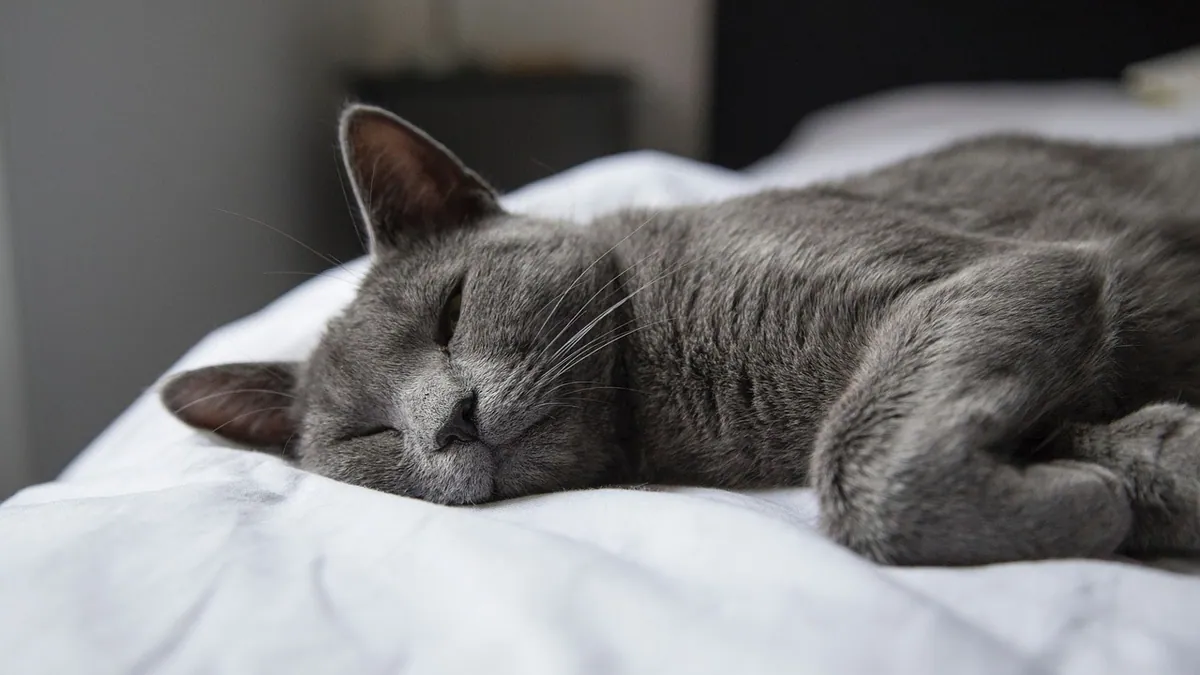
What causes a cat to die suddenly? In most cases, the answer is a serious heart problem, hidden internal disease, poisoning, or trauma. Sometimes a cat dies with no warning signs at all, and the cause stays unknown even after testing [1].
This article is educational and is not a substitute for veterinary diagnosis or treatment.
Quick Answer
- Sudden death in cats is often linked to heart disease, especially hypertrophic cardiomyopathy, which can cause fatal rhythm problems with no prior symptoms [2].
- In one large study of sudden and unexpected deaths, no cause could be found in 37% of cats and dogs even after a full post-mortem exam [1].
- When a cause was identified in cats, trauma and cardiovascular disease were the most common findings [1].
- Hidden bleeding from a tumor, such as a ruptured hemangiosarcoma, can kill a cat quickly with few or no warning signs [3].
- If you have other pets, a veterinary visit or necropsy can help rule out contagious or household hazards that could affect them too.
What "Sudden Death" Means in Cats
Sudden death means a cat was alive and functioning normally, or close to it, and then died within minutes to hours. It is different from euthanasia and different from a long illness that finally takes a cat's life.
Veterinarians use the term "sudden and unexpected death" for cats that had no clear terminal diagnosis before they died [1]. This matters because owners often feel they missed something. In many cases, there was nothing obvious to see.
What Causes a Cat to Just Die Suddenly?
Several categories of disease and injury can cause a cat to die with little warning. The list below covers the most common ones found in veterinary research.
Heart Disease
Hypertrophic cardiomyopathy (HCM) is the most common inherited heart disease in cats [2]. In HCM, the heart muscle thickens, which can lead to congestive heart failure, blood clots that block arteries, and sudden cardiac death [2].
Some cats with HCM never show signs before they collapse and die [2]. Others have a heart murmur that a veterinarian hears during a routine visit. A cat can also develop an abnormal heart rhythm that stops blood flow to the brain and body within seconds.
Other heart tumors and muscle damage can cause sudden death too. One report described a young cat with a rare heart tumor that caused fluid around the heart and lungs and ended in fatal respiratory arrest [4]. Another report described acute heart muscle damage in a cat that already had HCM and had eaten paracetamol (acetaminophen) [5].
Internal Bleeding
A tumor on an organ can bleed without warning. One case report described a cat that died suddenly from a pancreatic hemangiosarcoma, a cancer of blood vessels, that bled into the belly [3]. The cat had severe anemia and blood in the abdominal cavity [3].
Bleeding tumors are uncommon in cats, but when they rupture, there may be no time to get to a vet.
Trauma
Trauma was one of the most common identified causes of sudden death in cats in a multi-center study [1]. This includes being hit by a car, falls from height, dog attacks, and crush injuries. Indoor cats can also be injured by falling objects, doors, or windows.
Poisoning
Cats are very sensitive to some common household products and human medicines. Acetaminophen (Tylenol) is a well-known danger. In one report, a cat with existing heart disease ate paracetamol and quickly developed heart failure signs [5].
Other common toxins include certain plants, antifreeze, rodenticides, and some essential oils. If you suspect poisoning, call the ASPCA Animal Poison Control Center at (888) 426-4435 or the Pet Poison Helpline at (855) 764-7661 right away.
Hidden or Advanced Disease
Some cats live with kidney disease, cancer, or other chronic illness that has not been diagnosed. A crisis such as a blood clot, severe anemia, or organ rupture can cause sudden death. In the Australian study, gastrointestinal disease was a common cause in dogs, and cats had more trauma and heart disease [1].
Unknown Causes
Even after a full necropsy, 37% of sudden deaths in cats and dogs had no identifiable cause [1]. This is the single largest category in the study [1]. That number can be hard to hear, but it shows that sudden death is not always preventable or explainable.
Signs Owners Notice Before or During a Sudden Death
Many cats show no signs at all. When signs do appear, they can include:
- Sudden collapse or weakness
- Labored breathing or open-mouth breathing
- Pale or blue gums
- Howling or crying out
- Vomiting, sometimes with blood
- A distended or painful belly
- Loss of hind leg function, which can signal a blood clot
If your cat is showing any of these signs and is still alive, treat it as an emergency. Call your veterinarian or an emergency clinic immediately.
Some signs overlap with less serious problems. For example, vomiting can have many causes, and it does not always mean something fatal. If your cat is vomiting repeatedly, see Why Is My Cat Vomiting? Common Causes and Red Flags. Sudden behavior changes can also have medical roots, which is covered in Why Is My Cat Suddenly Aggressive? Medical Causes to Rule Out.
Causes and Risk Factors
| Factor | What It Means for Your Cat |
|---|---|
| Age | Older cats are more likely to have heart disease, cancer, and organ failure. In dogs, age was linked to the largest categories of sudden death [1]. |
| Sex | In the Australian study, males outnumbered females, especially in cats [1]. |
| Breed | Some breeds have a higher risk of HCM, though HCM occurs in all cats [2]. |
| Lifestyle | Indoor cats face fewer traumas, but they can still be poisoned or develop hidden disease. |
| Existing disease | Cats with HCM are at higher risk of sudden cardiac death [2]. |
| Access to toxins | Human medicines, plants, and chemicals in the home are common hazards. |
How Veterinarians Diagnose the Cause After a Sudden Death
If your cat has already passed, a veterinarian can perform a necropsy (an animal autopsy) to look for a cause. This is the most reliable way to find out what happened. In the Australian study, necropsy was the tool used to classify causes of sudden death [1].
A necropsy can find heart disease, tumors, bleeding, and trauma [1][3][4]. It cannot always find a cause, and 37% of cases in one study remained unexplained [1].
If you choose not to have a necropsy, your veterinarian may still be able to give you information based on your cat's history, age, and any signs you saw. Blood tests and imaging are not possible after death, so the necropsy is the main option.
For other pets in the home, a veterinary visit is a good idea. Some causes of sudden death, such as poisoning or infectious disease, can affect more than one animal. Your veterinarian can check your other pets and help you remove any hazards.
Treatment Options (If Your Cat Is Still Alive)
If your cat is alive but showing warning signs, emergency treatment may save their life. Treatment depends on the cause.
- Heart disease: Veterinarians may use diuretics, heart medications, and oxygen therapy. In one report, a cat with heart failure improved after diuretics and stopping intravenous fluids [5].
- Bleeding: Surgery and blood transfusions may be needed, but bleeding tumors are often advanced by the time they are found [3].
- Poisoning: Treatment may include decontamination, activated charcoal, and supportive care. Your veterinarian calculates any medication dose based on your cat's weight and health.
- Trauma: Stabilization, pain control, and surgery are common steps.
There is no at-home treatment for a cat in crisis. Do not wait to see if your cat improves on their own.
Recovery, Outlook, and Long-Term Management
If your cat survives a sudden crisis, the outlook depends on the cause. Cats with HCM often need lifelong monitoring and medication [2]. Cats that survive a bleeding tumor may have a guarded prognosis because the cancer can spread [3].
Some cats recover well from poisoning or trauma with prompt care. Your veterinarian will set a follow-up schedule based on your cat's condition.
For cats with heart disease, regular checkups and echocardiograms help track the disease. Your veterinarian may also recommend watching for signs like coughing, rapid breathing, or hiding. These can signal worsening heart failure.
Prevention
You cannot prevent every sudden death, but you can lower some risks.
- Keep cats indoors or in a secure enclosure to reduce trauma.
- Store all human medicines, especially acetaminophen, out of reach [5].
- Keep toxic plants and chemicals away from your cat.
- Schedule routine veterinary visits so hidden heart disease or other problems can be found early.
- Ask your veterinarian about heart screening if your cat has a murmur or a breed linked to HCM [2].
- Know the poison control numbers: ASPCA Animal Poison Control Center at (888) 426-4435 and Pet Poison Helpline at (855) 764-7661.
If your cat has sudden breathing trouble, collapse, or a swollen belly, go to an emergency clinic right away. Do not wait for a regular appointment.
Limitations and When to Contact a Veterinarian
Sudden death in cats is not always preventable, and some causes remain unknown even after a necropsy [1]. Individual cases need a veterinarian to review the details and give you specific guidance.
Contact a veterinarian or emergency clinic immediately if your cat:
- Collapses or cannot stand
- Breathes with an open mouth or struggles to breathe
- Has pale, white, or blue gums
- Vomits blood or has a swollen, painful belly
- Loses the use of a hind leg
- Has a seizure that lasts more than a minute or repeats
Call your regular veterinarian the same day if your cat:
- Is vomiting repeatedly or has diarrhea for more than 24 hours
- Is hiding, not eating, or acting painful
- Has a known heart murmur and new coughing or rapid breathing
Schedule a routine visit if your cat:
- Has not had a checkup in the past year
- Has a new lump or changed behavior
- Lives with another pet that died suddenly
If you have lost a cat suddenly, a necropsy can give you answers and help protect other pets in your home. Ask your veterinarian about the options available in your area.
Frequently Asked Questions
Can a cat die suddenly with no warning?
Yes. Many cats with heart disease show no signs before sudden cardiac death [2]. In one study, 37% of sudden deaths had no cause found even after a full post-mortem exam [1].
What is the most common cause of sudden death in cats?
When a cause is found, cardiovascular disease and trauma are the most common categories in cats [1]. Hypertrophic cardiomyopathy is the most common inherited heart disease in cats and can cause sudden death [2].
Can a cat die suddenly from a blood clot?
Yes. Heart disease can lead to blood clots that block blood flow, and this can be fatal. HCM is a known cause of arterial thromboembolism in cats [2].
Should I get a necropsy if my cat dies suddenly?
A necropsy is the best way to find out what happened [1]. It can also help you know if other pets in your home are at risk. Your veterinarian can explain the process and cost.
Can poison kill a cat quickly?
Yes. Some poisons, including acetaminophen, can cause rapid heart and breathing problems in cats [5]. If you think your cat ate something toxic, call poison control or an emergency vet right away.
Related Articles
- Why Is My Cat Vomiting? Common Causes and Red Flags
- Why Is My Cat Suddenly Aggressive? Medical Causes to Rule Out
- Why Is My Cat Sneezing All Of The Sudden
- Cat Choking Causes
- Why Is My Cat Suddenly Clingy?
- Why Is My Cat Crying at Night?
- My Kitten Died Suddenly: Causes and What to Do Next
- Sudden Collapse in Cats: Causes and What to Do
- Signs Your Cat Is Dying: What to Expect
References
- A Multicentre Epidemiologic Study of Sudden and Unexpected Death in Adult Cats and Dogs in Australia. Veterinary sciences, 2023.
- Unraveling the genetics of feline hypertrophic cardiomyopathy: a multiomics study of 138 cats. G3 (Bethesda, Md.), 2025.
- Hemorrhage and Sudden Death in a Cat with Pancreatic Hemangiosarcoma. Veterinary sciences, 2022.
- Cardiac embryonal rhabdomyosarcoma in a domestic shorthair cat. Topics in companion animal medicine, 2024.
- Presumed acute myocardial damage in a British Shorthair cat with previously diagnosed hypertrophic cardiomyopathy. Irish veterinary journal, 2026.