How to Stop a Dog Nosebleed at Home: Safe Steps
By Dr. Zubair Khalid, DVM, MS, PhD ·
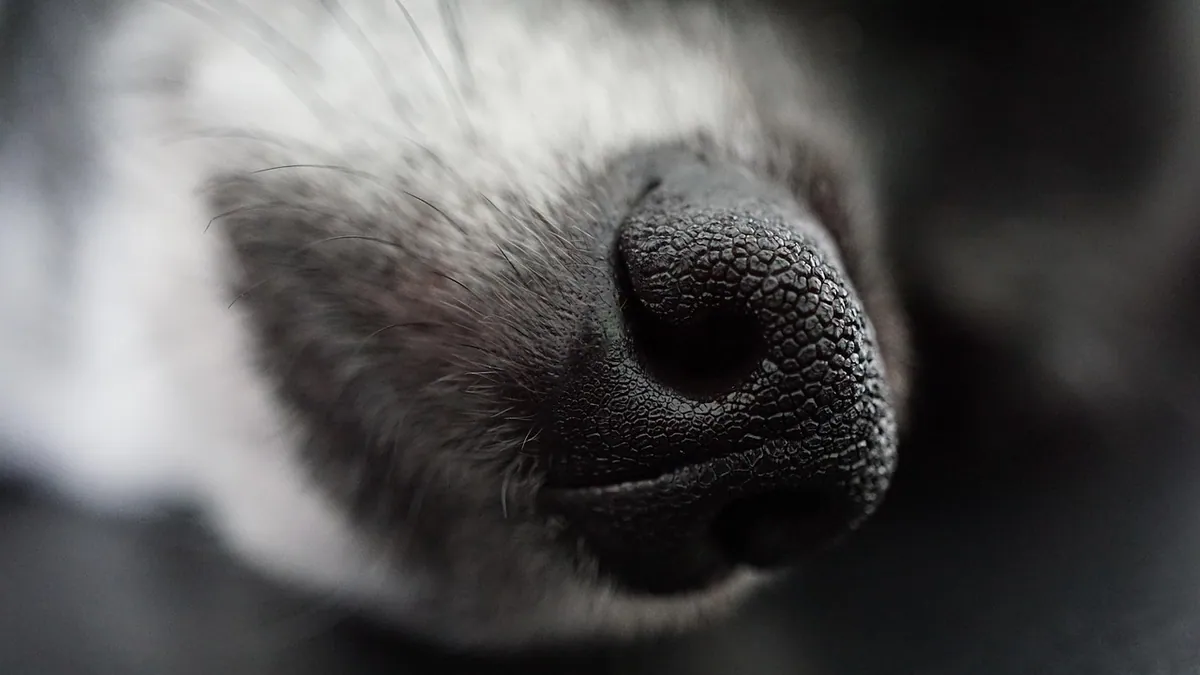
A nosebleed in dogs (epistaxis) often looks worse than it is, and many mild cases can be managed with calm, careful first aid at home. The key is knowing how to stop the bleeding safely, what not to put in your dog's nose, and when the nose bleed in dogs home treatment approach is not enough. This article is educational and is not a substitute for veterinary diagnosis or treatment.
Quick Answer
- Stay calm, keep your dog quiet, and do not let them paw at their nose or shake their head.
- Apply gentle, steady pressure to the outside of the nose (not inside the nostril) with a cold pack wrapped in a cloth for about 10 to 20 minutes without checking early.
- Do not pack the nostril with gauze, cotton, or tissue, and never use human decongestant sprays unless your vet specifically prescribes one.
- A nosebleed that lasts more than a few minutes, comes from both nostrils, or is heavy or repeated needs a veterinarian the same day.
- Bleeding plus trouble breathing, pale gums, collapse, or a nosebleed after trauma is an emergency, so go now.
What a Dog Nosebleed Looks Like and What Is Normal
A nosebleed can show up as a few drips of bright red blood from one nostril, a steady trickle, or blood mixed with mucus or discharge. Some dogs sneeze out blood, and others leave blood spots on bedding or the floor. You may also see your dog licking their nose more than usual or swallowing repeatedly if blood is running down the back of the throat.
A small, one-time bleed from a single nostril after a minor bump or a dry, crusty nose is often not serious. Bleeding that keeps coming back, affects both nostrils, or comes with other signs is a different story. In dogs, epistaxis is a symptom, not a diagnosis, and it can point to problems ranging from a foreign object or infection to a bleeding disorder or a nasal tumor [1][2][3].
Normal nose tissue should be moist and pink, with no swelling, crusting, or discoloration. If you notice color changes, crusting, or a sore on the nose or lip along with the bleeding, that combination deserves a veterinary exam [1].
Main Causes of Nosebleeds in Dogs
Many things can cause a dog's nose to bleed. Some are minor and self-limiting, while others are serious and need testing. The table below groups the common causes with the clues owners tend to notice and how urgent each one usually is.
| Cause | Typical clues | How urgent |
|---|---|---|
| Trauma or a foreign object (grass awn, splinter) | Sudden bleeding after a bump, run, or sniffing outdoors, often one nostril, sneezing | Same-day vet visit if bleeding does not stop quickly |
| Nasal infection or fungal rhinitis | Long-lasting sneezing, thick or bloody discharge, sometimes facial pain or odor | Prompt vet visit, needs testing and treatment [2] |
| Nasal tumor (such as nasal adenocarcinoma) | Slow, one-sided bleeding, sneezing, discharge, sometimes facial swelling or neurologic signs | Prompt vet visit, imaging and biopsy needed [3] |
| Bleeding disorder or blood protein problem | Bleeding from more than one site, pale gums, bruising, weight loss, other illness | Emergency or same-day care [1] |
| Dry nose, irritation, or minor scrape | Small amount of blood, no other signs, dog otherwise bright | Home monitoring, vet if it repeats |
| High blood pressure or other systemic disease | Older dog, repeated bleeds, other health problems | Same-day vet visit |
Some causes are rare but serious. One report described a dog with epistaxis and skin lesions that turned out to have a blood protein abnormality linked to a cancer of plasma cells, and the dog declined quickly despite palliative care [1]. Another report described four dogs with a fungal nasal infection causing sneezing, discharge, and nosebleeds, and all needed procedures to clean and treat the nasal passages [2]. Nasal adenocarcinoma, the most common nasal tumor in dogs, often shows up first as nosebleeds, discharge, and sneezing [3].
The point is not to scare you. It is to show why a nosebleed that keeps happening should never be brushed off as "just a dry nose."
Red Flags That Make It an Emergency
Some nosebleeds need immediate care. Go to an emergency clinic now if you see any of these:
- Bleeding that does not slow after 10 to 20 minutes of steady pressure
- Heavy bleeding, blood pouring or spraying, or blood pooling in the mouth
- Bleeding from both nostrils at the same time
- Pale, white, or blue gums, weakness, wobbling, or collapse
- Trouble breathing, open-mouth breathing, or a swollen face
- A nosebleed after a car accident, fall, bite, or other trauma
- Bleeding that will not stop and your dog takes a blood thinner or has a known bleeding problem
- Vomiting blood, black tarry stool, or bleeding from other places like the gums or rectum
If your dog is bleeding and you are not sure whether it counts as an emergency, our guide on Dog Bleeding from Nose: Emergency or Not? walks through the decision step by step.
Safe Nose Bleed in Dogs Home Treatment Steps
These steps are for a mild, one-sided bleed in a dog who is otherwise bright, breathing normally, and not showing any red flags. If any red flag is present, skip ahead and call your vet or an emergency hospital.
Step 1: Keep your dog calm and still
Stress raises blood pressure and makes bleeding worse. Speak softly, keep the room quiet, and stop other pets or kids from crowding your dog. Do not let your dog shake their head, rub their nose on the floor, or paw at it.
Step 2: Use gentle pressure on the outside of the nose
Wrap a cold pack or a bag of frozen peas in a thin towel and hold it against the top of the nose, over the bridge, with light steady pressure. In a study of goats with nasal bleeding, a device that applied cooling and compression to the bridge of the nose shortened bleeding time compared with manual compression alone [4]. That supports what vets already do in practice: cold plus gentle pressure on the outside of the nose can help.
Hold for a full 10 to 20 minutes without lifting to peek. Checking every minute restarts the clock and can pull off a forming clot.
Step 3: Do not pack the nostril
Do not push gauze, cotton balls, tissues, or paper towels into the nostril. You can injure the delicate lining, push a foreign object deeper, or leave fibers behind that cause more bleeding and infection. Let the blood drain out instead of blocking it.
Step 4: Skip risky home remedies
A few "home remedies for dog nose bleeding" that circulate online can do harm:
- Human decongestant nasal sprays: These are not for routine home use in dogs. One specific drug, xylometazoline hydrochloride 0.1%, was studied in dogs having nose surgery and reduced bleeding compared with saline [5], but that was a controlled surgical setting with a veterinarian choosing the drug and dose. Never grab a human spray and use it on your dog.
- Hydrogen peroxide, alcohol, or witch hazel in the nose: These irritate tissue and can make bleeding worse.
- Ice directly on the skin: Always wrap cold packs in a cloth to avoid cold injury.
- Aspirin or other pain relievers: Some human pain drugs increase bleeding or are toxic to dogs. Do not give any medication without asking your vet.
If your dog is anxious, a quiet, dark room and a favorite blanket can help more than any product.
Step 5: Watch closely afterward
For the next few hours, keep your dog quiet. No hard play, no running, no head shaking, and no digging. Offer water in small amounts. If the bleeding starts again, repeat the pressure step and call your vet.
What the Veterinarian Will Check and Test
When you bring your dog in for a nosebleed, your vet will start with a full physical exam, including the mouth, gums, and both nostrils. They will ask about how long the bleeding lasted, which nostril, how often it happens, and any other signs like sneezing, discharge, weight loss, or appetite changes.
Testing often includes:
- Blood work, including a complete blood count and a chemistry panel, to look for anemia, low platelets, organ problems, or abnormal proteins [1]
- A blood smear, sometimes checked at room temperature and after warming, to look for unusual proteins that clump in the cold [1]
- Clotting tests if a bleeding disorder is suspected
- Blood pressure measurement, since high blood pressure can cause nosebleeds
- Imaging such as CT to look inside the nasal passages and check for masses, fungal disease, or destruction of the nasal tissue [2][3]
- Endoscopy and biopsy if a mass, fungal plaque, or abnormal tissue is found [2][3]
Treatment depends on the cause. Options range from medications and nasal treatments to procedures that clean and treat the nasal passages, and in some cases surgery, radiation, immunotherapy, or targeted therapy for tumors [2][3]. Your vet will explain what fits your dog's case.
Prevention and Monitoring
You cannot prevent every nosebleed, but you can lower the odds and catch problems early.
- Keep your dog's nose clean and moisturized with a vet-approved product if it tends to be dry and crusty.
- Use a harness instead of a collar for walks if your dog pulls, since pressure on the neck and head can worsen some nasal issues.
- Avoid letting your dog root through tall dry grass where foxtails and other foreign objects hide.
- Keep up with routine wellness visits, especially for older dogs, so high blood pressure and other conditions get caught early.
- Track every nosebleed in a note on your phone: date, time, which nostril, how long it lasted, and anything else you noticed. This history helps your vet a lot.
If your dog has other bleeding or digestive issues, our guides on How To Stop Dog Diarrhea At Home and How To Treat Dog Bloody Diarrhea At Home cover similar at-home decision making for a different symptom.
Limitations and When to Contact a Veterinarian
Home care has real limits. You can manage a mild, brief, one-sided nosebleed, but you cannot diagnose the cause, and some causes get worse without treatment. Contact a veterinarian the same day if the bleeding lasts more than a few minutes, stops and starts again, comes from both nostrils, or your dog has any other symptom like sneezing, discharge, weight loss, or a change in appetite.
Go to an emergency clinic right away for heavy or nonstop bleeding, pale gums, weakness, collapse, trouble breathing, bleeding from other sites, or a nosebleed after trauma.
Schedule a routine visit if your dog has had more than one nosebleed in a month, even if each one stopped quickly. Recurring bleeds deserve a workup.
Every dog is different, and individual cases need a veterinarian who can examine your dog and run the right tests. When in doubt, call your vet's office and describe what you saw. They can tell you whether to come in now, come in today, or watch at home.
Frequently Asked Questions
Can I use ice on my dog's nose to stop a nosebleed?
Yes, but always wrap the cold pack in a thin cloth first and hold it against the outside of the nose, never inside the nostril. Cooling plus gentle pressure on the bridge of the nose helped slow nasal bleeding in an animal study [4]. Hold it steady for 10 to 20 minutes without checking early.
Is a dog nosebleed ever normal?
A single, brief, light bleed from one nostril after a minor bump or dry weather can be harmless. Repeated bleeds, bleeding from both nostrils, or bleeding with sneezing, discharge, or weight loss are not normal and need a vet visit [2][3]. Keep a log so your vet can see the pattern.
What should I never put in my dog's nose?
Never put human decongestant sprays, hydrogen peroxide, alcohol, or essential oils in your dog's nose. A prescription nasal drug was shown to reduce surgical bleeding in dogs in a controlled study [5], but that does not mean an over-the-counter human product is safe at home. Let your vet choose any medication and calculate the dose.
How long should I apply pressure before calling the vet?
Apply steady pressure for a full 10 to 20 minutes. If the bleeding has not clearly slowed by then, or if it stops and restarts, call your vet or an emergency clinic. Do not keep repeating pressure for an hour at home while your dog gets weaker.
Could a nosebleed mean cancer in my dog?
It can, though most nosebleeds have other causes. Nasal adenocarcinoma is the most common nasal tumor in dogs and often first shows up as nosebleeds, discharge, and sneezing [3]. A tumor is one reason recurring one-sided bleeding needs imaging and possibly a biopsy instead of home monitoring.
Related Articles
- Dog Bleeding from Nose: Emergency or Not?
- Dog Hot Spot Home Treatment: Safe Steps and When to See a Vet
- How To Stop Dog Diarrhea At Home
- How To Treat Dog Bloody Diarrhea At Home
- How To Stop A Dog's Diarrhea At Home
- How To Stop Dog Diarrhea Pets At Home
- Dog's Quick Exposed: What to Do and How to Stop Bleeding
- Nosebleeds in Dogs with Cushing's Disease
- How to Help a Dog in Pain at Home: Safe Steps Before the Vet
References
- Cryoglobulinemia Associated With Multiple Myeloma in a Dog Presenting With Epistaxis and Skin Lesions. Veterinary medicine and science, 2024.
- Scedosporium spp. rhinitis in 4 dogs from Northern California. Medical mycology case reports, 2026.
- Complete Response to the Combination of Immunotherapy and Targeted Therapy in Stage IV Nasal Adenocarcinoma of a Dog: A Case Report. Veterinary medicine and science, 2026.
- A goat experimental epistaxis model: Hemostatic effect of stop nosebleeds device. PloS one, 2025.
- Intranasal xylometazoline hydrochloride to reduce intraoperative nasal hemorrhage in dogs undergoing ala-vestibuloplasty for BOAS: A prospective, randomized study. Veterinary surgery : VS, 2026.