Vaseline for Cat Constipation: Does It Actually Work?
By Dr. Zubair Khalid, DVM, MS, PhD ·
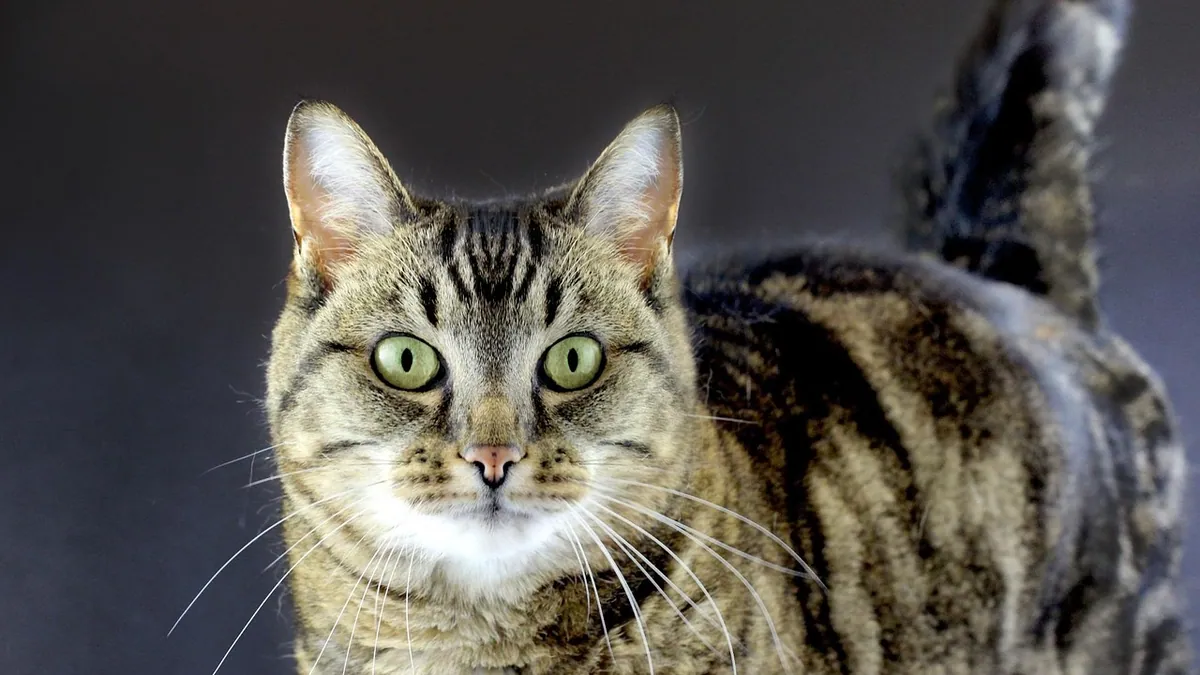
Vaseline for cats constipation is a common home remedy, and the short answer is that it usually does not work well and is not a good first choice. Petroleum jelly slides past most of the stool in the colon without softening it, and cats can inhale or swallow it in ways that cause problems. Safe, vet-guided options exist, and they work far better.
This article is educational and is not a substitute for veterinary diagnosis or treatment.
Quick Answer
- Vaseline is not a reliable laxative for cats. It coats stool instead of drawing water into it, so hard, dry feces often stay hard.
- Never give human laxatives, mineral oil, or petroleum jelly by mouth without asking your vet first. Some products are toxic to cats or cause aspiration pneumonia.
- A vet-formulated polyethylene glycol electrolyte solution has been used successfully to resolve both acute fecal impaction and chronic constipation in a cat [1].
- A psyllium-enriched gastrointestinal diet improved chronic constipation management in a controlled 6-month trial of client-owned cats [2].
- If your cat has not defecated in 2 or more days, is straining with nothing coming out, or is vomiting, call your vet the same day.
Does Vaseline for Cats Constipation Actually Work?
Petroleum jelly is a lubricant, not a stool softener. When a cat swallows it, most of it passes through the digestive tract without being absorbed, and it may coat the surface of feces. That coating does not pull water into the colon, which is what hard stool actually needs. The result is that Vaseline often does nothing for the underlying problem.
There is also a real safety concern. Oily or greasy substances given by mouth can be inhaled into the lungs if a cat gags, vomits, or fights the dose. That can cause a serious form of pneumonia. Because cats are small and sensitive to oral oils, veterinarians rarely reach for petroleum jelly when safer, better-studied options are available.
If you are wondering "can I give my cat Vaseline for constipation," the honest answer is that it is not a remedy most veterinarians recommend. Call your vet instead and ask what is appropriate for your cat's weight, age, and health history.
What Veterinarians Use Instead
Vets treat constipation with a stepwise plan. The goal is to soften stool, keep it moving, and fix the reason it got hard in the first place.
Osmotic laxatives
Polyethylene glycol (PEG) draws water into the colon and softens stool. In one reported case, a polyethylene glycol electrolyte solution given through an esophageal feeding tube rapidly resolved a severe fecal impaction and later managed the cat's chronic constipation long term [1]. This is a prescription-level decision. Your vet calculates the dose from your cat's weight and health, and the product and route matter.
Fiber and diet changes
Fiber can help many constipated cats, but the type and amount matter. A controlled 6-month trial found that a gastrointestinal diet containing 6% psyllium was effective for managing chronic constipation in cats compared with a lower-psyllium control diet [2]. If your cat has chronic constipation, ask your vet whether a therapeutic fiber diet is right for your cat.
Probiotics
Probiotics are an emerging option, mainly studied in young cats. A study of kittens found a significantly lower rate of constipation in the group receiving a complex probiotic formulation compared with controls [3]. This does not prove probiotics fix every constipated adult cat, but it is a reasonable topic to raise with your vet.
Prescription motility and other drugs
Some cats need medications that help the colon contract or that address pain and inflammation. These are prescribed based on exam findings and sometimes imaging. Your vet sets the drug and dose for your individual cat.
For a broader look at what works at home, see Cat Constipation Remedies.
Step-by-Step: What to Do When Your Cat Is Constipated
- Check the litter box for 24 hours. Count stools and note size, hardness, and whether your cat strains. A smart litter box monitor can help you track defecation patterns objectively, which is useful because cats with chronic kidney disease defecate less often than healthy cats [4].
- Look at your cat, not just the box. A cat who crouches, cries, or licks the rear end repeatedly needs a vet visit.
- Stop any home laxative you started. Do not add more Vaseline, oil, or human laxatives.
- Offer water in more places. Add extra bowls, a fountain, or wet food if your vet approves a diet change.
- Call your vet with specifics. Report how many days since the last stool, what you have tried, and any vomiting or appetite loss.
- Follow the plan exactly. If your vet prescribes a laxative or a therapeutic diet, give it as directed and track results.
- Recheck if nothing changes in 24 to 48 hours. Worsening signs need same-day care.
If your cat is straining and you are not sure whether it is constipation or a urinary blockage, read Cat Straining to Poop: Constipation or Something Worse?. Urinary blockages are emergencies, especially in male cats.
Comparison Table: Vaseline vs. Vet-Recommended Options
| Option | How it works | Evidence level | Main risk |
|---|---|---|---|
| Vaseline (petroleum jelly) | Lubricates stool surface | Not well established for cats | Aspiration, poor results |
| PEG electrolyte solution | Draws water into colon | Reported success in impaction and chronic constipation [1] | Needs vet dosing and monitoring |
| Psyllium-enriched diet | Adds soluble fiber, softens stool | Effective in a 6-month controlled trial [2] | Some cats need gradual transition |
| Probiotics | Shifts gut bacteria | Lower constipation rate in kittens [3] | Product quality varies |
| Prescription motility drugs | Helps colon contract | Used in vet practice | Requires exam and follow-up |
A Simple Daily Checklist
- Fresh water available in at least two spots.
- One stool logged per day (or note if none).
- Appetite and energy noted.
- Any straining, crying, or licking recorded.
- Medication or diet given on schedule.
- Weight checked weekly if your vet asks.
Signs That Something Is Wrong
Constipation can look mild at first and then become an emergency. Watch for these signs.
- No stool for 2 or more days.
- Straining in the box with nothing or only small hard pellets produced.
- Vomiting, especially after eating.
- Not eating or drinking.
- Hiding, pacing, or crying.
- A swollen, painful belly.
- Drooling or open-mouth breathing (this is an emergency).
Cats with chronic kidney disease are at higher risk for constipation and may go more days without defecating than healthy cats [4]. If your cat has kidney disease, keep a closer eye on the litter box.
Long-standing constipation can lead to megacolon, a stretched, poorly functioning colon. A study of cats with idiopathic megacolon found that cats with clinical signs lasting 6 months or longer were much less likely to respond to medical treatment, with most undergoing surgery [5]. That is a strong reason to treat constipation early instead of waiting.
For help deciding how serious your cat's signs are, see Cat Constipation: How to Tell If It's Serious.
Common Mistakes Owners Make
- Giving Vaseline or mineral oil by mouth. These can be inhaled and cause pneumonia. They also rarely fix hard stool.
- Using human laxatives. Some contain ingredients that are unsafe for cats. Never guess.
- Waiting too long. Constipation that lasts months can cause irreversible colon damage [5].
- Changing diet suddenly. Fiber changes should be gradual and vet-guided.
- Ignoring dehydration. Hard stool often starts with low water intake.
- Skipping the vet exam. The cause matters. Hairballs, diet, kidney disease, pain, and colon motility problems need different plans.
- Stopping treatment too soon. Chronic constipation often needs ongoing management, not a one-time fix.
If you want a clear plan for the first 24 hours, read Cat Constipation: What Should You Do?.
Supplies and Setup That Matter
- Two or more water sources. Cats often drink more from wide bowls or fountains.
- A litter box for every cat plus one. More boxes mean less holding it in.
- Low-sided boxes for older cats. Arthritis can make climbing in painful.
- A stool log or app. Objective tracking helps your vet.
- A pet scale. Weight loss is an early warning sign.
- A vet-approved fiber or diet. Do not mix random supplements.
- A pill organizer or reminder. Missed doses set treatment back.
Limitations and When to Contact a Veterinarian
Vaseline is not a proven constipation treatment for cats, and it carries real risks. Even safe options like PEG, psyllium diets, and probiotics need a veterinarian to match the right plan to your cat. Individual cases need a veterinarian, because the cause of constipation changes the treatment.
Call your vet the same day if:
- Your cat has not pooped in 2 or more days.
- Your cat is straining and crying.
- Your cat is vomiting or not eating.
- You see blood or mucus in the stool.
- Your cat has kidney disease or a history of megacolon.
Go to an emergency clinic now if:
- Your cat is open-mouth breathing or struggling to breathe.
- Your cat is collapsed, weak, or unresponsive.
- Your cat is a male cat straining to urinate with no urine produced.
- Your cat has a hard, distended, painful abdomen.
Schedule a routine visit if:
- Constipation keeps coming back.
- Your cat needs a diet or medication adjustment.
- You want to discuss fiber, probiotics, or prescription options.
For safe home options and red flags, see Cat Constipation: Safe Home Remedies and When to See the Vet.
Frequently Asked Questions
Can I give my cat Vaseline for constipation?
It is not recommended. Vaseline does not soften stool effectively, and giving oils by mouth can lead to inhalation and pneumonia. Call your vet for a safer option.
How long can a cat go without pooping before it is an emergency?
Two days without a stool is a reason to call your vet. If your cat is also vomiting, not eating, or straining with nothing coming out, treat it as urgent.
What can I give my cat for constipation at home?
Only give what your vet approves. A psyllium-enriched diet helped cats with chronic constipation in a controlled trial [2], and probiotics reduced constipation in kittens [3]. Do not use human laxatives or oils without guidance.
Is mineral oil safer than Vaseline for cats?
No. Mineral oil has the same aspiration risk as Vaseline and is not a recommended home remedy. Your vet can choose a safer laxative and calculate the dose for your cat.
When should I stop home remedies and see a vet?
Stop home remedies if there is no improvement in 24 to 48 hours, or sooner if your cat vomits, stops eating, or seems painful. Long-standing constipation can become harder to treat over time [5].
Related Articles
- Cat Constipation: How to Tell If It's Serious
- Cat Constipation Remedies
- Cat Straining to Poop: Constipation or Something Worse?
- Cat Constipation: What Should You Do?
- Cat Constipation: Safe Home Remedies and When to See the Vet
- Cat Constipation After Surgery: What to Expect and How to Help
- Is Vaseline Safe for Cats? Nose, Eyes, Wounds, and Skin
- Lactulose for Cats: Constipation Relief and How to Give It
- Cat Fiber and Laxatives: Safe Ways to Relieve Constipation
References
- Use of polyethylene glycolelectrolyte solution (GoLYTELY) for management of acute fecal impaction and chronic constipation in a cat. The Canadian veterinary journal = La revue veterinaire canadienne, 2026.
- A psyllium-supplemented gastrointestinal diet is effective for the management of chronic constipation in cats: a 6-month controlled clinical trial. Journal of feline medicine and surgery, 2026.
- Complex Probiotics Relieve Constipation Through Regulation of the Intestinal Microbiota in Kittens. Microorganisms, 2025.
- Quantification of defecation frequency in cats with and without chronic kidney disease. Journal of feline medicine and surgery, 2025.
- Use of radiographic and histologic scores to evaluate cats with idiopathic megacolon grouped based on the duration of their clinical signs. Frontiers in veterinary science, 2022.