Dog Throwing Up in Mouth and Swallowing: What It Means
By Dr. Zubair Khalid, DVM, MS, PhD ·
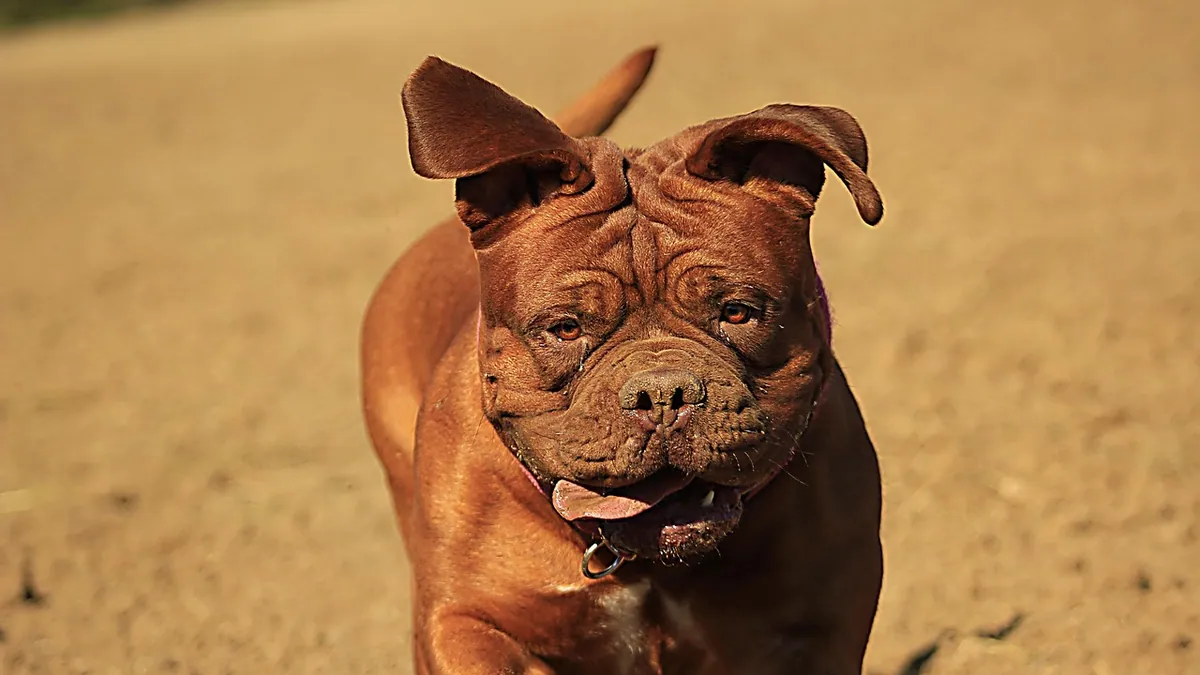
If your dog is throwing up in the mouth and swallowing it back down, you are most likely seeing regurgitation. That means food or fluid comes up from the esophagus with little or no effort, and your dog may swallow it again before it ever hits the floor. This pattern looks different from true vomiting, and the difference matters when you talk to your veterinarian.
This article is educational and is not a substitute for veterinary diagnosis or treatment.
Quick Answer
- Regurgitation is passive. Food or liquid slides up and often comes back as a tube shape that matches the esophagus. Vomiting is active and involves retching, drooling, and belly contractions [1].
- Occasional regurgitation after a fast meal or a big drink of water can be minor. Repeated episodes, especially with weight loss or coughing, need a workup.
- Megaesophagus, reflux, and esophageal narrowing are common reasons dogs bring food up and swallow it again [2][3].
- Never force food or water if your dog is struggling to keep anything down. Offer small amounts and watch closely.
- Call your vet the same day if regurgitation happens more than once or twice, or if your dog seems uncomfortable.
What Regurgitation Looks Like and What Is Normal
Regurgitation is a passive motion. The food and fluid come up without the abdominal pushing and diaphragm contractions that mark vomiting [1]. Your dog may lower the head, open the mouth, and let a soft tube of undigested food slide out. Then your dog may swallow it right back.
True vomiting is different. It usually comes with nausea, heavy drooling, retching, and strong belly contractions [1]. The material often looks partly digested and may be yellow or brown. If you are seeing yellow fluid instead of food, that points toward a different problem, and you can read more about it in What Does A Dog Throwing Up Yellow Mean.
Some regurgitation is normal-ish. A dog that wolfs down a meal and then bounces around may bring a little back up. A dog that drinks a large bowl of water fast can do the same. One episode after a rushed meal, with a happy dog afterward, is usually not an emergency.
The pattern to watch is repetition. If your dog regurgitates most meals, loses weight, or coughs after eating, that is not normal. Coughing and trouble breathing are more often tied to regurgitation than to vomiting [1]. That is a clue that the esophagus, not the stomach, is the problem.
Main Causes of a Dog Bringing Food Up and Swallowing
The causes range from mild to serious. Here is a quick guide.
| Cause | Typical clues | How urgent |
|---|---|---|
| Gastroesophageal reflux | Regurgitation after meals, drooling, discomfort, often tied to anesthesia or opioids | See your vet soon |
| Megaesophagus | Chronic regurgitation, tube-shaped food, weight loss, coughing, aspiration risk | Same-day or urgent visit |
| Esophageal narrowing or stricture | Regurgitation of solid food, trouble swallowing, gradual worsening | See your vet soon |
| Esophageal infection (such as Candida) | Chronic regurgitation in a dog already diagnosed with megaesophagus | Needs veterinary workup |
| Gastroesophageal intussusception | Regurgitation in a very young puppy, often severe | Emergency |
| Fast eating or drinking | One episode, dog otherwise bright and playful | Monitor at home |
| Tick paralysis (in affected regions) | Regurgitation plus weakness, wobbliness, breathing trouble | Emergency |
Gastroesophageal Reflux
Reflux happens when the lower esophageal sphincter relaxes and stomach contents move up into the esophagus. This is common during anesthesia and surgery. In one study of dogs having mastectomy under opioid-based protocols, reflux was seen in all 12 dogs during endoscopic monitoring, with 58% mild and 42% severe [3]. That does not mean your dog has reflux at home, but it shows how often the sphincter can open under certain conditions.
At home, reflux can cause regurgitation, drooling, and a sour smell. Some dogs lick the floor or swallow repeatedly. If that sounds familiar, see Dog Licking Floor and Vomiting: What Does It Mean?.
Megaesophagus
Megaesophagus is a stretched, weak esophagus that cannot push food down to the stomach. Food sits there and then slides back up. Dogs with megaesophagus often regurgitate undigested food in a tube shape and may lose weight. They are also at risk for aspiration pneumonia when food or fluid goes down the wrong pipe.
A recent case report described two dogs with chronic regurgitation and diffuse megaesophagus. Both had esophageal candidiasis, a fungal infection of the esophagus, found on endoscopy. Treatment with fluconazole led to improvement or resolution [2]. This is a reminder that megaesophagus can have treatable complications, and a dog that stops responding to usual management may need a closer look [2].
Esophageal Narrowing and Other Blockages
Scar tissue, tumors, or foreign objects can narrow the esophagus. Food gets stuck, then comes back up. A rare but serious problem is gastroesophageal intussusception, where part of the stomach slides into the esophagus. One case involved a 19-day-old puppy with four days of regurgitation. Surgery was needed, and imaging later showed the megaesophagus improved and esophageal motility recovered over months [4]. This is an emergency.
Tick Paralysis
In regions where tick paralysis occurs, regurgitation and vomiting are recognized signs. A 2025 study reported on dogs with tick paralysis and looked at how often vomiting and regurgitation happened and how they related to breathing problems and survival [5]. A separate pilot study found dogs with tick paralysis had lower stomach, duodenal, and jejunal contraction frequencies than healthy dogs [6]. In plain terms, the gut slows down, and that can push food the wrong way. If your dog is weak, wobbly, or having trouble breathing, this is an emergency.
Red Flags That Make It an Emergency
Call an emergency clinic right away if you see any of these:
- Trouble breathing, noisy breathing, or blue gums
- Repeated regurgitation with a bloated or painful belly
- Regurgitation after eating a toy, bone, or foreign object
- Weakness, collapse, or inability to stand
- A puppy under a few weeks old with regurgitation
- Regurgitation with a fever or severe lethargy
- Any sign of aspiration, such as coughing, gagging, or rattling breath after eating
Regurgitation itself is not always an emergency, but the complications can be. Aspiration pneumonia is the big one. Food or fluid that goes into the airway can cause infection, and that can become life threatening fast.
Safe Things You Can Do at Home While Waiting
You cannot diagnose this at home, but you can keep your dog safer until the vet visit.
Adjust How You Feed
Offer small meals more often instead of one big bowl. Raise the food bowl if your vet has recommended it for your dog. Keep your dog calm and upright for a while after eating. Do not let your dog gulp water. Offer small amounts and pause.
Track the Pattern
Write down what comes up, when it happens, and what it looks like. Note whether it is right after eating, hours later, or random. Note whether your dog retches or not. This information helps your vet tell regurgitation from vomiting [1].
Do Not Force It
Do not push food or water if your dog is struggling. Do not give human antacids or anti-nausea drugs unless your veterinarian tells you to. The dose depends on your dog's weight and health, and your vet calculates it for your pet.
Watch for Breathing Changes
Check your dog's breathing at rest. If it gets faster, louder, or labored, go to the vet. Coughing after eating is a warning sign [1].
If your dog is also licking lips and acting nauseated, Dog Vomiting and Licking Lips: What It Means and What to Do covers that pattern in more detail.
What Your Veterinarian Will Check and Test
Your vet starts with the history. When does it happen? What does it look like? Does your dog retch? That alone often separates regurgitation from vomiting [1].
Next comes the physical exam. Your vet will check hydration, weight, breathing, and nerve function. They may watch your dog eat or drink.
Common tests include:
- Blood work to check organ function and look for underlying disease
- Chest X-rays to look for megaesophagus, aspiration pneumonia, or masses
- Fluoroscopy to watch the esophagus move in real time, which helped assess recovery in the puppy with gastroesophageal intussusception [4]
- Endoscopy to look inside the esophagus, which is how the Candida cases were diagnosed [2]
- Ultrasound to check gut motility, which was used in the tick paralysis study [6]
Your vet may also check for tick paralysis if you live in or have traveled to an affected area [5]. Treatment depends on the cause. Reflux may be managed with diet changes and medication. Megaesophagus needs feeding management and sometimes medication. Infections need specific treatment, as with the fluconazole used in the Candida cases [2]. Surgery may be needed for structural problems [4].
Prevention and Monitoring
You cannot prevent every cause, but you can lower some risks.
Feed smaller meals. Slow down fast eaters. Keep your dog at a healthy weight. Avoid table scraps that trigger stomach upset. Use tick prevention if you live where tick paralysis occurs [5].
If your dog has megaesophagus, follow your vet's feeding plan closely. Watch for coughing, fever, or trouble breathing, since those can signal aspiration pneumonia. If your dog was doing well and then gets worse, that is a reason to call your vet. The Candida report specifically recommends considering endoscopy in dogs with megaesophagus that fail to improve or get worse on medical management [2].
Keep a simple log of episodes. Bring it to every visit. Patterns over time are more useful than any single event.
Limitations and When to Contact a Veterinarian
This article cannot tell you what is wrong with your dog. Only your veterinarian can do that after an exam and testing. Individual cases need a veterinarian.
Call the same day if your dog regurgitates more than once or twice, if it happens with most meals, if your dog is losing weight, or if you see coughing after eating.
Go to an emergency clinic now if your dog has trouble breathing, collapses, has a painful or bloated belly, or regurgitates after eating something that could be a foreign object.
Schedule a routine visit if the episodes are mild and occasional but keep happening. Your vet can decide whether testing is needed.
Frequently Asked Questions
Is it bad if my dog throws up in its mouth and swallows it?
Not always, but it depends on how often it happens. A single episode after a fast meal is usually minor. Repeated episodes, weight loss, or coughing after eating point to a problem that needs a veterinary workup.
How can I tell regurgitation from vomiting?
Regurgitation is passive and often brings up undigested, tube-shaped food with no retching. Vomiting is active and comes with drooling, nausea, and belly contractions [1]. Coughing and breathing trouble are more common with regurgitation [1].
Does megaesophagus always cause regurgitation?
Megaesophagus commonly causes chronic regurgitation, and it can have treatable complications. In one report, two dogs with megaesophagus also had esophageal candidiasis, and treatment improved or resolved the infection [2]. If your dog's signs change or worsen, ask your vet about further testing.
Can reflux in dogs cause this without any other signs?
Reflux can happen with few obvious signs, and it is common under anesthesia. In one study, all 12 dogs monitored during mastectomy had reflux, with 58% mild and 42% severe [3]. At home, reflux may show up as regurgitation, drooling, or repeated swallowing.
When should I worry about my dog bringing food up and swallowing?
Worry if it happens often, if your dog is losing weight, or if you see coughing, trouble breathing, or weakness. Those signs mean you should contact your veterinarian promptly. A puppy with regurgitation should be seen right away because some causes are life threatening [4].
Related Articles
- Dog Vomiting and Licking Lips: What It Means and What to Do
- What Does A Dog Throwing Up Yellow Mean
- When Dogs Throw Up Yellow What Does That Mean
- Dog Throw Up Yellow Meaning
- Dog Licking Floor and Vomiting: What Does It Mean?
- Dog Vomiting Bile And Undigested Food
- Why Is My Dog Throwing Up? Causes and When to Worry
- Dog Throwing Up Saliva: Causes and When to Worry
- Dog Vomiting and Lethargic: When It Is an Emergency
References
- Vomiting in Dogs - Dog Owners. Merck Veterinary Manual.
- Esophageal Candidiasis in Two Dogs With Megaesophagus: A Case Report. Journal of veterinary internal medicine, 2025.
- Intraoperative gastroesophageal reflux in dogs undergoing mastectomy under opioid-based protocols: a preliminary endoscopic study. Veterinary research communications, 2026.
- Postoperative improvement of megaesophagus and esophageal motility in a 19-day-old puppy with gastroesophageal intussusception. The Journal of veterinary medical science, 2021.
- Prevalence and significance of vomiting and regurgitation in dogs with tick paralysis caused by Ixodes holocylus. Australian veterinary journal, 2025.
- Ultrasonographic evidence of gastrointestinal hypomotility in dogs with tick paralysis (Ixodes holocyclus): a prospective pilot study. Australian veterinary journal, 2026.