Dog Pee Color Chart: What Normal Urine Looks Like
By Dr. Zubair Khalid, DVM, MS, PhD ·
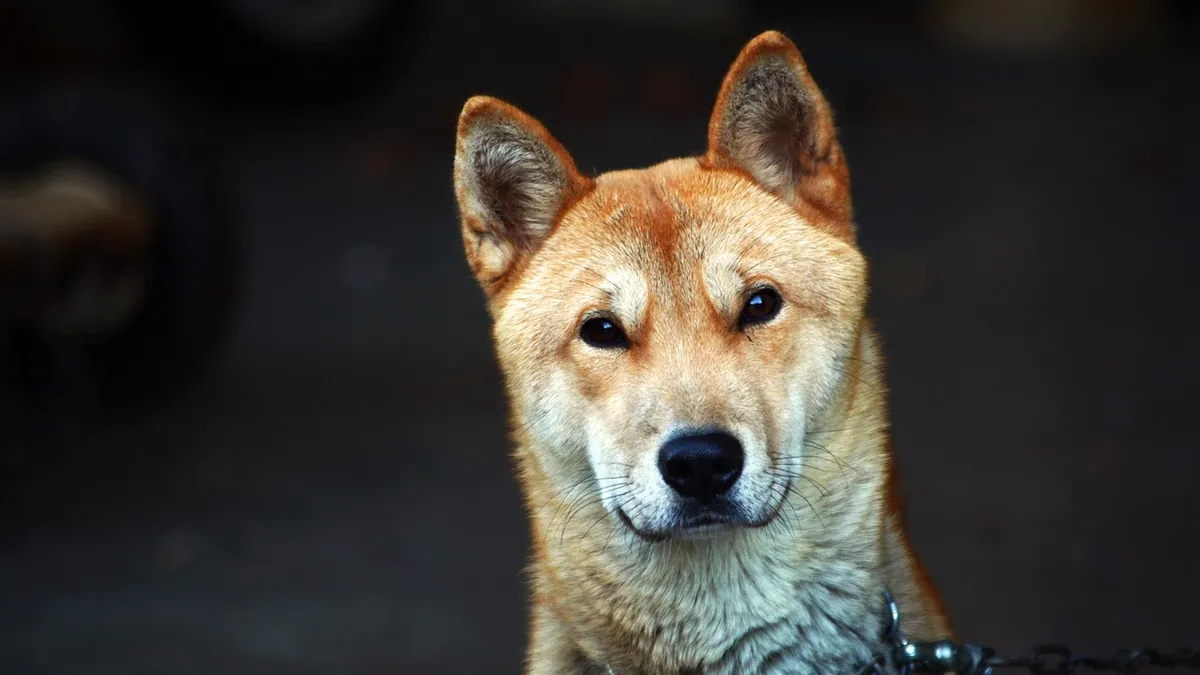
Dog pee color meaning comes down to one simple rule: normal dog urine is usually pale yellow to amber, and it should be clear enough to see through. Shades of yellow that stay in that range are typically fine. Colors outside that range, such as brown, red, black, or orange, can point to problems that need a veterinarian.
This article is educational and is not a substitute for veterinary diagnosis or treatment.
Quick Answer
- Pale yellow to amber is the normal range for dog urine. A little darker in the morning or after hard play is common and usually harmless.
- Clear, almost colorless urine often means your dog is drinking and urinating more than usual, which is worth mentioning to your vet.
- Red, pink, brown, or black urine can mean blood or breakdown products in the urine and should be checked promptly.
- Color alone does not diagnose anything. Your vet combines the color with a urinalysis, an exam, and your dog's history [1].
- Bring a fresh urine sample to the visit if you can. It speeds up testing and often saves a second trip.
What Normal Dog Urine Looks Like
The urinary system includes the kidneys, the ureters, the bladder, and the urethra [2]. It removes waste from the body, balances water and electrolytes, produces hormones that help control blood pressure and red blood cell production, and processes vitamin D [2]. Urine is the end product of all that work, so its color is a window into how the system is running.
Normal urine gets its yellow color from pigments the body makes when it breaks down old red blood cells. How concentrated the urine is changes the shade. A well-hydrated dog usually makes pale yellow urine. A dog who has not had water for a while may make darker amber urine, and that is often normal too.
What color should dog pee be?
Think of a range, not one exact shade. Pale yellow, light gold, and amber are all normal. The urine should look transparent, not cloudy, and it should not have a strong ammonia or sweet smell.
Some normal variation is expected:
- First pee of the morning is often the darkest.
- After a long drink or a big meal, urine may look almost clear.
- After intense exercise or a hot day, urine may be a deeper gold.
What is not normal
Cloudy urine, urine with visible blood, or urine that leaves a strong or unusual odor is not normal. So is a sudden, lasting change in color when nothing else about your dog's routine has changed.
If your dog is also having accidents indoors, that can be a separate clue. Our guide to a Dog Potty Training Chart can help you tell a training issue from a medical one.
Dog Pee Color Meaning: A Color-by-Color Guide
Use this chart as a starting point. It cannot replace a urinalysis, but it helps you decide how quickly to act.
| Color | What it often means | What to do |
|---|---|---|
| Pale yellow to amber | Normal, well-hydrated | No action needed |
| Clear or colorless | Drinking and urinating more than usual, or dilute urine | Mention it to your vet if it lasts more than a day or two |
| Bright or dark yellow | Concentrated urine from low water intake | Offer fresh water, watch for other signs |
| Orange | Concentrated urine, or pigments from food or medication | Call your vet if it persists |
| Pink or red | Blood in the urine (hematuria) | Call your vet the same day |
| Brown or tea-colored | Blood breakdown products, muscle breakdown, or liver issues | Call your vet the same day |
| Black | Rare, can mean serious blood or pigment problems | Treat as an emergency |
| Cloudy or milky | Crystals, cells, pus, or debris | Schedule a vet visit |
Yellow shades
Most yellow shades are fine. The question is whether the color matches your dog's normal pattern. A dog who always has pale urine and suddenly has dark amber urine for several days may be drinking less, running a fever, or losing fluid another way.
Clear or colorless urine
Very dilute urine can be normal after a big drink. When it lasts, it can be a sign that the kidneys are not concentrating urine well, or that something else is driving heavy water intake and urination. Your vet can measure urine specific gravity to see how well the kidneys are concentrating. In one study of aging dogs, urine specific gravity ranged from 1.005 to 1.056, which shows how wide the normal spread can be [3].
Pink, red, or brown urine
Blood in the urine is called hematuria. In dogs with urinary stones, hematuria is a common finding along with straining to urinate and abdominal pain [4]. Blood can also come from the bladder, the kidneys, or the urethra. A malignant bladder tumor is a less common cause, and it can cause severe hematuria [5]. Some dogs have bleeding that starts in the kidney itself, called idiopathic renal hematuria, and it can be managed with medication in some cases [6].
Brown or tea-colored urine can also come from muscle breakdown or from the liver. This is not something to watch at home.
Orange urine
Orange urine is often just concentrated urine, but it can also pick up color from certain foods or medications. If your dog seems well and the color fades within a day, it is usually not a concern. If it stays orange or comes with vomiting, lethargy, or yellow eyes and gums, call your vet.
Cloudy or milky urine
Cloudiness often means crystals, white blood cells, or debris are present. Cystitis, which is inflammation of the bladder, is a common cause of urinary signs in dogs and a frequent reason antibiotics are prescribed [7]. Cloudy urine plus straining, frequent small pees, or accidents in the house deserves a vet visit. Our article on Signs Of Uti In Dogs walks through the common patterns.
Main Causes of a Color Change
Color changes usually come from one of a few broad categories: concentration, blood, pigments, infection, or stones. Your vet's job is to sort out which one is at play.
| Cause | Typical clues | How urgent |
|---|---|---|
| Dehydration or low water intake | Dark amber urine, normal behavior, improves with water | Routine visit if it lasts |
| Urinary tract infection or cystitis | Cloudy or bloody urine, straining, frequent small pees, accidents | Same-day visit |
| Bladder or kidney stones | Blood in urine, straining, abdominal pain, urinary retention [4] | Same-day visit |
| Kidney disease | Dilute urine, heavy drinking, weight loss, poor appetite | Same-day visit |
| Bladder tumor | Persistent blood in urine, often in older dogs [5] | Same-day visit |
| Idiopathic renal hematuria | Blood in urine with no clear cause found on testing [6] | Same-day visit |
| Food or medication pigments | Orange or unusual color, dog otherwise well | Call your vet to confirm |
| Muscle or liver problems | Brown or tea-colored urine, weakness, vomiting | Emergency |
Infection and inflammation
Cystitis is common and often causes cloudy, bloody, or foul-smelling urine. Diagnosis in practice usually combines symptoms with urinalysis, and often bloodwork and ultrasound as well [7]. Many vets also send a urine culture to identify the bacteria involved [7].
Stones
Stones irritate the bladder lining and can block the urethra, especially in male dogs. Dogs with stones often show abdominal pain, straining, blood in the urine, and trouble emptying the bladder [4]. A complete blockage is a life-threatening emergency.
Kidney problems
The kidneys filter waste and balance water in the body [2]. When they do not work well, urine can become dilute and pale, and your dog may drink and urinate much more. Your vet looks at bloodwork and urine together to judge kidney function [1].
Tumors and other causes
Bladder tumors are uncommon but serious, and they often show up as blood in the urine that keeps coming back [5]. Some dogs bleed from the kidney with no tumor or stone found, and this can sometimes be treated with medication [6].
Red Flags That Make It an Emergency
Go to an emergency clinic now if you see any of these:
- Your dog is straining to urinate and nothing or only drops come out.
- Your dog is crying, pacing, or licking the belly and cannot settle.
- The belly looks swollen or feels hard.
- There is a lot of blood in the urine, or the urine is black.
- Your dog is weak, collapsed, vomiting, or breathing fast.
- Your dog has not urinated in 12 hours or more.
A urethral blockage is the most time-sensitive of these. It can become fatal within a day.
Call your vet the same day if you see:
- Pink, red, or brown urine that comes and goes.
- Cloudy urine with straining or accidents in the house.
- A sudden increase in drinking and urination.
- Unusual urine color that lasts more than a day.
Safe Things You Can Do at Home While You Wait
You cannot fix a urine color problem at home, but you can protect your dog and help your vet.
- Offer fresh water at all times. Do not restrict water unless your vet tells you to.
- Collect a sample. Catch urine in a clean container mid-stream. A clean soup ladle works well. Refrigerate it and bring it within a few hours.
- Note the pattern. Write down how often your dog pees, how much, the color, and whether there is straining or accidents.
- Do not give human medications. Never give your dog pain relievers or antibiotics from your own cabinet. The dose depends on your dog's weight and health, and your vet calculates it.
- Keep the area clean. Wash bedding and floors to reduce odor and bacteria.
- Watch for other signs. Note appetite, energy, vomiting, and thirst. These details help your vet [1].
If your dog is having accidents, it helps to know whether the cause is behavioral or medical. Our guide on How Do I Know If My Dog Has A Uti covers the overlap.
What Your Veterinarian Will Check and Test
Your vet starts with a history. They will ask about water intake, how often your dog urinates, how much urine is produced, how it looks, and how your dog has been acting [1]. They will also ask about medications, diet, appetite, weight changes, and past illnesses [1].
Then comes the physical exam. Your vet will feel the bladder and belly, check hydration, and look at the gums and eyes.
Urinalysis
A urinalysis checks color, concentration, pH, protein, blood, crystals, and cells. It is the single most useful test for a urine color change. In one study of aging dogs, proteinuria was found in 194 of 231 urine samples, which shows how often urine abnormalities turn up even in dogs without obvious signs [3].
Bloodwork
Blood tests show how the kidneys and liver are working and whether there are signs of infection or inflammation [1]. Dogs with urinary stones in one study had higher white blood cell counts and lower red blood cell counts than healthy dogs [4].
Imaging
X-rays or ultrasound can find stones, tumors, or bladder wall changes. Ultrasound is commonly used alongside urinalysis when vets work up urinary cases [7].
Urine culture
If infection is suspected, your vet may send urine for culture and sensitivity testing to pick the right antibiotic [7].
Prevention and Monitoring
You cannot prevent every urinary problem, but you can lower the odds and catch changes early.
- Keep water available. Good hydration keeps urine dilute and less irritating.
- Feed a complete, balanced diet. Your vet can recommend one that fits your dog's needs.
- Watch the litter of daily habits. Note how often your dog pees and what it looks like.
- Keep routine vet visits. Yearly exams with a urinalysis catch problems before symptoms get bad.
- Know your dog's normal. A change from your dog's baseline matters more than any single color on a chart.
- Act early. Urinary problems are easier to treat when caught soon.
If you notice eye changes along with urinary signs, our article on Dog Eye Discharge: Clear vs. Colored, What It Means explains what different discharges can signal.
Limitations and When to Contact a Veterinarian
A color chart can guide you, but it cannot tell you what is wrong with your dog. Two dogs with the same urine color can have very different problems. Only your veterinarian can examine your dog, run tests, and make a diagnosis.
Contact your vet the same day for blood in the urine, cloudy urine with straining, a sudden increase in drinking and urination, or a color change that lasts more than a day.
Go to an emergency clinic now if your dog cannot urinate, is straining with little or no output, has a swollen or painful belly, is vomiting or weak, or has black urine.
Schedule a routine visit if the color is slightly off but your dog is eating, drinking, and acting normally.
Every dog is an individual. Your veterinarian sets the plan for your pet.
Frequently Asked Questions
Is dark yellow dog pee always a problem?
No. Dark yellow usually means the urine is concentrated, which happens when your dog has not had much water. If your dog is acting normal and the color lightens after drinking, it is usually fine. If dark urine lasts more than a day or comes with vomiting, lethargy, or not eating, call your vet.
Can dog pee be clear and still be normal?
Yes, clear urine can be normal, especially right after a big drink. Clear urine becomes a concern when it happens all the time and your dog is also drinking and peeing much more than usual. That pattern can point to kidney or hormone problems, so it deserves a vet visit.
Does blood in dog urine always mean something serious?
Blood in the urine is always worth checking, but it does not always mean cancer. Common causes include urinary tract infections, bladder stones, and inflammation. A malignant bladder tumor is a less common cause that can also cause heavy bleeding. Your vet can sort out the cause with a urinalysis and imaging.
Can food change my dog's pee color?
Yes, certain foods and medications can tint urine orange or darker yellow. If your dog is otherwise well and the color returns to normal within a day, it is usually not a concern. If the color stays unusual or your dog seems unwell, call your vet.
Should I collect a urine sample before my vet visit?
Yes, a fresh sample helps a lot. Catch urine mid-stream in a clean container, refrigerate it, and bring it within a few hours. Label it with your dog's name and the time you collected it. If you cannot get a sample, your vet can collect one at the clinic.
Related Articles
- Dog Potty Training Chart
- Signs Of Uti In Dogs
- Dog Eye Discharge: Clear vs. Colored, What It Means
- How Do I Know If My Dog Has A Uti
- Dog Uti Symptoms
- Dog Eye Goop Color
- Why Is My Dog's Pee Yellow? What Urine Color Means
- Clear Dog Pee: Is It Normal or a Warning Sign?
- Cloudy, Crystallized, or Green Dog Urine: What It Means
References
- Detecting Disorders of the Kidneys and Urinary Tract in Dogs - Dog Owners. Merck Veterinary Manual.
- The Urinary System of Dogs - Dog Owners. Merck Veterinary Manual.
- The relationship between urinalysis abnormalities, soiling behavior, and cognitive decline in aging dogs. Journal of veterinary internal medicine, 2026.
- Comprehensive diagnostic evaluation of urolithiasis and cystitis in K9 dogs in Iraq: Clinical, laboratory, and imaging correlates. Open veterinary journal, 2025.
- Corneal stromal metastasis of urothelial carcinoma in a dog. Research in veterinary science, 2026.
- Tranexamic acid resolved idiopathic renal hematuria in a dog. The Canadian veterinary journal = La revue veterinaire canadienne, 2026.
- Diagnosis and Treatment of Cystitis in Dogs: An Italian Survey. Veterinary sciences, 2026.