What Can I Give My Dog for Acid Reflux and Heartburn?
By Dr. Zubair Khalid, DVM, MS, PhD ·
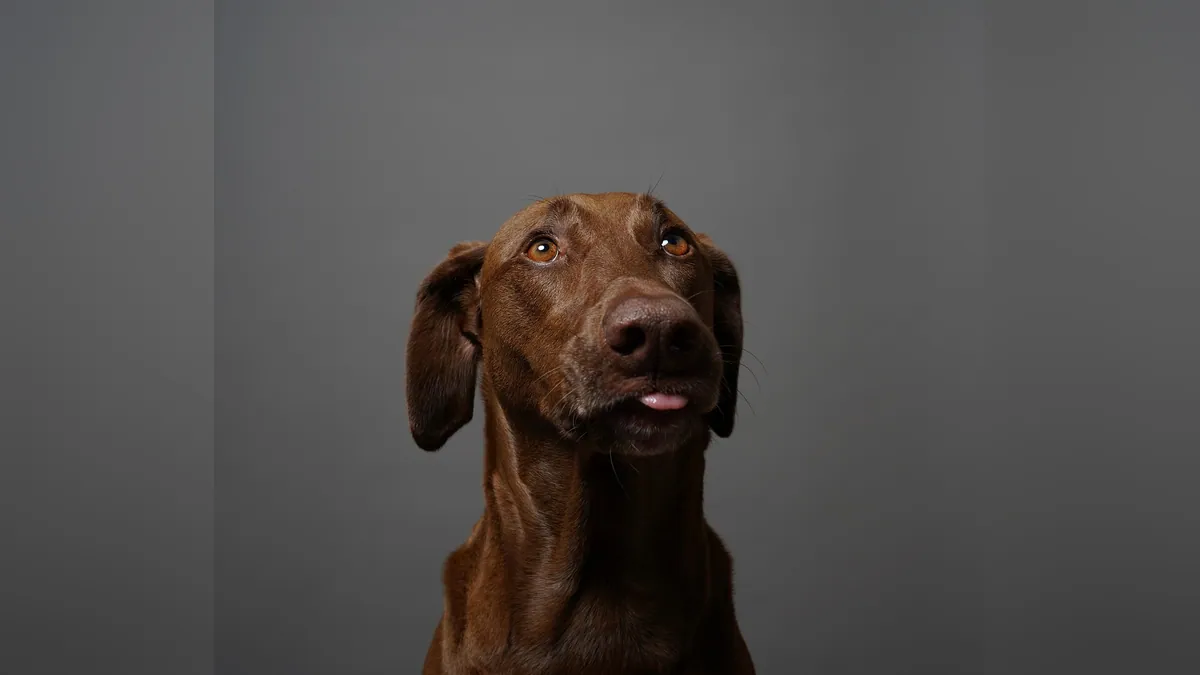
Acid reflux and heartburn in dogs are treatable, and the first step is a call to your veterinarian before you reach for a human antacid. Some over-the-counter products are safe for dogs at vet-approved doses, and others can cause real harm. If you are asking what can I give my dog for reflux, this guide walks through the safe options, the prescription medications vets use, and the feeding changes that often matter most.
This article is educational and is not a substitute for veterinary diagnosis or treatment.
Quick Answer
- Call your veterinarian before giving any human antacid. Doses for dogs are calculated from your dog's weight and health, not from the label on the bottle.
- Never give products that contain calcium carbonate plus other ingredients, bismuth subsalicylate, or anything with xylitol. Some common human remedies are dangerous for dogs.
- Prescription acid suppressants such as omeprazole are the mainstay for true reflux, and your vet decides the dose and timing.
- Feeding changes help a lot. Smaller, more frequent meals and keeping your dog upright after eating reduce reflux episodes.
- Red flags like blood in vomit, black stools, or repeated unproductive retching need same-day veterinary care.
What Is Acid Reflux in Dogs?
Reflux happens when stomach acid and stomach contents flow backward into the esophagus. The esophagus is not built to handle acid the way the stomach is, so the lining gets irritated and inflamed. That irritation is what causes the burning discomfort people call heartburn.
Dogs get this too, and it is more common than many owners realize. In one study of dogs undergoing MRI for spinal problems, 50 percent had evidence of gastroesophageal reflux [1]. Another study found reflux in 55 percent of control dogs during anesthesia [2]. Reflux is also the most common cause of swallowing impairment in both dogs and people, and the anatomy and physiology of the two species are similar enough that the diagnostic approach overlaps [3].
There are two broad patterns. Some dogs have reflux that shows up mainly around anesthesia, surgery, or a stressful event. Others have chronic reflux tied to diet, meal timing, body condition, or an underlying condition such as a hiatal hernia.
Signs Owners Notice
Reflux in dogs does not always look like the heartburn you would recognize in yourself. Watch for these signs:
- Lip smacking, especially after meals or at night
- Gulping, swallowing hard, or a "gurgly" throat
- Regurgitation, which is a passive flow of food or fluid, different from the active heaving of vomiting
- Reduced appetite or reluctance to eat
- Drooling more than usual
- Coughing or a hoarse sound after eating
- Discomfort when swallowing, sometimes called dysphagia
- Weight loss if the problem has been going on a while
Regurgitation is a key clue. Food or liquid comes up with little effort and may be undigested. True vomiting involves abdominal contractions and usually looks and smells like digested food or bile.
Causes and Risk Factors
Several things raise a dog's risk of reflux.
Anesthesia and surgery. Reflux during anesthesia is common and well documented. In one study, reflux was seen in 100 percent of dogs monitored endoscopically during mastectomy under an opioid-based protocol, with 58 percent classified as mild and 42 percent as severe [4]. Another study registered reflux in 45.4 percent of anesthetized dogs overall [5].
Opioid pain medications. Opioids can relax the lower esophageal sphincter, the valve that normally keeps stomach contents down. That relaxation allows reflux to happen [4].
Body position and pressure. Being flat on a surgical table, having a full stomach, or having increased pressure in the abdomen can all push contents upward.
Diet and meal timing. Large meals, high-fat meals, and eating right before activity or sleep can worsen reflux.
Underlying anatomy. Hiatal hernia and similar structural problems allow the stomach to slide upward and make reflux more likely [3].
Breed and body weight. Reflux was not linked to breed, age, sex, neuter status, or body weight in one study of dogs undergoing spinal MRI [1]. Brachycephalic dogs did not show significantly higher reflux rates than other dogs in that same study [1]. This does not mean those factors never matter, only that the link is not consistent across studies.
How Reflux Is Diagnosed
Your veterinarian starts with a full history. They will ask about timing of signs, what your dog eats, when your dog eats, and whether regurgitation or vomiting is happening. Bringing a phone video of an episode is genuinely helpful.
From there, the vet may recommend:
- Physical exam to check hydration, weight, and comfort
- Bloodwork and urinalysis to rule out other causes of vomiting or appetite loss
- Fecal testing if parasites are a concern
- Imaging, such as radiographs or ultrasound, to look for hiatal hernia, masses, or foreign material
- Endoscopy to directly visualize the esophagus and stomach lining and to check the lower esophageal sphincter
- pH and impedance monitoring, which measures how often and how acidic reflux episodes are
Some of these tools are used in both dogs and people, though awake dogs are harder to test than human patients who can follow instructions [3]. Your vet will pick the tests that fit your dog's signs and history.
What Can I Give My Dog for Reflux? Treatment Options
Treatment usually combines medication, diet, and feeding management. Your veterinarian decides what fits your dog.
Prescription Acid Suppressants
Omeprazole is the most commonly used acid suppressant for reflux in dogs. It works by reducing acid production, which gives the irritated esophagus a chance to heal. Dosing is based on your dog's weight and is prescribed by your vet.
One study compared two omeprazole protocols in dogs undergoing surgery. Giving omeprazole twice, once the evening before and again three hours before anesthesia, raised the pH of reflux fluid to a mean of 6.3, compared with 3.8 in control dogs [2]. Higher pH means less acid damage to the esophagus. The same study found that omeprazole did not reduce how often reflux happened, only how acidic it was [2].
Other acid suppressants your vet may prescribe include famotidine, ranitidine, and pantoprazole. Each has its own dosing and timing. Do not switch between them on your own.
For more detail on specific medications, see Can You Give Your Dog Omeprazole for Acid Reflux? and Can You Give Your Dog Nexium or Prilosec for Acid Reflux?.
Safe Over-the-Counter Options
Some human antacids can be used in dogs, but only with a vet's guidance. The dose depends on your dog's weight, other medications, and kidney function. Never guess.
| Product type | Common examples | Safe for dogs? | Notes |
|---|---|---|---|
| Calcium carbonate | Tums | Sometimes, with vet approval | Plain versions only. Avoid combination products with other ingredients. |
| Magnesium hydroxide | Milk of Magnesia | Sometimes, with vet approval | Can cause diarrhea. Avoid in dogs with kidney disease. |
| Aluminum hydroxide | Some antacid liquids | Sometimes, with vet approval | Constipation is a possible side effect. |
| Famotidine | Pepcid AC | Often used, dose by vet | Vet calculates dose from weight. |
| Omeprazole | Prilosec | Prescription use in dogs | Vet decides dose and timing. |
| Bismuth subsalicylate | Pepto-Bismol | No | Contains salicylate, which is risky for dogs. |
| Any product with xylitol | Some chewable antacids | No | Xylitol is toxic to dogs. |
If you are considering Tums, read Can You Give Your Dog Tums for an Upset Stomach? before you offer anything. For digestive upset that comes with loose stool, see What Can I Give My Dog For Diarrhea At Home and What To Give Dog For Loose Stool.
Diet and Meal Timing
Diet changes are often the most effective long-term tool.
- Smaller, more frequent meals. Four small meals beat two large ones for most dogs with reflux.
- Lower fat content. High-fat meals slow stomach emptying and increase reflux risk.
- Novel or limited-ingredient diets. If food sensitivity is suspected, your vet may suggest a hypoallergenic or hydrolyzed diet.
- Elevated feeding position. Raising the food bowl so your dog eats with the front of the body higher can help gravity keep contents down.
- No exercise right after meals. Wait at least an hour.
- No food within two to three hours of bedtime. A full stomach at night is a common trigger.
Ask your vet before switching foods, especially if your dog has other health conditions.
Home Remedies
A few home measures are reasonable and low risk.
- Frequent small meals as described above
- Elevated bowl for meals
- Quiet time after eating
- Fresh water available at all times to keep your dog hydrated
Skip anything that involves human medications, herbal blends, or supplements unless your vet specifically approves them. Many "natural" products are not tested for safety in dogs and can interact with prescription drugs.
Recovery, Outlook, and Long-Term Management
Most dogs with uncomplicated reflux improve with a combination of acid suppression and feeding changes. Mild cases may resolve in days to a few weeks. Chronic cases may need ongoing management.
Long-term care usually means:
- Staying on the diet that works
- Keeping meal sizes small and meal times consistent
- Continuing medication if your vet recommends it
- Recheck visits to adjust the plan
- Watching for return of signs if you change anything
If reflux is severe or goes untreated, it can lead to esophagitis, narrowing of the esophagus, or aspiration pneumonia. That is why persistent signs deserve a veterinary workup, not just a trial of antacids.
Prevention
You cannot prevent every case, but you can lower the odds.
- Feed smaller meals more often
- Avoid high-fat table food and scraps
- Do not let your dog eat right before vigorous activity or sleep
- Keep your dog at a healthy body condition
- Tell your vet about any prior reflux before anesthesia so they can plan accordingly
- Follow your vet's instructions about pre-anesthesia medications if your dog has a history of reflux
Limitations and When to Contact a Veterinarian
This article gives general information. Your dog's individual case needs a veterinarian who can examine your dog, review the history, and decide on testing and treatment.
Contact your veterinarian the same day if you see:
- Vomiting more than two or three times in a day
- Refusing food for more than 24 hours
- Regurgitation that happens with every meal
- Drooling that will not stop
- Signs of pain when swallowing
Go to an emergency clinic now if you see:
- Blood in vomit, or vomit that looks like coffee grounds
- Black, tarry stools
- Repeated unproductive retching with a bloated abdomen
- Trouble breathing
- Collapse or extreme weakness
- Suspected ingestion of a toxin, including human medications
For suspected poisoning, call the ASPCA Animal Poison Control Center at (888) 426-4435 or the Pet Poison Helpline at (855) 764-7661.
Frequently Asked Questions
Can I give my dog human antacids?
Some human antacids are used in dogs, but only under veterinary guidance. Plain calcium carbonate and famotidine are sometimes appropriate, while products containing bismuth subsalicylate or xylitol should never be given. Your vet will calculate the dose based on your dog's weight and health.
How long does acid reflux last in dogs?
Mild reflux often improves within days to a few weeks once treatment and diet changes are in place. Chronic cases can take longer and may need ongoing management. If signs persist beyond a few days of treatment, your dog needs a recheck.
Is yogurt good for a dog with acid reflux?
Yogurt is not a treatment for reflux and can upset some dogs' stomachs. Some dogs tolerate plain, unsweetened yogurt as a small treat, but it does not reduce acid or heal the esophagus. Ask your vet before adding it to your dog's diet.
Should I fast my dog to help reflux?
Fasting is not recommended for reflux. An empty stomach can still produce acid, and skipping meals can make nausea worse. Smaller, more frequent meals are usually the better approach. Your vet can tell you what feeding schedule fits your dog.
Can reflux in dogs go away on its own?
Very mild, occasional reflux may settle without treatment, especially if it was triggered by a one-time event like anesthesia. Reflux that happens repeatedly, causes regurgitation, or affects appetite usually needs veterinary care. Do not wait more than a day or two if signs are ongoing.
Related Articles
- Can You Give Your Dog Omeprazole for Acid Reflux?
- Can You Give Your Dog Nexium or Prilosec for Acid Reflux?
- What Can I Give My Dog For Diarrhea At Home
- What To Give Dog For Loose Stool
- Can You Give Your Dog Tums for an Upset Stomach?
- Can You Give Your Dog Human Antacids Like Tums or Rolaids?
- What Causes Acid Reflux in Dogs? Signs and Triggers
- What Can I Give My Dog for an Upset Stomach?
- What Can I Give My Dog for Vomiting and Nausea?
References
- Prevalence of gastroesophageal reflux in dogs undergoing MRI for a thoracolumbar vertebral column pathology. The Journal of small animal practice, 2023.
- Effect of two different pre-anaesthetic omeprazole protocols on gastroesophageal reflux incidence and pH in dogs. The Journal of small animal practice, 2021.
- A Comparative Assessment of the Diagnosis of Swallowing Impairment and Gastroesophageal Reflux in Canines and Humans. Frontiers in veterinary science, 2022.
- Intraoperative gastroesophageal reflux in dogs undergoing mastectomy under opioid-based protocols: a preliminary endoscopic study. Veterinary research communications, 2026.
- Effect of novel metabotropic glutamate receptor 5 antagonist on gastroesophageal reflux in dogs during anaesthesia. The Journal of small animal practice, 2026.