How to Tell If Your Cat Needs to Pee or Has Peed Somewhere
By Dr. Zubair Khalid, DVM, MS, PhD ·
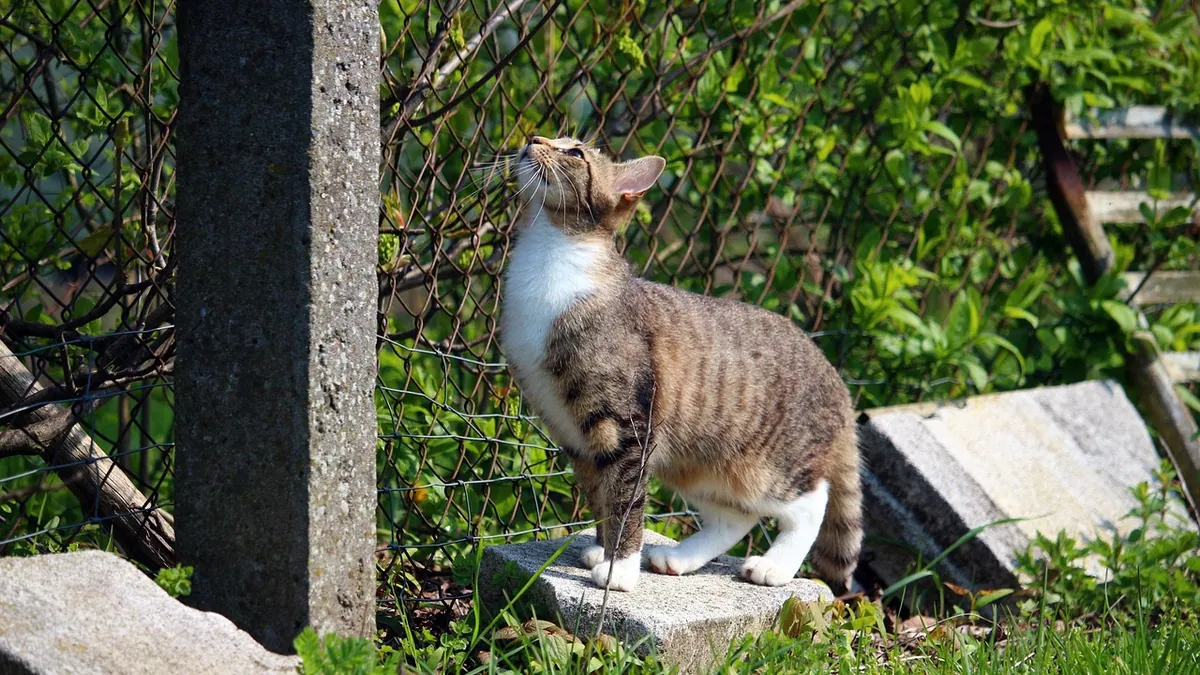
If your cat needs to pee, you may see repeated trips to the box, squatting with little or no urine, licking the genital area, or pacing and meowing. Some cats simply urinate outside the box with no other sign at all. This article is educational and is not a substitute for veterinary diagnosis or treatment.
Quick Answer
- A normal cat urinates roughly two to four times a day in a comfortable box, with a steady stream and no crying or straining. Small, frequent drops are not normal.
- A cat who squats, strains, and produces nothing may have a urethral blockage. This is a life-threatening emergency in male cats especially, so call a veterinarian right away.
- Inappropriate elimination is the most common behavior problem reported by cat owners, and about 10% of all cats will eliminate outside the litter box at some point [1].
- Urine marking deposits are usually smaller in volume than normal voided urine, which helps you tell marking from a full bladder accident [1].
- Never wait to see if a blocked cat improves on its own. Hours matter.
What Normal Urination Looks Like in Cats
The healthy pattern
A healthy cat visits the litter box several times a day. Most cats urinate two to four times daily, though this varies with diet, water intake, and individual habits. The stream should be steady and continuous. Your cat should not cry out, lick excessively afterward, or leave the box abruptly.
Normal urine is yellow to amber. It may be slightly cloudy, but it should not contain visible blood, grit, or strong ammonia odor that worsens over time. A cat who covers the urine normally is showing typical behavior.
What a cat who needs to pee looks like
Watch for these signs that your cat is trying to urinate:
- Squatting in the box for a long time with only a trickle or nothing coming out
- Going in and out of the box repeatedly within minutes
- Crying, yowling, or growling while squatting
- Licking the genital area more than usual
- Pacing, restlessness, or hiding
- Urinating on cool surfaces like tile, sinks, or bathtubs
- Dribbling urine outside the box
Any of these can point to lower urinary tract signs, which veterinarians call LUTS. These include painful urination, blood in urine, urinating outside the box, frequent urination, and straining [2]. The tricky part is that these signs look similar no matter what the underlying cause is, so an exam is needed to sort it out [2].
How to tell if your cat peed somewhere
If you suspect a hidden accident, you have a few reliable tools:
- Blacklight (UV) flashlight. Urine glows yellow-green under UV light in a darkened room. Sweep walls, baseboards, furniture, and carpet.
- Your nose. Cat urine has a sharp ammonia smell that strengthens over days. Marking urine can be especially pungent because it is concentrated.
- Touch test. Dry urine leaves a stiff, slightly crusty patch on fabric or carpet. Press a clean white paper towel on the spot and sniff.
- Check vertical surfaces. Urine marking often happens on walls, curtains, or the sides of furniture instead of flat on the floor [1].
Once you find the spot, clean it with an enzymatic cleaner made for pet urine. Regular household cleaners may remove the smell for you but leave scent cues that draw your cat back.
Main Causes of Urination Changes and Accidents
Lower urinary tract disease in cats has several common causes, and the signs often overlap [2]. Feline idiopathic cystitis is the most common, accounting for 55% to 65% of feline lower urinary tract disease cases [3]. Other causes include urinary stones, urinary tract infection, and urethral obstruction [2].
| Cause | Typical clues | How urgent |
|---|---|---|
| Feline idiopathic cystitis | Straining, frequent small urinations, blood in urine, urinating outside the box, often linked to stress [3] | See a vet within 24 hours, sooner if straining is severe |
| Urinary stones (urolithiasis) | Straining, blood in urine, dribbling, sometimes no urine at all if a stone blocks the urethra [2] | Emergency if the cat cannot pass urine |
| Urinary tract infection | Frequent urination, blood, strong odor, discomfort | See a vet within 24 hours |
| Urethral obstruction | Repeated trips with no urine, crying, vomiting, lethargy, hiding | Emergency now |
| Urine marking (behavior) | Small urine deposits on vertical surfaces, often in intact or stressed cats [1] | Routine visit, but rule out medical causes first |
| Chronic kidney disease | Increased urination frequency, longer time in the box, less covering of urine [4] | Routine visit for testing |
| Litter box dislike | Accidents near the box, avoiding the box entirely | Try box changes first, vet visit if it continues |
When it is a behavior problem
Inappropriate elimination is the most common behavior complaint from cat owners, and roughly 10% of cats will go outside the box at some point [1]. About 30% of cats with elimination issues do not have a litter box problem at all. They are urine marking, which is a form of communication instead of a bathroom habit [1].
Cats who mark still use their litter box for normal voiding, so seeing urine in the box does not rule out marking [1]. The deposits left by marking are usually smaller in volume than normal urinations [1]. If you see small sprays on walls or furniture, marking is more likely.
Some cats develop a repetitive, rigid pattern of unacceptable urination that resembles compulsive behavior. In one review of 21 cats with long-standing unacceptable urination, only 1 of 10 cats improved with behavior modification alone after 30 days, while 10 of 11 improved with behavior modification plus medication [5]. This tells you that persistent cases deserve a veterinary behavior evaluation, not just patience.
When it is the litter box
Litter box setup matters more than most owners realize. Cats in one study preferred boxes measuring at least 50 cm (about 20 inches) and clumping clay litter. When both preferences were combined, normal urination improved and house-soiling decreased [6].
If your cat is avoiding the box, try a larger box, unscented clumping litter, and one box per cat plus one extra. Keep boxes clean and in quiet spots.
Red Flags That Make It an Emergency
Call an emergency veterinary hospital immediately if you see any of these:
- Your cat is squatting and straining with no urine coming out
- Your cat cries out while trying to urinate
- You see only drops or a thin dribble after many attempts
- Your cat is vomiting, drooling, or breathing fast
- Your cat is hiding, weak, or wobbly
- Your cat's belly feels firm or painful
- Your cat has not urinated in 12 to 24 hours
A urethral blockage is the most dangerous urinary problem in cats. It is most common in male cats because their urethra is longer and narrower. When urine cannot leave the body, toxins build up fast. A blocked cat can die within 24 to 48 hours without treatment. Do not wait to see if your cat pees on its own. Do not give any medication without veterinary guidance.
If your cat is straining but still passing some urine, that is still urgent. Read more about this in Cat Straining To Pee.
Safe Things You Can Do at Home While Waiting
If your cat is straining or blocked
Do not wait. Go to the veterinarian. There is nothing safe you can do at home for a blocked cat. Do not massage the belly, do not give human pain medications, and do not try to express the bladder yourself. These actions can rupture the bladder or cause serious harm.
If your cat is urinating outside the box but seems otherwise well
You can take these steps while you arrange a veterinary visit:
- Add boxes. Place an extra box in the spot where your cat has been urinating. Sometimes the location is the problem, not the box.
- Try a bigger box. Cats prefer boxes at least 50 cm long with clumping clay litter [6].
- Keep it clean. Scoop at least once daily and wash boxes weekly with mild soap.
- Reduce stress. New pets, moved furniture, and loud noises can trigger marking or cystitis flares.
- Use enzymatic cleaner. It removes the scent markers that invite repeat accidents.
- Do not punish. Punishment increases stress and makes the problem worse.
If you are not sure whether your cat peed
Use a blacklight at night. Check vertical surfaces first, since marking often happens on walls and furniture [1]. If you find a small, concentrated spot high on a wall, marking is likely. If you find a large puddle on the floor, a full bladder accident or a litter box problem is more likely.
For more on this pattern, see Why Is My Cat Peeing Outside the Litter Box? and Why Is My Cat Peeing on the Floor Right in Front of Me?.
What Your Veterinarian Will Check and Test
Your veterinarian will start with a full physical exam. They will feel your cat's bladder to check its size and firmness. A large, firm, painful bladder in a cat who cannot urinate points to a blockage.
Next, they will likely recommend:
- Urinalysis. Checks for blood, crystals, bacteria, and urine concentration.
- Blood work. Looks at kidney values, electrolytes, and infection markers. One study found that the neutrophil-to-lymphocyte ratio, a simple blood measure, was highly accurate at distinguishing healthy cats from cats with feline idiopathic cystitis [3].
- Imaging. X-rays or ultrasound can show stones, sludge, or bladder wall changes.
- Urine culture. Confirms a bacterial infection if one is suspected.
If your cat is blocked, the veterinarian will place a urinary catheter to drain the bladder and will run blood work to check for dangerous electrolyte changes. Your cat may need to stay in the hospital for monitoring.
For chronic kidney disease, your veterinarian may track urination patterns over time. Smart litter box monitors have shown promise in detecting kidney disease earlier by tracking increased urination frequency, longer elimination times, and less covering behavior [4]. This technology is still developing, so ask your veterinarian whether it fits your cat's care.
If your cat has a urinary tract infection, you can read about the signs in What Are The Signs That My Cat Has A Urinary Tract Infection and Signs Of A Urinary Tract Infection In My Cat.
Prevention and Monitoring
Daily habits that help
- Feed wet food to increase water intake.
- Provide fresh water in multiple spots, or try a fountain.
- Keep litter boxes clean, large, and plentiful.
- Watch for changes in urination frequency, volume, and location.
- Weigh your cat monthly. Weight loss can signal kidney or urinary disease.
Track what you see
Write down how often your cat urinates, how long each visit lasts, whether the stream is normal, and whether your cat cries or strains. This information helps your veterinarian narrow down the cause quickly. If you use a smart litter box monitor, share the data with your vet. Early detection of kidney disease is difficult for owners to do alone, and monitoring tools may help [4].
Know your cat's baseline
Every cat is different. Some cats urinate twice a day, others four times. What matters is a change from your cat's normal pattern. A cat who suddenly starts going six times a day with small amounts needs a veterinary visit.
Limitations and When to Contact a Veterinarian
This article cannot tell you what is wrong with your individual cat. Only a veterinarian who examines your cat and runs tests can do that.
Call an emergency hospital now if: your cat is straining with no urine, crying while trying to pee, vomiting, hiding, weak, or has not urinated in 12 to 24 hours. A urethral blockage can be fatal within 24 to 48 hours.
Call your veterinarian the same day if: your cat is urinating more often, urinating outside the box, has blood in the urine, or is licking the genital area constantly.
Schedule a routine visit if: your cat has occasional accidents but seems well, or you want to discuss litter box setup and stress reduction.
Do not give your cat any medication, including pain relievers, without veterinary guidance. Some common human medications are toxic to cats.
Frequently Asked Questions
How can I tell if my cat needs to pee right now?
Watch for restlessness, pacing, repeated trips to the box, or squatting with little output. A cat who needs to pee urgently may also cry, lick the genital area, or head to a cool surface like a sink. If your cat strains with no urine, treat it as an emergency.
How do I find where my cat peed?
Use a UV blacklight in a dark room. Urine glows yellow-green. Check walls, curtains, and furniture sides, since marking often happens on vertical surfaces. Your nose and a touch test on fabric can also confirm a hidden spot.
Why is my cat peeing small amounts in many places?
Small, frequent urinations can point to inflammation, stones, infection, or stress-related cystitis. It can also be urine marking, which produces smaller deposits than normal voiding. A veterinary exam with a urinalysis is the fastest way to tell the difference.
Can a cat pee outside the box and still be healthy?
Yes. Litter box dislike, stress, and marking can all cause accidents in a medically healthy cat. Still, your veterinarian should rule out urinary disease first, because the signs overlap. Once medical causes are excluded, behavior and environment changes are the next step.
How often should a cat pee in a day?
Most cats urinate two to four times daily, but this varies by cat. The number matters less than the pattern. A sudden increase, decrease, or change in stream strength is the signal to call your veterinarian.
Related Articles
- What Are The Signs That My Cat Has A Urinary Tract Infection
- Cat Straining To Pee
- Why Is My Cat Peeing on the Floor Right in Front of Me?
- Why Is My Cat Peeing Outside the Litter Box?
- Signs Of A Urinary Tract Infection In My Cat
- Why Is My Cat peeing in small amounts frequently? Feline Idiopathic Cystitis Protocol
- Why Is My Cat Peeing Just a Little Bit?
- Cat Not Peeing or Pooping: When It's an Emergency
- How to Collect a Urine Sample From Your Cat at Home
References
- Urine Marking in Cats. ASPCA Animal Poison Control Center.
- 2025 iCatCare consensus guidelines on the diagnosis and management of lower urinary tract diseases in cats. Journal of feline medicine and surgery, 2025.
- Neutrophil-to-Lymphocyte Ratio as a Promising Non-Invasive Biomarker for Diagnosis of Feline Idiopathic Cystitis in Cats. Animals : an open access journal from MDPI, 2025.
- Enhancing Detection of Feline Chronic Kidney Disease Through Smart Litter Box Monitoring. Animals : an open access journal from MDPI, 2026.
- Retrospective Analysis of Compulsive-like Long-Standing Unacceptable Urination in Cats. Veterinary sciences, 2026.
- Litter box size and litter type preference and their associated behavioral changes in cats. The Journal of veterinary medical science, 2025.