Cat Poop and Pee Position: What Posture Tells You
By Dr. Zubair Khalid, DVM, MS, PhD ·
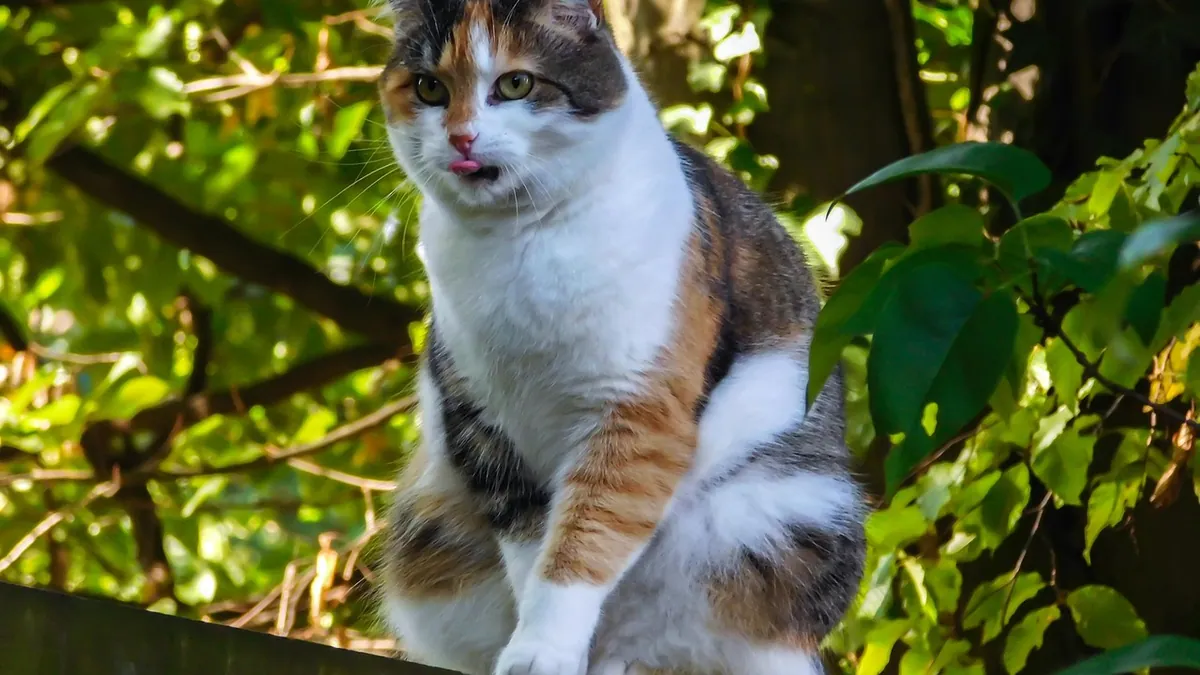
A cat poop position is normally a low squat with the back rounded, the tail lifted, and all four paws on the litter. Peeing usually looks similar, but many cats squat a little lower and stay in place longer. Watching how your cat holds its body can help you tell normal from uncomfortable, and it can help you decide how fast to call your veterinarian.
This article is educational and is not a substitute for veterinary diagnosis or treatment.
Quick Answer
- Normal pooping posture: a crouched squat, back slightly arched, tail up and out of the way, feet planted.
- Normal peeing posture: a similar squat, often lower to the ground, sometimes with a slight forward lean.
- A cat that stands, walks, or cries while posturing is likely uncomfortable, not just picky about the box.
- Posture changes plus repeated trips with little or no output point to straining, which can be urgent.
- If your cat is a male and cannot pass urine, treat it as an emergency right away.
What Normal Cat Poop and Pee Posture Looks Like
The basic squat
Most cats defecate in a squat. The hind legs fold, the belly drops close to the litter, and the tail lifts. The back may round slightly. The cat stays still, finishes, then covers the waste. This is the posture owners describe when they search for a cat poop position, and it is the one you want to see.
Urination looks close to the same shape. Many cats squat a bit lower for pee and hold the position a few seconds longer. Some cats lean forward slightly or shift weight to the front paws. Others lift one hind leg a little. These small differences are normal.
Why posture matters
Posture is a window into comfort. A cat that feels fine settles into position quickly and holds it without drama. A cat in pain shifts, stands, hunches, or leaves the box mid-attempt. Because the nerves and muscles that control urination and defecation are shared, a change in posture can show up before you notice anything else.
Bladder sensation travels through more than one pathway in the spinal cord. In a study of cats, cutting the dorsal funiculus (a bundle of nerve fibers in the spinal cord) at the level of the tenth thoracic vertebra caused one of five freely moving cats to urinate in a prone position, as if she had lost the sensation of urination [1]. The others kept a normal posture, and all five returned to normal urination posture within two weeks [1]. The point for owners is simple: posture depends on nerve signals reaching the brain, so a sudden change in how your cat postures deserves attention.
Cat Pee vs Poop Position: How To Tell Them Apart
Owners often ask how to separate the two. Here is a practical way to read the scene.
- Location in the box. Many cats pee in one spot and poop in another. Watch which corner your cat chooses.
- Time in position. Pooping is often quicker. Peeing can take longer, especially if the cat is marking or has a full bladder.
- Body height. Peeing squats tend to be lower. Pooping squats can look slightly taller because the cat lifts the tail and rounds the back.
- Output. Check the box after. A small puddle with no stool is pee. Formed stool with no puddle is poop.
- Sound and motion. Grunting, tail flicking, or a sudden stand can mean straining.
If your cat squats in the box for a long time and nothing comes out, that is a straining posture. It matters whether the cat is trying to pee or poop, because the urgency is different.
Main Causes of Unusual Posture
| Cause | Typical clues | How urgent |
|---|---|---|
| Constipation or hard stool | Repeated squatting, small hard feces, long time in box | See your vet soon, same day if no stool for 24 to 48 hours |
| Rectal pain or stricture | Crying, tenesmus (straining), pain when passing stool | Same day |
| Urinary blockage (more common in males) | Frequent trips, tiny or no urine, crying, hiding | Emergency now |
| Urinary tract infection or inflammation | Small frequent puddles, licking the genital area, accidents outside the box | Same day to next day |
| Arthritis or back pain | Stiff squat, trouble covering, reluctance to enter the box | Routine visit, sooner if it worsens |
| Litter box dislike | Posturing outside the box, hovering, shaking paws | Behavioral, but rule out medical causes first |
| Nerve or spinal problem | Weak squat, prone posture, wobbling | Same day |
A rectal stricture is one example of a structural cause. An 8-month-old cat was brought in for rectal tenesmus and pain on defecation, and imaging found a narrowing in the rectum that was treated with balloon dilation [2]. The cat's history was unclear because it came from a shelter, and inflammation was suspected as the cause [2]. This shows why a cat that strains to poop and seems painful needs a real exam, not just a diet change.
Urinary problems can also change posture. A three-month-old male cat with an intrapelvic urethral rupture was treated with a salvage surgery called transpelvic urethrostomy after other procedures failed [3]. He urinated on his own within 12 hours after surgery and stayed continent [3]. Cases like this are uncommon, but they show how serious urinary outflow problems can be in young cats.
Cat Straining Posture: What It Looks Like
Straining posture is easy to miss at first. Your cat may:
- Squat for a minute or more with no result
- Stand up, circle, and squat again
- Cry or grunt
- Lick the rear end or genital area
- Leave the box and squat on the floor
- Produce only a drop or a small ribbon of stool or urine
Straining is a symptom, not a diagnosis. It can come from constipation, rectal pain, bladder inflammation, stones, or a blockage. In male cats, straining to urinate with little or no urine is an emergency because the urethra can become blocked. That is a life threatening situation and needs care right away.
If your cat is straining to pee, read Cat Straining to Urinate: Emergency or Wait and See? for a step by step guide. If the straining is mainly for stool, see Cat Straining to Poop: Constipation or Something Worse?.
Red Flags That Make It an Emergency
Call an emergency clinic now if you see any of these:
- A male cat squatting, crying, and passing no urine
- A cat that has not peed in 12 to 24 hours
- A cat that has not pooped in 48 hours, especially with vomiting or a hard belly
- A cat that collapses, breathes fast, or feels cold
- A cat that is open mouth breathing or vomiting repeatedly
- A cat with a prolapsed rectum (pink tissue sticking out)
- A cat that cannot stand or drags the hind legs
Rectal prolapse is uncommon but serious. A case report described an adult male cat with recurrent rectal prolapse that was treated with a two port laparoscopic colonopexy after conservative care failed [4]. The surgery took 43 minutes and the cat was managed with less postoperative handling [4]. This is not something to wait on at home.
What You Can Do at Home While You Wait
You cannot fix a blockage or an infection at home, but you can make your cat more comfortable and gather useful information.
- Keep the box clean. Scoop at least once a day. A dirty box can make a cat hold stool or urine, which worsens straining.
- Offer more boxes. One box per cat plus one is a common guideline. Put them in quiet spots.
- Try a low sided box. A cat with arthritis or back pain may struggle to climb into a high sided box.
- Use unscented, fine grained litter. Strong scents and rough textures bother some cats.
- Add water. Canned food, water fountains, and multiple water bowls can help keep stool soft.
- Do not give human laxatives or pain pills. Many are toxic to cats. Your veterinarian will calculate any dose from your cat's weight and health.
- Note the pattern. Write down times, postures, and output. This helps your vet a lot.
If your cat is peeing outside the box, that can be medical or behavioral. Cat Peeing Outside the Litter Box: Medical or Behavioral? walks through the difference. If your cat pees right in front of you, Why Is My Cat Peeing on the Floor Right in Front of Me? explains common triggers.
What Your Veterinarian Will Check
Your vet will start with a full physical exam. They will feel your cat's belly, check the bladder size, look at the rear end, and watch your cat move. They may ask you to describe the exact posture you saw.
Common tests include:
- Urinalysis. Checks for blood, crystals, infection, and concentration.
- Fecal exam. Looks for parasites and checks stool consistency.
- Blood work. Checks kidney values, electrolytes, and general health.
- X-rays or ultrasound. Looks for stones, a large stool ball, or a mass.
- Rectal exam or imaging. Used when a stricture or narrowing is suspected, as in the young cat with rectal stricture [2].
Treatment depends on the cause. Constipation may need fluids, stool softeners, or a prescription diet. A blockage needs immediate relief. A stricture may need dilation or surgery [2]. A urethral problem may need a catheter or a surgical salvage procedure [3].
Prevention and Monitoring
Most posture problems come back if the underlying cause is not managed. Here is what helps long term.
- Feed a moisture rich diet. Canned food helps both urine and stool.
- Keep weight in a healthy range. Extra weight makes squatting harder.
- Treat arthritis pain. Ask your vet about safe options.
- Keep litter boxes easy to reach. Older cats should not have to climb stairs.
- Watch the box daily. You will catch changes early.
- Schedule routine exams. Twice a year for seniors is reasonable.
A cat's spine is built for a lot of motion. The thoracic spine is more flexible in torsion than the lumbar spine, which helps explain how cats right themselves in the air [5]. That flexibility also means back pain can change how a cat squats. If your cat seems stiff or slow to posture, mention it at the next visit.
Limitations and When to Contact a Veterinarian
Posture alone cannot tell you the cause. Two cats can squat the same way for very different reasons. Only a veterinarian can examine your cat, run tests, and make a plan. Individual cases need a veterinarian.
Use this timing guide:
- Emergency now: male cat with no urine, open mouth breathing, collapse, repeated vomiting, prolapse, or hind leg weakness.
- Same day: straining with no output, crying while posturing, blood in urine or stool, no stool for 48 hours, or a cat that stops eating.
- Routine visit: mild changes in posture, occasional accidents, or a cat that seems stiff but is otherwise well.
If you are unsure, call your vet and describe what you see. A phone call is cheap and fast. Waiting can turn a small problem into a big one.
Frequently Asked Questions
Why does my cat stand up while pooping?
Standing or hovering can mean the cat is uncomfortable in the squat. It may be arthritis, back pain, or rectal pain. Some cats also stand because the litter box is too small or the litter hurts their paws. If it happens often, get your cat checked.
Is it normal for a cat to squat very low to pee?
A low squat is common and often normal. Cats that squat very low may be trying to avoid splashing or may have a full bladder. If your cat also strains, cries, or produces only a drop, that is not normal and needs a vet visit.
Can a cat poop without squatting?
Yes, some cats poop in a semi squat or even while standing. This is more common in older cats with joint pain or in cats with nerve problems. A sudden change from a normal squat to standing is worth a vet visit.
How long is too long for a cat to strain?
More than a minute or two of straining with no result is too long. If your cat is going in and out of the box and nothing comes out, call your vet. For male cats, treat it as an emergency.
Does posture change mean my cat is in pain?
Not always, but pain is a common reason. Cats hide pain well, so a change in posture may be the first sign you see. Other clues include hiding, not eating, and avoiding the box. Your vet can help sort out the cause.
Related Articles
- Why Is My Cat Peeing on the Floor Right in Front of Me?
- Cat Straining To Pee
- Cat Straining to Poop: Constipation or Something Worse?
- Cat Straining to Urinate: Emergency or Wait and See?
- Cat Peeing Outside the Litter Box: Medical or Behavioral?
- Why Is My Cat Straining to urinate? FLUTD & Fatal Obstruction Warning
- Cat Pee vs Poop in the Litter Box: What's Normal
- Cat Poop Chart: What Color and Consistency Mean
- Hard, Dry, or Soft Cat Poop: What Consistency Means
References
- Effect of injury to the dorsal funiculus of the thoracic spinal cord on micturition in decerebrate and freely-moving cats. Urologia internationalis, 1999.
- Management of a rectal stricture in a young cat with a balloon dilatation method. Tierarztliche Praxis. Ausgabe K, Kleintiere/Heimtiere, 2026.
- Skeletal modifications after transpelvic urethrostomy as treatment for urethral stricture in a three-month-old cat. Veterinary surgery : VS, 2026.
- Two-Port Totally Laparoscopic Colonopexy for the Treatment of Recurrent Rectal Prolapse in a Cat: A Case Report. Veterinary medicine and science, 2026.
- Torsional flexibility of the thoracic spine is superior to that of the lumbar spine in cats: Implications for the falling cat problem. Anatomical record (Hoboken, N.J. : 2007), 2026.