Cat Diarrhea but Still Eating and Drinking
By Dr. Zubair Khalid, DVM, MS, PhD ·
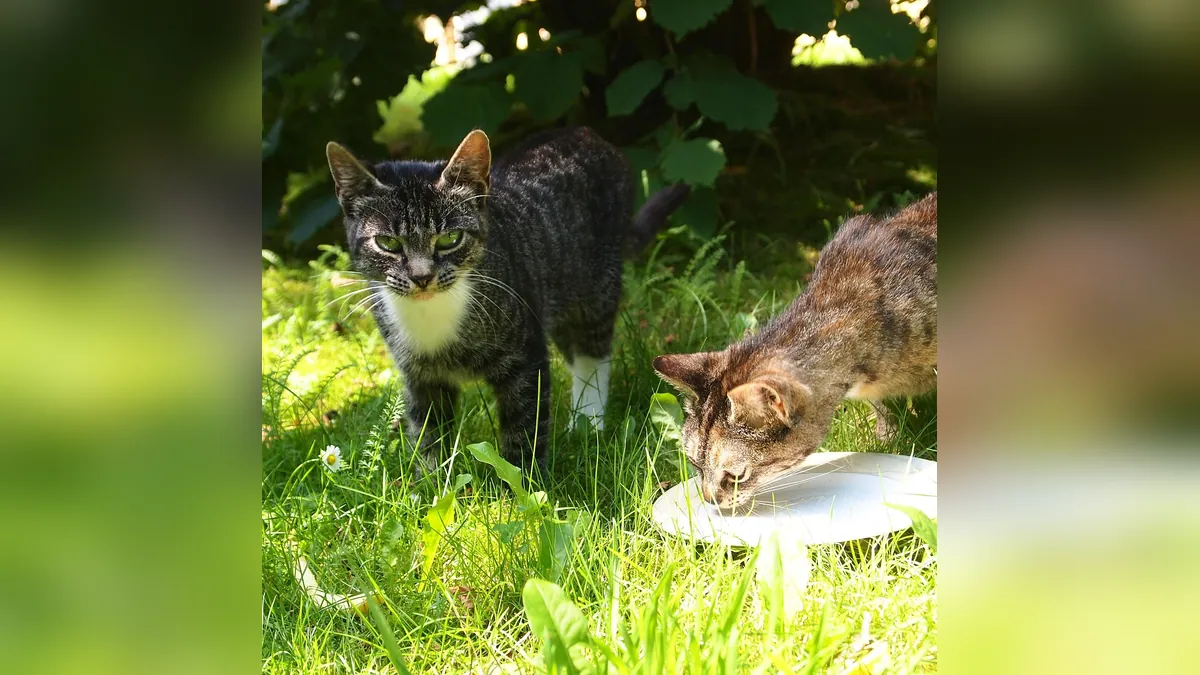
Cat diarrhea but still eating and drinking usually points to a mild, short-lived problem like a sudden diet change or stress, and many cases settle on their own within a few days [1]. The fact that your cat keeps eating and drinking is a good sign, because it means dehydration and severe illness are less likely right now. The picture changes fast, though, if appetite or thirst drops off, if you see blood, or if the diarrhea drags on.
This article is educational and is not a substitute for veterinary diagnosis or treatment.
Quick Answer
- A cat with diarrhea who still eats, drinks, and acts normal often has a mild, self-limiting issue such as a diet change or a stressful event, and it may resolve in a few days [1].
- Keep fresh water available at all times, because cats with diarrhea need plenty of fluids [2].
- Do not give human laxatives or human diarrhea medicines. Laxatives made for people can be very dangerous for pets [2].
- Track how long it lasts, how often it happens, and what the stool looks like. These details help your veterinarian.
- Call your vet the same day if you see blood, black tarry stool, repeated vomiting, or if your cat stops eating or drinking.
What Cat Diarrhea Looks Like and What Counts as Normal
Diarrhea means abnormally frequent passage of watery stool. The color can be odd, including gray or yellow, and the smell is often unusually foul [1]. Some cats have a single soft stool. Others have several watery ones in a day.
Normal stool is formed, holds its shape, and is easy to pick up. A healthy cat also has a normal routine, normal energy, and a steady appetite. When your cat still eats, drinks, plays, and grooms, the diarrhea is more likely to be a minor, passing problem [1].
Pay attention to the pattern. Small bowel diarrhea tends to produce large volumes of stool, and large bowel diarrhea tends to produce small, frequent amounts, sometimes with mucus or straining [3]. Your vet uses these patterns to narrow down causes.
Why a Cat Can Have Diarrhea and Still Seem Fine
Many feline health conditions can show up as diarrhea, and most cases are short-lived. They either resolve on their own or improve with a diet change [1]. That is why a cat can have loose stool and still act completely normal.
The large intestine helps keep fluid and electrolyte balance, absorbs nutrients, and stores feces. When illness, parasites, or other causes damage the large intestine, diarrhea is often the result [2]. Even with that damage, a cat can feel well enough to eat and drink for a while.
Common triggers in otherwise healthy cats
An abrupt change in diet may cause diarrhea for a few days. A stressful event, such as a long car trip or a weekend stay at a veterinary clinic, can also cause a brief episode of loose bowels [1]. Kittens may be at higher risk as their digestive systems adjust to solid food [1].
Infectious causes are common too. In one study of cats with diarrhea, 33.9 percent tested positive for coccidia, mostly Cystoisospora felis [4]. Another study found diarrheagenic E. coli in 64.3 percent of diarrheic cats [5]. Feline coronavirus was found in 65.1 percent of cats with chronic diarrhea in a specialty practice [6]. These numbers show how many different organisms can be involved, and why testing matters when diarrhea does not settle.
When "acting normal" can be misleading
Cats hide illness well. A cat who still eats and drinks may still be losing fluid and electrolytes through diarrhea. Mild dehydration can build slowly before you notice it.
If your cat's water intake drops, the risk rises quickly. Read more about that in Cat Diarrhea and Not Drinking Water: Dehydration Risks and Care. If your cat stops eating but keeps drinking, see Cat Not Eating but Drinking Water: When to Act.
Main Causes of Diarrhea in Cats Who Still Eat and Drink
| Cause | Typical clues | How urgent |
|---|---|---|
| Sudden diet change | Loose stool starts within a day or two of a new food, cat still bright and hungry | Usually mild, watch for 24 to 48 hours [1] |
| Stress (travel, boarding, new pet) | Brief episode, no other signs, cat behaves normally | Usually mild, resolves on its own [1] |
| Intestinal parasites (coccidia, Giardia, roundworms, hookworms) | Soft to watery stool, sometimes in young cats or multi-cat homes | Routine vet visit, bring a stool sample [4] |
| Bacterial overgrowth or infection (E. coli, Clostridium, Salmonella) | Foul stool, gas, sometimes mucus, may come and go | Routine to same-day visit depending on severity [7][5] |
| Feline coronavirus and other enteropathogens | Chronic or recurring diarrhea, often in cats under 1 year old | Routine visit, testing needed [6] |
| Inflammatory bowel disease or chronic colitis | Long-term or recurring diarrhea, weight loss over time | Routine visit, often needs long-term treatment [2] |
| Toxin, foreign body, or organ disease | Vomiting, pain, lethargy, or appetite loss added to diarrhea | Emergency, go now |
Chronic diarrhea is common in cats and has many possible underlying conditions. The mechanisms include osmotic and secretory diarrhea, impaired intestinal barrier function, and changed intestinal motility [3]. Because the causes are so varied, accurate diagnosis matters for effective treatment [3].
In multi-cat households, diarrhea is common, and fecal panels are often used to look for bacteria that can cause disease [7]. If you have several cats, one cat's diarrhea may point to a shared issue.
Red Flags That Make It an Emergency
Call your veterinarian right away, or go to an emergency clinic, if you see any of these:
- Blood in the stool, black tarry stool, or watery stool with a lot of red blood
- Repeated vomiting along with the diarrhea
- Your cat stops eating or stops drinking
- Weakness, wobbling, collapse, or trouble waking up
- Pain when you touch the belly, or a belly that looks swollen
- Diarrhea that lasts more than 24 to 48 hours in a kitten, or more than a few days in an adult
- Any diarrhea in a cat who is very young, very old, or has another health condition
Vomiting plus diarrhea together is a bigger concern than diarrhea alone. For guidance on that combination, see Cat Vomiting and Diarrhea: When to Worry. If your cat vomits food but otherwise seems fine, read Cat Vomiting Undigested Food But Acting Normal.
Safe Things You Can Do at Home While You Wait
You can support your cat at home while you watch for changes. Keep it simple and avoid anything that could cause harm.
Keep water available and encourage drinking
Cats with diarrhea should receive plenty of water [2]. Offer fresh water in clean bowls in several spots around the house. Some cats drink more from a running fountain or from a wide bowl that does not touch their whiskers.
You can also offer small amounts of plain water or unflavored electrolyte solution, but ask your vet first. Do not force fluids by mouth, because that can cause choking or aspiration.
Think about food carefully
If you suspect a recent diet change caused the diarrhea, your vet may suggest going back to the previous food for a few days [1]. Do not switch to a new food in the middle of an episode without guidance.
Withholding food is not a good idea for cats. Cats who stop eating can develop serious liver problems. If your cat refuses food for more than 24 hours, call your vet.
What not to do
Do not give human laxatives. Laxatives made for people can be very dangerous for pets, and you should only use a laxative prescribed by your veterinarian [2]. The same caution applies to human anti-diarrheal medicines, which are not approved for cats and can cause harm.
Do not give antibiotics you have at home. Do not give probiotics unless your vet recommends a specific product. Do not try home remedies like pumpkin, rice, or boiled chicken without asking, because sudden food changes can make diarrhea worse [1].
Keep a simple log
Write down the time of each bowel movement, what it looked like, and how much your cat ate and drank. Note any vomiting, hiding, or changes in behavior. Bring this log to your appointment. It helps your vet decide how urgent the case is and what to test.
What Your Veterinarian Will Check and Test
Your vet starts with a full physical exam. They check hydration by looking at the gums and skin elasticity. They feel the belly for pain, swelling, or thickened loops of intestine. They also check weight and temperature.
Questions your vet will ask
Expect questions about diet changes, treats, table food, access to garbage or houseplants, other pets, recent travel or boarding, and any medications. These details often point to the cause.
Common tests
- Fecal flotation and fecal PCR panel to look for parasites and bacteria [7][4]
- Blood work to check organ function, electrolytes, and hydration
- X-rays or ultrasound if a foreign body or mass is suspected
- Specific tests for coronavirus or other enteropathogens if diarrhea is chronic [6]
Treatment depends on the cause
Mild cases may need only a bland diet and time. Parasites need specific dewormers. Bacterial infections may need antibiotics, though not every positive test means treatment is needed [7]. Chronic diarrhea often needs a longer plan. Most cats with inflammatory bowel disease will need some form of long-term treatment, and long-term colitis often improves at first but signs frequently recur [2].
Nutritional management is a core part of treating chronic diarrhea in cats [3]. Your vet may recommend a specific therapeutic diet, a novel protein diet, or a high-fiber diet depending on which part of the bowel is affected.
Prevention and Monitoring
You cannot prevent every case of diarrhea, but you can lower the odds.
- Change foods gradually over 7 to 10 days instead of switching all at once [1]
- Keep litter boxes clean and provide more than one box in multi-cat homes [2]
- Keep your cat indoors to reduce exposure to parasites and infectious diseases
- Stay current on parasite prevention and routine wellness visits
- Reduce stress during travel and boarding when you can [1]
- Watch for recurring episodes, because chronic diarrhea often comes back [2]
If your cat has repeated bouts, keep a log of each one. Patterns over weeks and months help your vet decide whether to test for chronic conditions [3].
Limitations and When to Contact a Veterinarian
This article cannot tell you what is causing your cat's diarrhea. Only a veterinarian who examines your cat can do that. Individual cases need a veterinarian, and the timing of your visit depends on your cat's specific signs.
Call your veterinarian the same day if your cat has blood in the stool, repeated vomiting, belly pain, or a drop in appetite or water intake. Go to an emergency clinic now if your cat is weak, collapsing, having trouble breathing, or has a swollen or painful belly. Schedule a routine visit if the diarrhea lasts more than a few days, keeps coming back, or comes with weight loss.
If you are unsure, call your vet's office and describe what you see. Most clinics will tell you whether to come in now or watch at home.
Frequently Asked Questions
Should I withhold food if my cat has diarrhea but is still eating?
No, do not withhold food from a cat. Cats who stop eating can develop serious liver problems, and your cat is already eating normally. Offer small, frequent meals of the food your cat usually eats, and ask your vet before making any diet change.
Can I give my cat human anti-diarrheal medicine?
No. Human medications are not made for cats and can cause serious harm. The same rule applies to laxatives made for people, which can be very dangerous for pets. Only give a medication that your veterinarian has prescribed for your cat.
How long is too long for diarrhea to last?
For an adult cat who is eating, drinking, and acting normal, a few days is usually the limit before you should call your vet. Kittens and senior cats should be seen sooner, often within 24 hours. Any diarrhea lasting more than a few days needs a veterinary visit.
Can stress really cause diarrhea in a cat?
Yes. Stressful events like a long car trip or a stay at a veterinary clinic can cause a brief episode of loose bowels. This kind of diarrhea usually clears up on its own once the stress passes. If it continues, other causes need to be ruled out.
Does my cat need a stool sample at the vet visit?
Often, yes. Fecal testing is one of the most useful tools for finding parasites and bacteria that cause diarrhea. Call ahead and ask whether to bring a fresh sample in a clean container. Your vet will tell you how recent the sample should be.
Related Articles
- Cat Diarrhea After Eating: Causes and When to Act
- Cat Diarrhea and Not Drinking Water: Dehydration Risks and Care
- Cat Not Eating but Drinking Water: When to Act
- Cat Vomiting Undigested Food But Acting Normal
- Cat Vomiting and Diarrhea: When to Worry
- My Cat Is Throwing Up Undigested Food
- Cat Diarrhea, Lethargy and Not Eating: When to Worry
- Chronic Diarrhea in Cats With No Other Symptoms
- Why Does My Cat Keep Getting Diarrhea? Causes and Next Steps
References
- Diarrhea. Cornell University College of Veterinary Medicine.
- Disorders of the Stomach and Intestines in Cats - Cat Owners. Merck Veterinary Manual.
- Feline chronic diarrhea: causes and nutritional management. Veterinary and animal science, 2026.
- Occurrence of Cystoisospora spp. and other intestinal parasites in dogs and cats with diarrhea. Veterinary parasitology, 2025.
- Detection, identification, and co-carriage patterns of different bacterial and yeast pathogens isolated from diarrheic and apparently healthy dogs and cats. Comparative immunology, microbiology and infectious diseases, 2026.
- Feline Coronavirus Prevalence in 493 Cats With Chronic Diarrhea. Journal of veterinary internal medicine, 2025.
- Presence of Potential Enteropathogenic Bacteria in Cats and Association With Diarrhea in Multicat Households. Journal of veterinary internal medicine, 2025.