Can Constipation Cause Back Pain in Cats?
By Dr. Zubair Khalid, DVM, MS, PhD ·
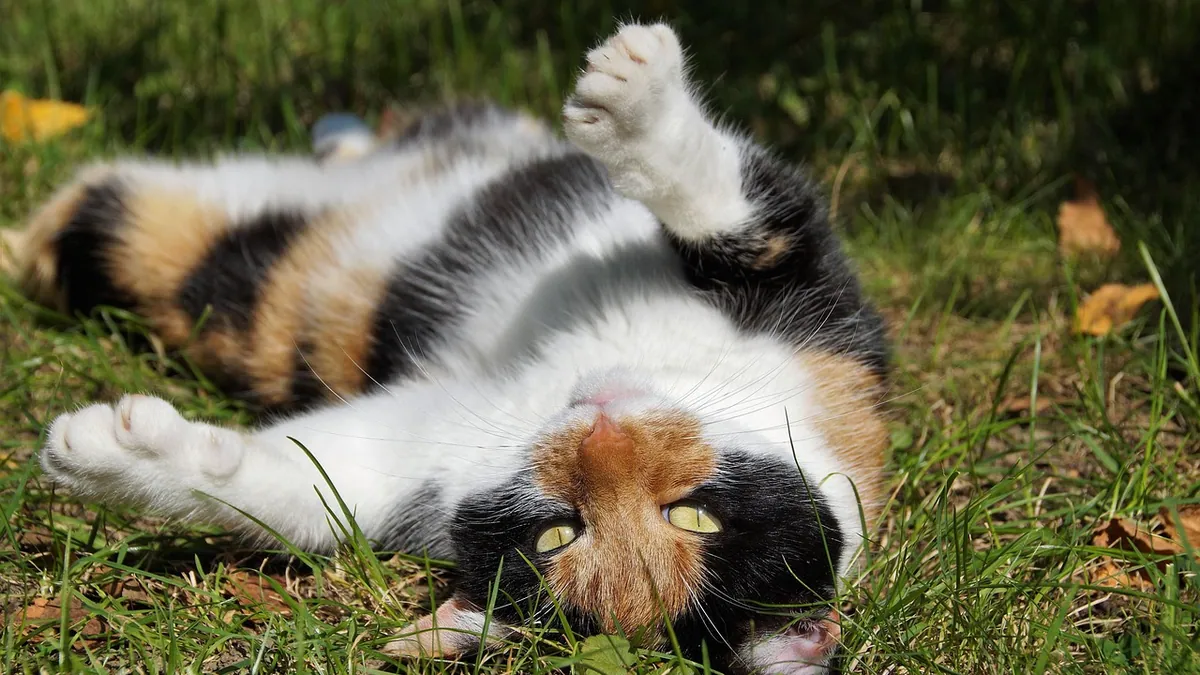
Yes, constipation can cause back pain in cats. When the colon fills with hard, dry stool, it presses on nearby nerves and muscles, and that discomfort can show up as lower back pain, a hunched posture, or reluctance to jump. The two problems often travel together, so it helps to know how to tell them apart.
This article is educational and is not a substitute for veterinary diagnosis or treatment.
Quick Answer
- A full colon can cause referred pain that looks like back pain, so a cat with constipation may hunch, cry, or move stiffly in the rear.
- Constipation means infrequent or difficult passing of hard, dry stool, and it should be treated fairly aggressively to prevent it from getting worse [1].
- Straining that produces little or no stool can point to constipation, a urinary blockage, or a spinal problem, and these need different care.
- A cat that cannot urinate, or that strains with no stool for a full day, needs emergency care right away.
- Never give human laxatives, enemas, or pain pills to a cat unless your veterinarian tells you to and gives you the dose.
What Constipation and Back Pain Look Like in Cats
Constipation is defined as infrequent or difficult emission of hard, dry fecal matter, and it is a common problem in domestic cats [1]. When stool sits too long in the colon, the colon stretches and the stool dries out. That heavy, firm mass sits low in the belly, right above the pelvis and below the spine.
Cats in discomfort often change how they hold their body. You may see a hunched back, a tucked rear, or a stiff, careful walk. Some cats stop jumping onto furniture. Others cry out when picked up or when their lower back is touched. This is the pattern owners describe as constipation back pain in cats, and it comes from the colon pressing on the same area that serves the spine and hind limbs.
A cat with anal sac problems may also scoot its buttocks on the ground, lick or bite at the anal area, and strain painfully during defecation [2]. That scooting and licking is easy to mistake for a back or hip problem.
What Normal Looks Like
Healthy cats pass stool roughly once a day, though a cat that skips a day now and then is not automatically sick. The stool should be formed, moist, and easy to pass. A cat with chronic kidney disease may defecate less often than a healthy cat, so a cat with kidney disease deserves closer watching [3].
Main Causes of Back Pain and Straining in Cats
The table below covers the most common reasons a cat strains, hunches, or seems sore in the back. Use it as a rough guide, not a diagnosis.
| Cause | Typical clues | How urgent |
|---|---|---|
| Constipation | Hard, dry stool, small amounts, straining, hunched back, reduced appetite | See a vet within a day or two if mild, sooner if no stool |
| Megacolon | Long-standing constipation, weight loss, dehydration, firm dilated colon, periodic straining [4] | Urgent, needs same-day or next-day care |
| Urinary blockage | Straining with no urine, crying, licking the penis or vulva, small or no urine in the box | Emergency now, especially in male cats |
| Anal sac disease | Scooting, licking or biting the rear, painful defecation, hard masses near the sacs [2] | Routine visit soon, urgent if an abscess is oozing |
| Spinal or nerve problem | Weak back legs, wobbling, pain along the spine, trouble jumping | Urgent, same-day evaluation |
| Diet, hairballs, or dehydration | Dry stool, low water intake, recent diet change | Routine visit, try simple steps first |
| Medication side effects | Constipation starting after a new drug | Call your vet before changing anything |
Constipation and Megacolon
Most constipation in cats has no clear cause, and veterinarians call this idiopathic constipation [1]. Known triggers include swallowed hair, foreign objects, tumors, narrowings in the gut, electrolyte problems, neuromuscular disease, and drug side effects [1].
When constipation becomes severe and long lasting, the colon can stay stretched and stop moving stool properly. That condition is megacolon, and it shows up most often in middle-aged to older male domestic shorthair cats, though any cat can develop it [4]. Untreated long-term constipation from pelvic fractures, spinal cord injuries, or birth defects can also lead to megacolon [4]. Cats with megacolon often arrive dehydrated and losing weight, with a firm, dilated colon that a veterinarian can feel during an exam [4].
Why the Back Hurts
The colon and the lower spine share nerve pathways and sit close together. A colon packed with hard stool pushes upward and backward into the pelvic area. Muscles around the spine tense up in response. The result is real pain, even though the spine itself is fine. This is why treating the constipation often eases the back signs.
If your cat is straining and you are not sure whether it is stool or urine, read Cat Straining to Poop: Constipation or Something Worse? before you wait it out.
Red Flags That Mean Emergency Care
Some signs cannot wait. Go to an emergency clinic now if you see any of these.
- Your cat strains to urinate and passes little or no urine. A blocked urethra is fatal within a day or two without treatment.
- Your cat cries out, paces, or hides while straining in the litter box.
- There is blood in the stool or urine, or the stool is black and tarry.
- Your cat has not passed any stool for more than 24 to 48 hours and is vomiting or refusing food.
- Your cat's back legs are weak, dragging, or suddenly unsteady.
- Your cat's belly looks swollen and feels hard or painful to touch.
- Your cat is open-mouth breathing, collapsed, or very weak.
A cat that is straining with a full bladder and no urine output is the single most time-sensitive sign on this list. Do not wait for morning.
Safe Things You Can Do at Home While You Wait
Home care is about comfort and hydration, not forcing a bowel movement. Keep these steps simple.
Offer More Water
Cats with constipation often run dry. Add a little warm water to canned food, offer a water fountain, or set out extra bowls in quiet spots. Well hydrated cats pass stool more easily, and rehydration is a core part of veterinary treatment for constipation [1].
Keep the Litter Box Easy to Reach
A cat with back pain may avoid a box with high sides or a long walk. Put a low-sided box on each floor of your home. Keep it clean, since a cat in pain may hold stool instead of use a dirty box.
Do Not Give Human Products
Do not give human laxatives, stool softeners, enemas, or pain relievers. Several common human products are toxic to cats, and enemas given at home can cause serious harm. Your veterinarian calculates any laxative or enema dose from your cat's weight and health status.
Gentle Warmth and Quiet
A warm, soft bed in a quiet room can help a sore cat relax. Avoid rough handling of the lower back and belly. If your cat resists being picked up, let it come to you.
Watch and Record
Write down when your cat last passed stool, what it looked like, how often it uses the box, and whether it is eating and drinking. This record helps your veterinarian sort constipation from a spinal or urinary problem. For more home options, see Cat Constipation Remedies.
What Your Veterinarian Will Check and Test
Your veterinarian will start with a full physical exam. They will feel your cat's abdomen for a firm, dilated colon and check the anal area and anal sacs. A rectal exam is often part of diagnosing anal sac disease, and extra tests may be needed if infection or a tumor is suspected [2].
Common Tests
- Abdominal palpation to feel stool burden and colon size. A dilated, firm colon on palpation is a classic finding in megacolon [4].
- Abdominal radiographs (X-rays) to confirm megacolon and rule out foreign objects or masses. Diagnosis of megacolon mainly relies on abdominal radiography, sometimes with other imaging added [4].
- Blood work and urinalysis to check hydration, electrolytes, kidney values, and thyroid levels.
- A neurologic exam if your cat has weak back legs or spinal pain.
Treatment Options
Treatment depends on the cause and how long the problem has lasted. Early or reversible megacolon often responds to laxatives, enemas, prokinetic drugs, rehydration, and dietary fiber [4]. If the colon is badly damaged and no longer works, surgery to remove the affected portion may be needed [1].
Diet matters. A controlled six-month trial found that a gastrointestinal diet with 6% psyllium helped manage chronic constipation in cats, with constipation scored by stool consistency, frequency, and pain or difficulty during defecation [5]. Your veterinarian will pick the fiber level and diet that fits your cat.
Probiotics are another area under study. A trial in kittens found a lower rate of constipation in the group given a complex probiotic blend compared to the control group [6]. This does not mean every probiotic helps every cat, so ask your vet before adding supplements.
If your cat has constipation along with other chronic issues, Cat Constipation: How to Tell If It's Serious walks through the warning signs in more detail.
Preventing Constipation and Back Pain Long Term
Prevention is mostly about water, fiber, and routine.
- Feed a moist, fiber-appropriate diet. Your veterinarian can match the fiber level to your cat's colon function.
- Keep water available in several places and consider a fountain.
- Brush your cat regularly to cut down on swallowed hair.
- Keep litter boxes clean, low-sided, and easy to reach.
- Schedule checkups at least once or twice a year, and more often for cats with kidney disease or a history of constipation.
- Follow up on any change in stool frequency or consistency. Cats with chronic kidney disease defecate less often than healthy cats, so a cat with kidney disease needs a lower threshold for a vet visit [3].
If your cat has had one bout of constipation, watch the litter box closely for the next few weeks. Early treatment keeps a simple problem from turning into megacolon.
Limitations and When to Contact a Veterinarian
This article cannot tell you what is causing your cat's signs. Only a veterinarian who examines your cat can do that. Individual cases need a veterinarian, and the timing below is a guide, not a rule.
Call your veterinarian the same day if your cat is straining with little or no stool, has a hunched back with reduced appetite, is vomiting, or has not passed stool in 24 to 48 hours.
Go to an emergency clinic now if your cat strains to urinate with no urine, cries out in the box, has weak or dragging back legs, has a hard swollen belly, or is collapsed or breathing hard.
Schedule a routine visit if the signs are mild and recent, such as slightly dry stool, occasional scooting, or a single missed day of stool with normal eating and drinking. For help deciding, see Cat Constipation and Straining: When to Worry and Cat Constipation: When to Worry and How to Help.
Frequently Asked Questions
Can constipation cause back pain in cats?
Yes. A colon packed with hard stool presses on the lower back area and nearby nerves, and the muscles around the spine tense in response. Owners often notice a hunched posture, stiffness, or reluctance to jump along with the litter box changes.
How can I tell constipation from a spinal problem?
Constipation usually comes with hard, dry stool, straining, and a firm colon that your veterinarian can feel. A spinal problem tends to bring weak or wobbly back legs, pain along the spine, and trouble jumping. Your veterinarian can sort this out with an exam and X-rays.
Is my cat in pain when it strains to poop?
Often, yes. Painful defecation with straining is a recognized sign of anal sac disease, and a heavy stool burden can make the whole lower back and rear feel sore [2]. If your cat cries, hides, or avoids the box, that is a sign of discomfort worth a vet visit.
Can megacolon cause back pain in cats?
It can. Megacolon means the colon stays stretched and moves stool poorly, and cats with it often show chronic constipation, periodic abdominal straining, dehydration, and weight loss [4]. The retained stool and the straining both contribute to lower back and belly discomfort.
What should I do if my cat has not pooped in two days?
Call your veterinarian. A short gap can be minor, but two days without stool plus straining, vomiting, or not eating needs prompt care. Do not give human laxatives or enemas at home, since the dose and product must be chosen by your veterinarian.
Related Articles
- Cat Straining to Poop: Constipation or Something Worse?
- Cat Constipation Remedies
- Cat Constipation: How to Tell If It's Serious
- Cat Constipation and Straining: When to Worry
- Cat Constipation: When to Worry and How to Help
- Cat Constipation After Surgery: What to Expect and How to Help
- Back Pain in Cats: Symptoms, Causes, and Treatment
- Constipation in Cats: What an X-Ray Can Show
- Cat Fiber and Laxatives: Safe Ways to Relieve Constipation
References
- Constipation. Cornell University College of Veterinary Medicine.
- Disorders of the Rectum and Anus in Cats - Cat Owners. Merck Veterinary Manual.
- Quantification of defecation frequency in cats with and without chronic kidney disease. Journal of feline medicine and surgery, 2025.
- Megacolon in cats: Current insights and future directions. Veterinary journal (London, England : 1997), 2026.
- A psyllium-supplemented gastrointestinal diet is effective for the management of chronic constipation in cats: a 6-month controlled clinical trial. Journal of feline medicine and surgery, 2026.
- Complex Probiotics Relieve Constipation Through Regulation of the Intestinal Microbiota in Kittens. Microorganisms, 2025.