
Why Does My Dog's Breath Smell?
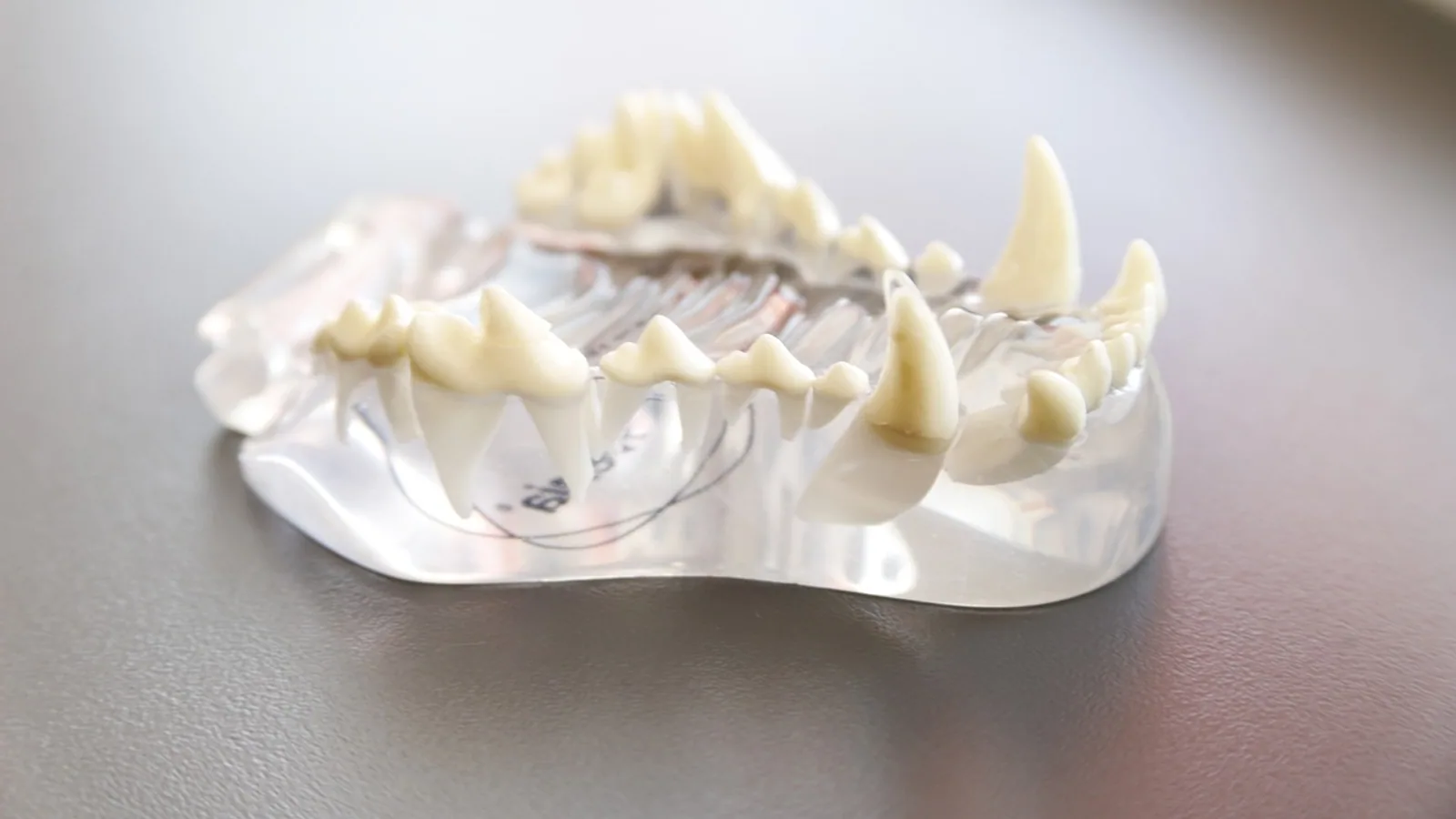
Bad breath in a dog can be mild or serious depending on the pattern, timing, and other signs. It may involve local irritation, discomfort, stress, injury, stomach upset, skin changes, or another medical problem. Call your veterinarian when signs are persistent, severe, or worsening.
What symptoms or causes should I watch for?
- Dental disease: Plaque, tartar, and gum inflammation are common causes.
- Broken tooth: A damaged tooth can be painful and infected.
- Oral mass: Growths in the mouth can cause odor or bleeding.
- Diet or chewing: Some foods and chews change breath odor.
- Systemic illness: Kidney, diabetes, or digestive problems can change breath.
What can I safely do at home right now?
- Keep your pet calm: Use a quiet room and limit rough activity until you know what is happening.
- Check the basics: Look for appetite changes, water intake, bathroom habits, breathing, pain, and energy level.
- Remove obvious risks: Pick up unsafe food, plants, medication, trash, string, toys, or chemicals.
- Record details: Write down when it started, how often it happens, and what changed recently.
- Call your vet: A dog owner should ask for guidance if the sign continues or the pet seems unwell.
When is this an emergency?
Go to an emergency veterinary clinic now if you notice:
- Trouble breathing, collapse, seizures, or severe weakness.
- Repeated vomiting, severe diarrhea, blood, or a swollen belly.
- Obvious pain, inability to walk normally, or crying when touched.
- Not eating, not drinking, or not urinating normally.
- Any rapidly worsening sign, especially in a puppy, kitten, senior pet, or chronically ill pet.
What will my veterinarian check?
Your veterinarian will use the history and physical exam to narrow the cause. They may recommend lab work, urine testing, stool testing, imaging, skin or ear tests, or other diagnostics based on the sign.
How can I reduce the risk next time?
Brush with pet-safe products when tolerated and keep veterinary dental exams on schedule.
Related veterinary guides
- Why Is My Dog Drinking So Much Water?
- Why Is My Dog Peeing So Much?
- Why Is My Dog Not Eating?
- Why Does My Dog Eat Grass?
References
- AVMA - Pet Dental Care
- AAHA - Dental Care Guidelines for Dogs and Cats
- AAHA - Senior Care Guidelines for Dogs and Cats
Disclaimer: This article is for educational and informational purposes only. It does not constitute medical advice, does not establish a vet-client-patient relationship, and should not replace an in-person evaluation by a licensed veterinarian.