Coconut Oil for Dog Teeth and Gums: Does It Work?
By Dr. Zubair Khalid, DVM, MS, PhD ·
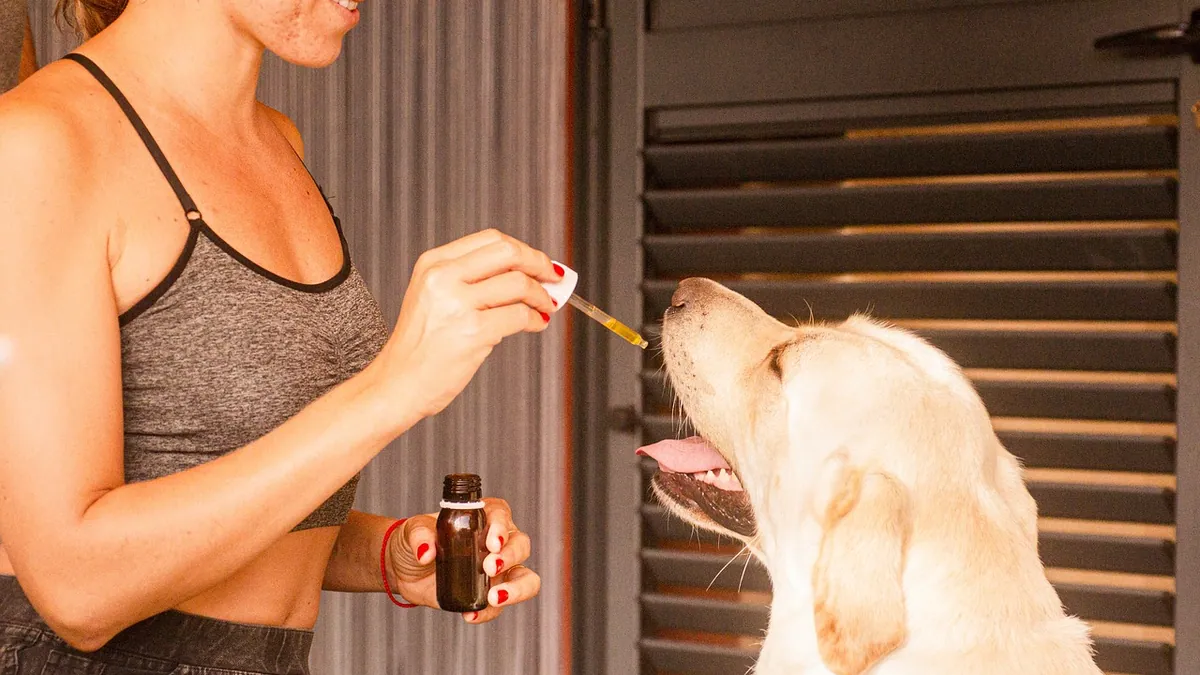
Coconut oil for dogs teeth is often promoted as a natural way to fight plaque, freshen breath, and avoid dental cleanings. The honest answer is that coconut oil is not a substitute for brushing or professional veterinary dental care, and there is no strong evidence that it removes plaque or treats gum disease on its own. It may be a harmless extra in some routines, but the real control comes from mechanical cleaning and products with published clinical support.
This article is educational and is not a substitute for veterinary diagnosis or treatment.
Quick Answer
- Coconut oil does not replace tooth brushing or professional dental cleanings under anesthesia. No evidence reviewed here shows it removes established plaque or treats periodontal disease.
- Active home care, especially tooth brushing, is the recommended foundation for preventing periodontal disease [1].
- Topical gels and probiotics have shown measurable plaque and gum benefits in dogs when applied on a set schedule, but these are specific veterinary products, not coconut oil [1][2][3].
- Anesthesia-free dentistry does not provide any demonstrable medical benefit for controlling periodontal disease in dogs [4].
- If your dog has bad breath, red gums, or loose teeth, see a veterinarian. Home remedies will not fix existing disease.
What the Evidence Says About Coconut Oil for Dogs Teeth and Gums
Owners often search for coconut oil for dogs teeth and gums because they want a gentle, low-stress option. That instinct is understandable. Brushing a dog's teeth can be awkward, and dental cleanings cost money and require anesthesia.
The problem is that the research on canine dental health does not point to coconut oil as an effective treatment. The studies that show real plaque reduction use specific formulations applied daily, such as a topical oral gel with antibiofilm enzymes, antiadhesive agents, and liquorice extracts [1], or a luteolin-based dental gel [2]. In one trial, dogs that received the topical gel once daily for 30 days had significantly lower oral health index, periodontal disease index, and gingival bleeding index than untreated dogs, even without mechanical action [1]. A separate study found that a luteolin dental gel significantly reduced plaque coverage over 30 days [2].
Those results are encouraging, but they apply to those exact products, not to coconut oil. Coconut oil has not been tested in the same way in published veterinary research. That does not mean it is dangerous. It means the claim that it cleans teeth or reverses gum disease is not supported by the evidence available.
There is also a bigger issue. Even products with proven plaque reduction are add-ons, not replacements for brushing. Dental home care, including active methods like tooth brushing, plays a critical role in preventing periodontal disease [1]. If you skip brushing and rely on a gel, oil, or chew alone, you are leaving the most effective tool on the shelf.
How Plaque Actually Forms and Why Mechanical Cleaning Matters
Plaque is a sticky film of bacteria that builds up on teeth within hours. If it stays put, it hardens into calculus, which irritates the gums and sets the stage for periodontal disease. Once calculus forms, no home product removes it. That requires scaling and polishing by a veterinarian.
This is why brushing works. The bristles physically disrupt the plaque film before it hardens. A study of dog owners found that oral hygiene practices were generally poor, and while dogs brushed more than once a week had lower calculus and gingiva index scores than dogs brushed less than once a month, the difference was not statistically significant in that sample [5]. That finding does not mean brushing is pointless. It means many owners brush too infrequently or inconsistently for the benefit to show clearly in a small study.
The takeaway is simple. Frequency and technique matter. A quick swipe once a month will not do much. A consistent routine, ideally daily, gives you the best chance of slowing plaque buildup.
A Realistic Daily Routine That Works
You do not need a perfect routine. You need one you can repeat.
Step 1: Get a baseline exam
Before you start any home care, have your veterinarian examine your dog's mouth. If there is existing tartar, gum disease, or a broken tooth, home care will not fix it. Your dog may need a professional cleaning first. After scaling and polishing, home care helps slow plaque from returning [1][2].
Step 2: Brush the teeth
Use a soft dog toothbrush and dog-safe toothpaste. Human toothpaste can upset a dog's stomach. Start slowly. Let your dog lick the paste, then touch the brush to one tooth, then build up over days or weeks. Aim for daily brushing. If daily is not possible, more often is better than less often [5].
Step 3: Add a proven adjunct if you want one
If your dog tolerates a gel or a chew, ask your veterinarian which product has evidence behind it. Some topical gels and probiotic products have shown plaque and gum benefits in clinical studies [1][2][3]. Dental chews can help too, but selection matters. See Dental Chews for Dogs: Efficacy, Safety, and Selection Criteria for how to choose one that fits your dog's size and chewing style.
Step 4: Decide where coconut oil fits
If you want to offer a small amount of coconut oil as a treat or to see if your dog likes it, that is a personal choice. Just do not count it as dental care. Do not rub it on the gums of a dog with inflamed or bleeding gums, because that can cause discomfort and does not treat the underlying disease. If your dog has a history of pancreatitis or digestive upset, talk to your veterinarian before adding any fat to the diet. For dogs with loose stools, see Dog Diarrhea Home Remedy Coconut Oil for why fat can be a problem for some dogs.
Step 5: Keep a schedule
Dental care is a habit, not a one-time event. Put it on your calendar.
Weekly and Monthly Dental Care Schedule
| Frequency | Task | Why it matters |
|---|---|---|
| Daily | Brush teeth with dog toothpaste | Disrupts plaque before it hardens [1] |
| Daily or as directed | Apply veterinarian-recommended gel or probiotic | Some products reduce plaque and gum inflammation [1][2][3] |
| Weekly | Check gums, breath, and teeth | Catches redness, bleeding, or bad breath early |
| Every 6 to 12 months | Veterinary oral exam | Your veterinarian decides if a cleaning is needed |
| As needed | Professional scaling and polishing under anesthesia | Removes calculus that home care cannot [1] |
Signs Something Is Wrong
Do not wait for a dental problem to become obvious. Dogs hide oral pain well.
- Bad breath that persists or worsens
- Red, swollen, or bleeding gums
- Yellow or brown buildup along the gumline
- Drooling more than usual
- Dropping food, chewing on one side, or refusing hard food
- Pawing at the mouth or rubbing the face
- Loose teeth or missing teeth
- Swelling around the eye or cheek
If you see any of these, book a veterinary visit. Gum disease in dogs is progressive, and early treatment is easier and less expensive than late treatment. For more on this, see How To Treat Gum Disease In Dogs.
Common Mistakes Owners Make
Mistake 1: Using coconut oil instead of brushing
This is the biggest one. Coconut oil for dogs teeth is not a brushing substitute. No evidence reviewed here shows it removes plaque or reverses gum disease. Brushing is the recommended active home care method [1].
Mistake 2: Skipping professional cleanings
Home care slows plaque, but it does not remove calculus. Once calculus is established, you need a veterinary cleaning under anesthesia. Anesthesia-free dentistry does not provide any demonstrable medical benefit for controlling periodontal disease in dogs [4].
Mistake 3: Brushing too rarely
Brushing once a month is not enough to make a clear difference in most dogs [5]. Aim for daily, or as close to daily as you can manage.
Mistake 4: Using human toothpaste
Human toothpaste often contains fluoride and sweeteners that can make dogs sick. Use dog-specific toothpaste only.
Mistake 5: Ignoring early signs
Red gums and bad breath are not normal. They are signs of inflammation. Treating them early is easier than treating advanced disease.
Mistake 6: Assuming a "natural" product is automatically safe or effective
Natural does not mean proven. Some natural ingredients, like liquorice extracts, have shown benefit in specific formulations [1]. That does not mean any natural oil or home remedy will work the same way.
Supplies and Setup That Matter
You do not need much, but the right supplies make a difference.
- Dog toothbrush: A soft brush sized for your dog's mouth. Finger brushes work for small dogs, but a handle brush often cleans better.
- Dog toothpaste: Poultry, peanut butter, or malt flavors are common. Never use human toothpaste.
- Veterinarian-recommended gel or probiotic: Ask which product has evidence for your dog's situation [1][2][3].
- Dental chews: Choose the right size and texture. Hard chews can fracture teeth. See Dental Chews for Dogs: Efficacy, Safety, and Selection Criteria.
- Coconut oil (optional): If you use it, keep it as a treat, not a treatment. Store it away from heat and check with your veterinarian if your dog has health conditions.
- Calendar or phone reminder: Consistency is the hardest part. A daily alarm helps.
For a broader overview of home dental care, see Preventative Dental Care For Dogs. If your dog is licking paws and you are using coconut oil for that, see Dog Licking Paws Coconut Oil.
Limitations and When to Contact a Veterinarian
The evidence on coconut oil for dogs teeth is limited. There is no strong clinical research showing it removes plaque, treats gum disease, or replaces brushing or professional cleanings. If your dog has existing dental disease, coconut oil will not fix it.
Contact your veterinarian for a routine visit if you notice:
- Persistent bad breath
- Red or bleeding gums
- Tartar buildup along the gumline
- Your dog chewing differently or dropping food
- You have not had a dental exam in the past year
Contact your veterinarian the same day if you notice:
- A suddenly swollen face or jaw
- A tooth that is visibly broken or loose
- Bleeding from the mouth that does not stop
- Your dog refuses to eat or drink
Seek emergency care now if you notice:
- Difficulty breathing
- Severe swelling around the throat or neck
- Collapse or extreme weakness
- Suspected ingestion of a toxic substance
For poison emergencies in the United States, call the ASPCA Animal Poison Control Center at (888) 426-4435 or the Pet Poison Helpline at (855) 764-7661. These numbers may charge a consultation fee.
Every dog is different. Your veterinarian needs to examine your dog to give specific advice.
Frequently Asked Questions
Can coconut oil replace brushing my dog's teeth?
No. Coconut oil does not replace brushing. Brushing is the recommended active home care method for preventing periodontal disease, and no evidence reviewed here shows coconut oil removes plaque or treats gum disease [1].
Is coconut oil pulling safe for dogs?
Coconut oil pulling is a human practice, and it is not a recognized dental treatment for dogs. There is no clinical evidence that oil pulling in dogs reduces plaque or improves gum health. If you want to try it, talk to your veterinarian first, and do not use it instead of proven care.
Can coconut oil cure gum disease in dogs?
No. Gum disease in dogs requires veterinary diagnosis and treatment. Coconut oil may be soothing to some dogs, but it does not treat the bacterial infection and inflammation that cause periodontal disease. See your veterinarian if you suspect gum disease.
How often should I brush my dog's teeth?
Daily is best. If daily is not possible, brush as often as you can. One study found that dogs brushed more than once a week had lower calculus and gingiva index scores than dogs brushed less than once a month, though the difference was not statistically significant in that sample [5].
Are there dental products for dogs with real evidence behind them?
Yes. Some topical gels and probiotic products have shown plaque and gum benefits in clinical studies [1][2][3]. Ask your veterinarian which product fits your dog's needs, and remember that these products support brushing, not replace it.
Related Articles
- Dog Licking Paws Coconut Oil
- Dental Chews for Dogs: Efficacy, Safety, and Selection Criteria
- Dog Diarrhea Home Remedy Coconut Oil
- Preventative Dental Care For Dogs
- How To Treat Gum Disease In Dogs
- Home Dental Care for Dogs: Brushing Technique and Enzymatic Chews
- Dog Teeth Spray for Plaque: Do They Work and Are They Safe?
- Dog Teeth Water Additives: Do They Really Work?
- Dog Teeth Cleaning Powder: Do Dental Supplements Really Work?
References
- Effects of a New Combination of Antibiofilm Enzymes, Antiadhesive Agents, and Liquorice Extracts on Plaque Accumulation in Dogs: An Unicenter, Controlled, and Randomized Study. Journal of veterinary dentistry, 2026.
- Clinical evaluation of a luteolin-based dental gel on dental plaque accumulation and gingival inflammation in dogs. The Journal of small animal practice, 2026.
- Innovative Application of Probiotic Bacteria to Reduce Dental Plaque in Dogs: A Pilot Study. Life (Basel, Switzerland), 2026.
- Anesthesia-free dentistry does not provide any demonstrable medical benefit for the control of periodontal disease in dogs. Journal of the American Veterinary Medical Association, 2026.
- Evidence Supporting Oral Hygiene Management by Owners through a Genetic Analysis of Dental Plaque Bacteria in Dogs. Veterinary sciences, 2024.