
Cat Teeth: Dental Anatomy, Cleaning, Resorption, and Oral Pain Signs
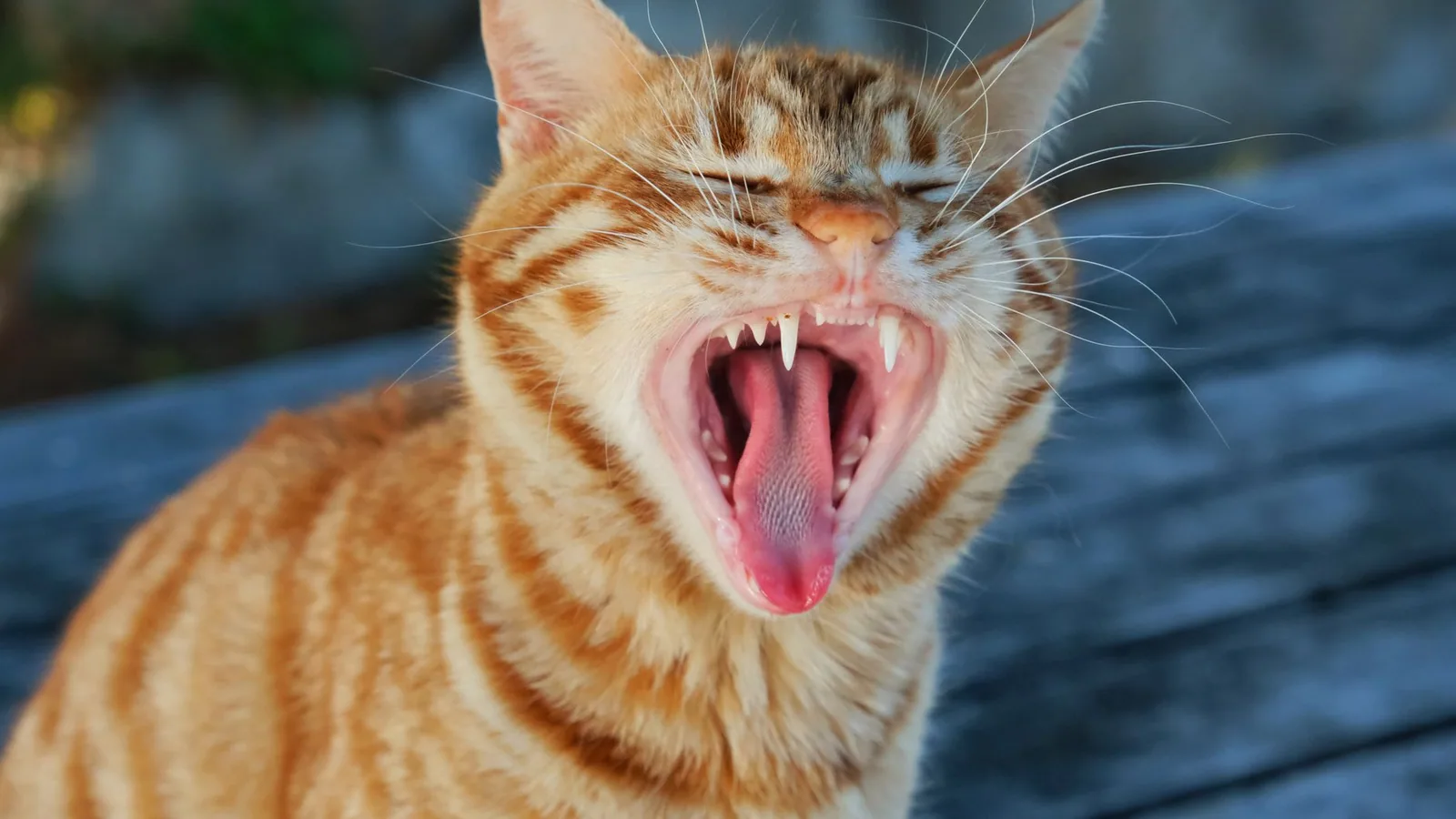
This article is educational and is not a substitute for veterinary diagnosis or treatment.
At a Glance: Key Takeaways for Cat Owners
Feline dental disease is the most common health problem seen in cats over three years of age, affecting more than 80% of the population [7, 17]. Many owners assume that bad breath (halitosis) is normal for cats, but it is often the first sign of underlying disease. Dental pain is frequently hidden, as cats are instinctive maskers of discomfort.
| Condition | Prevalence | Key Signs | Action Required |
|---|---|---|---|
| Periodontal disease | >80% of cats by age 3 [7] | Bad breath, red gums, drooling, difficulty eating | Professional dental cleaning under anesthesia |
| Tooth resorption | 29-66% depending on population [3] | Drooling, pawing at mouth, eating on one side | Dental x-rays; extraction or coronal amputation |
| Gingivitis | Very common | Bleeding gums, halitosis, reluctance to chew | Home brushing and professional cleaning |
| Chronic gingivostomatitis | Less common but severe | Severe mouth pain, drooling, weight loss | Multimodal therapy including extractions |
Your cat's teeth require the same level of care as your own. Without intervention, dental disease progresses silently, causing pain that many owners mistake for normal aging.
Feline Dental Anatomy: Kitten Teeth and Adult Teeth
Understanding the structure of cat teeth helps owners appreciate why dental disease is so common and why professional care is essential.
Kitten Teeth (Deciduous Teeth)
Kittens are born without teeth. Their deciduous (baby) teeth begin erupting at approximately 2 to 4 weeks of age. By 6 to 8 weeks, a kitten typically has 26 temporary teeth. These small, sharp teeth serve the kitten during weaning and early solid food consumption. Deciduous teeth are replaced by permanent teeth starting around 3 to 4 months of age, and the process is usually complete by 6 months.
Retained deciduous teeth occur when baby teeth do not fall out as permanent teeth erupt. This can cause malocclusion, plaque accumulation, and periodontal disease. Any deciduous tooth still present alongside its permanent counterpart should be extracted by a veterinarian.
Adult Cat Dentition
A healthy adult cat has 30 permanent teeth. The dental formula is:
- Incisors: 3/3 (upper/lower)
- Canines: 1/1
- Premolars: 3/2
- Molars: 1/1
Cats are obligate carnivores, and their teeth reflect this. The incisors are small and used for grasping and grooming. The long, pointed canine teeth (fangs) are designed for piercing and holding prey. The premolars and molars, particularly the upper fourth premolar and lower first molar (the carnassial pair), function as shearing blades to slice meat.
The Periodontium
The periodontium is the supporting structure of the tooth. It includes the gingiva (gums), periodontal ligament, cementum, and alveolar bone. The gingival sulcus is the shallow groove between the tooth and the gum. In health, this sulcus is 0.5 to 1 mm deep in cats. Probing depths greater than 1 mm indicate periodontitis [2].
The roots of feline teeth are proportionally long and slender compared to the crown. This anatomy makes extraction challenging, especially when disease has weakened the tooth structure [6].
Periodontal Disease: The Most Common Feline Oral Condition
Periodontal disease is an inflammatory condition affecting the tissues supporting the teeth. It begins with gingivitis (inflammation of the gums) and can progress to periodontitis (loss of attachment and bone).
Pathophysiology
Dental plaque, a biofilm of bacteria, accumulates on tooth surfaces. If not removed regularly, plaque mineralizes into calculus (tartar). The bacteria in plaque trigger an inflammatory response from the host immune system. This inflammation, if chronic, destroys the periodontal ligament and alveolar bone [2]. The RANK/RANKL/OPG signaling pathway governs osteoclast-mediated bone resorption, which is a hallmark of advanced periodontitis [7].
The oral microbiome in cats with periodontal disease shows marked dysbiosis compared to healthy cats [1]. This bacterial imbalance contributes to ongoing inflammation and tissue destruction.
Risk Factors
Age is a major risk factor. The prevalence of dental disease increases steadily as cats age, with most cats developing at least one oral abnormality by middle age [17]. Diet consistency also matters: soft food does not provide the mechanical abrasion that helps clean teeth. Breed size and genetics may influence susceptibility, though the evidence is less clear in cats than in dogs [7].
Clinical Signs
The earliest sign of periodontal disease is halitosis (bad breath). Owners often dismiss this as normal, but it signals bacterial overgrowth. As disease progresses, cats may show:
- Red, swollen, or bleeding gums (gingivitis)
- Drooling (ptyalism)
- Difficulty eating or dropping food
- Pawing at the mouth
- Weight loss
- Reluctance to play or groom
Advanced periodontitis leads to tooth mobility, gingival recession, and eventually tooth loss. Because the roots of feline teeth are short, a probing depth of just 1 mm or more should alert the clinician to the presence of periodontitis [2].
Systemic Consequences
Periodontal disease is not confined to the mouth. The inflammatory mediators and bacteria can enter the bloodstream, contributing to systemic disease. In cats, periodontal disease has been associated with chronic kidney disease (CKD). In one study, oral/dental disease was present in nearly 30% of cats with CKD and independently contributed to poorer quality of life [18].
A compelling case report documented complete resolution of chronic diarrhoea in a cat following treatment of periodontal disease, without any dietary changes [4]. This illustrates the potential role of oral disease in gastrointestinal health, a relationship well-established in human medicine.
Cat Tooth Resorption: A Painful and Common Condition
Tooth resorption (TR) is the progressive destruction of hard dental tissues (enamel, dentin, cementum) by odontoclasts. It is the most common dental disease in cats, with prevalence estimates ranging from 29% to 66% depending on the population studied [3, 6]. Some studies report that 20-75% of cats are affected [15].
Types of Tooth Resorption
The American Veterinary Dental College (AVDC) classifies tooth resorption into three types based on radiographic appearance:
- Type 1: The lesion appears as a radiolucent defect in the tooth, with normal periodontal ligament space and root opacity. This type is highly associated with inflammation and periodontal disease [3].
- Type 2: There is radiographic replacement of the root with bone (ankylosis), and the periodontal ligament space is obliterated. This type is less inflammatory.
- Type 3: Both Type 1 and Type 2 features are present in the same tooth.
Pathophysiology
The exact cause of tooth resorption remains unclear. Current evidence points to a chronic inflammatory process driven by the oral microbiome. In cats with FORL (feline odontoclastic resorptive lesion), gingival tissues show significantly upregulated expression of Toll-like receptors (TLR2, TLR3, TLR4, TLR7, TLR9) and both pro-inflammatory and anti-inflammatory cytokines (IL-1β, IL-6, TNF-α, IFN-γ) [15]. This confirms an ongoing chronic inflammatory response.
Some researchers have proposed links to vitamin D metabolism, calcium homeostasis, and renal function. One study found that increasing creatinine (CREA) values and decreasing BUN/CREA and ALB/GLOB ratios were associated with TR presence, suggesting a possible link with kidney function [3]. However, the relationship is likely complex and multifactorial.
Which Teeth Are Affected?
All teeth can be affected, but lesions are more common in certain teeth. The mandibular premolars and molars are frequently involved. Cats with clinically missing teeth are more likely to have tooth resorption [6].
Clinical Signs of Tooth Resorption
Tooth resorption is painful, often excruciatingly so [15]. However, cats are masters at hiding pain. Owners may notice:
- Drooling, sometimes with blood-tinged saliva
- Pawing at the mouth or head shaking
- Eating on one side of the mouth
- Dropping food while eating
- Reluctance to eat hard food
- Weight loss
- Behaviour changes (hiding, aggression when touched near the mouth)
On oral examination, a veterinarian may find a red, proliferative lesion at the gingival margin, often at the cementoenamel junction. In advanced cases, the crown may be partially or completely destroyed, leaving only root remnants.
Diagnosis: The Essential Role of Dental X-Rays
Clinical examination alone is insufficient for diagnosing tooth resorption. Visual and tactile methods only detect late-stage lesions when they become evident in the crown [6]. Intraoral dental radiography is the gold standard for diagnosis.
On radiographs, tooth resorption appears as irregularly marginated hypoattenuating defects in the mineral attenuating tooth components, most commonly involving the root or cementoenamel junction [8]. Computed tomography (CT) can also detect these lesions with good sensitivity, but dental radiography remains the most practical and accessible tool.
Treatment Options
The gold standard treatment for tooth resorption is extraction of the affected tooth [6]. However, teeth with resorptive lesions are notoriously difficult to extract because the root may be ankylosed (fused to bone) and fragile.
In Type 2 lesions where the root is completely replaced by bone, coronal amputation (removing the crown and leaving the root) is an accepted alternative. This avoids the trauma of attempting to extract a root that is no longer separate from the bone. The decision between extraction and coronal amputation relies on radiographic assessment [6].
There is currently no known treatment that prevents the development or progression of idiopathic tooth resorption [6]. Management focuses on treating affected teeth and providing pain relief.
Cat Gingivitis and Chronic Gingivostomatitis
Gingivitis is inflammation of the gingiva without loss of attachment. It is reversible with adequate plaque control [2]. When gingivitis progresses to involve the entire oral mucosa (the cheeks, tongue, palate), it becomes feline chronic gingivostomatitis (FCGS).
FCGS is a severe, painful condition characterized by chronic mucosal and gingival inflammation. Its pathogenesis remains unclear, but interactions between the host inflammatory process, the immune response, and the oral microbiome are implicated [1]. The microbiomes of cats with FCGS show marked dysbiosis at multiple oral sites [1].
Treatment of FCGS is challenging. Full-mouth or near-full-mouth extractions are often required to remove the antigenic stimulus of dental plaque. Adjunctive therapies include immunosuppressive medications, pain management, and in some cases, antiviral agents. Poly(sodium 4-styrene sulfonate) (PSSNa) has shown promise as a topical antiviral against feline calicivirus, which is associated with oral inflammation [13].
Cat Bad Breath: More Than Just an Odor Problem
Halitosis in cats is never normal. It is the most common sign of oral disease that owners recognize. The odor is produced by volatile sulfur compounds released by bacteria in the mouth.
While halitosis is most often due to periodontal disease or tooth resorption, it can also signal other problems:
- Oral tumors (squamous cell carcinoma is common in cats)
- Kidney disease (uremic breath)
- Diabetes mellitus (ketone breath)
- Sialoliths (salivary stones) [20]
Any persistent bad breath warrants a veterinary oral examination.
Cat Dental Cleaning: Professional and Home Care
Professional Dental Cleaning Under Anesthesia
Professional dental cleaning (also called periodontal therapy or a dental prophy) is performed under general anesthesia. This is not optional. Conscious scaling is painful, stressful, and dangerous for the cat, and it does not allow for subgingival cleaning or dental radiography.
The 2025 FelineVMA feline oral health and dental care guidelines emphasize that anesthesia is an essential component of feline dentistry [9]. The procedure includes:
- Pre-anesthetic assessment: Blood work, physical examination, and risk assessment.
- Oral examination: Full-mouth evaluation of each tooth, including probing depths.
- Dental radiography: Full-mouth radiographs are recommended to detect hidden disease, including tooth resorption and root abscesses.
- Supragingival and subgingival scaling: Removal of plaque and calculus using ultrasonic and hand scalers.
- Polishing: Smoothing the enamel surface to slow plaque reattachment.
- Periodontal therapy: Treatment of pockets, application of barrier sealants, or extraction of non-viable teeth.
- Pain management: Multimodal analgesia including local nerve blocks [9, 16].
The frequency of professional cleaning depends on the individual cat. Some cats require cleaning every 6 months; others may go 1-2 years. Your veterinarian will recommend a schedule based on your cat's oral health status.
Emerging Therapies
Low-level laser therapy (LLLT) has shown promise as an adjunct to scaling in cats with early-stage periodontal disease. In one study, LLLT combined with chlorhexidine produced greater improvements in gingival inflammatory indices, reduced gingival temperature, and decreased systemic inflammatory cytokines compared to chlorhexidine alone [5]. Similarly, therapeutic ultrasound as an adjunct to periodontal therapy improved probing pocket depth and gingival index in cats with stage 1-2 periodontal disease [11].
These therapies are not yet standard of care but represent evolving options for managing early disease.
Home Brushing: The Gold Standard for Prevention
Daily tooth brushing is the single most effective way to prevent periodontal disease in cats [7, 21]. The Cornell Feline Health Center recommends brushing your cat's teeth daily using a pet-specific toothbrush and veterinary toothpaste [21]. Human toothpaste is toxic to cats due to fluoride and xylitol content.
How to Brush Your Cat's Teeth
- Start slowly: Let your cat taste the toothpaste first. Use a finger to gently rub the gums.
- Introduce the brush: Use a soft-bristled brush designed for cats. A finger brush can also work.
- Focus on the gumline: Hold the brush at a 45-degree angle to the teeth and use small circular motions. The most important area is the gingival sulcus, where plaque accumulates.
- Be consistent: Aim for daily brushing. Even 3-4 times per week provides significant benefit.
- Reward your cat: Follow brushing with a treat or play to create a positive association.
Alternatives to Brushing
If brushing is not possible, other products can help:
- Dental diets: Prescription dental diets are formulated with kibble that mechanically abrades plaque as the cat chews.
- Dental treats and chews: Look for products with the Veterinary Oral Health Council (VOHC) seal of acceptance.
- Water additives and rinses: Chlorhexidine-based rinses can reduce plaque, but they are less effective than brushing [7].
- Barrier sealants: Applied to teeth after cleaning, these create a protective coating that slows plaque formation.
Unsafe Home Remedies
Do not use the following on your cat's teeth:
- Human toothpaste (contains xylitol and fluoride, both toxic)
- Baking soda (alters oral pH and can cause stomach upset)
- Hydrogen peroxide (damages oral tissues)
- Coconut oil pulling (no evidence of benefit in cats)
- Anesthesia-free dental cleaning (stressful, ineffective, and dangerous)
Signs of Dental Pain in Cats
Cats are stoic animals. They evolved to hide pain as a survival mechanism. Dental pain is frequently missed by owners and even by veterinarians during conscious examination [12].
Observable Signs of Oral Pain
A 2022 prospective study identified several clinical signs significantly associated with higher pain scores in cats [12]:
- Mouth discomfort: Reluctance to open the mouth, head shaking, pawing at the face
- Halitosis: Bad breath
- Hypersalivation: Drooling, sometimes with blood
- Difficulty holding food: Dropping food, eating on one side
- Several attempts at prehension: Repeatedly trying to pick up food before succeeding
The number of missing teeth was also significantly associated with higher pain scores [12]. This suggests that cats who have lost teeth due to disease have been living with chronic pain.
Pain After Dental Procedures
Dental extractions cause significant postoperative pain. In a blinded clinical trial, cats undergoing multiple extractions had significantly higher pain scores than cats with minimal dental treatment [16]. Rescue analgesia was required in 91.7% of cats in the severe disease group, compared to 0% in the minimal disease group. Pain scores remained elevated for up to 4 days postoperatively.
This underscores the importance of multimodal analgesia, including local nerve blocks, non-steroidal anti-inflammatory drugs, and opioid pain relievers, for any cat undergoing dental surgery [9, 16].
The Colorado Pain Scale
The Colorado State University Feline Acute Pain Scale (CPS) is a validated tool for assessing pain in cats. It evaluates behavioral indicators such as posture, activity, and response to touch. In research settings, higher CPS scores correlate with more severe dental disease [12].
Why Dental Pain Matters
Chronic oral pain affects every aspect of a cat's life. It reduces food intake, leading to weight loss and malnutrition. It impairs grooming, leading to a poor coat. It can cause behaviour changes such as hiding, aggression, or decreased interaction with family members. In cats with CKD, the presence of oral disease independently reduces quality of life scores [18].
Dental disease is also a risk factor for mortality. In a longitudinal study of aging cats, dental disease was one of the most prevalent conditions, and multimorbidity (having two or more diseases) was common [17].
Veterinary Examination and Diagnostics
Conscious Oral Examination
The awake examination is limited. A veterinarian can assess the face, lips, and visible parts of the teeth and gums. However, most dental pathology is below the gumline. A cat that resents mouth opening may be in pain, which is itself a clinical sign.
Examination Under Anesthesia
Full assessment requires general anesthesia. This allows:
- Complete visual examination of all tooth surfaces
- Periodontal probing of each tooth
- Assessment of furcation exposure (bone loss between roots)
- Detection of tooth mobility
Dental Radiography
Dental x-rays are essential for diagnosing tooth resorption, root abscesses, retained roots, and periodontal bone loss. Without radiographs, many lesions are missed [6, 8]. The FelineVMA guidelines recommend full-mouth radiographs as part of every professional dental cleaning [9].
Advanced Imaging
CT scanning can detect tooth resorption with good sensitivity, though dental radiography remains the clinical standard [8]. CT is more commonly used for evaluating oral tumors or complex cases.
Prevention and Prognosis
Prevention
Prevention of dental disease in cats requires a multipronged approach:
- Daily tooth brushing: The single most effective intervention [21].
- Regular professional cleanings: As recommended by your veterinarian.
- Dental diet: Prescription diets can help reduce plaque accumulation.
- Routine veterinary examinations: At least annually, with oral assessment.
- Early intervention: Address gingivitis before it progresses to periodontitis.
Prognosis
With appropriate treatment, most cats with dental disease can achieve comfort and improved quality of life. Gingivitis is reversible with plaque control [2]. Periodontitis is irreversible but can be managed to prevent progression. Tooth resorption requires extraction of affected teeth, after which cats typically experience significant pain relief.
Cats with FCGS have a more guarded prognosis. Many require full-mouth extractions, and some continue to have inflammation even after all teeth are removed. However, a majority of cats with FCGS improve significantly after extraction.
Emergency Red Flags
Seek immediate veterinary attention if your cat shows:
- Complete refusal to eat or drink for more than 24 hours
- Visible oral bleeding that does not stop
- Swelling of the face or jaw (may indicate a tooth root abscess)
- Difficulty breathing or open-mouth breathing
- Lethargy and collapse
- Blood in the saliva
- A visible oral mass or growth
These signs can indicate serious conditions such as oral tumors, severe infection, or systemic disease.
The Clinical Reality of Feline Dental Disease: What Owners Need to Know
Dental disease in cats is not merely a cosmetic issue or a source of bad breath. It is a chronic, progressive, painful condition that affects the majority of cats by middle age [7, 17]. The clinical reality is that many cats live with undiagnosed oral pain for years because the signs are subtle and easily attributed to normal aging or temperament. Understanding the clinical reasoning behind diagnosis and treatment helps owners become better advocates for their cats.
Why Dental Disease Is So Often Missed
Cats are descended from solitary hunters who could not afford to show weakness. This evolutionary pressure has made them masters at concealing pain. A cat with a severely resorbing tooth or advanced periodontitis may still eat, groom, and interact, albeit with subtle modifications that owners may not recognize as abnormal.
The discrepancy between what owners observe and what veterinarians find under anesthesia is striking. In one study, the number of missing teeth was significantly associated with higher pain scores, meaning that cats who had already lost teeth to disease had been living with chronic pain [12]. Owners often report that their cat seemed fine, only to discover multiple diseased teeth during a professional cleaning.
This is why routine professional oral examinations under anesthesia are critical. A conscious examination, even by an experienced veterinarian, can only detect a fraction of existing pathology. The vast majority of dental disease in cats is below the gumline or hidden within the tooth structure itself.
The Diagnostic Workflow: From Suspicion to Confirmation
When a cat presents for a dental evaluation, the diagnostic process follows a structured pathway that combines history, physical examination, and advanced imaging.
History Taking: The veterinarian will ask about eating habits, grooming behavior, and any changes in activity or temperament. Specific questions may include whether the cat drops food, chews on one side, or shows reluctance to eat hard kibble. Owners should also report any episodes of drooling, pawing at the mouth, or bad breath.
Conscious Oral Examination: This is limited but still valuable. The veterinarian will assess the cat's face for symmetry, check for swelling or discharge, and examine the visible portions of the teeth and gums. A cat that resents mouth opening may be in pain, which is itself a clinical sign. However, many cats with significant disease will allow a brief oral exam without overt protest.
Pre-Anesthetic Assessment: Before any dental procedure, blood work is essential to evaluate organ function, particularly kidney values. This is especially important because dental disease and chronic kidney disease often coexist [18]. The anesthetic protocol must be tailored to the individual cat's health status.
Examination Under Anesthesia: Once the cat is anesthetized and intubated, a complete oral examination is performed. Each tooth is evaluated for mobility, probing depth, furcation exposure, and visible lesions. The gingival sulcus is probed with a periodontal probe; depths greater than 1 mm indicate periodontitis [2].
Dental Radiography: Full-mouth radiographs are the gold standard for diagnosing hidden pathology [6, 8, 9]. Radiographs can reveal tooth resorption, root abscesses, retained roots, periodontal bone loss, and other conditions invisible to the naked eye. Without radiographs, many lesions are missed, and treatment decisions are made with incomplete information.
Treatment Planning: Based on the examination and radiographs, the veterinarian develops a treatment plan. This may include scaling and polishing, periodontal therapy, extraction of diseased teeth, or coronal amputation for Type 2 resorptive lesions [6]. The plan is discussed with the owner before proceeding.
Evidence Limitations in Feline Dentistry
It is important for owners to understand that the evidence base in feline dentistry has limitations. Many studies are observational, retrospective, or based on small sample sizes. Randomized controlled trials are relatively rare due to the practical and ethical challenges of conducting them in client-owned animals.
For example, the optimal frequency of professional dental cleaning has not been established through rigorous clinical trials. Recommendations are based on expert opinion, extrapolation from human and canine dentistry, and clinical experience. Similarly, the efficacy of various home care products varies widely, and not all products with marketing claims have been tested in controlled studies.
The Veterinary Oral Health Council (VOHC) provides a seal of acceptance for products that meet specific standards for plaque and calculus reduction. Owners should look for this seal when selecting dental diets, treats, or water additives. However, even VOHC-accepted products are not a substitute for professional care.
Owner Observation: What to Watch For Between Visits
Owners play a crucial role in early detection of dental disease. While cats hide pain well, there are subtle signs that can indicate oral discomfort.
Eating Behavior: Watch how your cat eats. Does she approach food eagerly or hesitantly? Does she chew on one side of her mouth? Does she drop kibble while eating? Does she take several attempts to pick up food before succeeding? These behaviors are significantly associated with higher pain scores [12].
Grooming Habits: A cat with oral pain may groom less frequently, leading to a dull or unkempt coat. Alternatively, some cats will overgroom as a displacement behavior.
Social Interaction: Dental pain can cause behavioral changes such as hiding, decreased interaction with family members, or aggression when touched near the head or mouth. These changes are often attributed to aging but may actually reflect chronic pain.
Drooling and Pawing: Drooling, especially if blood-tinged, is a classic sign of oral disease. Pawing at the mouth or head shaking may indicate tooth resorption or a foreign body.
Bad Breath: Halitosis is the most common sign owners recognize. It is never normal and always warrants investigation.
Weight Loss: Unexplained weight loss can be a sign of chronic oral pain that reduces food intake. In older cats, weight loss should always prompt a dental evaluation.
Preparing for a Veterinary Dental Visit
A professional dental cleaning is a significant medical procedure that requires general anesthesia. Owners should be prepared for the following:
Pre-Visit Preparation: Follow your veterinarian's instructions regarding fasting before anesthesia. Typically, food is withheld for 8-12 hours, but water may be allowed until the morning of the procedure.
What to Expect: The procedure typically takes several hours, including pre-anesthetic assessment, induction, dental cleaning, radiography, and any necessary extractions. Your cat will likely be hospitalized for the day.
Post-Operative Care: After the procedure, your cat may be groggy from anesthesia. Pain medication will be prescribed, especially if extractions were performed. Soft food may be recommended for several days. Follow all post-operative instructions carefully.
Cost Considerations: Professional dental cleaning can be expensive, particularly if extractions are needed. Pet insurance that covers dental procedures can help offset costs. Some clinics offer dental health plans that include annual cleanings at a reduced rate.
Prevention: A Lifelong Commitment
Preventing dental disease requires a multipronged approach that begins early in life. Kittens should be introduced to tooth brushing gradually, using positive reinforcement. The Cornell Feline Health Center recommends daily brushing using a pet-specific toothbrush and veterinary toothpaste [21].
For cats that will not tolerate brushing, alternatives include dental diets, treats, and water additives. However, these are less effective than brushing and should be considered adjuncts rather than replacements.
Regular professional cleanings are essential, even for cats that receive excellent home care. The frequency depends on the individual cat's oral health status. Some cats require cleaning every 6 months; others may go 1-2 years.
Special Population Considerations
Senior Cats: Older cats are at higher risk for both dental disease and systemic conditions such as chronic kidney disease [17, 18]. Dental disease can exacerbate kidney disease through systemic inflammation, and treating oral disease can improve quality of life [18]. However, anesthesia in senior cats requires careful planning, including pre-anesthetic blood work and tailored anesthetic protocols.
Cats with Chronic Kidney Disease: The relationship between dental disease and CKD is bidirectional. Oral inflammation contributes to systemic inflammation, which can worsen kidney function. Conversely, CKD can affect calcium and phosphorus metabolism, potentially influencing tooth resorption [3]. Cats with CKD should receive regular dental evaluations, and any dental procedure should be coordinated with management of their kidney disease.
Cats with Feline Chronic Gingivostomatitis (FCGS): This severe condition requires aggressive treatment, often including full-mouth extractions. Even after extraction, some cats continue to have inflammation. Adjunctive therapies may include immunosuppressive medications, pain management, and antiviral agents [13]. The prognosis is guarded, but many cats improve significantly after extraction.
Cats with Diabetes Mellitus: Dental disease can complicate diabetes management by contributing to systemic inflammation and insulin resistance. Treating dental disease may improve glycemic control. However, diabetic cats require careful monitoring during anesthesia.
Brachycephalic Cats: Breeds with flat faces, such as Persians and Himalayans, may have dental crowding that predisposes them to periodontal disease. Their anatomy can also make intubation and dental procedures more challenging.
Prognosis: What Owners Can Expect
With appropriate treatment, most cats with dental disease can achieve significant improvement in comfort and quality of life.
Gingivitis: Reversible with plaque control. Daily brushing and professional cleaning can restore gingival health [2].
Periodontitis: Irreversible but manageable. Treatment focuses on arresting progression and preserving remaining tooth support. Affected teeth may require extraction.
Tooth Resorption: Requires extraction of affected teeth. After extraction, cats typically experience significant pain relief. However, new lesions can develop in other teeth over time [6].
FCGS: Variable prognosis. Many cats improve after full-mouth extraction, but some continue to have inflammation. Ongoing management may be required.
The Bottom Line for Owners
Feline dental disease is common, painful, and progressive. It is not a normal part of aging. With regular professional care and diligent home brushing, most cats can maintain oral health and comfort throughout their lives.
Owners should not wait for obvious signs of pain before seeking dental care. By the time a cat shows clear signs of discomfort, the disease is often advanced. Routine annual oral examinations under anesthesia, with full-mouth radiographs, are the best way to detect and treat dental disease early.
Your cat depends on you to recognize the subtle signs of oral pain and to provide the care needed to prevent and treat dental disease. The investment in professional dental care is an investment in your cat's overall health, comfort, and quality of life.
Frequently Asked Questions
1. How many teeth do cats have? Kittens have 26 deciduous teeth, and adult cats have 30 permanent teeth.
2. Is it normal for my cat to have bad breath? No. Halitosis is the most common sign of dental disease and should be evaluated by a veterinarian.
3. Can I clean my cat's teeth without anesthesia? No. Professional dental cleaning requires general anesthesia to allow thorough examination, radiography, and subgingival cleaning. Anesthesia-free cleaning is ineffective and stressful.
4. What is tooth resorption in cats? Tooth resorption is the progressive destruction of tooth structure by the cat's own cells. It is the most common dental disease in cats and causes significant pain.
5. How often should I brush my cat's teeth? Daily brushing is ideal. Even 3-4 times per week provides significant benefit.
6. What are the signs of dental pain in cats? Signs include drooling, pawing at the mouth, eating on one side, dropping food, bad breath, and behaviour changes such as hiding or aggression.
7. Do cats need dental x-rays? Yes. Dental radiography is essential for diagnosing tooth resorption, periodontal bone loss, and other hidden pathology.
8. Can dental disease affect my cat's overall health? Yes. Periodontal disease is associated with systemic inflammation, kidney disease, and gastrointestinal problems. Treating dental disease can improve overall health and quality of life.
Related Veterinary Guides
- Feline Chronic Kidney Disease: A Complete Guide
- Feline Upper Respiratory Infections
- Pain Management in Cats
- Senior Cat Health and Wellness
References
[1] Anderson JG, Rojas CA, Scarsella E et al. The Oral Microbiome across Oral Sites in Cats with Chronic Gingivostomatitis, Periodontal Disease, and Tooth Resorption Compared with Healthy Cats. Animals (Basel). 2023. https://pubmed.ncbi.nlm.nih.gov/38003162/
[2] Perry R, Tutt C. Periodontal disease in cats: back to basics, with an eye on the future. J Feline Med Surg. 2015. https://pubmed.ncbi.nlm.nih.gov/25527493/
[3] Whyte A, Tejedor MT, Whyte J et al. Blood Parameters and Feline Tooth Resorption: A Retrospective Case Control Study from a Spanish University Hospital. Animals (Basel). 2021. https://pubmed.ncbi.nlm.nih.gov/34359253/
[4] Taylor S, Tewson C, Edmondson V. Resolution of Chronic Diarrhoea Following Treatment of Periodontal Disease in a Cat. Animals (Basel). 2026. https://pubmed.ncbi.nlm.nih.gov/41828967/
[5] Turgut F, Yanmaz LE, Ates MY. Adjunctive low-level laser therapy improves gingival inflammatory clinical indices, thermographic findings, and systemic cytokines in cats with American Veterinary Dental College stage 1 to 2 periodontal disease. Am J Vet Res. 2026. https://pubmed.ncbi.nlm.nih.gov/41592451/
[6] Gorrel C. Tooth resorption in cats: pathophysiology and treatment options. J Feline Med Surg. 2015. https://pubmed.ncbi.nlm.nih.gov/25527492/
[7] Hendy E, Behery AE, Gomaa M et al. Overview of Periodontal Disease in Dogs and Cats. J Vet Dent. 2026. https://pubmed.ncbi.nlm.nih.gov/41712493/
[8] Lang LG, Wilkinson TE, White TL et al. COMPUTED TOMOGRAPHY OF TOOTH RESORPTION IN CATS. Vet Radiol Ultrasound. 2016. https://pubmed.ncbi.nlm.nih.gov/27377036/
[9] Lobprise H Co-Chair, St Denis K Co-Chair, Anderson JG et al. 2025 FelineVMA feline oral health and dental care guidelines. J Feline Med Surg. 2025. https://pubmed.ncbi.nlm.nih.gov/41319038/
[10] Frost P, Williams CA. Feline dental disease. Vet Clin North Am Small Anim Pract. 1986. https://pubmed.ncbi.nlm.nih.gov/3490037/
[11] Turgut F, Yanmaz LE, Tosunoglu IE et al. Efficacy of therapeutic ultrasound as an adjunct to periodontal therapy in cats with early-stage periodontal disease. Vet J. 2026. https://pubmed.ncbi.nlm.nih.gov/41707829/
[12] Palmeira I, Fonseca MJ, Lafont-Lecuelle C et al. Dental Pain in Cats: A Prospective 6-Month Study. J Vet Dent. 2022. https://pubmed.ncbi.nlm.nih.gov/35603830/
[13] Synowiec A, Pachota M, Krejmer-Rabalska M et al. Antiviral effect of poly(styrene 4-sulfonate) (PSSNa) on feline calicivirus oral infections in cats-field study. Vet Q. 2026. https://pubmed.ncbi.nlm.nih.gov/41549825/
[14] Karakaya-Bilen E, Akgül G, Yılmaz-Koc O. Suspected Feline Calicivirus Infection Triggering Ulcerative Oral and Skin Lesions in Cats Following Routine Ovariohysterectomy: A Postoperative Risk Assessment. Vet Med Sci. 2025. https://pubmed.ncbi.nlm.nih.gov/40728089/
[15] Thomas S, Lappin DF, Spears J et al. Expression of Toll-like receptor and cytokine mRNAs in feline odontoclastic resorptive lesion (FORL) and feline oral health. Res Vet Sci. 2022. https://pubmed.ncbi.nlm.nih.gov/36113248/
[16] Watanabe R, Doodnaught G, Proulx C et al. A multidisciplinary study of pain in cats undergoing dental extractions: A prospective, blinded, clinical trial. PLoS One. 2019. https://pubmed.ncbi.nlm.nih.gov/30822336/
[17] Pye CR, Dowgray NJ, Eyre K et al. Patterns of morbidity, multimorbidity, and mortality in aging cats: findings from seven years of the Cat Prospective Ageing and Welfare Study. Front Vet Sci. 2026. https://pubmed.ncbi.nlm.nih.gov/42427977/
[18] Chortara I, Chatzipanagiotidou I, Moutsopoulou I et al. A Real-World Data Analysis on Feline Chronic Kidney Disease in Greece: Clinical Profiles, Comorbidities, and Quality of Life. Vet Sci. 2026. https://pubmed.ncbi.nlm.nih.gov/41745987/
[19] Jeon S, Lee G, Kim JK et al. Transarterial Embolisation as Palliative Therapy for Oral Tumours in Canine and Feline Patients: A Retrospective Case Series. Vet Comp Oncol. 2026. https://pubmed.ncbi.nlm.nih.gov/41565473/
[20] Collados J, Fuertes-Recuero M, Rice CA et al. Sialolith in a minor salivary gland of an 8-year-old European domestic shorthair cat: a case report. Vet Res Commun. 2025. https://pubmed.ncbi.nlm.nih.gov/41317306/
[21] Cornell Feline Health Center: Brushing Your Cat's Teeth. https://www.vet.cornell.edu/departments-centers-and-institutes/cornell-feline-health-center/health-information/feline-health-topics/brushing-your-cats-teeth
[22] AVMA Pet Dental Care. https://www.avma.org/resources-tools/pet-owners/petcare/pet-dental-care