What Are SSRIs? Selective Serotonin Reuptake Inhibitors
By Dr. Zubair Khalid, DVM, MS, PhD ·
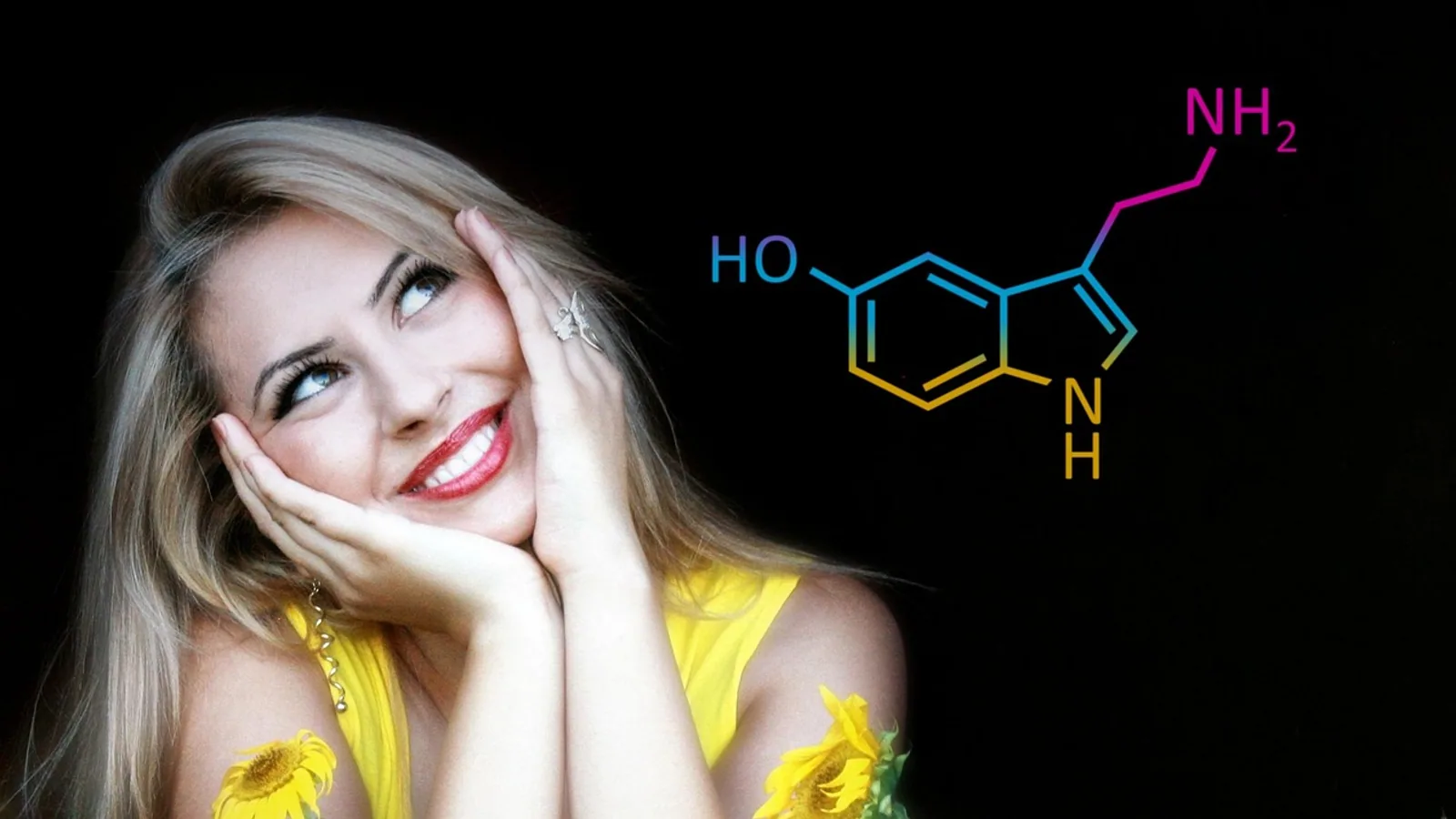
Selective serotonin reuptake inhibitors (SSRIs) are a drug class that blocks the serotonin transporter protein, known as SERT and encoded by the gene SLC6A4, on the presynaptic nerve terminal. Blocking SERT leaves more serotonin (5-hydroxytryptamine, or 5-HT) in the synaptic cleft, which strengthens serotonergic signaling. In veterinary medicine, SSRIs are used almost entirely for behavior problems in dogs and cats, most often as one part of a broader plan that includes behavior modification and environmental change. A small number of agents dominate practice: fluoxetine, paroxetine, sertraline, and escitalopram. This article explains the mechanism precisely, separates SSRIs from older antidepressants, and covers the safety issues that matter most in clinical practice.
This article is educational and is not a substitute for veterinary diagnosis or treatment.
At a Glance
| Feature | Detail |
|---|---|
| Active ingredients | Fluoxetine, paroxetine, sertraline, escitalopram (and citalopram, fluvoxamine) |
| Target | Serotonin transporter (SERT, SLC6A4) on the presynaptic terminal |
| Species used in | Dogs and cats (veterinary behavior), humans (psychiatry) |
| Minimum age or weight | Not established as a single class rule. Follow the product label and prescribing veterinarian |
| How it is given | Oral, usually once every 24 hours. Fluoxetine is commonly dosed once daily in dogs and cats [1] |
| How fast it works | Onset of clinical behavior change is typically weeks, not days. Human antidepressant response commonly requires 2 to 6 weeks |
| How long it lasts | Effects persist with daily dosing. Do not stop abruptly |
| Prescription or OTC | Prescription only in the United States for veterinary behavior use |
| Key risk | Serotonin syndrome when combined with MAOIs, tramadol, or other serotonergic drugs |
What SSRIs Are and What They Treat
An SSRI is a molecule that binds the serotonin transporter and prevents it from pulling serotonin back into the presynaptic neuron. The transporter is the normal cleanup mechanism for serotonin in the synapse. When it is inhibited, serotonin stays in the extracellular space longer and can act repeatedly on postsynaptic receptors.
The name has three parts worth unpacking. "Selective" means the drug has much greater affinity for the serotonin transporter than for the norepinephrine transporter (NET) or the dopamine transporter (DAT). "Serotonin" names the neurotransmitter whose synaptic concentration rises. "Reuptake inhibitor" describes the action: blocking the re-uptake of transmitter back into the nerve terminal.
In human medicine, SSRIs treat major depressive disorder, generalized anxiety, panic disorder, post-traumatic stress disorder, and obsessive-compulsive disorder. In veterinary behavior practice, the same pharmacology is applied to anxiety-related and compulsive problems in dogs and cats. A survey of small animal veterinarians found that the primary use of fluoxetine was behavior problems, organized into categories including anxieties, aggression, compulsive disorders, and phobias or fear, with anxieties the most common [1]. A large retrospective study of primary care hospitals in the United States found that fluoxetine was prescribed to 0.02% of canine patients over an 11-year period, and among dogs carrying a behavior problem label, 0.14% received fluoxetine [2]. Those numbers show how narrow the prescribing base is compared with trazodone, which was prescribed to 1.33% of dogs in the same dataset [2].
How SSRIs Work at the Synapse
The normal serotonin cycle
Serotonergic neurons originate mainly in the raphe nuclei of the brainstem and project widely through the forebrain and limbic system. The cycle at each terminal runs in five steps.
- Serotonin is synthesized in the presynaptic neuron from the amino acid tryptophan.
- It is packaged into vesicles by the vesicular monoamine transporter.
- An action potential triggers vesicle fusion and serotonin release into the synaptic cleft.
- Serotonin binds postsynaptic receptors, including the 5-HT1A, 5-HT2, and 5-HT3 families.
- SERT removes serotonin from the cleft and returns it to the presynaptic terminal, where it is either repackaged or broken down by monoamine oxidase.
SERT is the rate-limiting step in this clearance process. It is a sodium- and chloride-dependent transporter of the solute carrier 6 family. Its gene name is SLC6A4, and the protein is expressed on the presynaptic membrane of serotonergic neurons, on platelets, and on several other cell types.
What the drug does
An SSRI binds SERT and holds it in a conformation that cannot complete the transport cycle. Serotonin accumulates in the synaptic cleft. Postsynaptic receptors see a higher and longer-lasting serotonin signal.
Three points prevent the most common misunderstandings.
First, SSRIs do not increase serotonin synthesis. Tryptophan hydroxylase activity and serotonin production are not the drug's target. The drug changes the lifetime of serotonin already released, not the amount manufactured.
Second, SSRIs do not act on the norepinephrine or dopamine transporters at therapeutic concentrations. That selectivity is what separates them from tricyclic antidepressants (TCAs), which block both serotonin and norepinephrine reuptake and also carry anticholinergic and cardiac conduction effects.
Third, SERT is not the only clearance route for serotonin in every brain region. Research in the basolateral amygdala, a hub for emotional processing, shows that the organic cation transporter 3 (OCT3) also contributes to serotonin clearance. In mice, depleting SERT from serotonin neurons prolonged serotonin clearance in the basolateral amygdala only at relatively low serotonin concentrations, while depleting OCT3 prolonged clearance across a wider concentration range. The SSRI fluvoxamine prolonged clearance in wild-type and OCT3 knockdown mice to a similar degree, and that effect disappeared in mice with SERT depletion [3]. The practical reading is that SERT is the principal SSRI target, but serotonin homeostasis in some circuits depends on more than one transporter.
Why the effect takes weeks
SERT blockade happens within hours of the first dose. The clinical response does not. In human psychiatry, the therapeutic lag for SSRIs is commonly 2 to 6 weeks. Several mechanisms are proposed, and the field has not settled on one.
Acute SERT inhibition raises serotonin at the cell bodies of the raphe nuclei as well as at projection terminals. That activates 5-HT1A autoreceptors, which reduce firing of serotonergic neurons and blunt serotonin release. With continued dosing, these autoreceptors desensitize, firing recovers, and net serotonergic transmission rises. Spatial transcriptomics in mice supports this sequence: Htr1a expression in the dorsal raphe nucleus increased after acute fluoxetine treatment and decreased after chronic administration, consistent with transporter blockade acting on 5-HT1A autoreceptors over time [4]. The same study found that both acute and chronic fluoxetine produced wide changes in gene expression in the dorsal raphe, with enrichment in Ras, MAPK, and cAMP signaling pathways and in axonal guidance pathways [4].
Downstream adaptations follow. Chronic SSRI exposure alters dendritic spine density and neuroplasticity signaling in stress models [5]. Acute SSRI challenge in healthy human volunteers changed glucose metabolism in serotonergic projection areas, including the striatum and occipital cortex, without matching changes in cerebral blood flow, which suggests the acute drug effect is tied to brain energy demand rather than perfusion [6]. These findings describe early pharmacodynamic events, not the full therapeutic mechanism.
The Drug Class Table: SSRI vs TCA vs SNRI vs MAOI
| Class | Primary target | Typical latency | Key risks |
|---|---|---|---|
| SSRI | SERT (SLC6A4) only at therapeutic doses | 2 to 6 weeks in humans | Serotonin syndrome with serotonergic co-medication, gastrointestinal upset, appetite loss, behavioral activation |
| TCA | SERT and NET, plus muscarinic, histamine, and alpha-1 adrenergic receptors | 2 to 6 weeks in humans | Anticholinergic signs, sedation, cardiac conduction delay, narrow safety margin in overdose |
| SNRI | SERT and NET | 2 to 6 weeks in humans | Serotonin syndrome, blood pressure elevation, nausea |
| MAOI | Monoamine oxidase, blocking serotonin and catecholamine breakdown | Days to weeks | Hypertensive crisis with tyramine, severe serotonin syndrome with SSRIs, multiple dietary and drug interactions |
The table shows why SSRIs displaced TCAs as first-line antidepressants in human medicine and why they are favored in veterinary behavior work when a serotonergic drug is indicated. Selectivity buys tolerability. It does not eliminate risk.
SSRIs in Veterinary Behavior Practice
Which agents are used
Four SSRIs appear regularly in small animal behavior medicine: fluoxetine, paroxetine, sertraline, and escitalopram. Fluoxetine has the deepest veterinary literature base. A survey of prescribing veterinarians found that 91% directed once-daily dosing, that 80% of those prescribing for both dogs and cats used a generic formulation, and that the drug was used across anxieties, aggression, compulsive disorders, and phobias or fear [1]. Compounded and generic forms were common in cats, with 58% of cat-only prescribers using generic and 42% using compounded product [1].
Paroxetine and sertraline appear in the veterinary literature as alternatives, and sertraline has been studied alongside resveratrol in stress-related anxiety models [7]. Escitalopram has been examined for effects on intracellular signaling that are independent of SERT [8] and for its modulation of abnormal brain activation in autism spectrum disorder research [9]. Citalopram and fluvoxamine are used in human medicine and appear in pharmacovigilance and neurochemistry work [10][3], but they are not staples of veterinary behavior practice.
What they are used for
The clinical targets in dogs and cats are chronic, maladaptive emotional states rather than acute events. Common indications include separation-related distress, generalized anxiety, fear and phobia responses, owner-directed aggression, compulsive disorders such as acral lick dermatitis and tail chasing, and feline hyperesthesia syndrome.
The evidence base for these uses varies by condition. In a retrospective case series of 28 cats with hyperesthesia syndrome, 16 cats received fluoxetine alone, 7 received behavior modification plus gabapentin or fluoxetine, and 5 received behavior modification alone. An episode-free period of at least 9 months occurred in 23 of 28 cats overall, and 15 of the 16 cats in the fluoxetine-only group reached that threshold. The fluoxetine-only group also recovered faster, with a median time to recovery of 8 days compared with 100 days in the combined group and 60 days in the behavior-only group [11]. At one-year follow-up, 26 of 28 cats no longer showed clinical signs, and 14 were still receiving medication [11].
In a single-blind trial of 100 cats with owner-directed aggression, fluoxetine at 0.5 to 1 mg/kg per day reduced aggression scores significantly compared with control, and its efficacy did not differ from cannabidiol at 1 or 2 mg/kg per day or from the combination. Transient anorexia was noted as an adverse effect that discouraged treatment initiation [12].
Behavior modification is not optional
Drugs change the threshold for an emotional response. They do not teach the animal what to do instead. Every credible veterinary behavior protocol pairs medication with a behavior modification plan and environmental management. The hyperesthesia syndrome series illustrates the point from both directions: cats treated with behavior modification alone also improved, and the fastest recovery occurred in the group that received fluoxetine [11]. Medication and training address different parts of the same problem.
A retrospective series of 32 dogs with anxiety-related behavior problems treated with mirtazapine found improvement in 81% of cases with mild, tolerable adverse effects. The author noted that clomipramine and fluoxetine have proven useful in this population and that further study is needed to isolate the drug effect from other therapeutic measures [13]. That caveat applies to the SSRI literature as well. Most veterinary behavior studies combine interventions, which makes the independent drug effect hard to quantify.
Serotonin Syndrome: The Central Safety Concern
Serotonin syndrome is a potentially fatal toxidrome caused by excessive serotonergic activity in the central and peripheral nervous systems. It is the most important drug interaction in this class.
The classic trigger is combining an SSRI with a monoamine oxidase inhibitor (MAOI). MAOIs block the enzyme that breaks down serotonin, so an SSRI that blocks reuptake on top of an MAOI that blocks degradation produces a surge in synaptic serotonin. This combination is contraindicated. In veterinary practice, selegiline is the MAOI most likely to be encountered. It is used for canine cognitive dysfunction and has been used in behavior medicine [14]. A washout period between selegiline and an SSRI is required in both directions.
Tramadol is a second major concern. Tramadol is widely used as an analgesic in dogs, and its serotonergic activity comes from inhibition of serotonin reuptake. In human platelets, tramadol reduced platelet aggregation and PDGF-AB release through a serotonin reuptake mechanism, and the same effect was produced by the SSRIs fluvoxamine and sertraline but not by the selective norepinephrine reuptake inhibitor reboxetine [15]. That study demonstrates that tramadol behaves pharmacologically like a serotonin reuptake inhibitor in at least one human cell system. Combining tramadol with an SSRI therefore stacks two serotonergic drugs.
Other serotonergic drugs to consider include other SSRIs, SNRIs such as duloxetine and venlafaxine, the TCA clomipramine, the anxiolytic buspirone, mirtazapine, and the opioid agonist-antagonist group. The pharmacovigilance analysis of global safety reports identified concomitant use of medications associated with serotonin dysregulation and valvopathy as an independent risk factor for valvular incompetence among SSRI users, alongside pre-existing cardiac disease [10].
Clinical signs of serotonin syndrome include agitation, tremors, hyperthermia, tachycardia, myoclonus, hyperreflexia, vomiting, diarrhea, and in severe cases seizures and disseminated intravascular coagulation. Onset is usually within hours of the offending combination. Treatment is supportive and includes discontinuation of all serotonergic drugs, cooling, fluid therapy, and in severe cases serotonin antagonist drugs such as cyproheptadine. Any suspected case is an emergency.
Other Adverse Effects
Gastrointestinal and appetite effects
Nausea, vomiting, diarrhea, and reduced appetite are the most common early adverse effects. In the feline aggression trial, transient anorexia was frequent enough to discourage owners from starting treatment [12]. These effects often diminish over the first two weeks. Giving the dose with food can reduce them. Persistent anorexia or weight loss warrants reassessment.
Behavioral activation
Some animals become more agitated, restless, or anxious in the first weeks of treatment before the therapeutic effect appears. This is sometimes called behavioral activation. It matters in aggression cases because a disinhibited animal may bite sooner. Owners should be warned to monitor closely during the initiation phase.
Sexual and reproductive effects
Sexual dysfunction is one of the most common side effects of SSRI use in humans. In male rats, paroxetine at 20 mg/kg per day by oral gavage impaired erectile function, copulatory behavior, and testicular morphology, and central infusion of the adipokine asprosin restored these parameters [16]. This is a rodent model, not a clinical veterinary finding, but it identifies a mechanism linking SSRI exposure to hypothalamic-pituitary-gonadal signaling.
Cardiac valvular effects
Serotonin is a pulmonary vasoconstrictor and a mitogen for valvular interstitial cells. Prolonged elevation of circulating serotonin has been linked to valvular heart disease through SERT inhibition and 5-HT2B receptor activation. A disproportionality analysis of the World Health Organization global pharmacovigilance database identified significant safety signals for paroxetine and sertraline, particularly for pulmonary and tricuspid valve incompetence, and found that additional cardiac comorbidities and concomitant serotonergic drugs were independent risk factors [10]. This is a signal-detection finding, not proof of causation, but it is a reason to weigh cardiac status before long-term SSRI use.
Platelet effects
Platelets take up serotonin through SERT and use it in the clotting process. SERT inhibition impairs platelet serotonin content and function. In the human platelet study, fluvoxamine and sertraline suppressed platelet activation induced by thrombopoietin plus collagen through inhibition of Rac and Rho/Rho-kinase signaling [15]. Clinically, this translates to a theoretical bleeding risk, particularly with concurrent NSAID use.
Which Animals Should Not Receive an SSRI
Absolute contraindications include concurrent or recent MAOI therapy, including selegiline, without an adequate washout. Hypersensitivity to the specific agent is a contraindication. Animals with significant cardiac disease, seizure disorders, or bleeding disorders need individualized risk assessment before starting therapy.
Relative cautions include concurrent use of tramadol, other serotonergic drugs, NSAIDs, and drugs that inhibit cytochrome P450 enzymes. Fluoxetine and paroxetine are potent inhibitors of CYP2D6, which raises the potential for interactions with other drugs metabolized by that enzyme. Escitalopram and sertraline have a lower interaction burden.
Pregnancy and lactation are areas of active investigation. A transgenic mouse study that deleted Slc6a4 selectively in placental trophoblast giant cells found fewer trophoblast giant cells in knockout placentas and sexually dimorphic changes in placental and fetal brain gene expression, with female conceptuses showing the most dramatic responses [17]. The authors note that SSRIs are commonly prescribed in pregnancy and might affect placental and fetal brain development. Veterinary patients are typically neutered, so this is mainly relevant when breeding animals are treated.
How SSRIs Compare With the Main Alternatives
The closest alternatives in veterinary behavior medicine fall into four groups.
Tricyclic antidepressants, chiefly clomipramine, block serotonin and norepinephrine reuptake and also antagonize muscarinic, histamine, and alpha-1 adrenergic receptors. They have a longer track record in veterinary behavior work, including the prescribing data from primary care hospitals [2], and they carry more anticholinergic and cardiac risk than SSRIs.
Buspirone is a 5-HT1A partial agonist used for anxiety, particularly in cats. It does not act on SERT and does not carry the same serotonin syndrome risk profile, but it is generally considered less effective for compulsive disorders.
Trazodone is a serotonin antagonist and reuptake inhibitor used for situational anxiety and as a sleep aid. It is the most commonly prescribed psychoactive drug in the primary care dataset, at 1.33% of dogs, with a sharp increase in use after 2015 [2]. Its shorter onset makes it a different tool from an SSRI.
Mirtazapine is a noradrenergic and specific serotonergic antidepressant that also stimulates appetite. A retrospective series of 32 dogs with anxiety-related behavior problems found improvement in 81% of cases with mild adverse effects [13].
The choice among these depends on the target behavior, the animal's comorbidity profile, the owner's ability to give daily medication, and the severity of the problem. SSRIs are the preferred class when a chronic, daily, serotonergic treatment is indicated and the animal has no contraindication.
How to Give an SSRI
Give the dose at the same time each day. Once-daily dosing is standard for fluoxetine in dogs and cats [1]. Giving the dose with a small amount of food reduces nausea and appetite suppression.
Do not stop abruptly. Tapering over one to two weeks reduces discontinuation signs such as agitation, lethargy, and gastrointestinal upset. The same principle applies if switching to another serotonergic drug, and a washout period is required when switching to or from an MAOI.
Missed doses should be given as soon as remembered, unless it is nearly time for the next dose. Never double up to catch up.
Store the medication out of reach of pets. Many SSRIs are attractive to dogs because of the capsule or tablet coating, and accidental ingestion of an entire bottle is a genuine emergency.
Questions to Ask a Veterinarian
- What specific behavior diagnosis is being treated, and what is the expected timeline for improvement?
- Which SSRI is being chosen, and why that one over the alternatives?
- What behavior modification plan accompanies the medication?
- What adverse effects should trigger a call, and which are expected to fade?
- Is the animal taking any other drug that could interact, including tramadol, NSAIDs, or selegiline?
- How long will treatment continue before reassessment?
- What is the plan for tapering if the medication is stopped?
- What is the emergency plan if a dose is missed or an overdose occurs?
Clinical Relevance, Limitations and Common Mistakes
The most common mistake is expecting an immediate effect. Owners frequently stop an SSRI after a week because "nothing is happening." The therapeutic lag is 2 to 6 weeks in humans, and veterinary response times are similar or longer. Stopping early wastes the initiation period and may produce discontinuation signs.
The second mistake is treating medication as a substitute for behavior modification. Drugs lower the emotional threshold. They do not teach new behavior. Without a training plan, the underlying problem returns when the drug is withdrawn.
The third mistake is combining serotonergic drugs without recognizing it. Tramadol plus fluoxetine, selegiline plus fluoxetine, or clomipramine plus fluoxetine all stack serotonergic activity. Any of these combinations can precipitate serotonin syndrome.
The fourth mistake is overlooking cardiac and bleeding risk in older animals or animals on NSAIDs. The pharmacovigilance signal for valvular disease and the platelet data both point to the same caution [10][15].
The fifth mistake is abrupt discontinuation. Tapering is not optional.
Individual animals vary in response, and the choice of drug, dose, and duration must be made by the prescribing veterinarian who knows the animal's history, comorbidities, and home environment.
Frequently Asked Questions
What is selective serotonin reuptake inhibitors in simple terms?
SSRIs are drugs that block the serotonin transporter protein on nerve terminals so that serotonin stays in the synapse longer. The result is stronger serotonergic signaling.
Do SSRIs increase serotonin production?
No. SSRIs block reuptake of serotonin that has already been released. They do not change serotonin synthesis or the amount of transmitter manufactured.
How long do SSRIs take to work?
The clinical response typically takes 2 to 6 weeks in humans. The transporter is blocked within hours, but the behavioral effect depends on downstream adaptations that develop over weeks.
Can SSRIs be given with tramadol?
This combination is risky. Tramadol inhibits serotonin reuptake, so adding an SSRI stacks two serotonergic drugs and raises the risk of serotonin syndrome. Discuss alternatives with the prescribing veterinarian.
What is serotonin syndrome?
Serotonin syndrome is a toxidrome caused by excessive serotonergic activity. Signs include agitation, tremors, hyperthermia, tachycardia, vomiting, and in severe cases seizures. It is a medical emergency.
Are SSRIs safe for cats?
Fluoxetine has been studied in cats for owner-directed aggression and hyperesthesia syndrome, with efficacy and adverse effects reported. Cats are sensitive to many drugs, so dosing must be directed by a veterinarian.
Do SSRIs work without behavior modification?
Medication alone is not the standard of care. Behavior modification and environmental management address the learning component of the problem, and the best outcomes come from combining both.
What happens if an SSRI is stopped suddenly?
Abrupt discontinuation can cause agitation, lethargy, and gastrointestinal signs. Tapering over one to two weeks is the standard approach.
Related Articles
- Selective vs. Differential vs. Enriched Media
- Protease Inhibitors in Protein Extraction
- Selective Isolation of Anaerobes
- Selective Isolation of Fungi from Mixed Cultures
- How to Design a Selective Isolation Protocol for a Target Microorganism
- PCR Additives for Inhibitor Tolerance
- Acetylcholinesterase Inhibitors: Vet Pharmacology
- Inhibitor Definition: Types and Examples in Biology
Sources
- The use of fluoxetine by veterinarians in dogs and cats: a preliminary survey.
- Real-world data on behavioral practices for dogs in primary care veterinary hospitals in the United States (2010-2020).
- Serotonin Transporter and Organic Cation Transporter 3 Contribute to Basolateral Amygdala Serotonin Clearance and Recent Fear Memory Recall.
- Effects of SSRIs on the spatial transcriptome of dorsal raphe serotonin neurons.
- Antidepressant-like activity of JZ-1201 in male rodents: a novel selective 5-HT/NE reuptake inhibitor and 5-HT(1A) receptor partial agonist.
- Acute effects of selective serotonin reuptake inhibitors on cerebral glucose metabolism and blood flow.
- Unraveling the Serotonergic Mechanism of Stress-Related Anxiety: Focus on Co-Treatment with Resveratrol and Selective Serotonin Reuptake Inhibitors.
- Escitalopram disrupts PDK1-Akt signaling in B cells through a structure-dependent mechanism independent of SERT.
- Modulation of Autism-Associated Serotonin Transporters by Palmitoylation: Insights into the Molecular Pathogenesis and Targeted Therapies for Autism Spectrum Disorder.
- Cardiac Valvular Incompetence Associated With Selective Serotonin Reuptake Inhibitors (SSRIs): A Disproportionality and Risk Factor Analysis From Global Safety Reports.
- Long-Term Clinical Response to Medical Treatment, Behavioral Therapy, or Their Combination in Cats With Hyperesthesia Syndrome.
- Owner-Directed Feline Aggression in Thailand: Characteristics, Associated Factors, and a Clinical Comparison of Treatments.
- Use of mirtazapine in the treatment of canine behaviour problems: A review of 32 cases.
- [[Abnormal behavior and adaptation problems in dogs and cats and their pharmacologic control].](https://pubmed.ncbi.nlm.nih.gov/9857423/)
- Serotonin reuptake inhibitor suppresses the activation of human platelets by a combination of thrombopoietin and collagen through inhibition of Rac and Rho/Rho-kinase.
- Asprosin infusion modulates central circuits to rescue selective serotonin reuptake inhibitor-induced male dysfunction.
- Disruption of the Placenta-Brain Axis in Transgenic Mice Lacking Serotonin Transporter (SERT) in Trophoblast Cells.