Tramadol 50 mg: Veterinary Use and Safety
By Dr. Zubair Khalid, DVM, MS, PhD ·
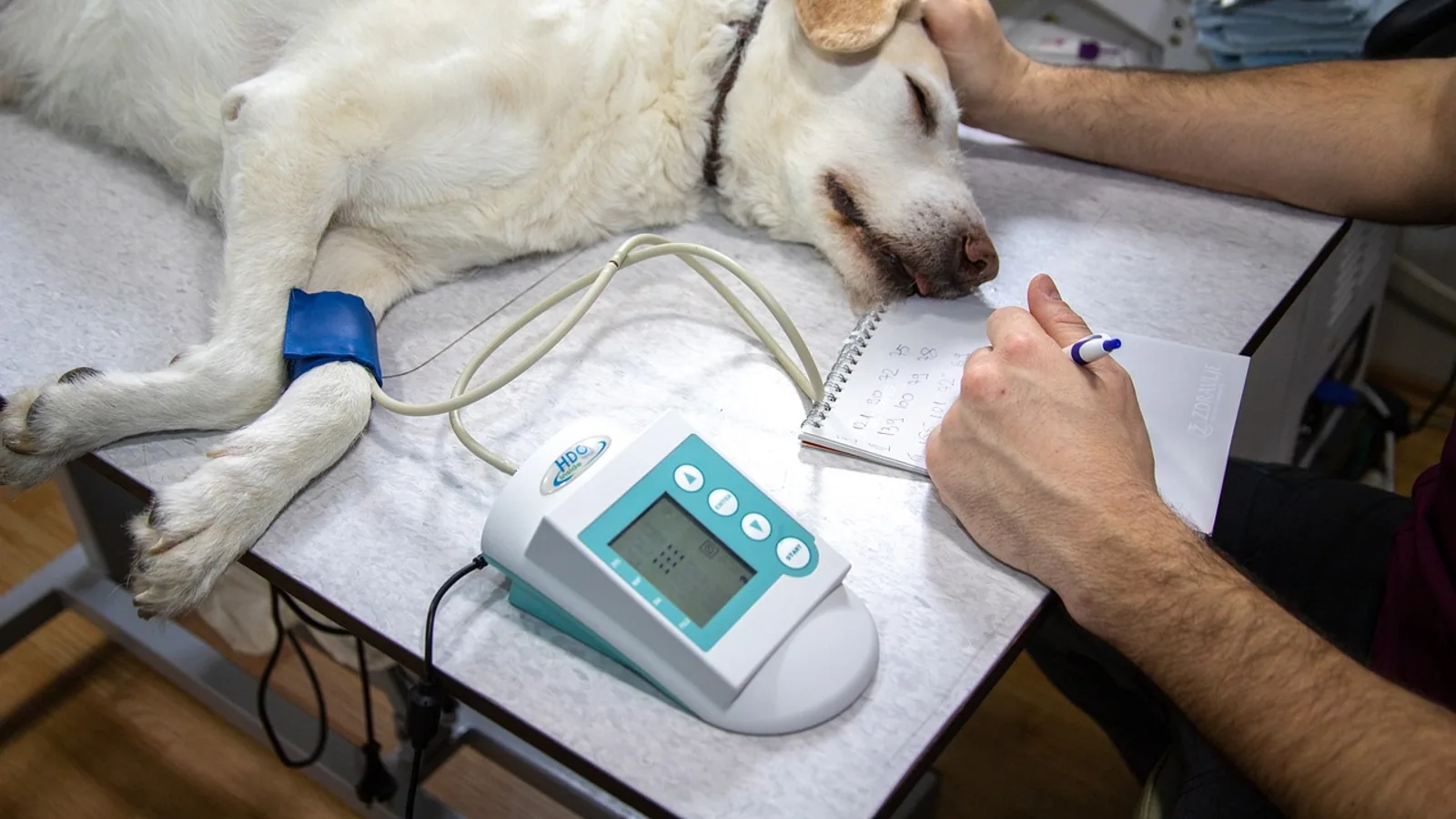
Tramadol 50 mg is a human-labeled, prescription-only opioid analgesic tablet sold under brand names such as Ultram and generic equivalents. In veterinary medicine the same active ingredient, tramadol hydrochloride, is used to control mild to moderate pain in dogs and, less commonly, in cats and some exotic species. It is not FDA-approved for any animal species in the United States, so all veterinary use is extra-label and must be directed by a licensed veterinarian who sets the dose from a veterinary formulary. The 50 mg human tablet is a fixed dose designed for an adult person. That single fact creates most of the practical problems owners run into when a pet is prescribed tramadol 50 mg.
This article is educational and is not a substitute for veterinary diagnosis or treatment.
At a Glance
| Feature | Detail |
|---|---|
| Active ingredient | Tramadol hydrochloride |
| Common human product | 50 mg immediate-release tablet (also capsules and extended-release forms) |
| Species commonly treated | Dogs (most common), cats, selected birds and exotic mammals |
| Minimum age or weight on the label | No veterinary label exists. Human labeling does not apply to animals |
| How it is given | By mouth as a tablet, or compounded liquid or capsule by a veterinary pharmacy |
| How fast it works | Peak blood levels in dogs occur roughly 3 to 4 hours after an oral dose [1] |
| How long it lasts | Terminal half-life in dogs is short, about 1.6 hours, which is why dosing is frequent [1] |
| Prescription or over the counter | Prescription only in the United States |
| Legal status in animals | Extra-label use under veterinary direction |
What Tramadol Is and What It Does
Tramadol is a synthetic analgesic that works through two separate mechanisms at the same time. It is a weak agonist at the mu opioid receptor, the same receptor that morphine and hydrocodone activate, which is why it is classified as an opioid. It also blocks the reuptake of serotonin and norepinephrine in the central nervous system, which is how many human antidepressant drugs work. That second mechanism is the reason tramadol carries interaction warnings that a pure opioid like morphine does not.
In dogs, tramadol is used most often for postoperative pain, chronic osteoarthritis pain, and cancer-related pain. A systematic review and meta-analysis of 26 randomized controlled trials involving 848 dogs found that tramadol probably reduces the need for rescue analgesia compared with no treatment or placebo, with moderate certainty of evidence [2]. The same analysis found that tramadol may be less effective than methadone and may be less effective than COX inhibitors such as carprofen or meloxicam, though those comparisons carried low certainty [2].
In cats, the picture is more mixed. A prospective, randomized, blinded, placebo-controlled crossover study of 20 cats with naturally occurring osteoarthritis treated animals twice daily with either placebo or oral tramadol for 19 days. Tramadol did not clearly improve the measured outcomes compared with placebo in that study [3]. This does not mean tramadol never helps a cat, but it does mean owners should not assume it will work as well in a cat as it does in a dog.
How Tramadol Works Differently in Dogs Than in People
This is the single most important pharmacological fact for a pet owner to understand, and it explains why tramadol sometimes seems weak in dogs even at a dose that a veterinarian considers adequate.
In humans, tramadol is a prodrug for its most potent analgesic effect. A prodrug is a drug that is inactive or weakly active until the body converts it into a more active compound. In people, the liver enzyme CYP2D6 converts tramadol into O-desmethyltramadol, also called M1, which binds the mu opioid receptor far more strongly than tramadol itself. Human "poor metabolizers" who carry weak CYP2D6 variants get less pain relief from tramadol for exactly this reason.
Dogs do not follow the human pathway. In dogs, tramadol is converted to M1 by the canine enzyme CYP2D15, and M1 is then further metabolized to a compound called M5, which is the major metabolite found in dog plasma and urine [4]. Serum concentrations of M1 measured in dogs after oral tramadol dosing are low [1]. In other words, the dog produces only small amounts of the metabolite that does most of the opioid work in people, and then rapidly converts that metabolite onward to M5.
The practical consequence is that tramadol's opioid effect in dogs is weaker than a human patient would experience from the same milligram amount. Any analgesia a dog gets from tramadol likely comes partly from the monoamine reuptake inhibition rather than from strong mu opioid receptor activation. A meta-analysis of postoperative pain in dogs supports this: tramadol reduced rescue analgesia needs versus placebo, but it was outperformed by methadone, a full mu agonist [2].
There is also genetic variability. CYP2D15 is polymorphic in dogs, meaning different dogs carry different versions of the gene. In a study of liver samples from 25 Beagles and 34 dogs of other breeds, Beagles heterozygous for the p.Ile109Val and p.Gly186Ser variants showed 40 to 50 percent reductions in median CYP2D15 enzyme activity, and livers heterozygous for p.Gly186Ser alone showed a 41 percent reduction [5]. A dog with reduced CYP2D15 activity may metabolize tramadol differently than the average dog. This is one reason a veterinarian may adjust a dose or switch drugs if a pet does not respond as expected.
Cats add another layer. A comparative in vitro study of liver microsomes from cats, dogs, and common brush-tailed possums found that the phase II glucuronidation of M1 by feline microsomes was too slow to measure by the primary assay method, and only minimal glucuronide was detected in feline samples [6]. Glucuronidation is a conjugation reaction that attaches a sugar molecule to a drug to make it more water-soluble and easier to excrete. Cats are known to be inefficient glucuronidators for several drugs, and this study suggests M1 is one of them. Slower clearance of an active metabolite means a cat may accumulate the compound differently than a dog, which is part of why feline tramadol dosing is conservative and less well established.
Why Human Tramadol 50 mg Tablets Are Problematic in Pets
Owners often ask whether they can simply split a human tramadol 50 mg tablet and give part of it to a small dog or cat. There are two distinct problems with that approach, and both are practical rather than theoretical.
Fixed Dose Cannot Be Divided Accurately
A 50 mg tablet is manufactured for an adult human. A 4 kg cat or a 5 kg Chihuahua needs a small fraction of that amount. Splitting a tablet by hand produces fragments of unpredictable size, and even a purpose-built pill cutter does not guarantee equal halves or quarters because many tablets are not scored for division. A quarter of a 50 mg tablet is nominally 12.5 mg, but the actual amount in any given fragment can vary widely, and the drug may not be evenly distributed through the tablet to begin with. For a small patient, that variability can mean the difference between an ineffective dose and an excessive one.
Compounded veterinary formulations solve this problem. A compounding pharmacy can prepare tramadol as a liquid suspension or in capsules at the exact strength the veterinarian prescribes, which allows precise dosing for a 3 kg cat or a 60 kg Great Dane alike. Compounding also allows flavoring to make administration easier. The trade-off is cost and the need to use a reputable pharmacy that follows appropriate quality standards.
Fillers and Excipients Can Cause Gastrointestinal Upset
A human tablet contains more than tramadol. It contains binders, fillers, disintegrants, coatings, and sometimes dyes. Common excipients include lactose, microcrystalline cellulose, magnesium stearate, and titanium dioxide. These ingredients are chosen for human tolerability and manufacturing needs, not for animal tolerability. Some pets, particularly cats and small dogs, react to these compounds with vomiting, diarrhea, or reduced appetite. Lactose is a frequent culprit in animals with lactose intolerance.
There is a second excipient concern with human tramadol products specifically. Some human formulations combine tramadol with acetaminophen, and acetaminophen is highly toxic to cats and can cause liver injury in dogs at excessive doses. An owner who grabs the wrong bottle from the medicine cabinet can cause serious harm. Always confirm that the product contains tramadol as the only active ingredient before a veterinarian-approved dose is given.
Weight-Based Dosing Must Come From a Veterinary Formulary
The dose of tramadol for any animal is calculated from body weight in kilograms and is specific to the species, the condition being treated, and the individual patient. That calculation belongs to a veterinarian using a current veterinary formulary or a drug label written for animals. A dose that is appropriate for one dog may be inadequate or unsafe for another of the same weight because of age, liver function, kidney function, concurrent medications, and the type of pain being treated. No article, including this one, should be used to set a dose.
How Tramadol Is Given
Tramadol is given by mouth. It can be administered with or without food, though giving it with a small meal sometimes reduces nausea. If a dose is missed, the general rule is to give it when remembered unless it is nearly time for the next dose, in which case the missed dose is skipped and the schedule resumes. Doubling up to catch up is not appropriate.
Oral absorption in dogs is reasonably quick. A pharmacokinetic study of dogs undergoing tibial plateau leveling osteotomy measured a maximum serum tramadol concentration of about 155.6 ng/mL, reached at roughly 3.9 hours after an oral dose, with a terminal half-life of about 1.56 hours [1]. That short half-life is why tramadol is typically dosed two to three times daily in dogs rather than once daily. Extended-release human formulations exist, but they are not interchangeable with immediate-release tablets and should not be substituted without veterinary direction.
Tramadol can also be given intravenously in a hospital setting. A study of dogs undergoing ovariohysterectomy used intravenous tramadol as a premedication as part of a multimodal protocol [7]. Injectable tramadol is a hospital product and is not something an owner would administer at home.
What Tramadol Does Not Cover
Tramadol is a mild to moderate analgesic. It is not an anti-inflammatory drug. It does not reduce swelling, it does not treat infection, and it does not address the underlying cause of pain. If a dog has osteoarthritis, tramadol may reduce the perception of pain but it will not slow joint degeneration the way a nonsteroidal anti-inflammatory drug (NSAID) can.
Tramadol is also not a substitute for a full mu opioid agonist when pain is severe. The meta-analysis of postoperative pain in dogs found that tramadol may result in an increased requirement for rescue analgesia compared with methadone [2]. For major surgery, trauma, or severe cancer pain, a veterinarian will often choose a stronger opioid or combine tramadol with other drugs in a multimodal plan.
Side Effects and What to Do About Them
The most common side effects of tramadol in dogs and cats are sedation, lethargy, nausea, vomiting, decreased appetite, constipation, and dilated pupils. Many pets are noticeably quieter than usual on tramadol, and this is expected rather than alarming in most cases.
More serious effects include agitation, tremors, disorientation, excessive sedation that is difficult to rouse the pet from, and difficulty breathing. These warrant a call to the veterinarian or an emergency clinic. Seizure activity has been reported with tramadol, particularly in animals with a seizure history, and tramadol lowers the seizure threshold in some patients.
A preliminary endoscopic study of 12 dogs undergoing mastectomy under opioid-based anesthesia found gastroesophageal reflux in 100 percent of the dogs during surgery, with 58 percent classified as mild and 42 percent as severe, and lower esophageal sphincter relaxation in all cases [8]. The study had a small sample size and no non-surgical control group, so it cannot be attributed to tramadol alone, but it is a reminder that opioids including tramadol affect gastrointestinal motility and sphincter function. Reflux during anesthesia is a concern for the anesthesia team, not something an owner manages at home, but it is one reason veterinarians do not treat tramadol as a risk-free drug.
If a pet vomits shortly after a dose, do not repeat the dose without asking the veterinarian. If a pet becomes very sedated or difficult to wake, seek veterinary care.
Which Animals Should Not Receive Tramadol
Tramadol is used with caution or avoided in several situations.
Animals with a known hypersensitivity to tramadol or other opioids should not receive it. Animals with untreated or poorly controlled seizure disorders are usually given an alternative because tramadol can lower the seizure threshold. Animals with significant liver or kidney disease may clear the drug more slowly and may need a different drug or a reduced dose under veterinary supervision.
Animals already taking a selective serotonin reuptake inhibitor (SSRI), a monoamine oxidase inhibitor (MAOI), a tricyclic antidepressant, or another serotonergic drug are at elevated risk and should only receive tramadol under direct veterinary supervision, if at all. This is covered in detail below.
Pregnant and nursing animals are typically given an alternative unless the veterinarian determines the benefit outweighs the risk. Very young animals have immature liver and kidney function and are handled case by case.
Drug Interactions: Opioids, SSRIs, and Serotonin Syndrome
Tramadol's dual mechanism makes it a drug with more interaction potential than most opioids. The two interaction categories that matter most in pets are other opioids and serotonergic drugs.
Other Opioids
Combining tramadol with another opioid can increase sedation and respiratory depression. The interaction is not always harmful. A rat study using isobolographic analysis found that co-administration of tramadol and morphine produced synergistic antinociception in the radiant heat tail-flick assay, meaning the combination produced more pain relief than the sum of the two drugs given separately [9]. Synergy is a legitimate reason a veterinarian might combine them, but it also means the sedative and respiratory effects are additive or more than additive. Any combination of tramadol with morphine, hydrocodone, oxycodone, fentanyl, buprenorphine, or methadone should be directed by a veterinarian who is monitoring the patient.
SSRIs, MAOIs, and Serotonergic Drugs
Because tramadol blocks serotonin reuptake, it can push serotonin signaling too high when combined with another drug that does the same thing. The result is serotonin syndrome, a potentially life-threatening condition marked by agitation, tremors, rigidity, hyperthermia, rapid heart rate, dilated pupils, vomiting, diarrhea, and in severe cases seizures and death. Serotonin syndrome is a medical emergency.
The drugs most likely to interact this way are SSRIs such as fluoxetine, paroxetine, sertraline, and escitalopram, which are prescribed to pets for behavioral problems. MAOIs such as selegiline, used in dogs for cognitive dysfunction and some neurological conditions, are a particularly serious concern because the interaction can be severe. Tricyclic antidepressants such as clomipramine and amitriptyline also carry risk. Some other drugs, including certain anti-nausea drugs and the antibiotic linezolid, have serotonergic activity as well.
Serotonin syndrome is not the only risk. Combining tramadol with a serotonergic drug also increases the chance of excessive sedation and respiratory depression, because the opioid effects stack on top of the serotonin effects.
Cytochrome P450 Interactions
Tramadol metabolism in dogs depends on specific cytochrome P450 enzymes, and other drugs can interfere with those enzymes. In dogs, tramadol is converted to M1 by CYP2D15 and to M2 primarily by CYP2B11, and M1 is then converted to M5 largely by CYP2C21 [4]. Any drug that inhibits or induces these enzymes can change tramadol exposure.
Two examples from the veterinary literature are worth knowing. Cannabidiol (CBD) and cannabidiolic acid inhibited CYP2B11-mediated tramadol N-demethylation and, for cannabidiolic acid, CYP2D15-mediated O-demethylation in dog liver microsomes, with IC50 values in the 4.6 to 8.1 micromolar range [10]. Lavender essential oil and its components linalool and linalyl acetate also inhibited CYP2B11-mediated tramadol N-demethylation, with IC50 values of 2.5 to 7.1 micromolar [11]. These are in vitro findings, so they do not prove a clinical interaction will occur in a living dog, but they are a reason to tell the veterinarian about every supplement, oil, and nutraceutical a pet is receiving. Many owners do not think of CBD oil or aromatherapy products as drugs, and that omission can matter.
Interaction Risk by Drug Class
The table below summarizes the interaction risk by drug class. It is a general guide, not a substitute for veterinary judgment.
| Drug class | Examples | Nature of interaction | Risk level |
|---|---|---|---|
| Other opioids | Morphine, hydrocodone, methadone, fentanyl, buprenorphine | Additive or synergistic sedation and respiratory depression. Synergy with morphine has been demonstrated in rats [9] | Moderate to high, depends on dose and monitoring |
| SSRIs | Fluoxetine, paroxetine, sertraline, escitalopram | Serotonin syndrome, sedation, respiratory depression | High |
| MAOIs | Selegiline | Severe serotonin syndrome risk | High, generally avoided together |
| Tricyclic antidepressants | Clomipramine, amitriptyline | Serotonin syndrome, sedation, cardiac effects | High |
| Serotonergic anti-nausea drugs | Metoclopramide, ondansetron (weak) | Additive serotonergic effect | Moderate |
| Antibiotics with MAOI activity | Linezolid | Serotonin syndrome risk | High |
| Cannabinoids | CBD, CBDA | Inhibit canine CYP2B11 and CYP2D15 mediated tramadol metabolism in vitro [10] | Theoretical, monitor closely |
| Essential oils and terpenes | Lavender oil, linalool, linalyl acetate | Inhibit canine CYP2B11 mediated tramadol metabolism in vitro [11] | Theoretical, disclose to veterinarian |
| NSAIDs | Carprofen, meloxicam, deracoxib | No direct pharmacokinetic interaction, but combined gastrointestinal risk | Low to moderate, monitor GI signs |
| Anticonvulsants | Phenobarbital | Enzyme induction may alter tramadol metabolite formation [4] | Moderate, monitor efficacy |
How Tramadol Compares With Alternatives
Tramadol sits in an awkward middle position in veterinary pain management. It is stronger than nothing and often adequate for mild to moderate pain, but it is weaker than full mu opioid agonists and generally weaker than NSAIDs for inflammatory pain.
Compared with buprenorphine, codeine, and nalbuphine, tramadol may result in a similar or slightly lower need for rescue analgesia, though the evidence is low certainty [2]. Compared with methadone, tramadol may result in a higher need for rescue analgesia [2]. Compared with COX inhibitors such as carprofen or meloxicam, tramadol may also result in a higher need for rescue analgesia [2].
The practical takeaway is that tramadol is a reasonable option when NSAIDs are contraindicated, when pain is mild, or as one component of a multimodal plan. It is not the first choice for severe acute pain, and it is not a replacement for treating the underlying cause of pain.
Multimodal approaches often work better than any single drug. A dog ovariohysterectomy study combined intravenous tramadol with a ketamine-lidocaine infusion and found that the combination blunted intraoperative hemodynamic responses to surgical stimulation more than tramadol alone, and that postoperative pain scores increased only for the first hour in the combination group compared with 12 hours in the tramadol-only group [7]. Mechanical thresholds at the abdomen also decreased for a shorter period in the combination group. This is a clear demonstration that tramadol works best as part of a plan rather than as a standalone analgesic.
In birds and exotic species, tramadol is used with species-specific caution. A study in Harris hawks found that intramuscular tramadol at 15 mg/kg raised the nociceptive threshold from 20 to 240 minutes with minimal sedation, and at 30 mg/kg raised the threshold from 10 to 300 minutes with sedation such as wing and head drooping for about 90 minutes [12]. The 5 mg/kg dose was indistinguishable from saline. This shows that dose-response relationships in exotic species can differ substantially from dogs and cats, and that dosing in these species must come from a veterinarian experienced with the species.
Questions to Ask a Veterinarian
Before giving tramadol to a pet, an owner should be able to answer these questions.
- What is the exact dose in milligrams, and how was it calculated for my pet's weight?
- Is this a compounded veterinary product or a human tablet, and if it is a human tablet, how should it be divided safely?
- Does the product contain any other active ingredient, such as acetaminophen?
- How often should the dose be given, and what should I do if I miss one?
- Is my pet taking any other medication, supplement, or oil that could interact?
- Does my pet have a seizure history, liver disease, or kidney disease that changes the risk?
- What side effects should I watch for, and which ones mean I should call immediately?
- Is tramadol the best choice for this type of pain, or would an NSAID, a different opioid, or a multimodal plan work better?
Clinical Relevance, Limitations and Common Mistakes
The most common mistake owners make is treating a human tramadol 50 mg tablet as if it were a veterinary product. It is not. The tablet is designed for an adult human, and dividing it for a small pet produces unpredictable doses. The second most common mistake is assuming that because tramadol is a "weak" opioid it is safe to combine with anything. Tramadol's serotonin reuptake inhibition makes it more dangerous in combination with SSRIs, MAOIs, and other serotonergic drugs than a pure opioid would be.
A third mistake is expecting human-level pain relief. Because dogs produce only small amounts of the active M1 metabolite, tramadol's opioid effect in dogs is weaker than in people [4][1]. Owners who expect the same response they would get from tramadol themselves may be disappointed and may be tempted to give more, which is dangerous.
A fourth mistake is failing to disclose supplements. CBD products and essential oils are common in pet households, and both have been shown in vitro to inhibit the canine enzymes that metabolize tramadol [11][10]. A veterinarian cannot account for an interaction they do not know about.
A fifth mistake is stopping tramadol abruptly after long-term use. Physical dependence can develop with chronic opioid use, and abrupt discontinuation can cause withdrawal signs. Tapering should be directed by the veterinarian.
The limitations of the evidence base are real. Much of what is known about tramadol in dogs comes from small studies, and the meta-analysis that pooled 26 trials still rated most comparisons as low certainty [2]. The feline evidence is weaker still, with at least one well-designed study failing to show a clear benefit over placebo in osteoarthritic cats [3]. Tramadol is not a drug with a large, robust veterinary evidence base, and veterinarians often make decisions based on a combination of limited data, clinical experience, and the individual patient in front of them.
Individual animals vary enormously in how they metabolize tramadol, and a dose that works for one dog may not work for another. Any decision about starting, changing, or stopping tramadol in a specific pet requires a veterinarian who can examine the animal, review its history, and account for every other drug and supplement it receives.
Frequently Asked Questions
Can I give my dog a human tramadol 50 mg tablet?
Only if a veterinarian has specifically calculated the dose and told you how to divide or compound it. Human tablets are not dosed for pets, and splitting them produces unpredictable amounts, especially for small animals.
Is tramadol safe for cats?
Tramadol is used in cats under veterinary direction, but the evidence for benefit is weaker than in dogs, and cats clear the active metabolite slowly. A well-designed study in osteoarthritic cats did not show a clear advantage over placebo [3].
Why does tramadol seem to work less well in my dog than in people?
Dogs produce only small amounts of the M1 metabolite that provides most of tramadol's opioid effect in humans, and they convert M1 onward to M5 rapidly [4][1]. The result is weaker opioid analgesia in dogs.
What are the signs of serotonin syndrome in a pet?
Agitation, tremors, rigidity, elevated body temperature, rapid heart rate, dilated pupils, vomiting, diarrhea, and in severe cases seizures. It is a medical emergency and requires immediate veterinary care.
Can tramadol be given with other pain medications?
Sometimes, but only under veterinary direction. Combining tramadol with another opioid can increase sedation and respiratory depression, and a rat study showed the combination of tramadol and morphine is synergistic rather than merely additive [9].
Does tramadol interact with CBD oil?
Laboratory studies show that CBD and cannabidiolic acid inhibit the canine liver enzymes that metabolize tramadol [10]. Whether this causes a clinically significant interaction in a living dog is not established, but the veterinarian should always be told about CBD use.
What should I do if my pet vomits after a tramadol dose?
Call the veterinarian before giving another dose. Vomiting may mean the dose was not absorbed, or it may be a side effect that requires a change in medication. Do not repeat the dose on your own.
How long does tramadol stay in a dog's system?
The terminal half-life of tramadol in dogs is about 1.6 hours after oral dosing [1], though the drug's effects and the time to full clearance depend on the individual animal, the dose, and liver function. A veterinarian can advise on timing if a procedure or a change in medication is planned.
Related Articles
- Can You Give Your Dog Tramadol for Pain?
- Anesthesia Machine Safety Checks for Laboratory Animal Use
- Prednisone for Dogs: Uses, Side Effects, and Safety Guidelines
- Are Jelly Cats Safe for Pets? A Complete Safety Guide
- Best Toys for Heavy Chewers: Safety and Selection
- Do Madagascar Hissing Cockroaches Bite? Safety and Handling
- Tramadol Uses in Veterinary and Human Medicine
- Tramadol Side Effects in Dogs: What to Watch
Sources
- Pharmacokinetics of hydrocodone and tramadol administered for control of postoperative pain in dogs following tibial plateau leveling osteotomy.
- Efficacy of tramadol for postoperative pain management in dogs: systematic review and meta-analysis.
- Analgesic efficacy of tramadol in cats with naturally occurring osteoarthritis.
- Identification of canine cytochrome P-450s (CYPs) metabolizing the tramadol (+)-M1 and (+)-M2 metabolites to the tramadol (+)-M5 metabolite in dog liver microsomes.
- Association of cytochrome P450 2D15 (CYP2D15) nonsynonymous polymorphisms and exon 3 deleted RNA splice variant with CYP2D15 protein content and enzyme function in dog liver microsomes.
- Intrinsic clearance rate of O-desmethyltramadol (M1) by glucuronide conjugation and phase I metabolism by feline, canine and common brush-tailed possum microsomes.
- Pre-emptive multimodal analgesia with tramadol and ketamine-lidocaine infusion for suppression of central sensitization in a dog model of ovariohysterectomy.
- Intraoperative gastroesophageal reflux in dogs undergoing mastectomy under opioid-based protocols: a preliminary endoscopic study.
- The analgesic interaction of tramadol and morphine in rats: An isobolographic study.
- Cannabidiol and cannabidiolic acid: Preliminary in vitro evaluation of metabolism and drug-drug interactions involving canine cytochrome P-450, UDP-glucuronosyltransferase, and P-glycoprotein.
- Linalool, linalyl acetate, and lavender essential oil: evaluation of metabolism and drug interactions using canine liver microsomes and recombinant enzymes.
- Use of tramadol as analgesic alternative in Harris hawk (Parabuteo unicinctus).