Ranitidine in Veterinary Medicine: Uses and Dosing
By Dr. Zubair Khalid, DVM, MS, PhD ·
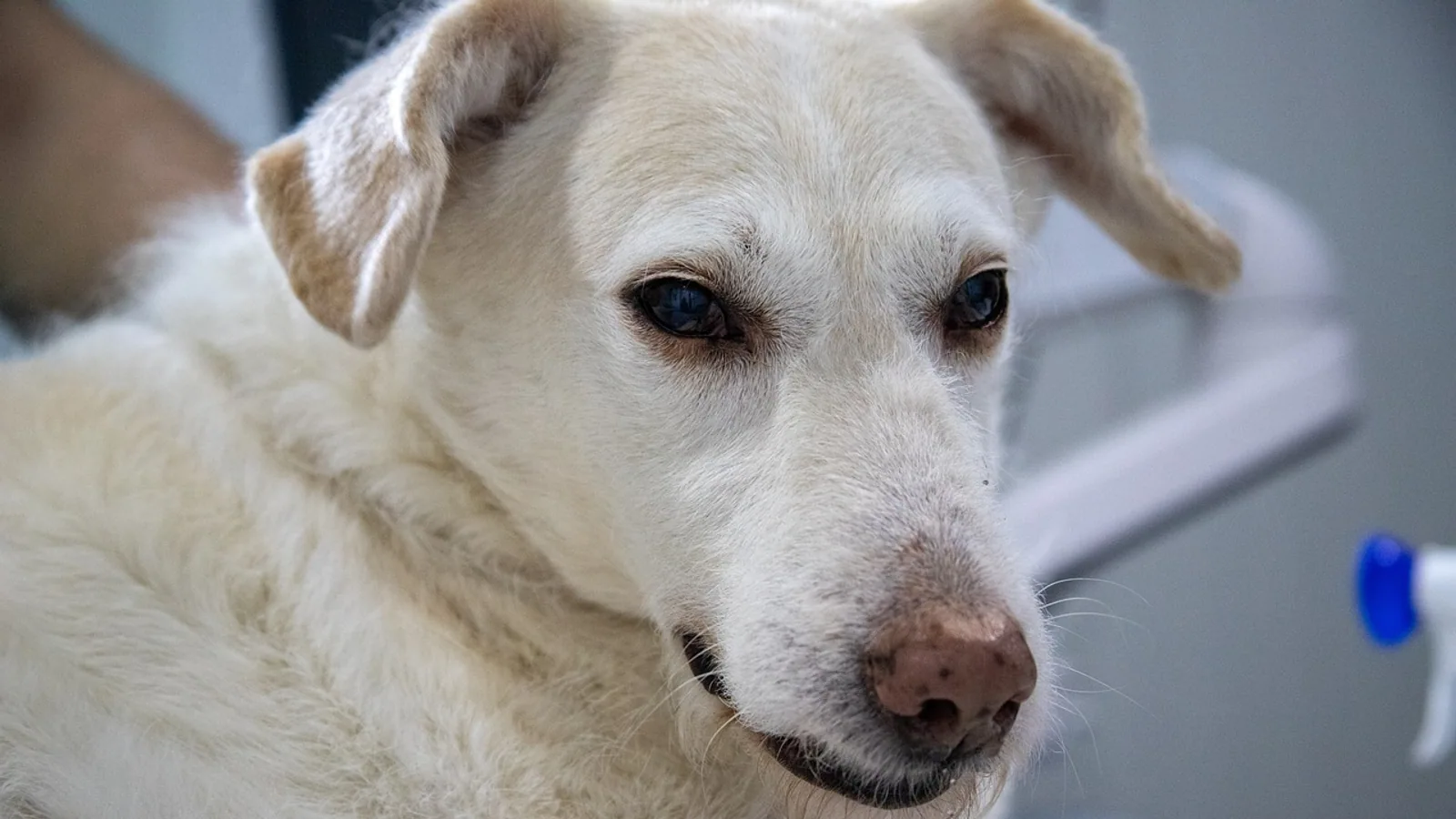
Ranitidine is an H2-receptor antagonist, a drug that blocks histamine-driven acid production in the stomach. In veterinary medicine it has been used in dogs, cats, and horses to reduce gastric acid secretion, treat gastritis and esophagitis, and help prevent or manage gastric ulcers. It is not FDA-approved for use in animals, and since 2020 it has become difficult or impossible to obtain in many markets because of an NDMA contamination recall that removed human ranitidine products from pharmacy shelves worldwide. Most clinicians now reach for famotidine or a proton pump inhibitor instead.
This article is educational and is not a substitute for veterinary diagnosis or treatment.
At a Glance
| Feature | Detail |
|---|---|
| Active ingredient | Ranitidine hydrochloride (H2-receptor antagonist) |
| Drug class | Histamine type-2 receptor blocker, acid suppressant |
| Species covered here | Dog, cat, horse |
| FDA approval status | Not FDA-approved for animals. Human-labeled product was withdrawn from many markets after 2020 |
| How it is given | Oral (tablet, syrup, or compounded liquid), or intravenous in hospitalized horses |
| Onset | Rapid after oral dosing. Peak plasma levels within about 0.5 to 1 hour in dogs [1] |
| Duration | Roughly 8 to 12 hours of acid suppression, which is why equine dosing is every 8 hours |
| Prescription or OTC | Formerly over the counter for humans. Now largely unavailable. Veterinary use is off-label and requires a veterinarian |
| Main alternatives | Famotidine, omeprazole, pantoprazole, sucralfate, antacids |
How Ranitidine Works
Gastric acid secretion is controlled by three main signals that converge on the parietal cell: histamine, acetylcholine, and gastrin. Histamine is the strongest of the three. It acts on H2 receptors on the parietal cell surface and triggers a rise in intracellular cyclic AMP, which drives the proton pump to push hydrogen ions into the stomach lumen.
Ranitidine binds H2 receptors on parietal cells and blocks histamine from docking there. The result is less cyclic AMP, less proton pump activity, and a higher gastric pH. Because it competes with histamine rather than destroying the pump, ranitidine reduces acid output rather than abolishing it. That distinction matters clinically. An H2 blocker lowers acid enough to let irritated mucosa and ulcers heal, but it does not create the near-achlorhydria that a proton pump inhibitor can produce.
Ranitidine also has a mild prokinetic effect in some species. In isolated equine muscle strips, ranitidine increased contractile activity of the pyloric antrum at a concentration of 10⁻⁴ M [2]. That in vitro finding did not translate into faster liquid-phase gastric emptying in healthy horses given 2.2 mg/kg intravenously [2]. In dogs, ranitidine is absorbed well after oral dosing, with a bioavailability of about 73 percent and a half-life near 4 hours [1]. Roughly 30 percent of a ranitidine dose is cleared unchanged by the kidney in dogs, and renal tubular secretion is the main elimination route [3][1]. That renal dependence is the reason dose reduction is needed when kidney function is poor.
What Ranitidine Is Used For in Dogs, Cats, and Horses
Ranitidine has three broad veterinary indications: gastritis, esophagitis, and ulcer prevention or treatment. The evidence base is strongest in horses and thin in cats, so the drug is used more on pharmacological reasoning than on controlled feline trials.
Gastritis
Gastritis is inflammation of the stomach lining. It causes vomiting, nausea, appetite loss, and sometimes blood in vomit or stool. Acid does not cause every case of gastritis, but it worsens mucosal injury once the barrier is damaged. Lowering acid with an H2 blocker gives the mucosa room to recover. In dogs, ranitidine is a standard adjunct when gastritis is acid-driven or when a patient cannot tolerate a proton pump inhibitor.
Esophagitis
Esophagitis is inflammation of the esophagus, often from chronic acid reflux. Acid that reaches the esophagus burns tissue that has no mucus barrier of its own. Reducing gastric acid volume and raising gastric pH reduces the damage each reflux episode causes. Ranitidine is one option for this, though a proton pump inhibitor is generally preferred when reflux is severe.
Ulcer prophylaxis and treatment
Ulcer prevention is the best-supported veterinary use. In horses, ranitidine at 6.6 mg/kg orally every 8 hours significantly reduced the area of squamous mucosal ulceration caused by alternating feed deprivation [4]. A separate study in ponies found that ranitidine at 4.4 mg/kg orally every 8 hours did not significantly accelerate healing of flunixin-induced gastric ulcers compared with corn syrup [5]. The two results are not contradictory. Ranitidine appears better at preventing acid injury than at healing established ulcers, which is consistent with its moderate potency.
In dogs, ranitidine is used to prevent gastric ulceration in patients receiving ulcerogenic drugs or facing critical illness. The classic scenario is a dog on long-term NSAIDs, though a proton pump inhibitor is now the more common choice for that job.
What ranitidine does not cover
Ranitidine does not treat Helicobacter infections, does not neutralize acid already in the stomach the way an antacid does, and does not coat ulcers the way sucralfate does. It does not address ulcers caused by poor blood flow, foreign bodies, tumors, or infectious agents. It also does not stop vomiting from non-gastric causes such as pancreatitis, kidney disease, or vestibular disease. If a patient keeps vomiting on ranitidine, the problem is probably not acid.
Species Dosing Table
The doses below come from veterinary formularies and the published equine literature. They are reference points, not prescriptions. Doses are off-label because ranitidine is not FDA-approved for animals.
| Species | Route | Dose | Frequency | Typical indication |
|---|---|---|---|---|
| Dog | Oral | 0.5 to 2 mg/kg | Every 8 to 12 hours | Gastritis, esophagitis, ulcer prophylaxis |
| Dog | Intravenous | 0.5 to 2 mg/kg | Every 8 to 12 hours | Hospitalized patients unable to take oral drugs |
| Cat | Oral | 0.5 to 2 mg/kg | Every 8 to 12 hours | Gastritis, esophagitis, ulcer prophylaxis |
| Cat | Intravenous | 0.5 to 2 mg/kg | Every 8 to 12 hours | Hospitalized patients |
| Horse (adult) | Oral | 6.6 mg/kg | Every 8 hours | Gastric squamous ulcer prevention and treatment [6][4] |
| Horse (adult) | Oral | 4.4 mg/kg | Every 8 hours | Lower end of the equine range, used in some studies [5][7] |
| Horse (adult) | Intravenous | 2.2 mg/kg | Single dose studied | Gastric motility research, not a routine treatment dose [2] |
| Foal | Oral | 6.6 mg/kg | Every 8 hours | Acid suppression in critically ill neonates, extrapolated from adult dosing [8] |
Two practical points about the equine doses. First, the 6.6 mg/kg oral dose every 8 hours is the one that produced measurable benefit in a controlled feed-deprivation study [4]. Second, ranitidine treatment failure in horses is often blamed on incorrect dosing and poor owner compliance, because the drug must be given three times a day [8]. A horse owner who gives ranitidine twice daily is underdosing the animal.
The dog and cat oral range of 0.5 to 2 mg/kg every 8 to 12 hours reflects standard formulary practice. There is no published feline dose-finding study in the sources here, so the feline dose is based on extrapolation from dogs and humans. Do not compound a dose from a guess. Use a veterinary formulary or a veterinarian's written instruction.
Why Availability Changed: The 2020 NDMA Recall
In 2020, regulators and manufacturers detected N-nitrosodimethylamine (NDMA) in ranitidine products. NDMA is a probable human carcinogen, and it was found at levels above what regulators considered acceptable for long-term use. The FDA requested a market withdrawal of all ranitidine products in the United States in April 2020, and many other countries followed. The result was that the human over-the-counter and prescription ranitidine supply disappeared almost overnight.
That withdrawal reshaped veterinary practice. Before 2020, a veterinarian could write a ranitidine prescription and the client could fill it at a human pharmacy for a few dollars. After 2020, that pathway closed. Veterinary ranitidine products were never common, and the human supply that veterinarians relied on was gone. Compounding pharmacies can still prepare ranitidine from bulk API in some jurisdictions, but the raw ingredient supply is limited and the drug is no longer a first-line choice.
The practical consequence is that famotidine became the default H2 blocker in veterinary medicine. Famotidine is more potent than ranitidine on a milligram basis, is dosed less often, and remained widely available. Omeprazole remained the standard for equine gastric ulcer syndrome, where it has an FDA-approved product (GastroGard) and outperforms ranitidine in head-to-head comparison [6][8].
Clinicians should not assume a ranitidine prescription written before 2020 can still be filled. Check with the pharmacy first.
How Ranitidine Is Given
Oral ranitidine comes as tablets, oral syrup, or a compounded suspension. Tablets can be hidden in food or given with a pill pocket. The oral syrup is easier for cats and small dogs. Compounded suspensions should be shaken well before each dose because the drug can settle.
Ranitidine can be given with or without food. Food does not dramatically change absorption in dogs, and giving it with a small meal can reduce stomach upset. The exception is a patient scheduled for a procedure that requires an empty stomach.
Intravenous ranitidine is used in hospitalized patients. It is given slowly over several minutes to reduce the risk of hypotension and bradycardia, which are rare but reported with rapid IV push. In horses, IV ranitidine at 2.2 mg/kg has been studied for gastric motility effects, but the routine equine route is oral [2].
Timing matters for acid suppression. Ranitidine works best when it is present in the bloodstream before the acid stimulus arrives. For a patient with reflux, dosing about 30 to 60 minutes before meals can blunt the postprandial acid surge. For ulcer prevention, consistent dosing around the clock matters more than meal timing.
Missed doses should be given as soon as the owner remembers, unless the next dose is close. Do not double up.
Side Effects and What to Do About Them
Ranitidine is generally well tolerated. Most patients have no side effects at standard doses.
Common or mild effects include drowsiness, constipation or diarrhea, and reduced appetite. These usually resolve without stopping the drug. If diarrhea is severe or persists more than a day or two, call the veterinarian.
Less common effects include bradycardia (slow heart rate), hypotension (low blood pressure), and rare central nervous system signs such as confusion or agitation, mostly in patients with kidney disease or in those receiving high IV doses. In dogs, ranitidine has been studied specifically for drug interactions, and it did not significantly alter the disposition of diltiazem, a calcium channel blocker, in a controlled beagle study [9]. That is reassuring for one specific interaction, but it does not mean ranitidine is interaction-free.
If a patient develops hives, facial swelling, or difficulty breathing after a dose, that is a possible allergic reaction and needs immediate veterinary care.
Which Animals Should Not Receive Ranitidine
Ranitidine is contraindicated or used with caution in several situations.
Patients with known hypersensitivity to ranitidine or other H2 blockers should not receive it. Patients with severe kidney disease need a reduced dose or a longer dosing interval, because ranitidine is cleared largely by renal tubular secretion [3][1]. In dogs, probenecid reduced ranitidine renal clearance from 104 to 54 mL/min, and cimetidine reduced it to 89 mL/min, which shows how sensitive ranitidine elimination is to competition for renal transport [3]. A patient with poor kidney function accumulates the drug the same way.
Patients with liver disease may also need dose adjustment, though ranitidine is less dependent on hepatic metabolism than cimetidine. In dogs, N-oxidation accounts for roughly 30 percent of the dose, so significant hepatic impairment could slow elimination [1].
Pregnant or nursing animals should receive ranitidine only when the benefit clearly outweighs the risk. There is no veterinary reproductive safety data in the sources here.
Patients with gastric outflow obstruction, perforated ulcer, or suspected gastric cancer should not be treated with acid suppression alone. Acid suppression can mask symptoms and delay diagnosis.
Drug Interactions
Ranitidine has fewer interactions than cimetidine because it does not inhibit cytochrome P450 enzymes to the same degree. The interactions that matter most are renal and absorption-related.
Probenecid and cimetidine both reduce ranitidine renal clearance by competing for the same basolateral transport pathway in proximal tubular cells [3]. A patient on either drug may need a lower ranitidine dose.
Drugs that raise gastric pH can change the absorption of other medications. Ketoconazole, itraconazole, and some iron salts need acid to dissolve. Giving them with ranitidine can reduce their absorption. Separate these drugs from ranitidine by at least two hours.
Ranitidine did not significantly change diltiazem pharmacokinetics in dogs, so that specific combination appears safe from a kinetic standpoint [9]. Ranitidine also does not appear to share renal transport with cisplatin in a clinically significant way, based on a study in children and dog renal brush border membrane vesicles [10].
Sucralfate can reduce ranitidine absorption if the two are given together. Separate them by at least two hours.
How Ranitidine Compares With Other Acid Suppressants
The main alternatives are famotidine, omeprazole, pantoprazole, sucralfate, and antacids.
Famotidine
Famotidine is the other commonly used H2 blocker. It is more potent than ranitidine, so lower milligram doses are needed, and it is dosed every 12 to 24 hours instead of every 8 to 12. In horses, famotidine at 0.5, 1.0, and 2.0 mg/kg raised gastric fluid pH to a mean of 3.63, 3.41, and 4.18 respectively, while ranitidine at 4.4 and 6.6 mg/kg raised it to 4.07 and 5.34 [7]. The response to both drugs varied between horses and between doses, and the differences between dose levels within each drug were not statistically significant [7]. Famotidine is now the more practical H2 blocker because it remained available after the ranitidine recall.
Proton pump inhibitors
Omeprazole and pantoprazole block the proton pump directly and produce stronger, longer-lasting acid suppression than any H2 blocker. In a study of 60 Thoroughbreds in race training, omeprazole at 4 mg/kg orally once daily reduced ulcer severity significantly more than ranitidine at 6.6 mg/kg orally every 8 hours [6]. Horses that received omeprazole after 28 days of ranitidine treatment had a further reduction in ulcer severity [6]. A separate study of Korean Thoroughbred racehorses found omeprazole had a greater therapeutic effect than ranitidine [11]. The trade-off is cost and the fact that omeprazole is less effective when given with food.
Sucralfate
Sucralfate is not an acid suppressant. It forms a paste that coats ulcerated tissue and protects it from acid and pepsin. It works best on an empty stomach and is often combined with an acid suppressant for ulcer treatment. Sucralfate and ranitidine should be separated by at least two hours.
Antacids
Antacids neutralize acid already in the stomach. They work within minutes but last only a short time, and they do not reduce acid production. In horses, an antacid containing magnesium hydroxide (40 mg/mL) and aluminum hydroxide (45 mg/mL) at 120 and 180 mL raised gastric pH, but the effect was short-lived compared with H2 blockers [7]. Antacids are useful for immediate symptom relief, not for ulcer healing.
Clinical Relevance, Limitations and Common Mistakes
Ranitidine still appears in veterinary formularies and older textbooks, so clinicians and owners will encounter it. Knowing its limits prevents two common errors.
The first error is expecting ranitidine to heal an established ulcer as well as a proton pump inhibitor. The equine data are clear that omeprazole outperforms ranitidine for healing gastric squamous ulceration [6][11]. Ranitidine is better positioned for prevention and for milder acid-related disease. A patient with a severe or non-healing ulcer needs a proton pump inhibitor, a diagnostic workup, or both.
The second error is underdosing or underdosing frequency. Ranitidine has a short duration of action and must be given every 8 to 12 hours in small animals and every 8 hours in horses. A horse owner who gives it twice daily is not treating the ulcer. This is a documented cause of treatment failure in equine practice [8].
Renal dose adjustment is the third clinical point that gets missed. Because ranitidine is cleared largely by renal tubular secretion, a patient with kidney disease accumulates the drug and is at higher risk of central nervous system side effects [3][1]. Reduce the dose or extend the interval in those patients.
Availability is the fourth point. After the 2020 NDMA recall, ranitidine is not reliably obtainable. A prescription written today may not be fillable. Famotidine is the practical substitute for most small animal uses, and omeprazole is the standard for equine gastric ulcer syndrome.
Finally, ranitidine is not FDA-approved for any veterinary species. All veterinary use is off-label and requires a valid veterinarian-client-patient relationship, a diagnosis, and informed owner consent. Individual cases need a veterinarian's assessment, because the right drug depends on the species, the diagnosis, kidney and liver function, other medications, and what is actually available at the pharmacy.
Frequently Asked Questions
Is ranitidine still available for veterinary use?
Ranitidine is difficult or impossible to obtain in many markets after the 2020 NDMA contamination recall removed human ranitidine products. Some compounding pharmacies can still prepare it, but availability varies. Most veterinarians now use famotidine instead.
What is ranitidine used for in dogs?
Ranitidine is used in dogs for gastritis, esophagitis, and prevention of gastric ulcers. It reduces stomach acid by blocking H2 receptors on parietal cells. It is not a treatment for vomiting caused by non-gastric disease.
What is the ranitidine dose for horses?
The studied equine dose is 6.6 mg/kg orally every 8 hours for gastric squamous ulcer prevention and treatment. A lower dose of 4.4 mg/kg every 8 hours has also been used in research. Three-times-daily dosing is required, and missed doses are a common cause of treatment failure.
Is ranitidine better than omeprazole for ulcers?
No. Omeprazole heals gastric squamous ulcers more effectively than ranitidine in horses. Ranitidine is better suited to prevention and milder acid-related disease, while omeprazole is the standard for established equine gastric ulcers.
Can I give my pet human ranitidine?
Human ranitidine products were withdrawn from the market after the 2020 NDMA recall, so they are generally not available. Even when they were available, dosing a pet from a human product required veterinary guidance. Do not give a pet any human acid suppressant without asking a veterinarian first.
Does ranitidine need dose adjustment for kidney disease?
Yes. Ranitidine is cleared largely by renal tubular secretion, so patients with kidney disease need a lower dose or a longer dosing interval. Without adjustment, the drug accumulates and the risk of central nervous system side effects rises.
How long does ranitidine take to work?
Ranitidine acts within about 30 to 60 minutes after oral dosing. Peak plasma levels in dogs occur within 0.5 to 1 hour, and the half-life is about 4 hours. Acid suppression lasts roughly 8 to 12 hours, which is why frequent dosing is needed.
What should I do if my pet misses a ranitidine dose?
Give the missed dose as soon as you remember, unless the next dose is due soon. Do not double the dose. If you are unsure, call your veterinarian for guidance.
Related Articles
- Pharmacotherapy in Avian Medicine
- Extra-Label Drug Use in Veterinary Medicine: Legal and Clinical Considerations
- Amphibian and Fish Therapeutics
- Veterinary Emergency Drug Dosing: Weight-Based Calculations
- Veterinary Crash Cart Organization and Emergency Drug Dosing
- Veterinary Cardiopulmonary Resuscitation: Drug Protocols and Dosing
- Pen G: Penicillin G Use in Veterinary Medicine
- Clonidine for Dogs: Uses, Dosing, and Safety
- Prokinetic Agents: Drug Classes and GI Uses
Sources
- Absorption and disposition of ranitidine hydrochloride in rat and dog.
- Evaluation of the effect of ranitidine on gastroduodenal contractile activity and gastric emptying in horses.
- A physiologically based kidney model for the renal clearance of ranitidine and the interaction with cimetidine and probenecid in the dog.
- Effects of intermittent feed deprivation, intermittent feed deprivation with ranitidine administration, and stall confinement with ad libitum access to hay on gastric ulceration in horses.
- Effect of ranitidine on healing of experimentally induced gastric ulcers in ponies.
- Effects of treatment with omeprazole or ranitidine on gastric squamous ulceration in racing Thoroughbreds.
- The effects of famotidine, ranitidine and magnesium hydroxide/aluminium hydroxide on gastric fluid pH in adult horses.
- Treatment and prevention of equine gastric ulcer syndrome.
- The effect of multiple doses of ranitidine on the pharmacokinetics and metabolism of diltiazem in dogs.
- Lack of cisplatin-ranitidine kinetic interactions: in vivo study in children, and in vitro study using dog renal brush border membrane vesicles.
- Prevalence and treatment of gastric ulcers in Thoroughbred racehorses of Korea.