Pharmacokinetics: Definition and Key Concepts
By Dr. Zubair Khalid, DVM, MS, PhD ·
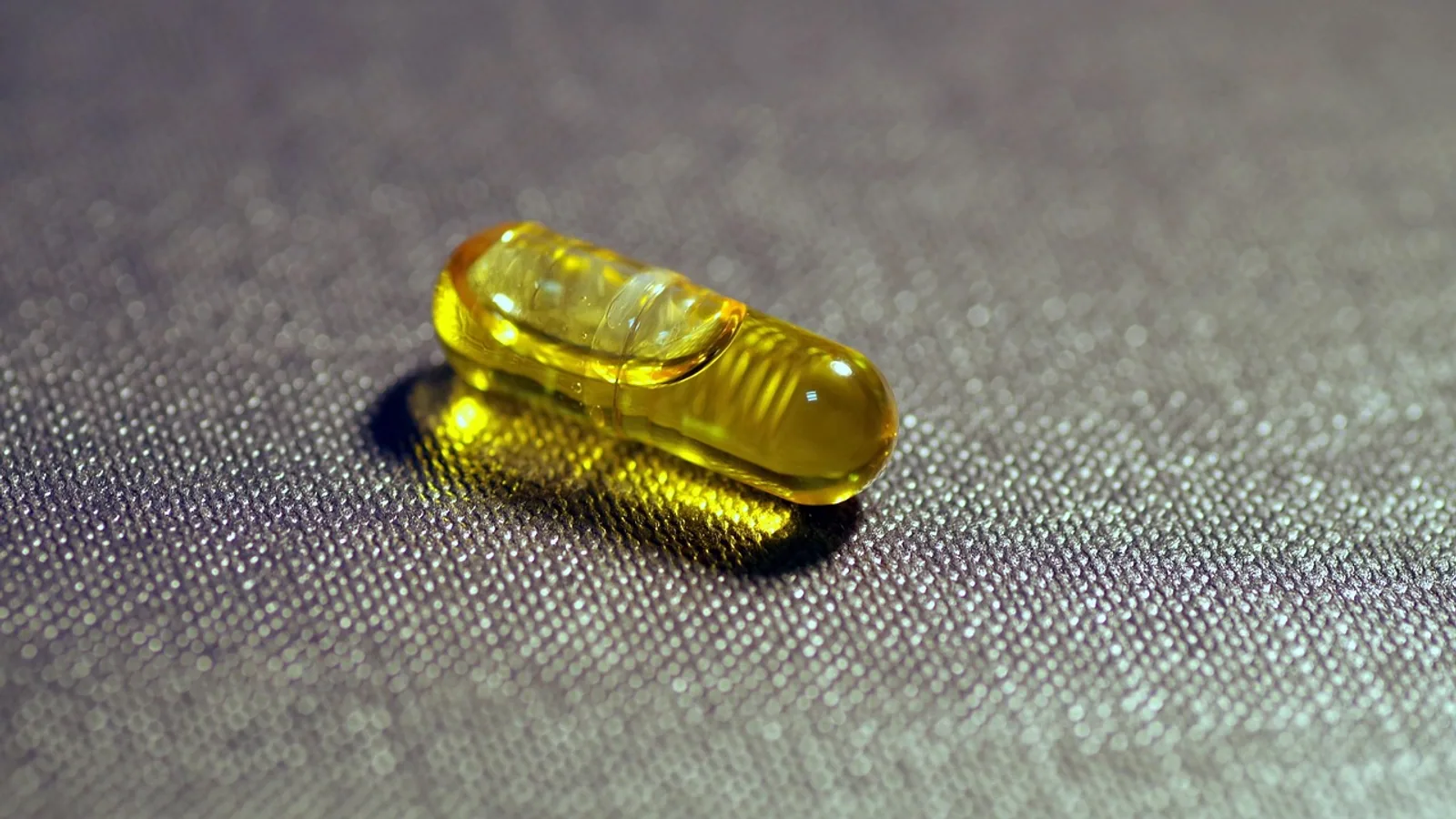
Pharmacokinetics is the study of what the body does to a drug: how it is absorbed, distributed, metabolized and excreted over time. Pharmacodynamics is the complementary discipline, the study of what the drug does to the body, meaning the relationship between drug concentration at the site of action and the resulting effect.
Those two sentences carry most of the weight of clinical pharmacology. A veterinarian who understands pharmacokinetics can explain why an oral dose produces a lower peak plasma concentration than the same dose given intravenously, why a lipophilic drug persists in fat for days, why a cat may become toxic on a drug that a dog tolerates, and why a dosing interval of 8 hours suits one drug and 24 hours suits another. Pharmacokinetics turns a prescription into a set of predictions about concentration versus time, and those predictions are what link a dose to a therapeutic effect or an adverse event.
The Definition of Pharmacokinetics and Why It Matters
The word comes from the Greek pharmakon (drug) and kinetikos (moving). A pharmacokinetic meaning that students should internalize is this: pharmacokinetics describes the time course of drug and metabolite concentrations in the body, using mathematical models to summarize that time course with parameters such as clearance, volume of distribution and half-life. The Merck Veterinary Manual frames the same idea in veterinary terms, describing pharmacokinetics as the study of drug absorption, distribution, metabolism and excretion, and noting that these processes determine the concentration of drug at the site of action and therefore the intensity and duration of the effect [1].
Why does this matter in practice? Because almost every clinical decision about a drug, from the route of administration to the dosing interval to the choice of species, rests on pharmacokinetic reasoning. A drug that is poorly absorbed after oral administration in a horse may need a different route. A drug with a very long half-life may accumulate if given too frequently. A drug cleared almost entirely by the kidney may need dose adjustment in an animal with renal disease. None of these decisions require memorizing every number, but all of them require understanding the framework.
Pharmacokinetics Versus Pharmacodynamics
The cleanest way to keep the two disciplines separate is to ask which direction the arrow points. Pharmacokinetics follows the drug from the moment it enters the body until it leaves, and it answers the question "how much drug is where, and when?" Pharmacodynamics begins at the receptor or target and answers the question "what does that concentration do?"
The two are linked by the concept of the concentration-effect relationship. A pharmacokinetic model predicts plasma or tissue concentration over time. A pharmacodynamic model converts that concentration into a magnitude of effect. Integrated pharmacokinetic-pharmacodynamic (PK/PD) modeling is now standard in veterinary drug development. A recent study of cefquinome against Streptococcus suis serotype 2 in piglets used a semi-mechanistic PK/PD model to link serum concentrations to bacterial killing under different inoculum sizes and susceptibility conditions, which is exactly the kind of analysis that connects the two disciplines [2].
The practical consequence is that a change in pharmacokinetics can change pharmacodynamics without any change at the receptor. If inflammation suppresses the expression of drug-metabolizing enzymes and transporters, as demonstrated in human liver tissue and three-dimensional liver spheroid models, then a drug that is normally cleared quickly may accumulate and produce exaggerated effects [3]. The receptor did not change. The disposition of the drug changed.
The Four Pillars: Absorption, Distribution, Metabolism and Excretion
The ADME acronym (Absorption, Distribution, Metabolism, Excretion) is the scaffolding of pharmacokinetics. The following numbered sequence traces a drug through the body.
- Absorption is the movement of drug from the site of administration into the systemic circulation. For an intravenous dose, absorption is instantaneous and complete by definition. For oral, intramuscular, subcutaneous, transdermal or inhaled routes, absorption is a rate-limited process influenced by blood flow, surface area, formulation, gastric emptying and the physicochemical properties of the drug.
- Distribution is the reversible movement of drug from the bloodstream into tissues and back. It depends on blood flow, tissue perfusion, protein binding, lipid solubility and the presence of transporters. Highly perfused organs such as liver, kidney, heart and brain equilibrate quickly. Adipose tissue and poorly perfused tissues equilibrate slowly.
- Metabolism (biotransformation) is the enzymatic conversion of the parent drug into one or more metabolites, usually in the liver but also in kidney, lung, intestine and plasma. Metabolism generally converts lipophilic compounds into more water-soluble products that can be excreted, though some metabolites retain or gain activity and some are toxic.
- Excretion is the irreversible removal of drug and metabolites from the body, primarily by the kidney into urine and by the liver into bile and then feces. Minor routes include milk, sweat, saliva and expired air.
A radiolabeled mass balance study illustrates the full picture. In a study of the EGFR tyrosine kinase inhibitor SH-1028, humans given a single oral radiolabeled dose recovered a mean of 85.02% of the radioactivity, with 81.55% in feces and 3.48% in urine, identifying fecal excretion as the dominant elimination pathway [4]. That kind of study is the gold standard for defining the excretion route of a new drug.
A second illustration comes from naporafenib, a pan-RAF inhibitor studied in healthy human volunteers. After an intravenous tracer dose plus a 200 mg oral dose, absolute bioavailability was 39.6%, geometric mean clearance was 7.58 L/h, volume of distribution was 162 L, and terminal half-life was 18.1 hours. Near-complete recovery of radioactivity (94.0%) was achieved, with 78.8% excreted in feces and 15.2% in urine. Metabolism involved amide hydrolysis, oxidation, glucuronidation, dealkylation and dehydrogenation, with secondary pathways including N-acetylation, N-methylation, reduction and further oxidation [5]. Every one of the four ADME pillars appears in that single study.
The ADME Pathway as a Flow
The flow of a drug through the body can be summarized as a sequence of compartments and processes.
flowchart TD
    A[Dose administered] --> B{Route of administration}
    B --> C[Intravenous]
    B --> D[Oral or extravascular]
    C --> E[Systemic circulation]
    D --> F[Absorption step]
    F --> E
    E --> G[Distribution to tissues]
    G --> H[Liver metabolism]
    G --> I[Target tissue effect]
    H --> J[Kidney excretion]
    H --> K[Biliary excretion]
    J --> L[Elimination from body]
    K --> L
Key Pharmacokinetic Parameters and Their Units
Parameters convert a messy concentration-time curve into a small set of interpretable numbers. The table below summarizes the parameters a veterinary student should be able to define, with units.
| Parameter | Symbol | Unit | Meaning |
|---|---|---|---|
| Bioavailability | F | percent (%) | Fraction of an administered dose that reaches the systemic circulation unchanged |
| Half-life | t½ | hours (h) | Time required for plasma concentration to fall by half during elimination |
| Clearance | CL | mL/min/kg or L/h/kg | Volume of plasma cleared of drug per unit time, normalized to body weight |
| Volume of distribution | Vd | L/kg | Apparent volume into which the drug would need to distribute to produce the observed concentration |
| Maximum concentration | Cmax | mass/volume (e.g., ng/mL) | Highest observed plasma concentration after a dose |
| Time to maximum concentration | Tmax | hours (h) | Time at which Cmax occurs |
| Area under the curve | AUC | mass × time/volume (e.g., ng·h/mL) | Total drug exposure integrated over time |
| Elimination rate constant | k | per hour (h⁻¹) | Fractional rate of drug removal per unit time |
Each parameter answers a different question. Bioavailability answers "how much got in?" Half-life answers "how long does it last?" Clearance answers "how fast is it removed?" Volume of distribution answers "where did it go?" Cmax and Tmax describe the shape of the peak. AUC summarizes total exposure and is the parameter most often linked to both efficacy and toxicity in PK/PD modeling.
Bioavailability
Bioavailability is expressed as a percentage and compares the systemic exposure after a non-intravenous dose with the exposure after an intravenous dose, which is defined as 100% bioavailable. An absolute bioavailability of 39.6% for naporafenib means that roughly 40% of the oral dose reached the systemic circulation unchanged [5]. The remainder was lost to incomplete absorption, intestinal metabolism, hepatic first-pass metabolism or a combination of these.
Bioavailability is not a fixed property of a drug. It varies with formulation, with the presence of food in the gastrointestinal tract, with gastrointestinal disease, and with species. A drug that is well absorbed in a dog may be poorly absorbed in a ruminant because the rumen acts as a large fermentation vat that can degrade the compound before it reaches the small intestine.
Half-Life
Half-life is the time required for plasma concentration to decline by 50% during the terminal elimination phase, assuming first-order kinetics. It is reported in hours. Naporafenib had a terminal half-life of 18.1 hours in healthy volunteers [5]. Sulfadimethoxine in calves had an elimination half-life of 19.67 hours, sulfadiazine 3.54 hours, sulfamethoxazole 2.21 hours, and trimethoprim 1.39 hours [6]. Those numbers span more than a tenfold range within a single drug class, which is why the sulfonamide-trimethoprim combinations used in veterinary practice cannot be treated as interchangeable.
Half-life is useful because it predicts how long it takes to reach steady state during repeated dosing (approximately four to five half-lives) and how long it takes for a drug to be eliminated after the last dose. It is also the single most misused parameter in clinical reasoning, because half-life is a derived value that depends on both clearance and volume of distribution.
Clearance
Clearance is the volume of plasma from which drug is completely removed per unit time. It is usually normalized to body weight and reported in mL/min/kg or L/h/kg. Naporafenib clearance was 7.58 L/h in healthy volunteers [5]. In calves, sulfadimethoxine had the lowest clearance at 0.02 L/h/kg, sulfamethoxazole and sulfadiazine were similar at 0.13 and 0.12 L/h/kg, and trimethoprim had the highest clearance at 1.41 L/h/kg [6].
Clearance is the parameter that determines the maintenance dose rate needed to sustain a target concentration. It is also the parameter most affected by organ function. A drug cleared primarily by the kidney will accumulate if renal function declines. A drug cleared primarily by hepatic metabolism will accumulate if hepatic blood flow or enzyme activity declines, as occurs with systemic inflammation [3].
Volume of Distribution
Volume of distribution is an apparent volume, not an anatomical space. It is calculated as the amount of drug in the body divided by the plasma concentration, and it is reported in L/kg. Naporafenib had a volume of distribution of 162 L in adult humans [5]. A large Vd indicates extensive tissue distribution, which is typical of lipophilic drugs. A small Vd, close to plasma volume, indicates that the drug remains largely in the circulation, which is typical of highly protein-bound, hydrophilic compounds.
Volume of distribution matters because it determines the loading dose needed to achieve a target concentration quickly. It also explains why lipid-soluble drugs can persist in adipose tissue long after plasma concentrations have fallen.
The Relationship Between Clearance, Volume and Half-Life
The three parameters are linked by a simple relationship:
t½ = (0.693 × Vd) / CL
This equation explains why two drugs with the same clearance can have very different half-lives if their volumes of distribution differ, and why a drug with a large Vd and low clearance will have a very long half-life. It also explains why half-life alone is a poor guide to dosing. A drug can have a long half-life because it is slowly cleared, because it is extensively distributed, or both, and the clinical implications differ.
Worked Example: Intravenous Versus Oral Administration
Consider a hypothetical drug with the following properties: complete absorption when given orally, no first-pass metabolism, a clearance of 2 mL/min/kg, and a volume of distribution of 1 L/kg. If 100 mg is given intravenously to a 10 kg dog, the entire dose enters the systemic circulation immediately. The initial plasma concentration, before any distribution or elimination, is the dose divided by the volume of distribution:
100 mg ÷ (1 L/kg × 10 kg) = 10 mg/L = 10,000 ng/mL
Now suppose the same 100 mg dose is given orally and the absolute bioavailability is 40%. Only 40 mg reaches the systemic circulation. The initial concentration equivalent is:
40 mg ÷ 10 L = 4 mg/L = 4,000 ng/mL
The oral curve rises gradually as absorption proceeds, peaks at a lower Cmax, and then declines with the same terminal slope as the intravenous curve, because elimination is unchanged. The area under the oral curve is 40% of the area under the intravenous curve. That is the definition of bioavailability.
The half-life in this example is (0.693 × 1 L/kg) ÷ 2 mL/min/kg. Converting units, 1 L/kg = 1,000 mL/kg, so t½ = 693 mL/kg ÷ 2 mL/min/kg = 346.5 minutes, or about 5.8 hours.
This worked example captures the essential difference between routes. Intravenous administration bypasses absorption entirely and produces the highest and earliest peak. Oral administration introduces an absorption phase, a lower peak, a later Tmax, and a reduced AUC proportional to bioavailability. The elimination phase is identical because clearance and volume of distribution are unchanged.
The same logic applies to real drugs. Amantadine given intravenously to horses at 5 mg/kg and orally at 3, 5 and 10 mg/kg produced different Cmax and Tmax values across routes, which is the expected pattern when an absorption step is introduced [7]. Butorphanol, an opioid agonist-antagonist used in both human and veterinary medicine, shows comparable pharmacokinetics across 13 species after intravenous and extravascular dosing, with clearance and steady-state volume of distribution correlating with body weight [8]. That study is a reminder that while route changes the shape of the curve, species and body size change the underlying parameters.
Species Differences in Drug Metabolism
Species differences are not a footnote in veterinary pharmacokinetics. They are a central clinical concern. The most frequently cited example is the cat.
Cats and Glucuronidation
Cats have limited glucuronidation capacity compared with dogs, humans and most other domestic species. Glucuronidation is a phase II conjugation reaction in which a drug or metabolite is linked to glucuronic acid, producing a water-soluble conjugate that is readily excreted in bile or urine. When this pathway is deficient, drugs that depend on it for elimination can accumulate to toxic concentrations. The classic example is acetaminophen (paracetamol), which is metabolized by glucuronidation and sulfation in most species but overwhelms the cat's limited glucuronidation capacity, shunting the drug toward a toxic oxidative metabolite. The same principle applies to certain nonsteroidal anti-inflammatory drugs and to some antibiotics.
The clinical lesson is not that cats are fragile. It is that a drug's safety profile is species-specific because the enzymes that clear it are species-specific. A dose that is safe in a dog may be toxic in a cat for reasons that have nothing to do with body weight.
Other Species Considerations
Ruminants present a different set of challenges. The rumen is a large, anaerobic fermentation chamber with a diverse microbial population that can metabolize drugs before they reach the absorptive surface of the small intestine. Oral bioavailability in cattle and sheep is therefore often lower and more variable than in monogastric species. The sulfonamide study in calves showed that different sulfonamides have markedly different clearance values and half-lives, with sulfadimethoxine requiring a three-compartment model while sulfadiazine, sulfamethoxazole and trimethoprim were adequately described by a two-compartment model [6]. That kind of structural difference in the model reflects a genuine difference in the disposition of the drugs.
Birds, reptiles and fish have their own patterns of drug metabolism, often with lower body temperatures and slower metabolic rates than mammals of comparable size. These differences are not covered in detail here, but the principle is the same: the enzymes, transporters and physiological barriers that determine ADME are not conserved across species.
Inflammation as a Modifier of Metabolism
Species is not the only source of variation. Systemic inflammation reprograms hepatic gene expression and suppresses the expression of absorption, distribution, metabolism and excretion genes. A study comparing liver tissue from critically ill patients with liver tissue from patients undergoing tumor metastasis resection found 6,250 differentially expressed genes and a pronounced inflammatory signature, with elevated acute-phase proteins including C-reactive protein, serum amyloid A1 and serum amyloid A2. Three-dimensional liver spheroid models incorporating nonparenchymal cells and liver sinusoidal endothelial cells reproduced this inflammatory phenotype [3]. The clinical implication is that a critically ill animal may clear drugs more slowly than a healthy one, not because of organ failure in the classic sense but because inflammation itself downregulates the machinery of drug disposition.
How Pharmacokinetics Is Studied in Practice
Pharmacokinetic parameters are estimated from concentration-time data. The typical study design involves administering a known dose by a defined route, collecting blood samples at predetermined intervals, measuring drug concentrations with a validated assay such as liquid chromatography-tandem mass spectrometry, and fitting a mathematical model to the data.
The simplest model is non-compartmental analysis, which makes no assumptions about the number of compartments and calculates parameters directly from the concentration-time curve. Cmax and Tmax are read directly from the data. AUC is calculated by the trapezoidal rule. Clearance is calculated as dose divided by AUC. Volume of distribution is calculated from the elimination rate constant and clearance. Half-life is estimated from the terminal slope of the log-concentration versus time plot.
Compartmental analysis fits the data to a model with one, two or three compartments. A one-compartment model treats the body as a single well-mixed container. A two-compartment model includes a central compartment (blood and highly perfused tissues) and a peripheral compartment (less perfused tissues). A three-compartment model adds a deep compartment, often representing bone or fat. The choice of model is based on the shape of the curve and on statistical criteria, not on convenience. In the calf sulfonamide study, sulfadimethoxine required a three-compartment model while the other drugs were adequately described by two compartments [6].
Population pharmacokinetic modeling takes this a step further by estimating parameters for a population while accounting for variability between individuals. This approach is particularly valuable in veterinary medicine because it can identify sources of variability such as body weight, age, breed, sex and health status, and it can be used to simulate dosing regimens in virtual populations. The calf sulfonamide study used population PK models and Monte Carlo simulations to evaluate whether the standard trimethoprim-to-sulfonamide ratio of 1:5, which was derived from human data, produces appropriate free-drug concentration ratios in calves [6].
Mass balance studies with radiolabeled drug are the definitive method for determining excretion routes and metabolite profiles. The naporafenib study used a [14C]-labeled tracer to achieve near-complete recovery of administered radioactivity and to identify the metabolic pathways involved [5]. The SH-1028 study used a similar approach in rats and humans, identifying two major circulating metabolites in human plasma that were not detected in animal studies [4]. That last finding is a reminder that animal data do not always predict human metabolite profiles, and the reverse is also true.
Pharmacokinetics in Drug Discovery and Development
Pharmacokinetic thinking is not confined to the clinic. It shapes which molecules become drugs. In silico ADMET (absorption, distribution, metabolism, excretion and toxicity) prediction is now a standard filter in early drug discovery. Computational models estimate lipophilicity, water solubility, membrane permeability, protein binding and metabolic stability before a compound is ever synthesized in quantity. Lipophilicity influences membrane permeability, while solubility affects bioavailability, and both are critical determinants of whether a compound can be formulated and dosed effectively [9].
Artificial intelligence and machine learning have improved the accuracy of these predictions. Deep learning techniques have achieved an area under the receiver operating characteristic curve above 0.85 for a subset of ADMET endpoints in benchmark studies [10]. These tools do not replace experimental pharmacokinetics, but they reduce the number of compounds that need to be tested and help prioritize candidates with favorable disposition profiles.
The same principles apply to veterinary drug development. A compound intended for use in food-producing animals must have a pharmacokinetic profile that allows for a reasonable withdrawal period, meaning the time required for drug residues to fall below established tolerance limits in edible tissues. That requirement is a direct consequence of clearance and volume of distribution.
Clinical Relevance, Limitations and Common Mistakes
Pharmacokinetics informs every aspect of drug therapy, from the choice of route to the dosing interval to the duration of treatment. It also has clear limitations. A population average is not an individual prediction. An animal with renal disease, hepatic disease, heart failure, dehydration or systemic inflammation may have clearance and volume of distribution values that differ substantially from the reference population. Age matters as well. Neonates have immature hepatic and renal function, and geriatric animals often have reduced renal clearance and altered body composition.
The most common mistakes students and clinicians make are worth naming explicitly.
Confusing half-life with duration of action. A drug with a short half-life can have a long duration of action if it binds irreversibly to its target or if its effect is mediated by a downstream cascade. Aspirin is the classic example: the drug is cleared quickly, but its effect on platelets lasts for the life of the platelet.
Assuming bioavailability is constant. Bioavailability varies with formulation, food, gastrointestinal health and species. An oral dose that works in a fasted dog may fail in a fed dog, and vice versa.
Ignoring protein binding. Only the free (unbound) fraction of a drug is pharmacologically active and available for metabolism and excretion. A drug that is 99% protein-bound has only 1% free drug. A small change in binding, such as occurs with hypoalbuminemia, can produce a large change in free drug concentration.
Treating volume of distribution as a real volume. Vd is a mathematical construct. A Vd of 162 L in an adult human [5] does not mean the drug occupies 162 liters of anatomical space. It means the drug distributes extensively into tissues, so plasma concentration is low relative to the amount of drug in the body.
Extrapolating across species without evidence. Cats, ruminants, birds and reptiles all have metabolic profiles that differ from dogs and humans. The cat's limited glucuronidation capacity is the best-known example, but it is not the only one.
Forgetting that metabolism can produce active or toxic metabolites. A prodrug is inactive until it is metabolized. Conversely, a parent drug can be safe while its metabolite is toxic. The balance between activation and detoxification pathways determines the clinical outcome.
This article is educational and is not a substitute for veterinary diagnosis or treatment.
Quick Review
- Pharmacokinetics is what the body does to a drug (ADME). Pharmacodynamics is what the drug does to the body.
- Bioavailability (F) is the percentage of a dose reaching the systemic circulation unchanged. Intravenous bioavailability is 100% by definition.
- Half-life (t½, hours) is the time for plasma concentration to fall by half. It predicts time to steady state and time to elimination.
- Clearance (CL, mL/min/kg or L/h/kg) is the volume of plasma cleared per unit time. It determines the maintenance dose rate.
- Volume of distribution (Vd, L/kg) is an apparent volume. A large Vd indicates extensive tissue distribution.
- The three parameters are linked: t½ = (0.693 × Vd) / CL.
- Species differences in metabolism, especially the cat's limited glucuronidation, are clinically important and cannot be predicted from body weight alone.
Frequently Asked Questions
What is the simplest pharmacokinetics definition?
Pharmacokinetics is the study of what the body does to a drug, covering absorption, distribution, metabolism and excretion over time.
How does pharmacokinetics differ from pharmacodynamics?
Pharmacokinetics describes the concentration of drug in the body over time, while pharmacodynamics describes the relationship between that concentration and the drug's effect.
What are the four main processes of pharmacokinetics?
The four processes are absorption, distribution, metabolism and excretion, commonly abbreviated as ADME.
What does bioavailability mean as a percentage?
Bioavailability is the percentage of an administered dose that reaches the systemic circulation unchanged, with intravenous administration defined as 100%.
Why do cats metabolize some drugs differently from dogs?
Cats have limited glucuronidation capacity, so drugs that depend on this conjugation pathway for elimination can accumulate and cause toxicity.
What is the difference between clearance and volume of distribution?
Clearance is the volume of plasma cleared of drug per unit time, while volume of distribution is the apparent volume into which the drug distributes in the body.
Related Articles
- Veterinary Neurology for the NAVLE: Key Concepts
- Replication Fork Short: Definition and Key Concepts
- Veterinary Clinical Pathology for the NAVLE: Key Concepts
- Ribosome Translation: Mechanism, Steps, and Key Concepts
- The trp Operon: Mechanism, Regulation, and Key Concepts
- Transcription Bubble: Formation, Function, and Key Concepts
- Methylene Group vs Methine: Key Differences
Sources
- Pharmacokinetics - Pharmacology - Merck Veterinary Manual
- Mechanism-Base Pharmacokinetic-Pharmacodynamic Modeling of Cefquinome Against Streptococcus suis Serotype 2 Under Different Inoculum and Susceptibility Conditions.
- Systemic inflammation reprograms human hepatic phenotype and suppresses absorption, distribution, metabolism, and excretion gene expression: Validation in a 3-dimensional human liver spheroid system.
- [Absorption, distribution, metabolism, and excretion of [(14)C]SH-1028, a third-generation EGFR-TKI, in rats and humans.](https://pubmed.ncbi.nlm.nih.gov/42656863/)
- The absorption, distribution, metabolism, excretion, and pharmacokinetic properties of the pan-rapidly accelerated fibrosarcoma (RAF) inhibitor naporafenib in healthy subjects: An absolute bioavailability and mass balance study.
- Population pharmacokinetic modeling of sulfamethoxazole, sulfadiazine and sulfadimethoxine combined with trimethoprim in calves.
- Assessment of pharmacokinetic parameters, oral bioavailability, and physiological effects of amantadine in horses.
- Butorphanol Pharmacokinetics Across Species: Meta-Analysis Integrating Allometric Scaling and Minimal Physiologically Based Pharmacokinetic Modeling.
- 3-substituted indole derivatives as potential drug candidates: Lipophilicity, solubility, drug-likeness, and VEGFR2 binding studies.
- Integrating Artificial Intelligence with Emerging Pharmaceutical Technologies: Current Progress, Clinical Translation, and Future Challenges.