Gabapentin vs Pregabalin: Vet Pharmacology Guide
By Dr. Zubair Khalid, DVM, MS, PhD ·
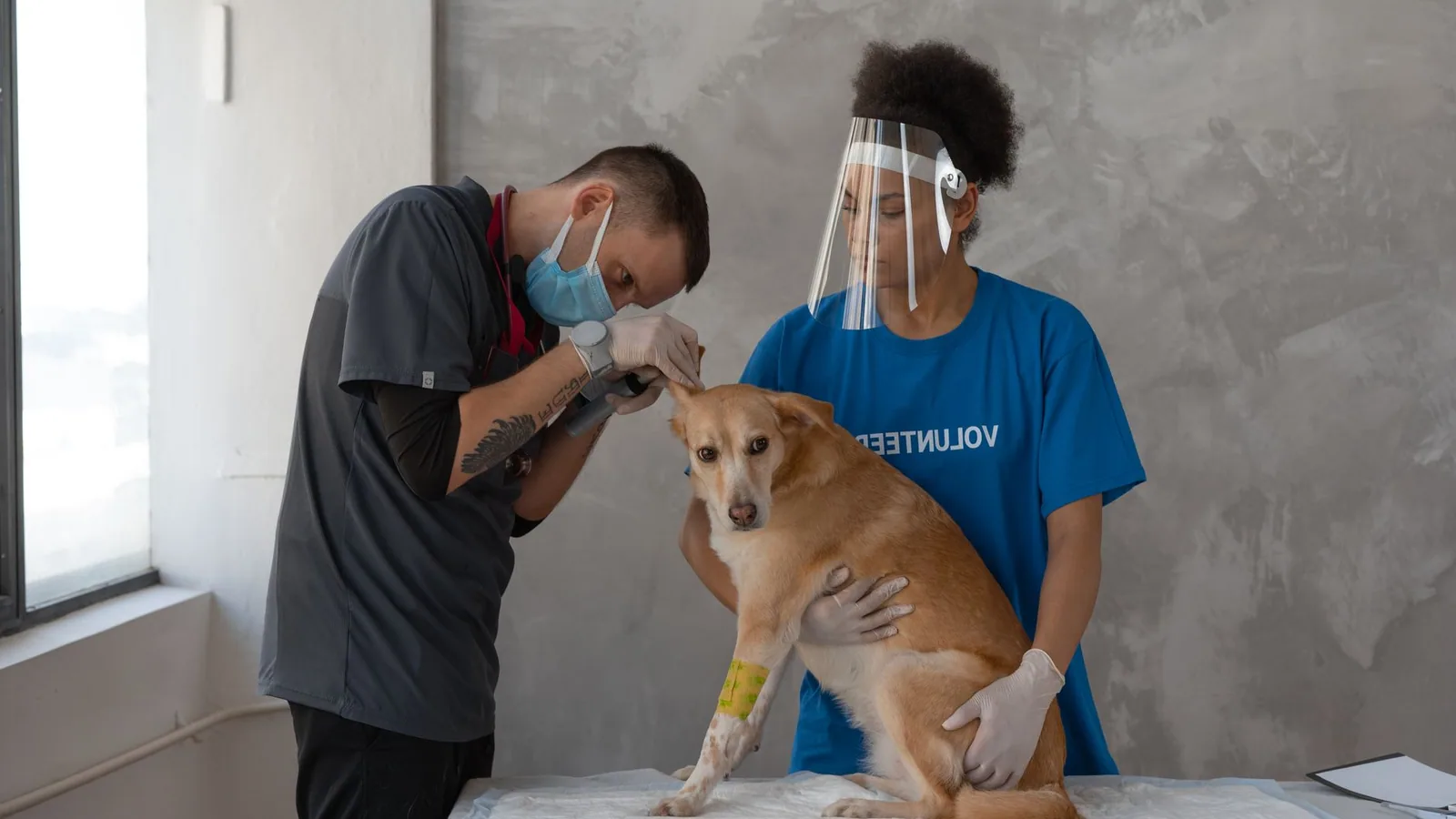
Gabapentin and pregabalin are two closely related drugs, called gabapentinoids, used in veterinary medicine to control neuropathic pain, to support seizure management, to reduce perioperative pain, and to calm anxious or fearful cats and dogs before veterinary visits. Neither drug is approved by the U.S. Food and Drug Administration for use in dogs, cats, or horses, so every veterinary use is extra-label and requires a valid veterinarian-client-patient relationship. The practical difference between the two is pharmacokinetic: gabapentin has saturable oral absorption that caps how much drug enters the bloodstream, while pregabalin is absorbed linearly, which makes blood levels more predictable as the dose rises. Both are cleared by the kidneys, so any animal with reduced renal function accumulates drug and needs careful monitoring.
This article is educational and is not a substitute for veterinary diagnosis or treatment.
At a Glance
| Feature | Gabapentin | Pregabalin |
|---|---|---|
| Drug class | Gabapentinoid, alpha-2-delta ligand | Gabapentinoid, alpha-2-delta ligand |
| FDA-approved veterinary label | None | None |
| Typical species in practice | Dogs, cats, horses, some exotic mammals | Dogs, cats |
| How it is given | Oral capsules, tablets, compounded liquid, compounded transdermal; injectable forms exist | Oral capsules, compounded liquid |
| Onset after oral dosing | Peak plasma levels within about 5 hours in prairie dogs, similar timing expected in dogs and cats | Rapid oral absorption |
| Duration | Often dosed every 8 to 12 hours | Often dosed every 8 to 12 hours |
| Prescription status | Prescription only | Prescription only |
| Main uses | Neuropathic pain, post-operative pain, seizure adjunct, pre-visit anxiety | Neuropathic pain, perioperative pain, seizure adjunct, pre-visit anxiety |
| Main side effects | Sedation, ataxia | Sedation, ataxia, increased appetite |
How Gabapentin and Pregabalin Work


Gabapentin was synthesized as a structural analog of the inhibitory neurotransmitter gamma-aminobutyric acid, or GABA, and it crosses the blood-brain barrier [1]. Despite that design history, neither gabapentin nor pregabalin acts directly on GABA receptors. Both bind the alpha-2-delta subunit of voltage-gated calcium channels on presynaptic neurons. That binding reduces calcium influx into the nerve terminal, which in turn reduces release of excitatory neurotransmitters such as substance P, calcitonin gene-related peptide, bradykinin, and somatostatin.
A rat osteoarthritis study illustrates this mechanism in measurable terms. When pregabalin was given for nine days after chemically induced joint degeneration, spinal concentrations of substance P, calcitonin gene-related peptide, bradykinin, and somatostatin returned to normal values, compared with the elevated levels seen in untreated rats [2]. The same study showed pregabalin reduced tactile allodynia, which is pain from a normally nonpainful touch, and improved place escape and avoidance behavior [2].
The clinical consequence of this presynaptic mechanism is that gabapentinoids work best for nerve-generated pain and for central sensitization, the process where repeated pain signals make the spinal cord more excitable. They are not classic anti-inflammatory drugs and they are not opioid receptor agonists. That distinction matters when choosing them for a surgical patient, because they complement opioids and local anesthetics rather than replacing them.
Indications: What Each Drug Is Used For
Neuropathic Pain
Neuropathic pain comes from a primary lesion or dysfunction in the nervous system, and it is a well-recognized complication after trauma, surgery, and inadequate analgesia [3]. Gabapentin has documented benefit in dogs for chronic and neuropathic pain, and in cats for post-ovariohysterectomy pain [1]. Pregabalin has stronger controlled-trial support in dogs for specific neuropathic conditions. In a randomized, double-blind, placebo-controlled crossover trial of 12 Cavalier King Charles Spaniels with syringomyelia-related central neuropathic pain, pregabalin 150 mg produced an 84 percent reduction in mean scratching events compared with placebo [4]. Scratching is the clinical sign most associated with this form of central neuropathic pain in that breed.
A case report describes a 2-year-old polytraumatized cat with allodynia and hyperalgesia after major trauma. The cat did not respond fully to methadone, ketamine, wound catheter bupivacaine, and a transversus abdominis plane block. Pregabalin was added as co-adjuvant therapy along with electroacupuncture, and the cat was discharged on oral tramadol and pregabalin [3]. That sequence, where a gabapentinoid is layered onto an incomplete analgesic plan, is the typical real-world pattern.
Perioperative Analgesia
Gabapentinoids reduce postoperative pain and opioid requirements when given before surgery. A randomized controlled trial of 46 dogs undergoing intervertebral disc surgery compared opioids alone with opioids plus oral pregabalin at 4 mg/kg given one hour before anesthesia and three times daily for five days afterward. Pregabalin reduced pain scores by a mean of 2.5 units on the Glasgow Composite Measure Pain Scale short form and raised the mechanical nociceptive threshold by a mean of 6.89 N compared with controls [5]. That is a meaningful reduction on a validated clinical scale.
A separate randomized, blinded, placebo-controlled study of 24 dogs undergoing mastectomy with ovariohysterectomy evaluated oral pregabalin suspension at 4 mg/kg given 60 minutes before and every 8 hours after surgery, on a background of morphine premedication, intraoperative morphine infusion, meloxicam, and fentanyl rescue [6]. Both trials used pregabalin as part of multimodal analgesia, not as a sole agent.
Seizure Management
Gabapentin is used extra-label in combination with other anticonvulsants to control seizures when first-line drugs are no longer effective or become toxic [1]. It is an adjunct, not a first-choice monotherapy for epilepsy. The reason is pharmacokinetic: because gabapentin absorption saturates, escalating the dose does not reliably escalate blood levels, and seizure control depends on predictable drug exposure.
Feline Stress and Pre-Visit Anxiety
Gabapentin is one of four medications with published data for reducing acute situational fear and anxiety in dogs and cats at veterinary visits, alongside trazodone, oral transmucosal dexmedetomidine, and alprazolam [7]. A systematic review of 40 studies on cats found 21 papers supporting gabapentin as an anxiolytic and five reporting similar therapeutic effects for pregabalin [8]. The same review found 12 papers supporting gabapentin for pain treatment in cats and two supporting pregabalin [8]. The evidence base for pregabalin in cats is therefore much thinner than for gabapentin, even though the pharmacology is similar.
What These Drugs Do Not Cover
Gabapentinoids do not treat inflammation, infection, or structural orthopedic disease. They do not replace opioids for severe acute pain. They do not reliably control seizures as a single agent. And they do not address the underlying cause of neuropathic pain, only the abnormal signaling it produces.
Pharmacokinetics: The Real Difference Between the Two Drugs
Absorption
Gabapentin oral absorption is saturable. As the dose increases, the fraction absorbed falls, so plasma concentration rises less than proportionally. This is why gabapentin dosing is often described as having a ceiling effect. A pharmacokinetic study in black-tailed prairie dogs illustrates the practical consequence. After oral dosing at 30 mg/kg, mean peak plasma concentration was 14.5 ng/mL. After oral dosing at 80 mg/kg, peak concentration was only 20.7 ng/mL, a 2.7-fold dose increase producing a 1.4-fold concentration increase [9]. Subcutaneous dosing at the same doses produced much higher peaks, 42.6 ng/mL and 115.5 ng/mL respectively, showing that the oral route is the limiting factor [9].
Pregabalin absorption is linear. Doubling the dose approximately doubles the plasma concentration, which makes titration more predictable and makes it easier to reach a target exposure. This is the single most important pharmacokinetic difference between gabapentin and pregabalin in veterinary use.
Distribution and Elimination
Both drugs are eliminated largely unchanged by the kidneys. Neither depends heavily on hepatic metabolism. That means renal function, not liver function, is the main determinant of how long the drug stays in the body. In the prairie dog study, disappearance half-lives after low and high oral gabapentin doses were 7.4 hours and 5.0 hours respectively, and all peak plasma concentrations occurred within 5 hours of administration [9]. Oral gabapentin at 30 mg/kg was predicted to maintain plasma concentrations at the half-maximal effective concentration for 12 hours, supporting every-12-hour dosing in that species [9].
Why This Matters Clinically
Saturable absorption explains why gabapentin sometimes seems to stop working when the dose is increased, and why switching to pregabalin can restore effect in an animal that has plateaued. Linear absorption explains why pregabalin is easier to titrate but also why dose increases carry a more predictable risk of sedation. Renal excretion explains why both drugs accumulate in animals with kidney disease, why dose intervals often need to be extended in those patients, and why monitoring sedation and ataxia matters more than monitoring a blood level in routine practice.
Dosing: What the Label and Literature Support
No FDA-approved veterinary label exists for gabapentin or pregabalin in dogs, cats, or horses, so all dosing is extra-label. The doses below come directly from the cited studies and should be read as research context, not as prescribing instructions.
- Pregabalin 4 mg/kg orally one hour before anesthesia, then 4 mg/kg three times daily for five days, in dogs undergoing intervertebral disc surgery [5].
- Pregabalin 4 mg/kg orally 60 minutes before surgery and every 8 hours afterward, in dogs undergoing mastectomy with ovariohysterectomy [6].
- Pregabalin 150 mg per dog total, in Cavalier King Charles Spaniels weighing 8.2 to 10.8 kg, for 25 days in a crossover trial [4].
- Gabapentin 30 mg/kg orally, predicted to maintain effective plasma concentrations for 12 hours in black-tailed prairie dogs [9].
For any individual patient, the dose, interval, and formulation must be set by the prescribing veterinarian based on species, weight, renal function, concurrent drugs, and the specific indication.
Side Effects and How to Manage Them
Sedation
Sedation is the most common gabapentinoid side effect in every species. In the syringomyelia trial, transient ataxia affected 9 of 12 dogs and increased appetite affected 9 of 12 dogs [4]. Sedation is usually dose-related and improves with time or dose reduction. In pre-visit anxiety protocols, some sedation is often the desired effect, since the goal is a calm patient that can be examined without distress [7].
Ataxia
Ataxia, or loss of coordinated movement, is the second most common effect. It is usually mild and resolves as the animal adjusts. Persistent or severe ataxia warrants dose reduction or discontinuation. In the syringomyelia trial, ataxia was described as transient [4].
Increased Appetite
Increased appetite appeared in 9 of 12 dogs in the pregabalin syringomyelia trial [4]. Owners should be warned so they do not mistake it for a new medical problem. Weight gain can follow if food intake is not managed.
Wound Healing Considerations
A rat study compared gabapentin and pregabalin at 20 mg/kg each on surgical wound healing. Inflammation scores were significantly lower in the pregabalin group than the gabapentin group until day 13, but wound healing was significantly better in the gabapentin group than the pregabalin group between days 13 and 21 [10]. Both gabapentinoid groups healed more slowly than saline controls in the early phase [10]. This is a rodent model and should not be directly extrapolated to clinical patients, but it is a reminder that gabapentinoids are not inert with respect to tissue repair.
Managing Side Effects in Practice
The practical approach is to start at the low end of the intended range, titrate upward over several days when the indication is chronic, and reduce the dose or extend the interval if sedation or ataxia interferes with quality of life. For pre-visit anxiety, a single dose given a few hours before the appointment is typical, so cumulative sedation is less of a concern.
Animals That Should Not Receive Gabapentinoids
Reduced renal function is the main contraindication to normal dosing. Because both drugs are cleared by the kidneys, animals with kidney disease accumulate drug and are at higher risk of sedation and ataxia. The prescribing veterinarian should assess renal function before starting therapy and adjust the dose or interval accordingly.
Animals with known hypersensitivity to gabapentin or pregabalin should not receive either drug. Caution is warranted in patients already receiving other sedatives, opioids, or central nervous system depressants, because effects are additive.
Drug Interactions
Gabapentinoids add to the effects of opioids, anesthetics, benzodiazepines, trazodone, dexmedetomidine, and other sedatives. In the canine surgical trials, pregabalin was deliberately combined with methadone, fentanyl, morphine, and meloxicam, and the combination was well tolerated [5][6]. That does not mean the combination is risk-free. It means the studies were designed with monitoring in place.
Antacids and other drugs that alter gastric pH or motility can affect gabapentin absorption, because gabapentin absorption depends on a specific transporter in the gut. This is another reason gabapentin blood levels are less predictable than pregabalin levels.
Gabapentin vs Pregabalin: Head-to-Head Comparison
Direct head-to-head veterinary trials of gabapentin and pregabalin are scarce. The human sciatica literature explicitly notes that no head-to-head study of gabapentin and pregabalin existed for that condition at the time of protocol publication [11]. Veterinary evidence is similarly limited, which is why the choice between the two drugs usually rests on pharmacokinetic reasoning and clinical experience rather than comparative trial data.
The feline systematic review is the closest veterinary equivalent. It found 21 papers supporting gabapentin as an anxiolytic in cats versus five for pregabalin, and 12 papers supporting gabapentin for pain versus two for pregabalin [8]. The review confirms both drugs are valid therapeutic options for stress, fear, anxiety, and pain in cats, but the volume of supporting evidence favors gabapentin [8].
In dogs, pregabalin has the stronger controlled-trial evidence for specific neuropathic and perioperative indications, including the intervertebral disc surgery trial [5], the mastectomy trial [6], and the syringomyelia trial [4].
The practical decision framework is:
- If the patient needs predictable, titratable exposure, pregabalin has the pharmacokinetic advantage.
- If the patient has documented benefit from gabapentin and tolerates it, there is no automatic reason to switch.
- If gabapentin effect plateaus at higher doses, the saturable absorption ceiling is a plausible explanation, and pregabalin is a reasonable alternative.
- If the patient is a cat needing pre-visit anxiolysis, gabapentin has the deeper evidence base [8][7].
- If the patient has renal impairment, either drug requires dose adjustment and closer monitoring.
Clinical Decision Table
| Species | Indication | Preferred agent | Formulation | Monitoring |
|---|---|---|---|---|
| Dog | Perioperative pain from spinal surgery | Pregabalin | Oral capsule or compounded liquid | Pain score, sedation score, mechanical nociceptive threshold [5] |
| Dog | Perioperative pain from soft tissue surgery | Pregabalin | Oral suspension | Glasgow Composite Measure Pain Scale, sedation score, rescue opioid use [6] |
| Dog | Central neuropathic pain from syringomyelia | Pregabalin | Oral capsule | Scratching episodes, ataxia, appetite, quality of life [4] |
| Dog | Chronic or neuropathic pain, seizure adjunct | Gabapentin | Oral capsule, tablet, compounded liquid | Sedation, ataxia, seizure frequency [1] |
| Cat | Pre-visit fear and anxiety | Gabapentin | Oral capsule or compounded liquid | Sedation level, ease of examination [7] |
| Cat | Post-ovariohysterectomy pain | Gabapentin | Oral capsule or compounded liquid | Pain score, sedation [1] |
| Cat | Neuropathic pain after major trauma | Pregabalin | Oral capsule or compounded liquid | Pain score, ataxia, response to multimodal plan [3] |
| Horse | Chronic pain | Gabapentin | Oral, compounded | Sedation, ataxia, appetite [1] |
| Any species with renal impairment | Any gabapentinoid indication | Either, with adjusted interval | Oral | Sedation, ataxia, renal panel |
The Main Decision Path
The flowchart below shows how a clinician moves from presentation to drug selection.
flowchart TD
    A[Patient presents with pain or anxiety] --> B{Is the pain neuropathic or central}
    B -->|Yes| C[Consider a gabapentinoid]
    B -->|No| D[Use standard analgesic plan]
    C --> E{Does the patient have renal impairment}
    E -->|Yes| F[Adjust dose and extend interval]
    E -->|No| G{Is the patient a cat}
    G -->|Yes| H[Gabapentin has the deeper feline evidence base]
    G -->|No| I{Is predictable titration needed}
    I -->|Yes| J[Pregabalin has linear absorption]
    I -->|No| K[Gabapentin is a reasonable first choice]
    F --> L[Monitor sedation and ataxia closely]
    H --> L
    J --> L
    K --> L
Compounding Variability and Other Pitfalls
Compounding Variability
Gabapentin and pregabalin are frequently dispensed as compounded liquids, suspensions, or transdermal gels because commercial veterinary formulations are limited. Compounded products vary in concentration accuracy, stability, and bioavailability between pharmacies and between batches. A patient that responded well to one compounded batch may respond differently to the next. Whenever a compounded product is used, the prescribing veterinarian should specify the exact concentration and the pharmacy, and the owner should not substitute a different product without checking first.
Renal Impairment Accumulation
Because both drugs are renally excreted, any decline in glomerular filtration rate prolongs drug exposure. Older cats and dogs with chronic kidney disease are the highest-risk group. Signs of accumulation are excessive sedation, ataxia, and in severe cases difficulty eating or standing. Dose interval extension is usually more effective than dose reduction alone, because the problem is clearance, not peak concentration.
Withdrawal Seizures
Abrupt discontinuation of gabapentinoids can precipitate seizures in patients with epilepsy, and can cause rebound anxiety and agitation in patients treated for behavioral indications. Tapering over several days to weeks is standard practice. Owners should never stop the drug because the pet seems better.
Human Off-Label Extrapolation
Human dosing schedules and human brand comparisons do not transfer to veterinary patients. Body size, renal clearance, absorption kinetics, and species-specific sensitivity all differ. The prairie dog study showed that oral gabapentin at 30 mg/kg produced peak plasma concentrations of only 14.5 ng/mL, while subcutaneous dosing at the same dose produced 42.6 ng/mL [9]. Route alone changed exposure almost threefold. Extrapolating a human oral dose to a dog or cat without species-specific pharmacokinetic data is unreliable.
The Saturable Absorption Trap
When a patient does not respond to gabapentin, the instinct is to increase the dose. Because absorption saturates, a higher dose may add little plasma concentration while adding full side effects. Recognizing this trap is one of the strongest arguments for switching to pregabalin in a nonresponding patient.
Clinical Relevance, Limitations and Common Mistakes
The clinical relevance of gabapentinoids in veterinary medicine is well established for neuropathic pain, perioperative analgesia, seizure adjunctive therapy, and pre-visit anxiolysis. The limitations are equally real. Direct comparative veterinary trials are scarce, most dosing is extra-label, and the evidence base is much stronger for gabapentin in cats and for pregabalin in specific canine neuropathic and surgical indications.
Common mistakes include increasing a gabapentin dose when the real problem is saturable absorption, failing to adjust for renal impairment, stopping either drug abruptly, assuming a compounded product will behave like the previous batch, and treating a gabapentinoid as a substitute for a complete multimodal analgesic plan. Another frequent error is expecting a gabapentinoid to work immediately for chronic neuropathic pain. These drugs often need days to weeks of consistent dosing before full effect.
Individual patients vary in response, and every case needs a veterinarian who can assess renal function, concurrent medications, and the specific pain or behavioral syndrome before prescribing.
Frequently Asked Questions
What is the main difference between gabapentin and pregabalin?
The main difference is pharmacokinetic. Gabapentin has saturable oral absorption, so blood levels rise less than proportionally with dose. Pregabalin has linear absorption, so blood levels rise predictably with dose.
Are gabapentin and pregabalin approved for use in dogs and cats?
No. Neither drug has an FDA-approved veterinary label for dogs, cats, or horses. All veterinary use is extra-label under a valid veterinarian-client-patient relationship.
Which one is better for cats with anxiety before a vet visit?
Gabapentin has the deeper evidence base in cats. A systematic review found 21 papers supporting gabapentin as an anxiolytic in cats compared with five for pregabalin [8].
Can gabapentin and pregabalin be used together?
They are not typically combined because they share the same mechanism and the same side effect profile. Combining them increases sedation and ataxia risk without a clear added benefit.
Why does gabapentin stop working at higher doses?
Gabapentin absorption saturates, so increasing the dose does not proportionally increase plasma concentration. A study in prairie dogs showed a 2.7-fold dose increase produced only a 1.4-fold concentration increase [9].
Do these drugs cause kidney damage?
No. They are cleared by the kidneys but do not damage them. The concern is that kidney disease causes drug accumulation, which increases sedation and ataxia risk.
Can I stop gabapentin suddenly?
No. Abrupt discontinuation can trigger withdrawal seizures in epileptic patients and rebound anxiety in behavioral patients. Tapering is required.
How long does it take for a gabapentinoid to work for neuropathic pain?
Peak plasma levels occur within about 5 hours of an oral dose [9], but full benefit for chronic neuropathic pain often takes days to weeks of consistent dosing.
Related Articles
- Gabapentin For Cats
- Gabapentin For Dogs
- Gabapentin for Cats: Pre-Vet Visit Stress Dosing and Joint Pain Support
- Dog Separation Anxiety Gabapentin
- What Are the Side Effects of Gabapentin for Cats?
- Veterinary Pharmacology Calculations for the NAVLE
Sources
- Gabapentin: Clinical Use and Pharmacokinetics in Dogs, Cats, and Horses.
- Sensitivity of functional targeted neuropeptide evaluation in testing pregabalin analgesic efficacy in a rat model of osteoarthritis pain.
- Multimodal analgesia for treatment of allodynia and hyperalgesia after major trauma in a cat.
- Pregabalin alleviates clinical signs of syringomyelia-related central neuropathic pain in Cavalier King Charles Spaniel dogs: a randomized controlled trial.
- Randomized controlled trial of pregabalin for analgesia after surgical treatment of intervertebral disc disease in dogs.
- Analgesic efficacy of pregabalin in dogs undergoing mastectomy with ovariohysterectomy.
- A review of pre-appointment medications to reduce fear and anxiety in dogs and cats at veterinary visits.
- Comparison of the Anxiolytic and Analgesic Effects of Gabapentin and Pregabalin in Cats: A Systematic Review.
- Pharmacokinetic Profiles of Gabapentin after Oral and Subcutaneous Administration in Black-tailed Prairie Dogs (Cynomys ludovicianus).
- Comparison of the effects of gabapentin and pregabalin on wound healing in rats.
- Pregabalin versus gabapentin in the treatment of sciatica: study protocol for a randomised, double-blind, cross-over trial (PAGPROS).