Amoxicillin vs Amoxicillin-Clavulanate: Key Differences
By Dr. Zubair Khalid, DVM, MS, PhD ·
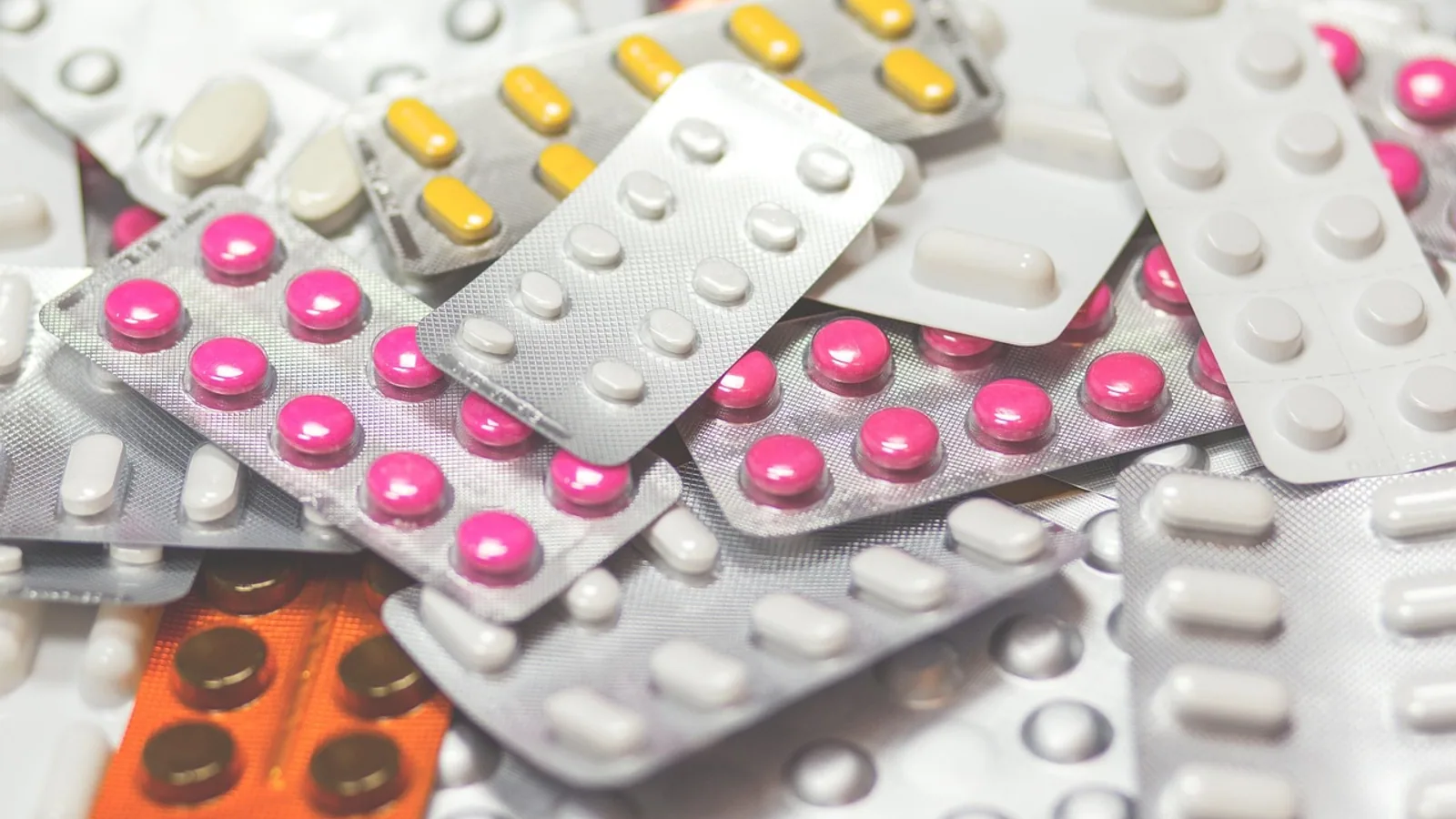
Amoxicillin and amoxicillin-clavulanate are both aminopenicillin antibiotics, and they share the same active beta-lactam drug. The difference is the second ingredient. Amoxicillin-clavulanate adds clavulanic acid, a molecule with no antibacterial activity of its own that blocks the bacterial enzymes (beta-lactamases) that would otherwise destroy amoxicillin. That single addition widens the spectrum from organisms that never made those enzymes to organisms that do, including beta-lactamase-producing Staphylococcus pseudintermedius, Escherichia coli, and Klebsiella species. The trade-off is cost, a slightly higher rate of gastrointestinal upset, and no gain at all against bacteria that resist amoxicillin by mechanisms other than enzyme production, such as Pseudomonas aeruginosa or methicillin-resistant staphylococci.
Both products are prescription-only in the United States. Neither is available over the counter, and neither should be started without a diagnosis, because the choice between them depends on which organism is likely present and whether it is likely to produce beta-lactamase.
This article is educational and is not a substitute for veterinary diagnosis or treatment.
At a Glance
| Feature | Amoxicillin | Amoxicillin-Clavulanate |
|---|---|---|
| Active ingredients | Amoxicillin (aminopenicillin) | Amoxicillin plus clavulanic acid (beta-lactamase inhibitor) |
| Species and label | Dogs, cats, and other species under veterinary prescription. Oral veterinary formulations exist for companion animals | Dogs, cats, and other species under veterinary prescription. Oral veterinary formulations exist for companion animals |
| Minimum age or weight on the label | Follow the specific product label. Neonatal and very young animals are generally avoided because of immature renal clearance | Follow the specific product label. Same caution applies, and the combination is not for animals with a history of penicillin hypersensitivity |
| How it is given | Oral, typically every 12 hours. Injectable forms exist | Oral, typically every 12 hours. Intravenous amoxicillin-clavulanate is used in hospitalized dogs |
| How fast it works | Peak plasma concentrations occur within roughly 1 to 2 hours after oral dosing in dogs | Similar absorption profile for the amoxicillin component. Clavulanate is absorbed and eliminated faster than amoxicillin |
| How long it lasts | Amoxicillin half-life in dogs is long enough to support extended dosing intervals. In one study the half-life was about 7 hours after subcutaneous dosing | The intravenous combination is dosed every 8 hours in hospitalized dogs. Oral dosing is usually every 12 hours |
| Prescription or over the counter | Prescription only | Prescription only |
What Each Product Is
Amoxicillin is a semi-synthetic aminopenicillin. It belongs to the beta-lactam family, the same broad group as penicillin G, ampicillin, and the cephalosporins. Beta-lactams kill bacteria by binding to penicillin-binding proteins in the bacterial cell wall, which stops the cross-linking that holds peptidoglycan together. The bacterium cannot maintain its wall under osmotic pressure, and it lyses. This is a bactericidal mechanism, meaning the drug kills rather than merely stops growth.
Amoxicillin improves on ampicillin in one practical way. It is absorbed more completely from the gut after oral administration, so it produces higher blood concentrations for the same oral dose. That is why oral amoxicillin is used far more often in small animal practice than oral ampicillin.
Amoxicillin-clavulanate is amoxicillin combined with clavulanic acid, usually in a fixed ratio. Veterinary and human products commonly use a 4:1 ratio of amoxicillin to clavulanate, though other ratios exist. Clavulanic acid is a beta-lactam molecule that has essentially no antibacterial activity on its own. Its entire clinical purpose is to protect amoxicillin from enzymatic destruction.
The combination is sometimes written as amoxicillin/clavulanate, amoxicillin-clavulanic acid, or AMC. In veterinary practice you will also hear it called "clav" or referred to by common brand names. The combination is one of the most widely used oral antibiotics in both human and veterinary medicine, and its impact on the gut microbiota of treated animals is an active area of study [1].
How Amoxicillin Works


Beta-lactam antibiotics act on actively dividing bacteria. Amoxicillin crosses the bacterial cell wall, binds penicillin-binding proteins, and blocks the transpeptidation step of peptidoglycan synthesis. Without a properly cross-linked wall, the bacterium swells and bursts. Because the target is a structure that mammalian cells do not have, beta-lactams are selectively toxic to bacteria, which is why their main adverse effects in animals are gastrointestinal and hypersensitivity-related rather than organ toxicity at normal doses.
Amoxicillin is time-dependent, not concentration-dependent. What matters for killing is how long the free drug concentration stays above the minimum inhibitory concentration (MIC) for the target organism. The MIC is the lowest drug concentration that prevents visible bacterial growth in a standardized laboratory test. For aminopenicillins, the pharmacodynamic target is generally expressed as the percentage of the dosing interval during which free drug stays above the MIC, written as %T > MIC.
This is why dosing interval matters more than peak concentration. A study in dogs given amoxicillin subcutaneously at 15 mg/kg found a half-life of about 7 hours, and the time above MIC exceeded 80 percent of a 24-hour interval for susceptible S. pseudintermedius strains [2]. That finding supports extended-interval dosing strategies for susceptible isolates, but it also shows the limit of the drug. The same study tested clinical isolates with MICs of 0.25, 0.5, 64, and 16 micrograms per milliliter. The two susceptible strains were well covered. The resistant strains were not [2].
How Clavulanate Works
Clavulanic acid is a suicide inhibitor, also called a mechanism-based inhibitor. It binds the active site of beta-lactamase enzymes and is chemically transformed by them, and in the process it permanently inactivates the enzyme. The enzyme destroys the inhibitor and itself in the same reaction. This is why the term "suicide" is used. The inhibitor is consumed, so the enzyme is not merely blocked while the inhibitor is present, it is taken out of service.
Clavulanate has no intrinsic antibacterial activity at clinically relevant concentrations. It does not kill bacteria on its own and does not add direct killing power to amoxicillin. Its only job is to keep amoxicillin intact long enough to reach its penicillin-binding protein target. When a bacterium produces no beta-lactamase, clavulanate contributes nothing to the outcome, and amoxicillin alone would work just as well.
The structural basis for this is well characterized. Class A beta-lactamases such as PC1 bind clavulanic acid with high affinity, and specific contact residues (Ser70, Lys73, Ser130, Glu166, and Lys234) are involved in recognition [3]. That same binding chemistry is what makes clavulanate a useful biorecognition element in laboratory detection methods, and it is also the reason clavulanate is used as the inhibitor in confirmatory tests for extended-spectrum beta-lactamase (ESBL) production [3][4].
Spectrum Comparison
The practical difference between the two products is entirely about beta-lactamase production. Amoxicillin covers organisms that lack these enzymes. Amoxicillin-clavulanate covers those organisms plus the ones that produce susceptible beta-lactamases.
Organisms Covered by Amoxicillin Alone
Amoxicillin retains useful activity against:
- Streptococcus species, including beta-hemolytic streptococci. Streptococci have never relied on beta-lactamase as their main resistance mechanism, so clavulanate adds nothing here.
- Pasteurella species, common in bite wounds, respiratory infections, and abscesses in dogs and cats.
- Non-beta-lactamase-producing Staphylococcus species. Many canine staphylococcal isolates still lack beta-lactamase, and those remain susceptible to plain amoxicillin.
- Actinomyces, Bordetella bronchiseptica, and several other respiratory and oral pathogens, depending on local susceptibility patterns.
Organisms That Require the Clavulanate
Adding clavulanate extends coverage to beta-lactamase producers:
- Staphylococcus pseudintermedius that produce beta-lactamase. This is the most common cause of canine pyoderma, and beta-lactamase production is widespread among these isolates.
- Escherichia coli that produce TEM-1 or similar narrow-spectrum beta-lactamases. In a study of uropathogenic E. coli from dogs, 36 percent of amoxicillin resistance was attributable to beta-lactamase production, with TEM-1 the most common enzyme identified [5].
- Klebsiella species, which commonly produce beta-lactamases.
- Pasteurella and Streptococcus isolates that happen to produce beta-lactamase, which is uncommon but possible.
Organisms Neither Product Covers
Amoxicillin-clavulanate is not effective against Pseudomonas aeruginosa. Pseudomonas produces chromosomal AmpC beta-lactamase that clavulanate does not inhibit effectively, and it has additional resistance mechanisms including efflux pumps and low outer membrane permeability. This is a common and clinically important gap.
Amoxicillin-clavulanate is also not effective against methicillin-resistant Staphylococcus pseudintermedius (MRSP) or methicillin-resistant Staphylococcus aureus (MRSA). Methicillin resistance is mediated by the mecA gene, which encodes an altered penicillin-binding protein (PBP2a) with low affinity for all beta-lactams. Clavulanate cannot restore activity against a target that the drug cannot bind. Current guidelines state that S. pseudintermedius isolates showing oxacillin resistance should be reported as resistant to all beta-lactams, including amoxicillin-clavulanate [6]. A study of 86 clinical canine MRSP isolates did find that some clonal complexes and SCC*mec* types were associated with lower amoxicillin-clavulanate MICs than others, but the clinical rule remains that MRSP is treated as beta-lactam resistant [6].
Why Clavulanate Does Not Help Against Non-Enzymatic Resistance
This is the single most misunderstood point about the combination. Clavulanate only addresses one resistance mechanism: beta-lactamase production. If a bacterium resists amoxicillin by a different route, clavulanate does nothing.
Non-enzymatic resistance mechanisms include:
- Altered penicillin-binding proteins, as in MRSA and MRSP.
- Reduced outer membrane permeability, which limits how much drug reaches the target. This matters most in Gram-negative organisms.
- Active efflux pumps that expel the drug before it can act.
- Biofilm formation, which creates a physical and metabolic barrier.
A bacterium that is resistant because of an efflux pump will be just as resistant to amoxicillin-clavulanate as to amoxicillin. The same is true for a bacterium with a mutated penicillin-binding protein. Adding clavulanate to amoxicillin is not a general-purpose upgrade. It is a targeted fix for one specific problem.
Spectrum Table
| Organism | Amoxicillin activity | Amoxicillin-clavulanate activity | Typical veterinary indication |
|---|---|---|---|
| Streptococcus species (beta-hemolytic) | Susceptible | Susceptible (no added benefit) | Wound infections, cellulitis, upper respiratory disease |
| Pasteurella multocida | Susceptible | Susceptible (no added benefit) | Bite wounds, abscesses, respiratory infections in cats and dogs |
| Non-beta-lactamase Staphylococcus species | Susceptible | Susceptible (no added benefit) | Superficial pyoderma when culture confirms susceptibility |
| Beta-lactamase-producing Staphylococcus pseudintermedius | Resistant | Susceptible | Canine superficial and deep pyoderma, otitis externa, wound infection |
| Escherichia coli (narrow-spectrum beta-lactamase) | Often resistant | Susceptible | Urinary tract infection, wound infection, gastrointestinal infection |
| Klebsiella species | Often resistant | Susceptible | Urinary tract infection, respiratory infection, wound infection |
| Pseudomonas aeruginosa | Resistant | Resistant | Not an appropriate choice. Requires an antipseudomonal drug |
| MRSA and MRSP | Resistant | Resistant | Not an appropriate choice. Requires culture-guided alternative therapy |
| Bordetella bronchiseptica | Variable | Variable | Not a first-line choice for canine infectious tracheobronchitis |
| Anaerobes (many oral species) | Often susceptible | Often susceptible | Dental infections, bite wounds, aspiration pneumonia |
Dosing and Administration
Doses must come from the product label or a veterinary formulary, and they differ by species, by indication, and by formulation. Do not extrapolate a dose from one species to another. The pharmacokinetics of amoxicillin differ substantially between dogs, cats, and food animals, and even between healthy and critically ill animals of the same species.
For context on how dosing is studied rather than as a prescribing guide, published veterinary research has used these regimens:
- Amoxicillin at 15 mg/kg subcutaneously in healthy dogs, with a half-life of about 7 hours [2].
- Intravenous amoxicillin-clavulanate at 20 mg/kg every 8 hours as a 0.5-hour infusion in healthy and critically ill dogs [7].
- Oral amoxicillin-clavulanate at approximately 20.5 mg/kg in healthy Beagle dogs for a bioavailability study [8].
- Oral amoxicillin-clavulanate at 62.5 mg per cat every 12 hours in a urine concentration study [9].
These are research protocols, not dosing recommendations. A prescribing veterinarian selects a dose based on the labeled product, the target organism, the site of infection, and the individual animal.
Oral Administration Practicalities
Amoxicillin and amoxicillin-clavulanate are both given orally, usually every 12 hours. Giving the dose with a small amount of food reduces nausea and vomiting. Do not give the dose in a large meal, because a full stomach can slow absorption.
Complete the full course as prescribed, even if the animal looks better after two or three days. Stopping early selects for resistant bacteria and increases the chance of relapse.
Formulation Differences Matter
Not all amoxicillin-clavulanate products are interchangeable. A study comparing two oral amoxicillin-clavulanate formulations in healthy dogs found that bioequivalence was not established. The relative bioavailability of the second formulation was 76.5 percent for amoxicillin and 72.7 percent for clavulanate compared with the first, and only the clavulanate peak concentration met the standard bioequivalence criteria [8]. A separate pilot study comparing a human generic product with a veterinary proprietary 4:1 formulation found no statistically significant differences in pharmacokinetic parameters, but clavulanate showed greater between-dog variation than amoxicillin, and the authors concluded that further comparative investigation was warranted [10].
The practical takeaway is that formulation choice is not trivial. When a veterinarian dispenses a specific product, substituting a different one without discussion can change drug exposure, particularly for clavulanate.
What Amoxicillin-Clavulanate Does Not Cover
Three gaps matter most in practice.
Pseudomonas aeruginosa. This organism is intrinsically resistant to amoxicillin-clavulanate. It is a common cause of chronic otitis externa in dogs, of wound infections, and of healthcare-associated infections. If Pseudomonas is suspected, the combination is the wrong drug.
MRSA and MRSP. Methicillin resistance means the bacterium has an altered penicillin-binding protein. No amount of clavulanate will help. In a study of canine corneal ulcers, S. pseudintermedius was the most common isolate at 27.8 percent, and 73 percent of tested isolates were susceptible to amoxicillin-clavulanate, which means a meaningful minority were not [11]. Culture and susceptibility testing remain important for serious infections.
ESBL-producing Enterobacteriaceae. Extended-spectrum beta-lactamases are enzymes that hydrolyze not only amoxicillin but also third-generation cephalosporins. Clavulanate inhibits many of these enzymes in the laboratory, which is exactly why it is used in confirmatory ESBL tests [4]. But the clinical picture is different. ESBL-producing organisms frequently carry additional resistance determinants on the same plasmids, including resistance to other drug classes, and infections caused by them are generally treated with drugs other than amoxicillin-clavulanate. A study of ESBL-producing E. coli from diseased cats found that 61.3 percent of Enterobacteriaceae isolates were resistant to amoxicillin-clavulanate [12]. Clavulanate inhibiting an enzyme in a test tube does not mean the combination will cure the infection.
Side Effects and What to Do
The most common adverse effects of both drugs are gastrointestinal: vomiting, diarrhea, and reduced appetite. These occur more often with the clavulanate combination than with amoxicillin alone, and clavulanate is generally considered the component responsible for the additional GI upset.
Vomiting within 30 minutes of dosing. The dose was likely lost. Contact the prescribing veterinarian before redosing, because giving a second full dose can cause an overdose if the first dose was partly absorbed.
Mild diarrhea. This is common and often self-limiting. Keep the animal hydrated and finish the course unless the veterinarian advises otherwise. Amoxicillin-clavulanate treatment reduces gut microbial diversity and can reduce beneficial taxa, and these changes typically return toward baseline about a week after the course ends [1]. In veal calves, a five-day amoxicillin-clavulanate course decreased alpha diversity and reduced the relative abundance of Lachnospiraceae, a family considered beneficial to host health [13].
Severe or bloody diarrhea. Stop the drug and call the veterinarian. This can indicate a more serious dysbiosis or a Clostridioides difficile overgrowth.
Allergic reactions. Hives, facial swelling, and itching indicate hypersensitivity. Difficulty breathing is an emergency. Stop the drug and seek veterinary care immediately.
Rare hematologic or hepatic effects. These are uncommon in animals but are described in the human literature. Report any jaundice, unexplained bruising, or lethargy to the veterinarian.
Which Animals Should Not Receive These Drugs
Do not give amoxicillin or amoxicillin-clavulanate to:
- Animals with a known penicillin or cephalosporin hypersensitivity.
- Rabbits, guinea pigs, hamsters, and other hindgut fermenters. Beta-lactams can disrupt the cecal microbiota of these species and cause fatal enterotoxemia. This is a well-established contraindication in exotic animal practice.
- Animals with a history of amoxicillin-clavulanate-associated cholestatic hepatitis, if such a reaction is documented.
- Very young neonates, unless the veterinarian specifically directs it, because renal clearance is immature.
Use caution in animals with significant renal impairment. Both drugs are eliminated largely by the kidney, and reduced clearance can lead to accumulation.
Drug Interactions
Allopurinol. In humans, allopurinol increases the frequency of amoxicillin rash. The interaction is not well characterized in animals, but it is reasonable to monitor.
Warfarin and other vitamin K antagonists. Amoxicillin can alter gut flora that produce vitamin K, which may potentiate anticoagulant effects. Monitor coagulation parameters if both drugs are used.
Methotrexate. Penicillins can reduce renal clearance of methotrexate and increase its toxicity. Avoid the combination when possible.
Probenecid. Probenecid blocks renal tubular secretion of penicillins and prolongs their action. This is rarely used in veterinary medicine but is worth knowing.
Bacteriostatic antibiotics. Combining a bactericidal beta-lactam with a bacteriostatic drug such as tetracycline or chloramphenicol is traditionally discouraged because the bacteriostatic agent can reduce bacterial division, and beta-lactams act best on dividing bacteria. The clinical significance of this interaction is debated, but many veterinarians avoid the combination unless there is a specific reason.
Other beta-lactams. Do not combine amoxicillin-clavulanate with another beta-lactam for the same infection. The combination adds toxicity risk without adding spectrum.
How These Drugs Compare With Alternatives
Amoxicillin vs amoxicillin-clavulanate. The only reason to choose the combination is suspected or confirmed beta-lactamase production. If the organism is a Streptococcus, a Pasteurella, or a non-beta-lactamase staphylococcus, plain amoxicillin works and costs less.
Amoxicillin-clavulanate vs cephalexin. Cephalexin is a first-generation cephalosporin that is stable against many staphylococcal beta-lactamases and is a mainstay for canine pyoderma. It has no meaningful Gram-negative coverage and no anaerobic coverage. Amoxicillin-clavulanate covers a broader range including many E. coli, Klebsiella, and anaerobes, which makes it useful for bite wounds and mixed infections.
Amoxicillin-clavulanate vs clindamycin. Clindamycin covers most staphylococci, streptococci, and anaerobes, and it penetrates bone and soft tissue well. It has no Gram-negative coverage. It is a common choice for dental infections and for animals with penicillin allergy.
Amoxicillin-clavulanate vs fluoroquinolones. Fluoroquinolones cover Pseudomonas and many Gram-negative organisms, but they carry a higher risk of adverse effects including cartilage and tendon damage, and their use in veterinary medicine is increasingly restricted to cases where no alternative exists. They are not interchangeable with amoxicillin-clavulanate.
Amoxicillin-clavulanate vs doxycycline. Doxycycline covers Bordetella, Mycoplasma, rickettsial organisms, and many tick-borne pathogens that amoxicillin-clavulanate does not touch. It is the wrong comparison for a pyoderma but the right one for a respiratory or vector-borne infection.
Clinical Relevance, Limitations and Common Mistakes
The most common mistake is reaching for amoxicillin-clavulanate when plain amoxicillin would work. This is not harmless. Every unnecessary use of the broader drug increases selective pressure, disrupts the gut microbiota more than necessary, and costs more. A study of dogs treated with either amoxicillin or amoxicillin-clavulanate found that both increased the proportion of ampicillin-resistant E. coli and enterococci in feces during and after treatment, and that amoxicillin-clavulanate reduced the abundance of taxa considered part of the beneficial microbiota [1]. The resistance cost is real for both drugs, but the broader drug is not free.
The second mistake is assuming the combination covers everything amoxicillin covers plus more. It does not cover Pseudomonas, MRSA, or MRSP, and it does not overcome non-enzymatic resistance. A veterinarian who suspects Pseudomonas otitis should not reach for amoxicillin-clavulanate.
The third mistake is treating all amoxicillin-clavulanate products as interchangeable. Bioequivalence between formulations is not guaranteed, and clavulanate exposure varies more between animals than amoxicillin exposure does [8][10].
The fourth mistake is stopping treatment early because the animal looks better. Relapse and resistance selection are the consequences.
The limitations of these drugs are also worth stating plainly. Neither is effective against viral infections. Neither treats fungal or parasitic disease. Neither reaches therapeutic concentrations in all tissues, and some infections (prostatitis, bone infections, abscesses with poor blood supply) require different drugs or surgical intervention.
Individual animals vary in how they absorb, distribute, and clear these drugs, and the right choice for a specific patient requires a veterinarian who can examine the animal, consider the likely pathogen, and interpret any culture results. This article is educational and is not a substitute for veterinary diagnosis or treatment.
Questions to Ask Your Veterinarian
- Which organism do you suspect, and does it produce beta-lactamase?
- Would plain amoxicillin work for this infection, or is the clavulanate necessary?
- Was a culture and susceptibility test done, and what did it show?
- What is the exact dose, and how many times per day should I give it?
- How long should the full course last?
- What should I do if my pet vomits after a dose?
- Are there any interactions with the other medications my pet takes?
- What signs would mean I should stop the drug and call you?
Frequently Asked Questions
What is the difference between amoxicillin and amoxicillin-clavulanate?
Amoxicillin-clavulanate contains amoxicillin plus clavulanic acid, which blocks beta-lactamase enzymes. The addition extends coverage to beta-lactamase-producing bacteria such as S. pseudintermedius, E. coli, and Klebsiella. Amoxicillin alone does not cover those organisms.
Does clavulanate kill bacteria on its own?
No. Clavulanic acid is a suicide inhibitor with no intrinsic antibacterial activity at clinical concentrations. It inactivates beta-lactamase enzymes so amoxicillin can reach its target.
Does amoxicillin-clavulanate cover Pseudomonas?
No. Pseudomonas aeruginosa is intrinsically resistant to amoxicillin-clavulanate because of chromosomal AmpC beta-lactamase and other resistance mechanisms. A different drug is needed.
Does amoxicillin-clavulanate work against MRSA or MRSP?
No. Methicillin resistance involves an altered penicillin-binding protein that beta-lactams cannot bind. Clavulanate cannot restore activity. These infections require culture-guided alternative therapy.
Can I use amoxicillin-clavulanate if my pet is allergic to penicillin?
No. Amoxicillin-clavulanate contains amoxicillin, which is a penicillin. An animal with penicillin hypersensitivity should not receive it.
Why does amoxicillin-clavulanate cause more stomach upset than amoxicillin?
Clavulanate is generally considered the component responsible for the additional gastrointestinal effects. Both drugs can cause vomiting and diarrhea, but the combination is associated with a higher rate.
Can I give amoxicillin-clavulanate to my rabbit or guinea pig?
No. Beta-lactams can cause fatal enterotoxemia in hindgut fermenters by disrupting the cecal microbiota. These species require different antibiotics.
Is amoxicillin-clavulanate the same as Augmentin?
Augmentin is a human brand of amoxicillin-clavulanate. Veterinary products use the same active ingredients but may differ in ratio, formulation, and bioavailability. Do not substitute one for the other without veterinary guidance.
Related Articles
- Clavamox Amoxicillin-Clavulanate: Feline Respiratory and Skin Infection Dose
- Epigenetics vs Epigenesis: Key Differences Explained
- Point Mutation vs Missense: Key Differences Explained
- Epigenetics vs Genetics: Key Differences and Interactions
- Operon Inducer vs Activator: Key Differences Explained
- Epigenetics vs Mutation: Key Differences and Mechanisms
- Amoxicillin Clavulanate Potassium for Pets
- Methylene Group vs Methine: Key Differences
Sources
- Impact of oral amoxicillin and amoxicillin/clavulanic acid treatment on bacterial diversity and β-lactam resistance in the canine faecal microbiota.
- Pharmacokinetics and Pharmacodynamics Evaluation of Amoxicillin Against Staphylococcus pseudintermedius in Dogs.
- Development of a β-lactamase-based aggregation-induced emission lateral flow strip for the detection of clavulanic acid in Milk.
- Integrated Phenotypic and Genomic Characterization of Cefotaxime/Clavulanic Acid Inhibitor-Positive Multidrug-Resistant Escherichia coli from Large-Scale Pig Farms in Hungary.
- Patterns and mechanisms of resistance to beta-lactams and beta-lactamase inhibitors in uropathogenic Escherichia coli isolated from dogs in Portugal.
- Specific staphylococcal cassette chromosome mec (SCCmec) types and clonal complexes are associated with low-level amoxicillin/clavulanic acid and cefalotin resistance in methicillin-resistant Staphylococcus pseudintermedius.
- Population Pharmacokinetics of Intravenous Amoxicillin Combined With Clavulanic Acid in Healthy and Critically Ill Dogs.
- Comparative bioavailability study of two oral formulations of amoxicillin-clavulanic acid in healthy dogs.
- Evaluation of urine concentrations of amoxicillin and clavulanate in cats.
- Relative Oral Bioavailability of Two Amoxicillin-Clavulanic Acid Formulations in Healthy Dogs: A Pilot Study.
- Patterns of Bacterial Infection and Antibiotic Resistance in Canine Corneal Ulcers: A Retrospective Analysis (Berlin, Germany, 2021-2024).
- Detection of multidrug resistance and extended-spectrum/plasmid-mediated AmpC beta-lactamase genes in Enterobacteriaceae isolates from diseased cats in Italy.
- Changes in fecal microbiota after therapeutic exposure to amoxicillin-clavulanic acid in veal calves receiving multiple antibiotics.