Siberian Cat
By Dr. Zubair Khalid, DVM, MS, PhD ·
Key Takeaways
- Siberian cats are often perceived as hypoallergenic due to lower Fel d1 glycoprotein production, but this does not guarantee allergen-free status; individual allergic responses vary significantly.
- Hypertrophic Cardiomyopathy (HCM) is a prevalent breed predisposition, necessitating annual echocardiographic screening for breeding cats and those exhibiting clinical signs like lethargy or dyspnea.
- Obesity is a common concern in Siberians, increasing the risk of diabetes mellitus and osteoarthritis; maintaining a Body Condition Score (BCS) of 5/9 is ideal, requiring careful dietary management and regular weigh-ins.
- Periodontal disease is common, underscoring the importance of annual veterinary dental check-ups, professional cleanings under anesthesia, and daily tooth brushing with veterinary-approved toothpaste.
- Routine preventive care includes core vaccinations (panleukopenia, herpesvirus, calicivirus, rabies) and year-round parasite control, with non-core vaccines like FeLV determined by lifestyle risk assessment.
- A balanced, species-appropriate diet, measured meals, and adequate hydration (especially with wet food for urinary health) are crucial for maintaining optimal health and preventing conditions like struvite crystal formation.
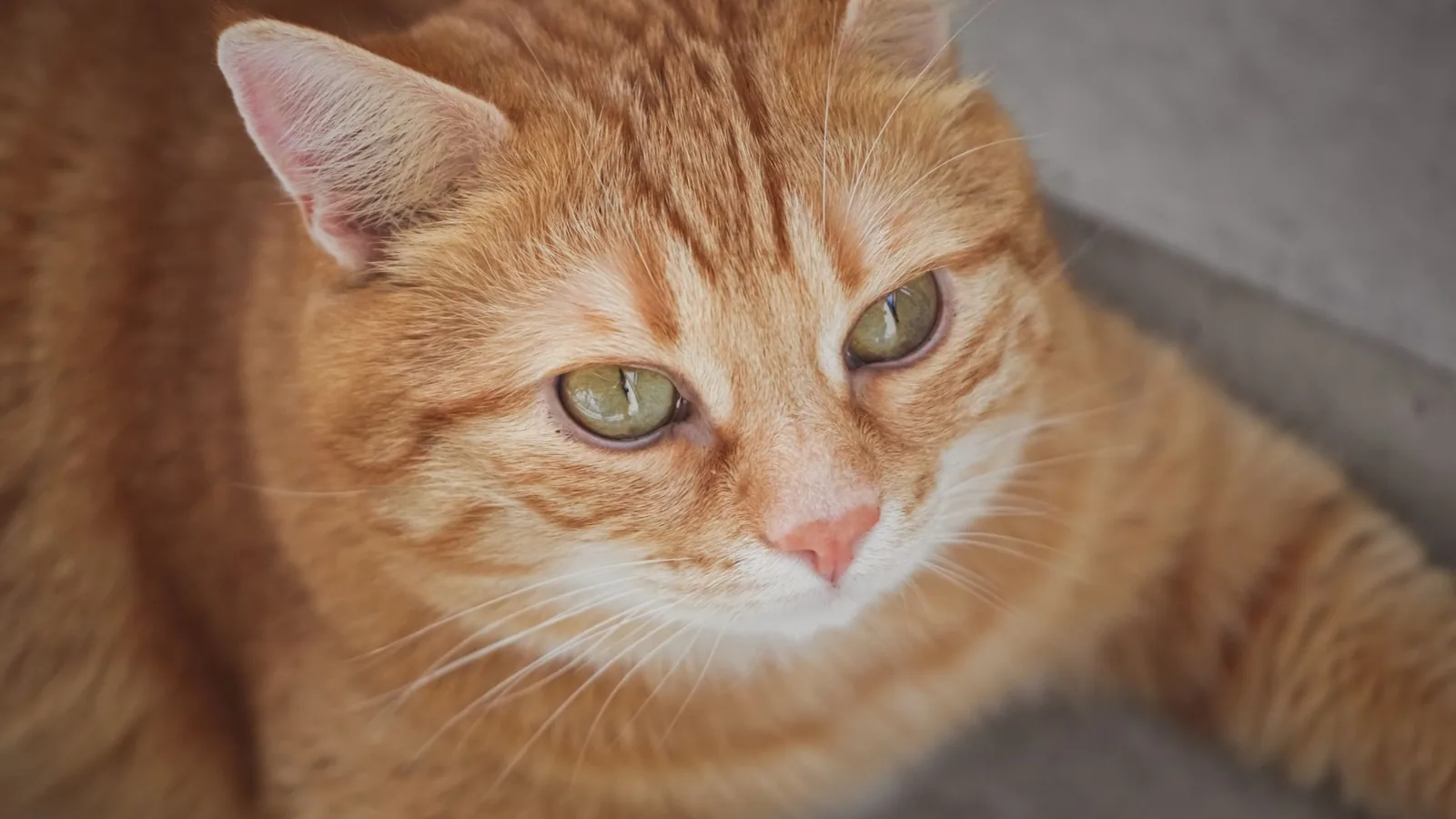
The Siberian cat is a naturally occurring breed from Russia, known for its luxurious triple coat, robust build, and affectionate temperament. While often promoted as hypoallergenic, the reality is more nuanced. From a clinical perspective, Siberian cats are generally healthy but have breed-specific predispositions that owners and veterinarians should monitor. This article provides evidence-based guidance on common health concerns, routine care, and when to seek professional veterinary attention.
Quick Q&A: Common Questions
Question: Are Siberian cats hypoallergenic?
Answer: No cat is completely hypoallergenic, but Siberian cats produce lower levels of the Fel d1 glycoprotein compared to many other breeds. This reduction may lessen allergic reactions in some sensitive individuals, but individual responses vary widely. Always consult an allergist and spend time with the breed before bringing one home.
Common Health Concerns in Siberian Cats
Siberians are a relatively hardy breed, yet they are not immune to inherited and lifestyle-related conditions. Awareness of these issues supports early detection and better outcomes.
Hypertrophic Cardiomyopathy (HCM)
HCM is the most prevalent heart disease in cats, and Siberian cats are among the breeds with a higher risk. The condition involves thickening of the left ventricular wall, which can lead to heart failure, thromboembolism, or sudden death. Genetic testing can identify some mutations, but not all. The American College of Veterinary Internal Medicine (ACVIM) recommends annual echocardiographic screening for breeding cats and for any Siberian showing clinical signs such as lethargy, breathing difficulty, or hindlimb paralysis. Owners should watch for subtle behaviour changes, such as reduced activity or hiding, which could indicate early heart disease.
Obesity and Joint Health
Siberians have a sturdy frame and can become overweight if not carefully managed. Obesity predisposes them to diabetes mellitus, hepatic lipidosis, and osteoarthritis. A 2021 AAHA/AVMA consensus statement on obesity reaffirms that a body condition score (BCS) of 5/9 is ideal; any higher requires dietary intervention. Regular weigh-ins and portion control are essential. For arthritic cats, veterinarians may recommend joint supplements (e.g., glucosamine, chondroitin), weight management, and environmental modifications like low-sided litter boxes.
Dental Disease
Periodontal disease is common in domestic cats, including Siberians. Poor oral health can lead to pain, tooth resorption, and systemic issues affecting the kidneys and heart. The European Veterinary Dental Society (EVDS) advises annual dental check-ups and professional cleanings under anaesthesia. Daily tooth brushing with veterinary-approved toothpaste is the gold standard for home care.
Routine Veterinary Care and Prevention
Preventive medicine is the cornerstone of keeping a Siberian cat healthy throughout its life. Adhering to international guidelines ensures comprehensive coverage.
Vaccination and Parasite Control
The World Small Animal Veterinary Association (WSAVA) vaccination guidelines recommend core vaccines (feline panleukopenia, herpesvirus, calicivirus, rabies) for all cats. Non-core vaccines, such as feline leukaemia virus (FeLV), should be based on lifestyle risk. Combined with the European Advisory Board on Cat Diseases (ABCD) recommendations, annual boosters for core vaccines are standard. Parasite control should include year-round protection against fleas, ticks, heartworm, and intestinal worms, tailored to geographic risk.
Nutrition and Weight Management
A balanced, species-appropriate diet supports a Siberian’s long coat, immune system, and energy levels. Feeding a high-quality commercial food that meets AAFCO (USA) or FEDIAF (Europe) nutritional profiles is advisable. Avoid free-feeding; measured meals twice daily help maintain a healthy BCS. For Siberians with a history of urinary issues, a diet that promotes urine dilution and appropriate pH (e.g., wet food) can reduce the risk of struvite crystals and urolithiasis.
Grooming and Skin Health
The triple coat of a Siberian requires regular brushing (2-3 times weekly) to prevent matting and hairballs. During heavy seasonal sheds, daily grooming is recommended. While not strictly clinical, poor coat condition can signal underlying health problems such as hyperthyroidism, parasites, or nutritional deficiencies. Owners should inspect the skin for lumps, scabs, or signs of flea allergy dermatitis. Routine ear cleaning and nail trimming complete the grooming regimen.
When to Visit the Veterinarian
Beyond scheduled wellness exams, certain signs warrant an immediate veterinary visit. These include:
- Difficulty breathing, open-mouth breathing, or coughing
- Sudden hindlimb weakness or paralysis (suggestive of arterial thromboembolism from HCM)
- Vomiting or diarrhoea lasting more than 24 hours
- Lethargy, decreased appetite, or weight loss
- Frequent urination or blood in the urine
- Changes in behaviour such as increased hiding or aggression
Early veterinary intervention improves prognosis for most conditions. A comprehensive examination, possibly including bloodwork, imaging (echocardiogram, X-rays), and urinalysis, will guide diagnosis and treatment.
By staying informed about breed-specific health tendencies and adhering to routine preventive care, owners can help their Siberian cat enjoy a long, active, and comfortable life. Always consult your veterinarian for personal health advice tailored to your pet’s individual needs.