Dog Inner Ear Infection Home Remedies
By Dr. Zubair Khalid, DVM, MS, PhD ·
Key Takeaways
- Inner ear infections (otitis interna) in dogs are serious and often secondary to middle ear infections (otitis media) or systemic diseases like hypothyroidism, requiring prompt veterinary diagnosis.
- Never insert any objects into a dog's ear canal if an inner ear infection is suspected, as the eardrum may be ruptured, leading to potential permanent damage or forcing debris deeper.
- Home remedies such as warm compresses, omega-3 fatty acid supplementation, and hypoallergenic diets can offer supportive care for comfort and recurrence reduction, but are not a substitute for veterinary treatment.
- Clinical signs like persistent head tilt, nystagmus, loss of balance, vomiting, and hearing loss necessitate immediate veterinary evaluation, including otoscopic examination and potentially advanced imaging like CT or MRI.
- Veterinary treatment may involve systemic antibiotics or antifungals based on culture and sensitivity testing, anti-inflammatory medications, and addressing underlying causes identified through blood work and diagnostic procedures.
- Prevention strategies focus on maintaining ear hygiene (only when the eardrum is confirmed intact), effective allergy management, and regular veterinary check-ups, particularly for predisposed breeds.
For a concerned pet owner, watching a dog stagger, tilt its head, or circle aimlessly can be alarming. These signs often point to an inner ear infection (otitis interna), a condition that requires careful management. While home remedies can support comfort and prevention, they cannot replace professional diagnosis. This article outlines evidence-informed home care strategies, explains what to expect at the veterinarian, and clarifies when veterinary intervention is non-negotiable.
Quick Q&A: Common Questions
Question: Can I clean my dog’s ears at home if I suspect an inner ear infection?
Answer: No. Never insert anything into the ear canal of a dog with suspected inner ear infection. The eardrum may be ruptured, and improper cleaning can force debris deeper or cause permanent damage. Leave ear cleaning to the veterinarian until the eardrum’s integrity is confirmed.
Understanding Inner Ear Infections
The inner ear (cochlea and vestibular apparatus) is separated from the middle ear by the oval window and round window. Infections typically ascend from the middle ear (otitis media) or arise from systemic diseases. Common causes include:
- Bacterial or yeast overgrowth secondary to allergies or foreign bodies.
- Hypothyroidism and other endocrine disorders.
- Polyps or tumours that obstruct the ear’s drainage.
- Head trauma or aggressive cleaning.
Clinical signs such as head tilt, nystagmus (rapid eye movements), loss of balance, vomiting, and hearing loss reflect vestibular dysfunction. According to the American Veterinary Medical Association (AVMA) and the World Small Animal Veterinary Association (WSAVA), any dog showing vestibular signs should receive a complete ear examination and neurological assessment within 24 hours.
Do Home Remedies Have a Role?
Home remedies can mitigate discomfort and reduce the risk of recurrence, but they are not a substitute for veterinary treatment. When used correctly and with veterinary oversight, the following strategies may support healing:
Warm Compresses
A clean, warm (not hot) cloth applied gently to the outer ear for 5 to 10 minutes can soothe inflammation and improve blood flow. Avoid pressing on the ear canal. This is safe for most dogs and can be repeated two to three times daily.
Dietary Adjustments
Many inner ear infections are linked to food allergies or intolerances. A novel protein or hydrolysed diet, recommended by the American Academy of Veterinary Dermatology, may reduce inflammation in the ear canals. Switching to a hypoallergenic diet should be done gradually over 7 to 10 days.
Omega-3 Fatty Acids
Supplements containing eicosapentaenoic acid (EPA) and docosahexaenoic acid (DHA) have anti-inflammatory properties. The European Medicines Agency (EMA) acknowledges the benefit of omega-3s in managing chronic otitis. Dosages vary by weight; consult your vet before adding supplements.
Maintaining Ear Hygiene (When Safe)
Once the vet confirms an intact eardrum, gentle ear cleaning with a veterinarian-recommended, pH-balanced ear cleaner can remove debris. Never use hydrogen peroxide, alcohol, or vinegar solutions, as these can damage the delicate inner ear structures.
When Home Care Is Not Enough
Do not attempt home remedies if your dog shows:
- Persistent head tilt or circling for more than a few hours.
- Inability to stand or walk.
- Fever, lethargy, or pain when touching the head.
- Discharge that is bloody or foul-smelling.
These signs indicate a severe infection or possible extension into the central nervous system (meningitis). The Canadian Veterinary Medical Association (CVMA) stresses that untreated otitis interna can lead to deafness, facial nerve paralysis, or even life-threatening complications.
What to Expect at the Vet
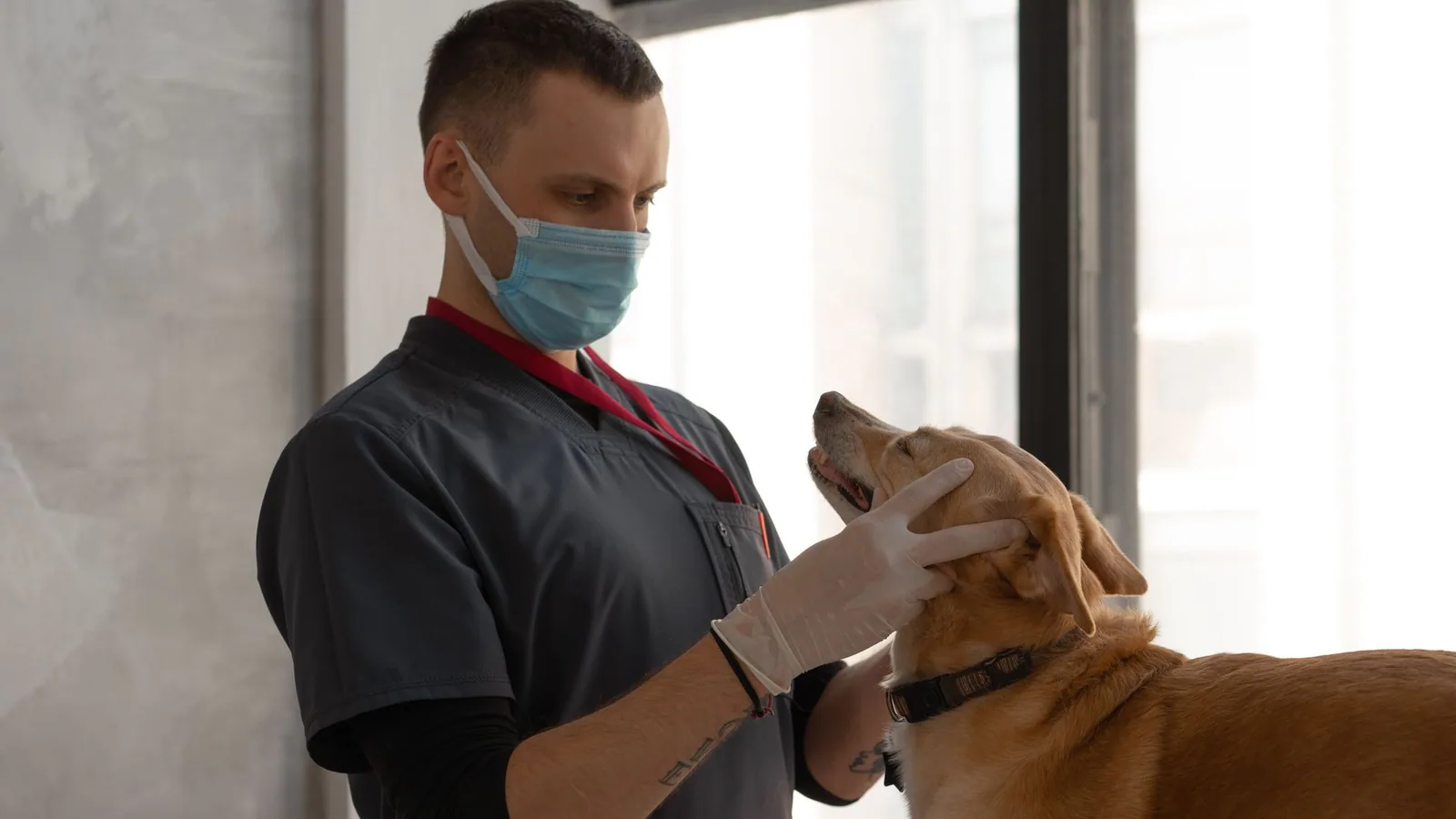
Your veterinarian will likely perform:
- Otoscopic examination under sedation to visualise the ear canal and eardrum.
- Imaging (CT or MRI) to assess the middle and inner ear; radiographs are less sensitive.
- Myringotomy (a small incision in the eardrum) to collect samples for culture and sensitivity.
- Blood work to rule out underlying systemic disease.
Treatment often involves systemic antibiotics or antifungals (based on culture results), anti-inflammatory medications (corticosteroids or NSAIDs), and sometimes surgical drainage. Hospitalisation may be required for severe cases.
Prevention Strategies
Because inner ear infections are often extensions of outer or middle ear problems, maintaining ear health is key:
- Regular ear checks after swimming or bathing. Dry ears thoroughly with a soft towel.
- Allergy management (food trials, environmental controls, immunotherapy).
- Avoid over-cleaning; excessive moisture or irritation disrupts the ear’s microbiome.
- Routine veterinary examinations every 6 to 12 months, especially for breeds with floppy ears (Cocker Spaniels, Labrador Retrievers, Basset Hounds).
The AVMA/AAHA consensus guidelines emphasise that prophylactic ear cleaning with a drying agent once a week can reduce recurrences in predisposed dogs, but only after the eardrum is confirmed intact.
The Bottom Line
Inner ear infections are serious medical conditions. While home remedies like warm compresses, dietary changes, and omega-3 supplements can offer supportive care, they should never delay a veterinary visit. Prompt diagnosis and targeted therapy give your dog the best chance for a full recovery. Always follow your veterinarian’s recommendations, and never attempt to treat a suspected inner ear problem with over-the-counter products or home-brewed solutions. Your dog’s balance, hearing, and overall wellbeing depend on it.