Dog Ear Infections Natural Treatment
By Dr. Zubair Khalid, DVM, MS, PhD ·
Key Takeaways
- Veterinary Diagnosis is Paramount: Natural treatments are only appropriate for very mild, veterinarian-confirmed cases where serious underlying causes like foreign bodies, tumors, or chronic allergies have been ruled out. Delaying professional care can lead to chronic damage or eardrum rupture.
- Root Cause Identification is Crucial: Ear infections in dogs are often secondary to anatomical predispositions (floppy ears), allergies (atopic dermatitis, food sensitivities), moisture exposure, foreign material, or endocrine disorders, necessitating treatment of the primary issue for effective management.
- Supportive Natural Therapies: For approved mild cases, gentle ear cleansers (diluted apple cider vinegar, alcohol-free witch hazel with minimal tea tree oil), virgin coconut oil for topical application, probiotics for gut health, and warm compresses can offer supportive care.
- Limitations of Natural Treatments: Natural remedies are ineffective against significant bacterial or yeast infections and cannot penetrate blocked ear canals or treat ruptured eardrums, potentially causing pain and hearing loss if used inappropriately.
- Diagnostic Procedures: Veterinarians utilize otoscopic examination, cytology (microscopic analysis of ear discharge), and potentially culture to identify causative agents (bacteria, yeast) and guide appropriate prescription therapy, which may include topical antibiotics, antifungals, or corticosteroids.
- Preventative Measures: Proactive ear care involves thorough drying after water exposure, regular cleaning with vet-approved solutions, managing underlying allergies, trimming ear hair in predisposed breeds, and weekly ear checks for early detection.
Ear infections are one of the most common reasons dogs visit the veterinarian. While conventional medical treatment is often necessary, many pet owners explore natural therapies to support healing, reduce recurrence, and minimise the use of antibiotics or antifungals. Understanding when and how to use natural treatments safely is essential for your dog's health and comfort.
Quick Q&A: Common Questions
Question: Can I treat my dog's ear infection naturally without seeing a vet?
Answer: Only if the infection is very mild and you are certain it is not caused by a foreign body, tumour, or chronic allergy. Even then, natural treatments such as gentle ear cleansers with diluted apple cider vinegar or coconut oil may help, but they are not effective against serious bacterial or yeast infections. The AVMA and AAHA recommend a veterinarian confirm the underlying cause before any home treatment, as delaying proper care can lead to chronic damage or a ruptured eardrum.
Understanding the Root Causes
Before turning to any natural approach, you need to recognise why ear infections develop. Most cases stem from one or more of these factors:
- Anatomy: Dogs with floppy, hairy ears (e.g., Cocker Spaniels, Labrador Retrievers) have reduced air circulation, creating a warm, moist environment where yeast and bacteria thrive.
- Allergies: Atopic dermatitis or food allergies often manifest first in the ears. In fact, over 50% of dogs with allergic skin disease develop otitis externa at some point.
- Moisture: Swimming or frequent bathing without thorough drying can predispose breeds like Golden Retrievers to infections.
- Foreign material: Grass awns, foxtails, or dirt can trigger inflammation and secondary infection.
- Endocrine disorders: Hypothyroidism or Cushing's disease can alter the ear canal's immunity.
Understanding the primary cause is crucial because natural treatments that only address symptoms will not resolve a recurring issue. The clinical consensus from the World Small Animal Veterinary Association (WSAVA) emphasises that successful management requires treating the underlying disease.
Natural Home Care for Mild Cases
When a veterinarian has ruled out serious conditions and approved a conservative approach, the following natural methods may support ear health. Use them only in clean, non-painful ears and stop if your dog shows discomfort.
Gentle Cleansers
A mild ear cleanser can help remove debris and reduce overgrowth. Mix equal parts distilled water and organic apple cider vinegar (with the mother) for a gentle acidic rinse that discourages yeast. Alternatively, a solution of witch hazel (alcohol-free) and a few drops of tea tree oil (diluted to 0.5% or less) may offer antimicrobial benefits. However, tea tree oil can be toxic if ingested or overused, so consult your vet first.
Coconut Oil
Virgin coconut oil has natural antifungal and antibacterial properties. Warm a small amount (about a tablespoon) to liquid and gently massage into the ear flap. Do not drip it deep into the canal. The oil can sooth inflammation and create a barrier against moisture. The Canadian Veterinary Medical Association (CVMA) notes that while coconut oil is safe in small amounts, it should not replace prescription treatment for active infections.
Probiotics and Diet
Many holistic vets recommend improving gut health to manage allergies that drive ear infections. Adding a high-quality probiotic (with strains like Lactobacillus and Bifidobacterium) can reduce systemic inflammation. A diet free from common allergens such as chicken, beef, dairy, or grains may also help. The European Medicines Agency's (EMA) guidelines for chronic otitis highlight that dietary changes can be effective for allergic otitis, but elimination trials should be supervised.
Warm Compresses
A warm, damp cloth applied to the outer ear for 5 minutes can help reduce pain and encourage drainage. This is purely supportive and will not cure an infection.
When Natural Treatments Are Not Enough
If your dog is shaking their head persistently, scratching their ear, or you notice a foul odour, discharge, or redness deep in the canal, a vet visit is non-negotiable. Natural remedies will not penetrate a blocked ear canal or treat a ruptured eardrum. Using them in these situations can cause severe pain and hearing loss.
The AAHA's Clinical Guidelines for Otitis Externa state that any ear with pus, blood, or significant swelling requires a cytology examination to identify the organism. This can be done quickly in-clinic. Based on the results (bacteria, yeast, or both), your vet will prescribe appropriate medication: topical antibiotics, antifungals, and sometimes corticosteroids. In chronic cases, an ear flush under sedation or surgery may be needed.
What to Expect at the Vet
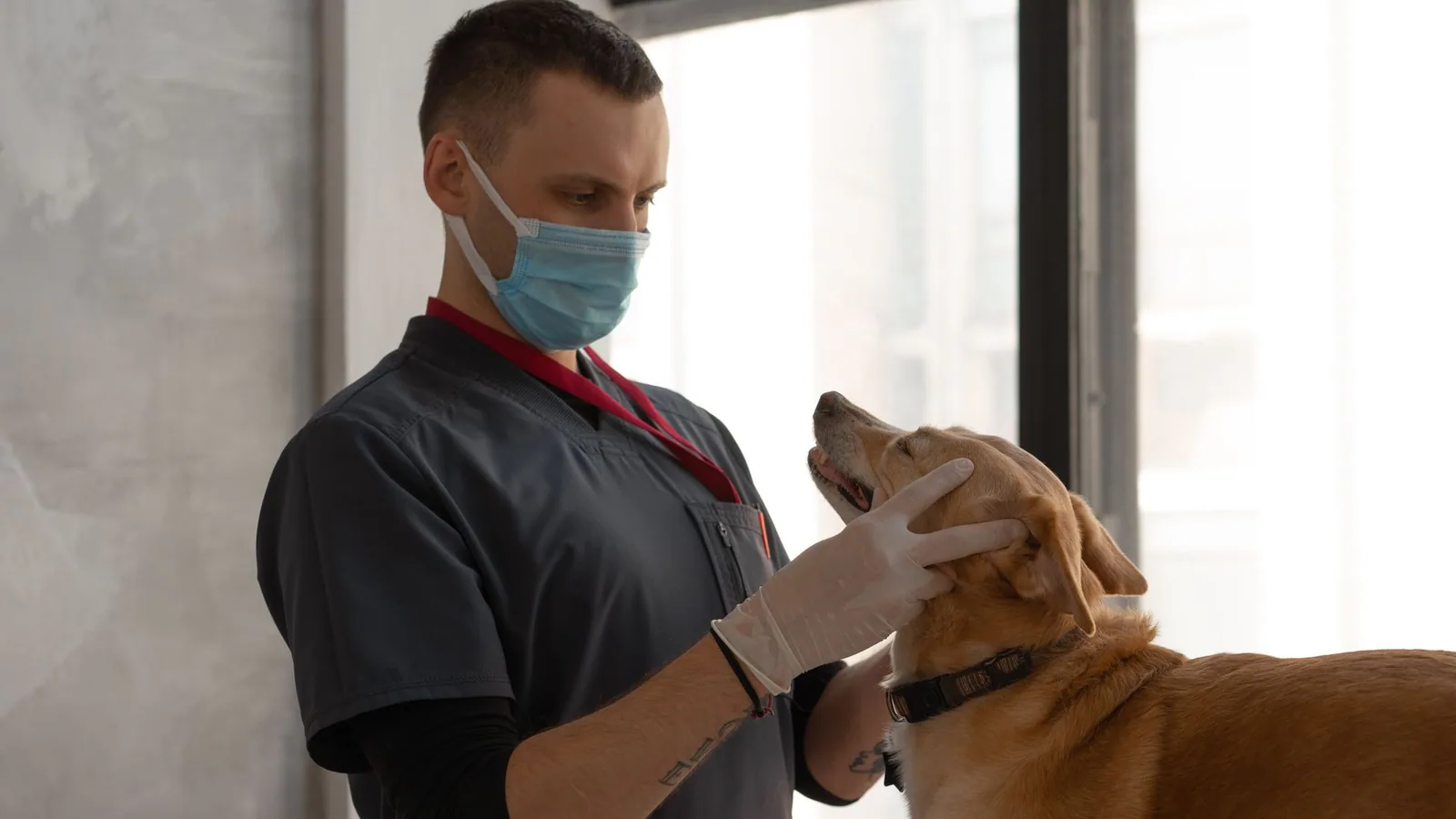
When you bring your dog in for a suspected ear infection, the veterinarian will:
- Perform an otoscopic exam to check the eardrum and look for foreign bodies.
- Collect a sample from the ear canal for cytology (looking under a microscope) to determine the type of infection.
- Possibly culture the discharge if the infection is severe or recurrent.
- Prescribe ear drops or oral medication. They may also show you how to clean the ears properly at home.
Do not be surprised if the vet recommends stopping all home remedies during active treatment, as many natural products can interfere with prescription medications or delay healing.
Prevention Tips for Healthy Ears
Once an infection resolves, take these steps to prevent recurrence:
- Dry thoroughly after swimming or baths. Use a cotton ball to gently absorb moisture from the outer canal.
- Regular cleaning with a veterinarian-recommended ear cleaner. Avoid over-cleaning, which can strip protective oils.
- Manage allergies with diet, omega-3 fatty acids, and vet-approved antihistamines or immunotherapy.
- Trim ear hair in breeds prone to heavy growth. Some groomers can safely do this, or you can learn from your vet.
- Check ears weekly for redness, odour, or discharge. Early detection makes treatment easier.
Natural treatments can be a valuable part of a comprehensive ear care plan, but they are not a substitute for professional diagnosis. Work closely with your veterinarian to find the safest, most effective approach for your dog. By addressing root causes and using evidence-based natural support, you can help your companion enjoy comfortable, infection-free ears.