Dog Ear Infection Treatment At Home Otc
By Dr. Zubair Khalid, DVM, MS, PhD ·
Key Takeaways
- Mild canine ear infections (otitis externa) may be managed at home with OTC ear cleaners containing drying agents like boric acid or acetic acid, provided the tympanic membrane is intact.
- OTC ear cleaners can help remove debris and reduce yeast or bacteria, but prescription medications containing antibiotics or antifungals are often required for moderate to severe infections.
- Never use OTC treatments if the ear drum is potentially damaged (indicated by dark discharge, strong odor, head tilt, or pain on palpation), as this can lead to middle ear damage and deafness.
- Underlying causes of ear infections, such as allergies, ear mites, or foreign bodies, must be identified and addressed by a veterinarian to prevent recurrence.
- Veterinary diagnosis involves otoscopic examination, cytology of ear discharge to identify causative agents (bacteria, yeast), and prescription of targeted topical or oral medications.
- Prevention strategies include thorough ear drying after water exposure, weekly ear checks, controlling allergies, and consistent flea and tick prevention to mitigate ear mite risk.
A dog’s ear infection is painful and frustrating. Many owners search for quick over-the-counter (OTC) solutions to save a vet visit. While some mild cases can be managed at home, it is critical to understand the risks. Using the wrong product can worsen the infection or damage your dog’s ear drum. This article provides clear, evidence-informed guidance for home OTC treatment of canine ear infections, based on clinical consensus statements from the American Veterinary Medical Association (AVMA) and the British Small Animal Veterinary Association (BSAVA). It is written for owners in the US, UK, Canada, Australia, and other English-speaking countries, using both US and Commonwealth spellings.
Quick Q&A: Common Questions
Question: Can I treat my dog’s ear infection at home with OTC products?
Answer: Only if the infection is mild and you are certain the ear drum is intact. OTC ear cleaners (with drying agents like boric acid or acetic acid) can help remove debris and reduce yeast or bacteria. However, most OTC medications contain antibiotics or antifungals that require a prescription in many countries. Using them without a veterinary diagnosis risks masking a deeper problem or causing resistance. The safest first step is to clean the ears gently and observe for 24 hours. If you see swelling, pain, or discharge, see your vet.
Causes of Canine Ear Infections
Dog ear infections (otitis externa) are usually caused by bacteria, yeast (Malassezia), or a combination. Underlying triggers include allergies (food or environmental), ear mites, foreign bodies (grass awns), excessive moisture (swimming), or anatomical issues like narrow ear canals or heavy ears. Breeds with floppy ears (e.g., Cocker Spaniels, Basset Hounds) are predisposed.
The AVMA and BSAVA both emphasize that effective treatment must address the root cause. Simply treating the infection with OTC drops without managing allergies or moisture is likely to lead to recurrence.
Home OTC Care: What You Can Safely Do
1. Ear Cleaning (The Most Important OTC Step)
An OTC ear cleaner (often labeled as a drying solution) is the cornerstone of home management. Look for products with:
- Boric acid or acetic acid (vinegar-based) for mild antimicrobial activity.
- Salicylic acid to help break down waxy debris.
- Drying agents like isopropyl alcohol (only if ear is not raw or ulcerated).
Proper technique: Fill the ear canal with solution, massage the base for 30 seconds, let your dog shake out debris, then wipe the outer ear with a cotton ball. Never use a cotton swab inside the canal. Repeat daily for up to five days. If the ear does not improve, discontinue and consult a vet.
2. When NOT to Use OTC Treatments
- If the ear drum may be damaged. Signs: discharge that is dark brown or yellow-green, a strong odour, head tilt, or your dog crying when you touch the ear. OTC medications can enter the middle ear and cause deafness or vestibular damage.
- If the infection is severe. Redness, swelling, pain, or a foul smell indicate a deeper infection needing prescription medication (antibiotics or antifungals).
- If your dog has a known allergy or ear mites. These require specific prescription treatments, not generic OTC products.
The European Medicines Agency (EMA) and Canadian Veterinary Medical Association (CVMA) both advise against using leftover human ear drops or “natural” remedies (like tea tree oil) which can be toxic to dogs.
What to Expect at the Vet
If home care fails or the infection looks serious, your vet will:
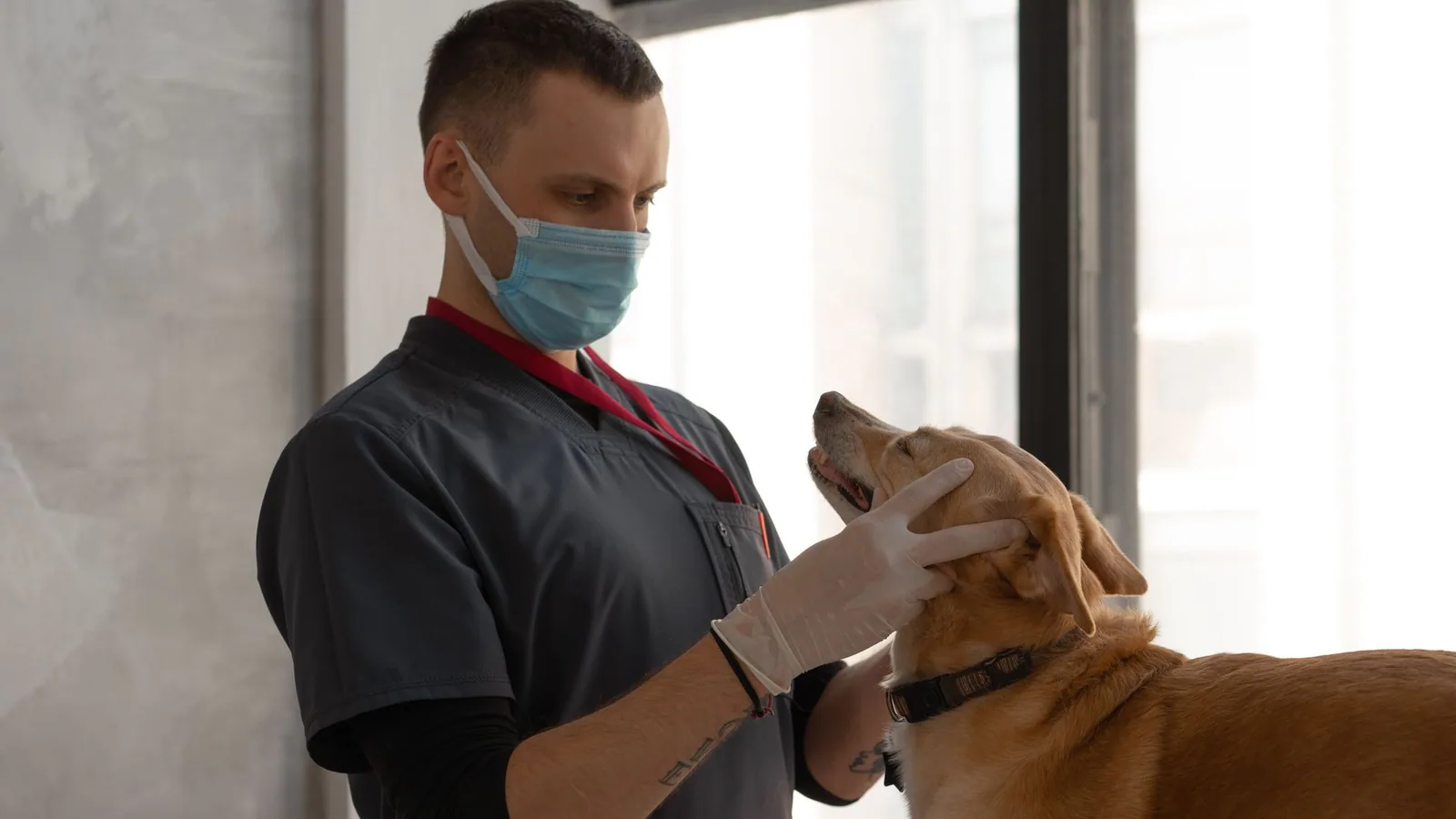
- Examine the ear canal with an otoscope to check the eardrum.
- Take a sample of discharge to identify the organism under a microscope.
- Prescribe a topical ear medication (usually a combination of antibiotic, antifungal, and anti-inflammatory) or oral medication for severe cases.
- Recommend follow-up ear cleaning and possibly allergy testing.
Remember: An untreated infection can progress to a chronic condition or even a middle ear infection (otitis media). The AVMA stresses that early veterinary intervention is more cost-effective and less painful in the long run.
Prevention: Keep Ears Healthy
- Dry ears after swimming or bathing. Use a vet-recommended drying ear cleaner.
- Check ears weekly. Look for redness, odour, or excessive wax.
- Control allergies. Work with your vet on diet or environmental management.
- Avoid over-cleaning. Once a week is usually enough for most dogs.
- Use flea and tick prevention to reduce the risk of ear mites.
By taking a careful, informed approach to OTC ear infection treatment at home, you can manage mild cases safely while knowing when to seek professional help. Always prioritise your dog’s comfort and consult your veterinarian if concerns persist.