Cat Is Throwing Up White Foamy Liquid
By Dr. Zubair Khalid, DVM, MS, PhD ·
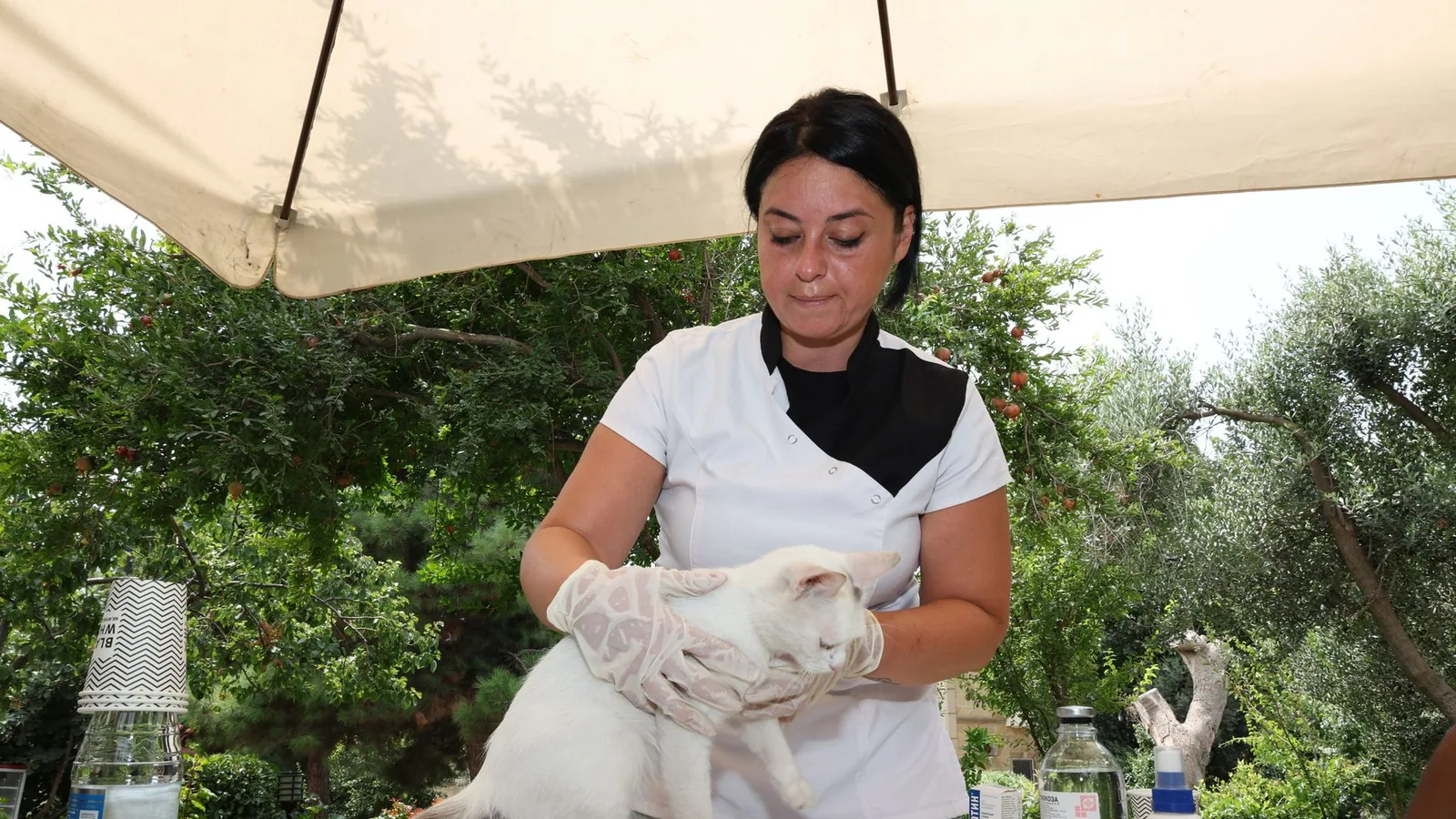
Few things alarm a cat owner like the sight of their feline companion retching and leaving a puddle of white foam on the floor. White foamy vomit is one of the most common complaints seen in veterinary practice, and while it often indicates a minor stomach upset, it can sometimes signal a more serious underlying condition. Understanding the possible causes and knowing when to seek help can make all the difference for your cat’s health.
This article explains why cats vomit white foam, what you can do at home, and what to expect if you visit your veterinarian. The information is drawn from current clinical consensus guidelines from the American Veterinary Medical Association (AVMA), American Animal Hospital Association (AAHA), the Canadian Veterinary Medical Association (CVMA), and the European Federation of Veterinarians (FVE).
Key Takeaways
- White frothy vomitus consists of swallowed saliva, gastric mucous secretions, and stomach acid aerated by rapid retching, indicating upper gastrointestinal irritation on an empty stomach.
- Key medical causes include hairball irritation (trichobezoars), dietary indiscretion, Feline Pancreatitis, inflammatory bowel disease (IBD), ingestion of household toxins (lilies, cleaning chemicals), or chronic renal failure.
- Cats that experience anorexia paired with vomiting for >24–48 hours are at immediate risk for Hepatic Lipidosis (fatty liver syndrome).
- Do NOT attempt to force-feed water or human anti-nausea medications, as this can trigger acute aspiration pneumonia and exacerbate nausea.
- Urgent veterinary evaluation is required if vomiting repeats >2 times in 24 hours, or is accompanied by lethargy, fever, jaundice (yellowing of eyes/ears), or complete food refusal.
Quick Q&A: Common Questions
Question: My cat is acting normal but threw up white foam. Is this an emergency?
Answer: Not usually. Isolated vomiting of white foam in an otherwise bright, eating, and drinking cat is often due to an empty stomach or mild gastritis. However, if vomiting persists for more than 24 hours, is accompanied by lethargy, diarrhoea/diarrhea, or loss of appetite, a veterinary visit is strongly recommended to rule out more serious issues such as pancreatitis, kidney disease, or intestinal obstruction.
What Is White Foamy Vomit?
White foam is typically a mixture of saliva, mucus, and stomach secretions. Unlike vomit containing food or bile (yellow/green), white foam often indicates the stomach is empty. The foam forms when air mixes with gastric fluid during forceful retching. This pattern is common in cats with conditions that stimulate the gag reflex or irritate the stomach lining.
It is important to distinguish vomiting from regurgitation. Vomiting involves active heaving and abdominal contractions; regurgitation is a passive expulsion of undigested food or liquid from the oesophagus. White foam almost always comes from vomiting, not regurgitation.
Common Causes of White Foam Vomiting in Cats
1. Empty Stomach (Bilious Vomiting Syndrome)
When a cat goes too long without eating, stomach acid and bile can accumulate and irritate the lining. The cat may vomit white foam or, if bile is present, yellow foam. This often happens first thing in the morning or if the cat has skipped a meal. The AVMA/AAHA consensus on feline gastritis notes that feeding smaller, more frequent meals can help prevent this.
2. Hairballs Without the Hair
Cats often vomit hairballs, but sometimes the hair has already passed and only a small amount of mucus and foam is expelled. The retching effort is similar. If you see foam without visible hair, it could still be a hairball trigger. Regular grooming and hairball lubricants may reduce episodes.
3. Gastritis (Inflammation of the Stomach)
Acute gastritis from dietary indiscretion (eating something disagreeable), stress, or a sudden change in food can cause foamy vomiting. The stomach lining becomes irritated, and white frothy mucus is produced. Most cases resolve within 24-48 hours with a short fast followed by a bland diet.
4. Pancreatitis
Inflammation of the pancreas is more common in cats than many owners realise. Vomiting white foam, along with lethargy, abdominal discomfort, and loss of appetite, can be early signs. The CVMA advises that pancreatitis in cats often presents without the classic vomiting and belly pain seen in dogs, making it a tricky diagnosis. A veterinary exam with bloodwork and possibly ultrasound is needed.
5. Kidney Disease or Hyperthyroidism
Chronic conditions like chronic kidney disease (CKD) or hyperthyroidism can cause nausea and vomiting. The vomit may be white foam if the stomach is empty. Older cats are especially at risk. The European FVE consensus on geriatric feline care recommends routine blood screening for cats over seven years of age to catch these diseases early.
6. Intestinal Obstruction
A foreign body (string, small toy, or even a large hairball) can block the gastrointestinal tract. Vomiting white foam is often followed by persistent retching and distress. This is a medical emergency. If your cat is unproductive (dry heaving) or vomiting repeatedly, seek veterinary care immediately.
When to See a Veterinarian
While an isolated episode may not require a vet trip, the following signs warrant prompt attention:
- Vomiting more than three times in 24 hours
- Blood in the vomit (red or coffee-ground appearance)
- Lethargy, hiding, or depression
- Refusing food or water for more than 12 hours
- Diarrhoea/diarrhoea that is severe or bloody
- Signs of abdominal pain (hunched posture, growling)
- Known ingestion of a foreign object or toxin
The AVMA advises that any vomiting lasting longer than 24 hours, even if the cat seems otherwise fine, should be checked by a veterinarian.
Home Care and First Steps (If Your Cat Is Otherwise Healthy)
If your cat has vomited white foam once or twice and is alert, eating, and drinking normally, you can try:
- Remove food for 12 hours to let the stomach rest. Do not withhold water.
- After the fast, offer a small amount (1-2 tablespoons) of a bland diet (plain boiled chicken or white fish, or a prescription gastrointestinal diet).
- If that is tolerated, offer a second small meal 6-8 hours later.
- Gradually transition back to the regular food over two days.
Do not give over-the-counter human medications like omeprazole or famotidine without veterinary guidance. Dosages differ, and some drugs are toxic to cats.
What to Expect at the Vet
Your veterinarian will take a thorough history (timing of vomiting, diet, access to toys, toxin exposure). A physical exam will check for dehydration, abdominal pain, and a palpable foreign body. Depending on findings, they may recommend:
- Bloodwork to assess kidney and thyroid function, liver enzymes, and pancreatic health.
- Fecal exam to check for parasites.
- X-rays or ultrasound to look for obstructions or pancreatitis.
- Urinalysis to evaluate kidney function.
Treatment will depend on the cause. It may include anti-emetic medication (e.g., maropitant, brand name Cerenia), fluid therapy for dehydration, and a temporary change to a highly digestible diet. The consensus from international veterinary groups stresses that anti-emetics are often safer and more effective than “wait and see” approaches in cases of repeated vomiting.
Prevention Tips
- Feed smaller, more frequent meals, especially for cats prone to bilious vomiting.
- Provide fresh water at all times.
- Keep strings, ribbons, and small toys out of reach.
- Groom longhaired cats daily to reduce hairballs.
- Schedule annual veterinary checkups (more frequently for senior cats) with routine bloodwork.
- Transition food changes gradually over 7-10 days.
Final Thoughts
A cat throwing up white foamy liquid can be concerning, but in many cases it is a manageable and self-limiting issue. The key is to monitor your cat’s behaviour and know the red flags. When in doubt, a call to your veterinarian is always the safest course. Rely on international veterinary consensus to guide your decisions and keep your feline friend healthy and happy.
Related Articles
- Why Is My Cat Throwing Up Foamy White Liquid
- Why Does My Cat Keep Throwing Up White Foamy Stuff
- Why Is My Cat Throwing Up Clear Liquid With White Foam