Can Dogs Eat Strawberry Sauce
By Dr. Zubair Khalid, DVM, MS, PhD ·
Key Takeaways
- Xylitol, a common artificial sweetener in "sugar-free" strawberry sauces, poses a critical risk of rapid, severe hypoglycemia and potential liver failure in dogs due to its potent insulinotropic effect.
- High sugar content in regular strawberry sauces contributes to canine obesity, dental disease, pancreatitis, and can lead to glucose intolerance, a precursor to diabetes mellitus.
- Commercial strawberry sauces may contain artificial additives like citric acid, sodium benzoate, and potassium sorbate, which can trigger gastrointestinal sensitivity or allergic reactions in some dogs.
- Immediate veterinary intervention is crucial if xylitol ingestion is suspected; diagnostic workup includes blood glucose measurement, and treatment may involve intravenous dextrose fluids and constant glucose monitoring.
- For non-xylitol, high-sugar sauces, monitoring for gastrointestinal upset such as vomiting and diarrhea is recommended, with potential treatment including anti-emetics and subcutaneous fluids for dehydration.
- Safe alternatives to strawberry sauce include fresh, plain strawberries, frozen strawberry chunks (without added sugar), or small amounts of plain, unsweetened applesauce and mashed banana.
Strawberries themselves are a safe, low-calorie treat for most dogs when served fresh and plain. However, strawberry sauce is a different matter entirely. As a veterinary professional, I often advise pet owners that processed sauces introduce multiple clinical risks, ranging from acute xylitol toxicity to chronic metabolic issues. While a tiny lick of a sugar-free or natural sauce might cause no immediate harm, routinely feeding strawberry sauce is not recommended. This article explains the specific dangers, outlines immediate home care steps if ingestion occurs, and details what to expect at the veterinary clinic.
Quick Q&A: Common Questions
Question: What should I do if my dog ate a large amount of strawberry sauce?
Answer: First, check the ingredient list for xylitol (also called birch sugar or E967). If xylitol is present, or if you are unsure, seek emergency veterinary care immediately. Xylitol causes rapid, severe hypoglycemia and potential liver failure in dogs. If the sauce is xylitol-free but high in sugar, monitor your dog for vomiting, diarrhea, or diarrhoea, and contact your veterinarian for advice on managing a high-sugar gastrointestinal upset.
Detailed Analysis of Strawberry Sauce Risks
Why Strawberry Sauce Differs From Fresh Strawberries
Fresh strawberries provide vitamins, fibre, and antioxidants without added ingredients. Strawberry sauce, whether homemade or store-bought, typically contains concentrated sugars, preservatives, and sometimes artificial sweeteners. The clinical consensus from organisations such as the American Veterinary Medical Association (AVMA) and the British Small Animal Veterinary Association (BSAVA) emphasises that processed human foods should be avoided in canine diets because of their unpredictable ingredient profiles. Strawberry sauce is not a whole food; it is a high-glycemic condiment that can disrupt your dog's metabolic balance.
Clinical Dangers of Strawberry Sauce
Xylitol Toxicity (Most Critical Risk)
Xylitol is a sugar alcohol used as a sweetener in many "sugar-free" or "low-sugar" strawberry sauces. It is highly toxic to dogs. Even small amounts cause a rapid release of insulin, leading to dangerous hypoglycemia (low blood sugar) within 15-30 minutes. Signs include weakness, vomiting, incoordination, and seizures. Without treatment, liver necrosis can develop. This is the primary reason I recommend strict avoidance of any sauce labelled "sugar-free".
High Sugar Content and Metabolic Effects
Regular strawberry sauce contains significant added sugar (sucrose or high-fructose corn syrup). Excess sugar consumption in dogs contributes to obesity, dental disease, and pancreatitis. Chronic feeding can also lead to glucose intolerance, a precursor to diabetes mellitus. The European Medicines Agency (EMA) and the Canadian Veterinary Medical Association (CVMA) both advise that treats should not exceed 10% of a dog's daily caloric intake, with sugar-laden sauces offering no nutritional value while adding empty calories.
Artificial Additives and Preservatives
Many commercial sauces include citric acid, sodium benzoate, potassium sorbate, or artificial colours. While generally recognised as safe (GRAS) for humans, dogs may exhibit gastrointestinal sensitivity to these compounds. Signs include hypersalivation, vomiting, and diarrhoea or diarrhoea. In sensitive individuals, artificial colours can trigger allergic skin reactions.
Gastrointestinal Upset
The sudden introduction of a high-sugar, high-acid food can cause osmotic diarrhoea and gastric bloating. The fibre in strawberry seeds is usually harmless, but the combined sugar and acid in the sauce can irritate the gastric mucosa, leading to acute gastroenteritis.
Immediate Home Care After Ingestion
If your dog has eaten strawberry sauce, follow these steps based on the amount ingested:
- Confirm the ingredients. Read the label carefully for xylitol. If xylitol is present, or if the sauce is from an unknown source, proceed directly to an emergency veterinarian. Do not induce vomiting without veterinary instruction, as some dogs may already be hypoglycemic.
- Assess the volume. A small lick of a xylitol-free sauce (less than a teaspoon for a medium dog) typically requires only monitoring. A larger amount (a quarter cup or more for a 20 kg dog) warrants a call to your veterinarian or a pet poison helpline (e.g., ASPCA Animal Poison Control Center in the US).
- Monitor for signs of illness. For the next 4-6 hours, watch for lethargy, vomiting, diarrhoea, increased thirst, or unusual behaviour. In cases of xylitol ingestion, hypoglycemia can develop suddenly.
- Withhold food temporarily. If your dog vomits or develops diarrhoea, fast them for 12 hours (water only, unless vomiting persists) to settle the gastrointestinal tract. Then offer a small, bland meal (e.g., boiled white rice with plain chicken or turkey).
- Hydration is key. Ensure fresh water is always available. Diarrhoea can quickly lead to dehydration.
What to Expect at the Veterinary Clinic
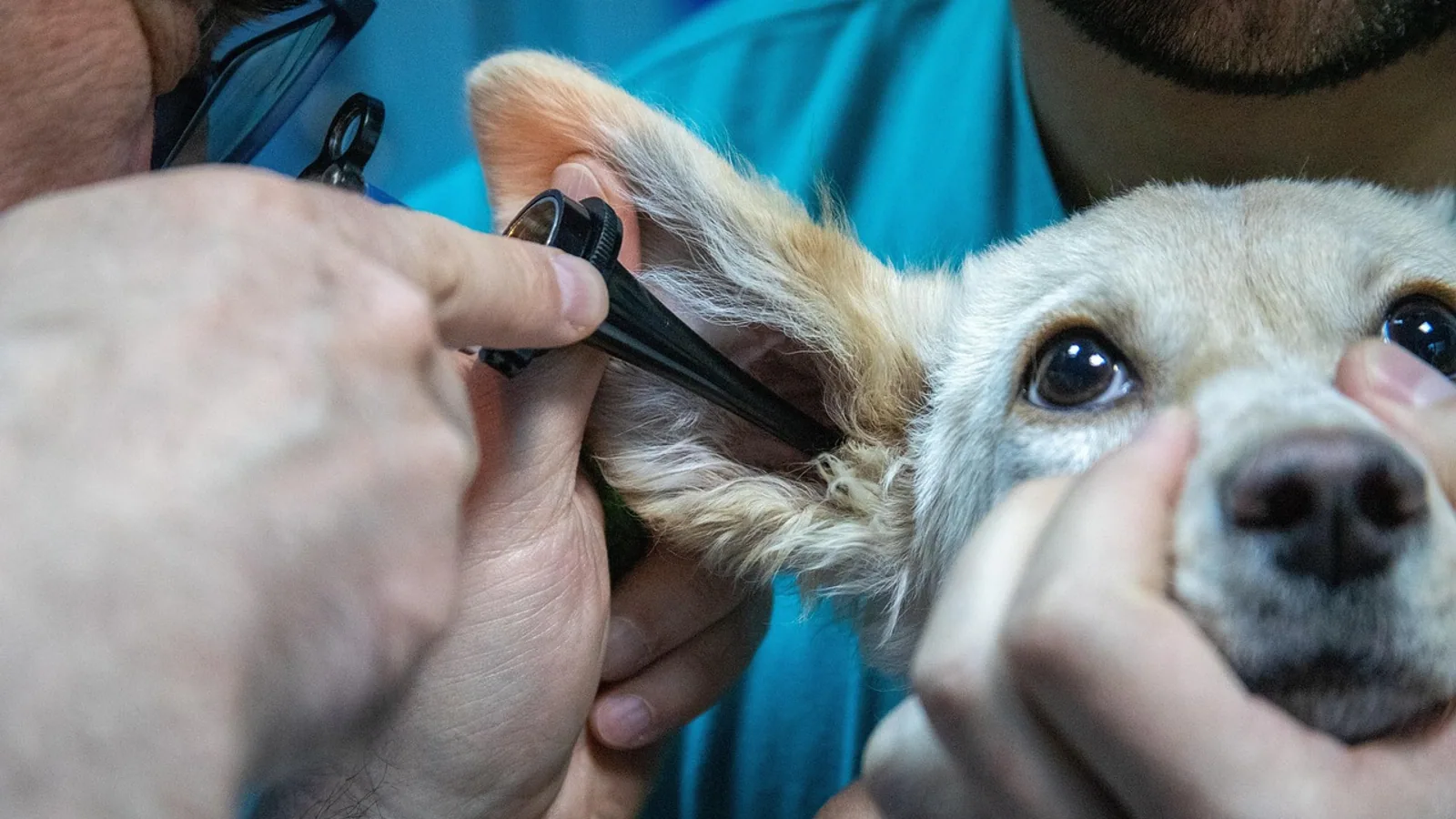
If you present your dog after strawberry sauce ingestion, the veterinarian will perform a thorough clinical assessment.
- History and physical exam. The vet will ask about the amount, time of ingestion, and any visible ingredients. They will check heart rate, mentation, and abdominal tenderness.
- Diagnostic workup. If xylitol toxicity is suspected, immediate blood glucose measurement is essential. The vet may also check liver enzymes and electrolyte levels. For sugar overload, a faecal exam or abdominal ultrasound may be considered if pancreatitis is suspected.
- Treatment protocols. For xylitol ingestion: Dextrose intravenous fluids, constant glucose monitoring, and liver protectants. The cost can range from $300 to $1500 (USD) depending on severity. For simple gastroenteritis: Anti-emetics (e.g., maropitant), subcutaneous fluids to correct dehydration, and a bland diet. Prognosis is excellent with prompt care.
Prevention and Safe Alternatives
Prevention is straightforward. Never intentionally share strawberry sauce with your dog. Keep store-bought bottles out of reach and store homemade sauce in sealed containers (dogs can open cupboards).
Instead, offer these veterinarian-approved alternatives:
- Fresh, sliced strawberries (1-2 small berries for a medium dog, washed and hulled).
- Frozen strawberry chunks (great for teething puppies or hot days, but ensure no added sugars).
- Plain, unsweetened applesauce (in small amounts, as long as it contains no xylitol).
- Mashed banana (a natural, nutrient-rich treat).
Australian veterinary consensus (AVA) echoes global guidelines: whole fruits in moderation are vastly superior to processed fruit products.
Summary
Strawberry sauce is not a safe treat for dogs due to the risks of xylitol toxicity, high sugar content, and artificial additives. Even a small amount can cause gastrointestinal upset or metabolic harm. The safest clinical approach is avoidance. If ingestion occurs, identify the ingredients immediately and contact your veterinarian if symptoms develop. For healthy treats, stick to fresh strawberries or other dog-safe whole fruits.
Always consult your veterinarian before introducing new foods to your dog's diet, especially if your pet has pre-existing health conditions like diabetes, pancreatitis, or chronic kidney disease.