Can Dogs Eat Strawberry Rhubarb Jam
By Dr. Zubair Khalid, DVM, MS, PhD ·
Key Takeaways
- Rhubarb, a primary component of strawberry rhubarb jam, contains oxalic acid and soluble oxalates, particularly in its leaves and stems, which can lead to hypocalcemia and the formation of calcium oxalate crystals in the kidneys, potentially causing acute kidney injury.
- The high sugar content in jam contributes to hyperglycemia, obesity, and dental decay in dogs; furthermore, the presence of xylitol, a common artificial sweetener, can induce life-threatening hypoglycemia and liver failure even in small quantities.
- Clinical signs of ingestion can manifest within 1-6 hours and include vomiting, diarrhea, excessive drooling, lethargy, tremors, increased thirst, and loss of appetite, with xylitol toxicity presenting more rapidly with weakness and collapse.
- Immediate veterinary consultation is critical if xylitol is identified in the ingredients; otherwise, contact a pet poison control service, and do not induce vomiting without veterinary guidance due to aspiration risks.
- Veterinary diagnostics may include bloodwork to assess kidney function and calcium levels, urinalysis for calcium oxalate crystals, and supportive treatments such as fluid therapy, anti-emetics, and calcium gluconate.
- Prevention strategies involve secure storage of jam, educating household members and guests, and offering dog-safe alternatives like plain strawberries or blueberries.
Strawberry rhubarb jam is a popular homemade or store-bought spread, but pet owners often wonder if it is safe to share with their dogs. The short answer is no. While strawberries alone are generally safe for dogs in small amounts, the addition of rhubarb and high sugar content makes this jam a risky treat. This article covers the clinical reasons why strawberry rhubarb jam should be avoided, what to do if your dog ingests it, and how to prevent future incidents.
Quick Q&A: Common Questions
Question: Can dogs eat strawberry rhubarb jam? Answer: No, dogs should not eat strawberry rhubarb jam. Rhubarb leaves and stems contain oxalic acid, which can cause kidney damage, tremors, and gastrointestinal upset. Additionally, the high sugar content in jam can lead to obesity, dental issues, and even pancreatitis in susceptible dogs.
Why Strawberry Rhubarb Jam Is Harmful
Rhubarb Toxicity
Rhubarb (Rheum rhabarbarum) contains oxalic acid and soluble oxalates, especially in the leaves. While the stems are less concentrated, they still carry enough oxalates to be dangerous for dogs when consumed in moderate quantities. Oxalic acid binds to calcium in the body, leading to hypocalcemia (low blood calcium) and the formation of calcium oxalate crystals in the kidneys. This can cause acute kidney injury, vomiting, drooling, weakness, and in severe cases, tremors or seizures. The amount of rhubarb in jam may be lower than in raw plant material, but jam is often concentrated, and repeated small exposures can still pose a risk.
High Sugar and Additives
Jam is typically made with large amounts of sugar, and many commercial varieties include artificial sweeteners, preservatives, or added pectin. Excessive sugar intake in dogs can lead to hyperglycemia, obesity, and dental decay. Some dogs may experience diarrhoea (or diarrhea) or vomiting after eating sugary foods. If the jam contains xylitol (a common sweetener in sugar-free products), even a tiny amount can cause life-threatening hypoglycemia (low blood sugar) and liver failure. Always check the ingredient list.
Strawberries as a Separate Treat
Plain, fresh strawberries (without the green leaves or stem) are safe for dogs in moderation. They are low in calories and provide vitamin C and fiber. However, when cooked into jam with rhubarb and sugar, the benefits are lost and the risks multiply.
Signs Your Dog Ate Strawberry Rhubarb Jam
Clinical signs can appear within 1 to 6 hours after ingestion, depending on the amount and the dog's size. Watch for:
- Vomiting or regurgitation
- Diarrhoea/diarrhea (sometimes with blood)
- Excessive drooling or pawing at the mouth
- Lethargy or weakness
- Tremors or muscle twitching
- Increased thirst and urination (early kidney stress)
- Loss of appetite
If the jam contained xylitol, signs of hypoglycemia (weakness, staggering, collapse, seizures) may appear within 30 to 60 minutes.
Home Care and When to See a Vet
If you suspect your dog has eaten strawberry rhubarb jam, take the following steps:
- Check the ingredients. If xylitol is present, go to an emergency vet immediately.
- Do not induce vomiting unless directed by a veterinarian. Inducing vomiting with rhubarb can risk aspiration if the dog already has tremors or is unstable.
- Estimate the amount ingested. A small lick of jam may only cause mild upset, but a whole jar can be dangerous.
- Contact your veterinarian or a pet poison control service (e.g., ASPCA Animal Poison Control in the US, Pet Poison Helpline). Provide the approximate amount and ingredient list.
For mild cases, your vet may recommend withholding food for 12 hours and offering small amounts of water. More severe cases may require supportive care such as intravenous fluids for hydration and kidney support, anti-nausea medications, and calcium gluconate to counteract oxalate effects.
What to Expect at the Vet
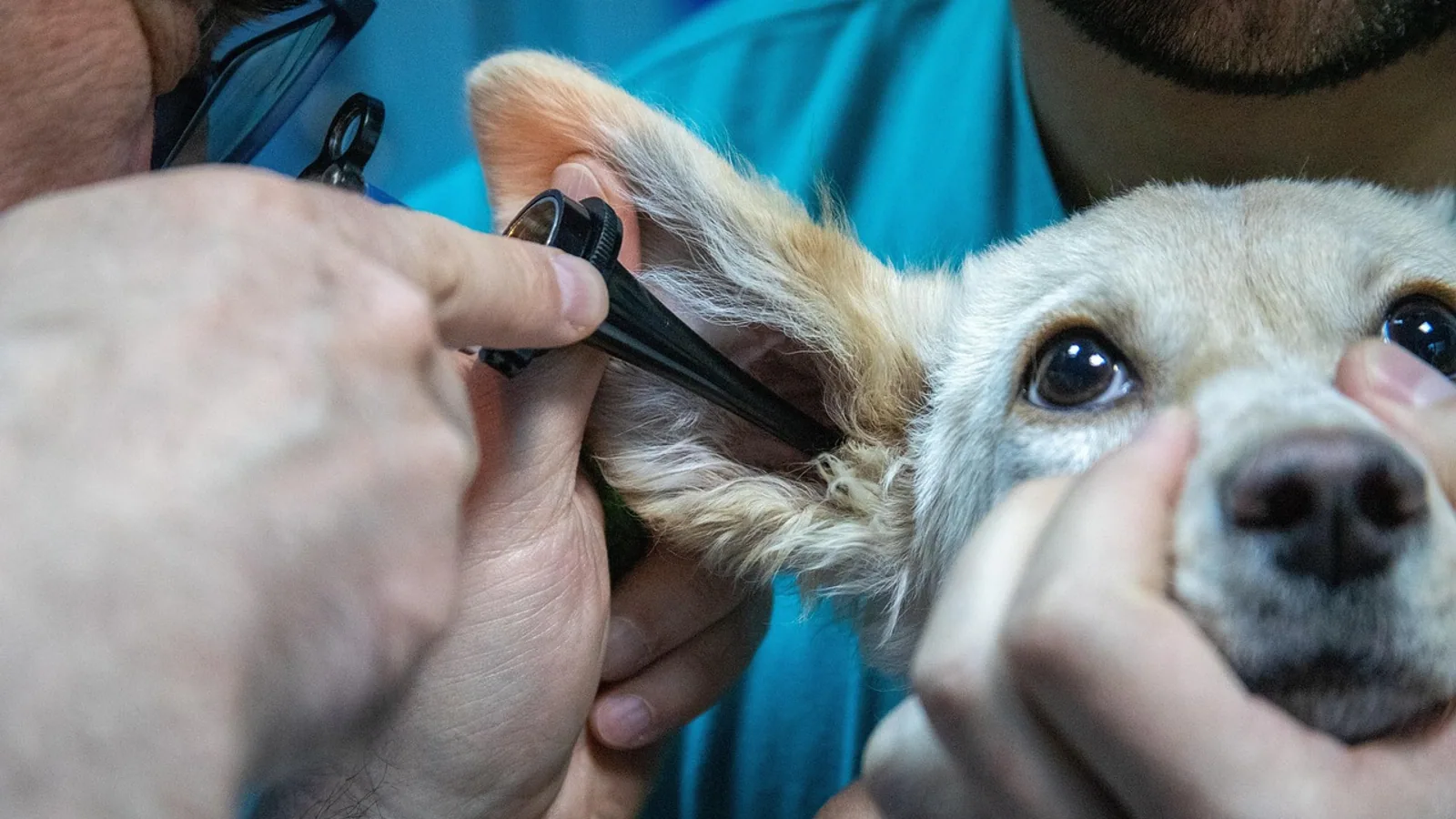
If you visit a veterinary clinic, the team will perform a thorough physical exam and may recommend:
- Bloodwork to assess kidney function, calcium levels, and electrolytes
- Urinalysis to check for calcium oxalate crystals or blood
- Activated charcoal (rarely given for recent ingestions if safe to do so)
- Symptomatic treatment (anti-emetics, fluid therapy, muscle relaxants for tremors)
The American Veterinary Medical Association (AVMA) and veterinary emergency protocols from groups like the European Medicines Agency’s veterinary division emphasize that oxalate toxicity is a medical emergency. Prompt treatment improves outcomes significantly.
Prevention Tips
- Store jam securely in the refrigerator or high cupboards that your dog cannot access.
- Educate family and guests about the dangers of sharing table foods with pets.
- Offer safe alternatives instead of jam: plain strawberries (cut up), blueberries, or apple slices (without seeds).
- Read labels carefully on all packaged foods before sharing any human food with your dog.
International Consensus
Clinical consensus statements from the American Animal Hospital Association (AAHA) and the Canadian Veterinary Medical Association (CVMA) support the avoidance of oxalate-rich plants, including rhubarb, in canine diets. The Australian Veterinary Association (AVA) also advises that any food containing significant sugar or potential toxins should not be fed to pets. While strawberry rhubarb jam is not a common cause of poisoning, the risk is real, especially for small dogs or those with pre-existing kidney conditions.
Final Takeaway
Strawberry rhubarb jam is not safe for dogs due to the combined risks of oxalate toxicity, high sugar, and possible xylitol. When in doubt, stick to dog-safe treats and always consult your veterinarian if you have concerns about something your pet has eaten. Prevention and prompt veterinary care are the keys to keeping your canine companion healthy and happy.